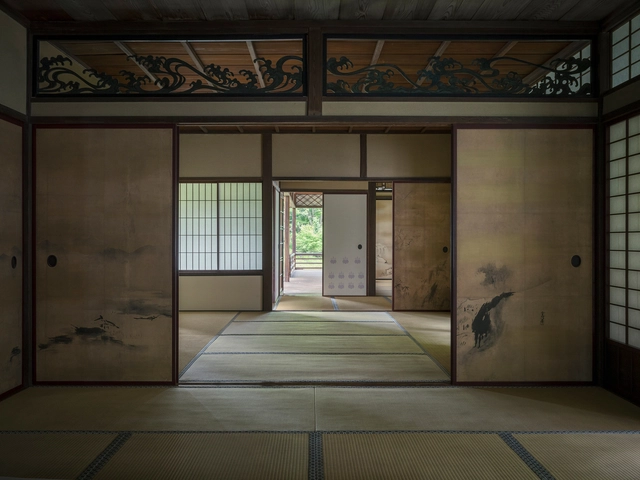
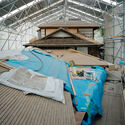
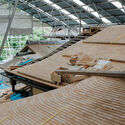
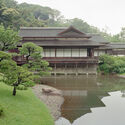
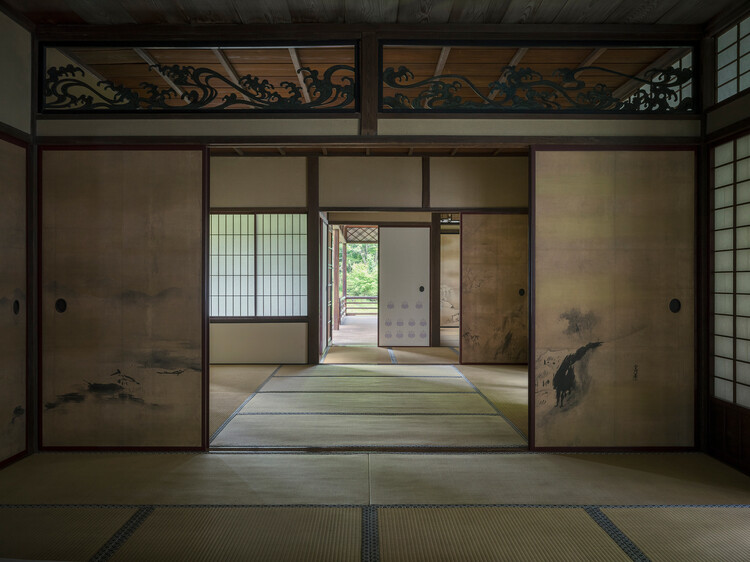
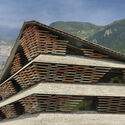
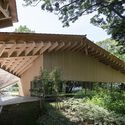
Rinshunkaku is a notable example of early Edo-period residential architecture. Originally built in the Wakayama Prefecture by the Kishu Tokugawa family, the villa was relocated to Sankeien, a traditional Japanese garden in the city of Yokohama, during the Taisho era (1912-1926). The garden was created in the early 20th century by businessman and art patron Sankei Hara and features a number of historic buildings relocated from Kyoto, Kamakura, and other areas of Japan. Rinshunkaku, one of the garden's gems, is a prime example of traditional Japanese architecture and wood construction. Its historical value motivated a large-scale restoration project in 2019, documented in the film Artisans of the Reiwa Era (Reiwa no Shokunin-tachi), filmed and edited by Katsumasa Tanaka and Hiroshi Fujiki. The documentary offers a close, detailed view of Japanese craftsmanship and wood expertise, highlighting rare traditional techniques and paying tribute to the artisans who preserve them.
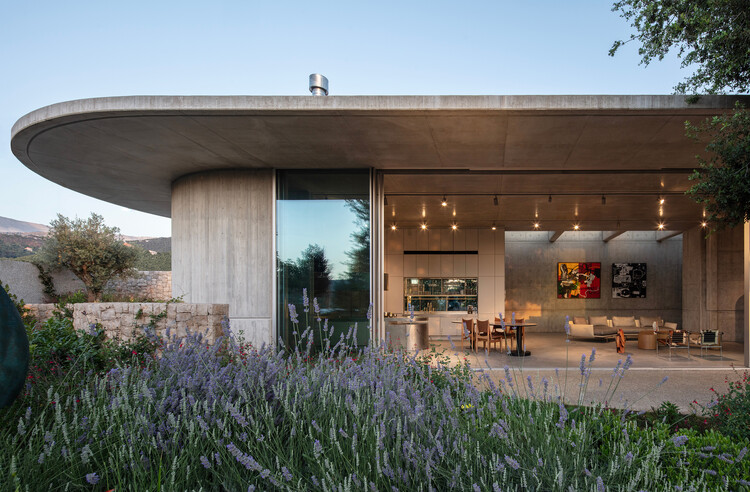
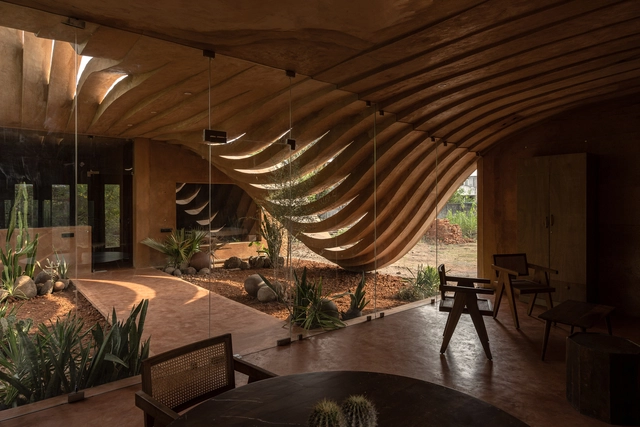
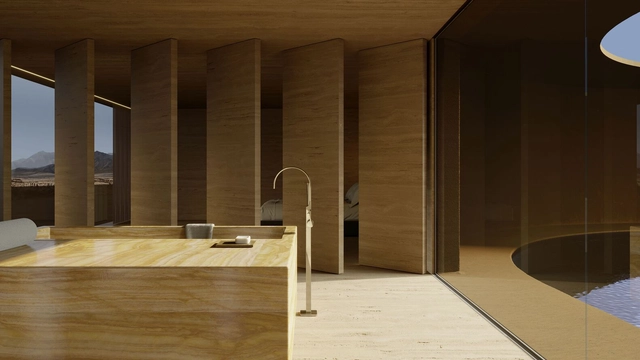
Set within the mountainous landscape of Zabbougha, Lebanon, Capsule Retreat by EAST Architecture Studio is shaped through the process of its making. The project unfolds through material decisions, on-site adjustments, and evolving conditions, allowing construction itself to guide its spatial logic.
The construction process played a central role in defining the project. Built during a period marked by economic collapse, material shortages, and ongoing disruption in Lebanon, the house developed through continuous adaptation. With no general contractor, the architects took on an expanded role, coordinating craftsmen, testing ideas directly on site, and responding to changing constraints. In this context, sociopolitical conditions became not only a challenge but a catalyst for rethinking design. "We were constantly testing ideas on site", say the architects and founders of EAST Architecture Studio, Charles Kettaneh and Nicolas Fayad, "tailoring these decisions economically while exploring what local craft could offer."
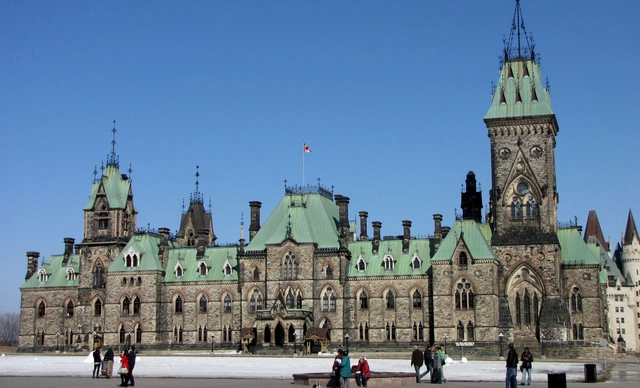
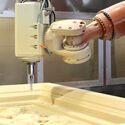
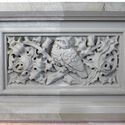
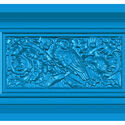
Heritage restoration has always been an intricate process that requires delicate balancing between preserving the integrity of historic materials while integrating contemporary techniques that can enhance accuracy, efficiency, and resilience. With the restoration process of Parliament Hill in Ottawa, Canada's capital city, this intersection of tradition and technology is now on full display. The East Block, built in 1865, offers a compelling example of how digital tools can support the efforts of heritage restoration and contribute to a centuries-old craft such as stone carving.
The fragility—and temporal beauty—of neon has captivated audiences since the early 1900s. First shown commercially by French engineer Georges Claude at the 1910 Paris Motor Show, neon spread rapidly, achieving broad popularity in the United States from the 1920s through the 1950s. Mid-century America saw it everywhere: from the casinos of the Las Vegas Strip to roadside motor inns along Route 66 and the spectacle of Times Square. By the latter half of the century, however, many signs were scrapped or left to decay, and numerous municipalities restricted neon as visually garish or power-hungry—despite the technology's comparatively modest energy use. In the U.S., renewed interest in neon arguably didn't meaningfully return until the early 2000s.
In Hong Kong, by contrast, neon was embraced with unusual enthusiasm at a time when it began to lose popularity elsewhere. Even as installation slowed in recent decades—largely due to updated ordinances requiring removal of overhanging signs whose support structures failed to meet safety standards—the city's affinity for neon never fully disappeared.
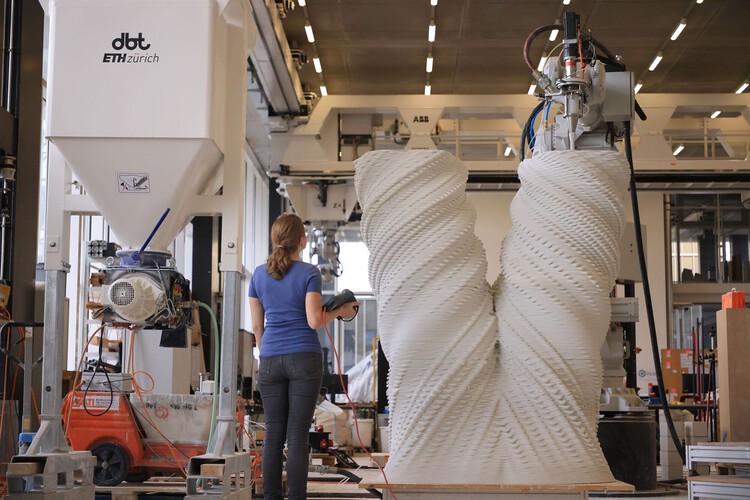
Architectural ornamentation has been a recurrent subject of debate across the industry for decades. A practice that was largely abandoned during the Modernist movement could now be standing on a platform that might, again, allow its resurgence, due to the current convergence of robotics, artificial intelligence (AI), and digital fabrication. Technology has seemingly removed the primary obstacle to decorative detail: the high cost of skilled manual labor. However, this new technical capacity demands a critical examination: What does ornamentation truly represent, and what do we gain or lose by resurrecting it through algorithmic design?
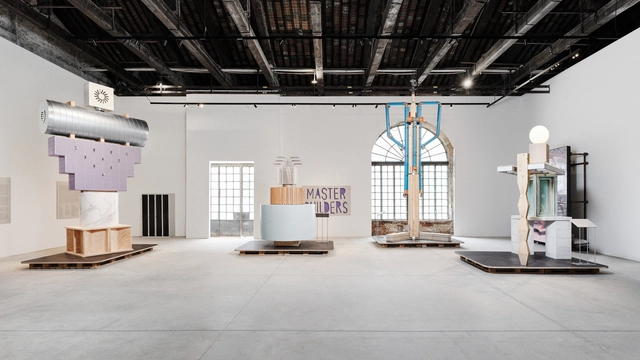
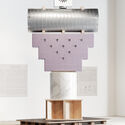
The Slovenian Pavilion at the 19th International Architecture Exhibition – La Biennale di Venezia presents Master Builders, a project curated by Ana Kosi and Ognen Arsov and organized by the Museum of Architecture and Design (MAO). The project addresses the evolution of construction technology, encompassing robotics, prefabrication, artificial intelligence, 3D printing, and other emerging tools, while drawing attention to a notable paradox within this technological shift, and also emphasizing that the quality of the built environment continues to rely heavily on the tacit knowledge of skilled craftsmen. By constructing a series of totems, the project examines the collaborative dynamics between architect and craftsman, revealing how this relationship shapes the material realization of architecture.
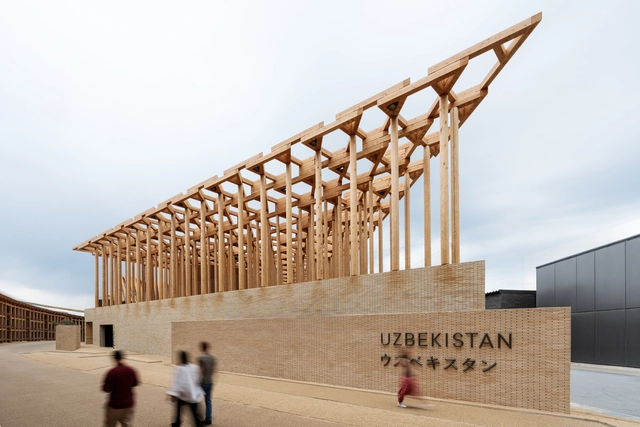
Uzbekistan has revealed the latest photographs of the pavilion for Expo 2025 in Osaka, Japan, after the recent opening. Designed by Atelier Brückner and realized by NUSSLI, the pavilion aims to showcase the country's vision for the future under the Expo's broader theme, "Designing the Future Society for Our Lives." Composed of modular, reusable wooden elements, the pavilion's architecture will later be reconstructed in Uzbekistan, serving as a studio, workshop, or school.
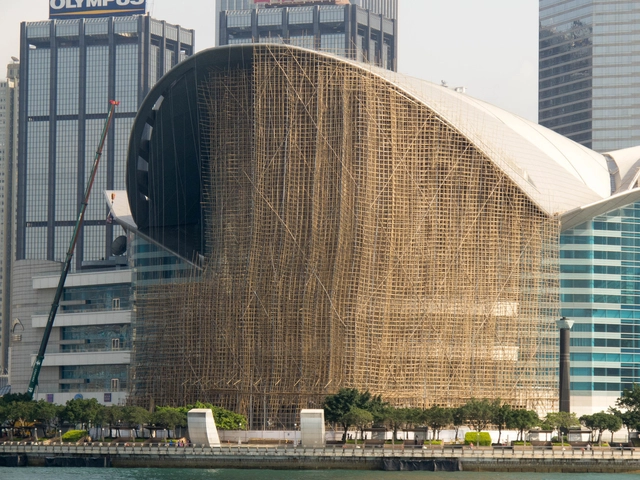
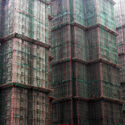
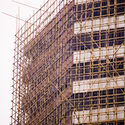
The bamboo scaffolding building typology—temporary, agile, and deeply rooted in tradition—particularly, the bamboo shed theatre building technique, is recognized as an item of Intangible Cultural Heritage in Hong Kong. As one walks through the city, especially in busy urban districts, it's nearly impossible not to encounter a bamboo scaffold within a five-minute radius. Bamboo scaffolding is arguably the most iconic construction material in Hong Kong, valued for its abundance, sustainability, flexibility, adaptability, and—most importantly—scalability. These qualities have contributed to its widespread use in temporary construction, from building maintenance and renovations to festival stages and sporting events.
However, this once-ubiquitous feature of the urban landscape may be slowly fading from view. A dwindling pool of skilled, younger workers—combined with evolving construction regulations—has contributed to its decline. On March 17, the Development Bureau announced plans to "drive a wider adoption of metal scaffolds in public building works." In practice, this means the Architectural Services Department (ArchSD) will soon require at least 50% of its capital works projects to utilize metal scaffolding. While not a formal ban, the policy signals what many see as the beginning of a gradual phase-out of bamboo scaffolding in public-sector construction.
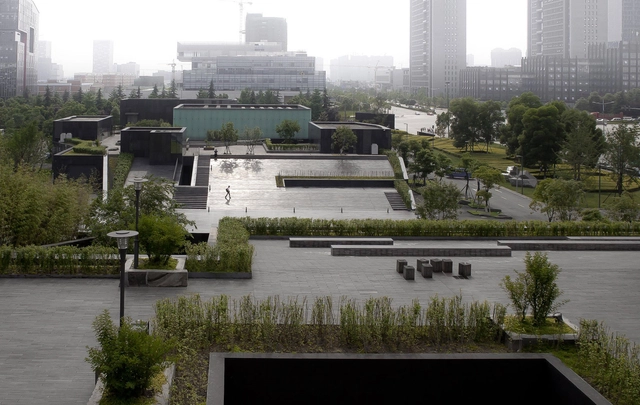
Liu Jiakun, the 2025 Pritzker Prize winner, has spent decades redefining Chinese architecture by combining utopia with function and social engagement with personal memory. His buildings are reflections of the everyday lives of ordinary people, crafted with an understanding of place, culture, and materiality. Rejecting the pursuit of a fixed architectural style, Jiakun believes in a strategy rather than a signature aesthetic, tailoring each project to its specific context and needs. His work integrates history with contemporary urban needs, collectivism with individual experience, and density with openness, offering timely solutions to the challenges of rapid urbanization.
Jiakun's approach is deeply rooted in Chinese philosophy, common sense, and local craftsmanship, ensuring that architecture grows naturally from its surroundings rather than being imposed upon them. His buildings reflect an authenticity that speaks to both past and present, avoiding grand gestures in favor of spaces that foster interaction, spirituality, and human connection.
This year marked another milestone for Indian architects in pushing the boundaries of contemporary practice nationwide. A noticeable trend among the projects featured on ArchDaily has been the embrace of fluid forms, a subtle homage to vernacular practices that parallels a gradual departure from India's legacy of modernist design rhetoric. Indian architecture praxis has evolved to reflect a deeper engagement with local contexts alongside a willingness to experiment with global influences. This approach is likely to subsist in the coming years, opening the door for new architectural expressions in the country.
Where design moves beyond rigid geometries to celebrate fluidity, architects across the subcontinent reimagine spatial experiences with forms that flow, merge, and breathe. Challenging conventional architectural paradigms, these projects continue to draw inspiration and proliferate deeply rooted cultural narratives. In India's case, the embrace of fluidity in architecture reflects an interplay of themes: materiality, memory, craftsmanship, and the living context of space.
The 3rd edition of Shaping the City, a forum on sustainable urban development, took place in Venice between November 24-25, following successful events in Chicago and New Orleans. Organized by the European Cultural Centre, this forum was running in parallel to the 2023 Venice Architecture Biennial exhibition, Time Space Existence. The event, hosted at Palazzo Michiel del Brusà in Cannaregio, brings together global urban planners, architects, academics, and politicians. Notably, Japanese architect Kengo Kuma was among the experts invited to explore the intersection of nature and the built environment in Japanese architecture.
Over two days, the conference set out to explore crucial themes such as education, urban commons, displacement, nature integration, and the future of architecture media, a subject discussed during a panel talk attended by ArchDaily’s managing editor, Christele Harrouk. While on-site in Venice, the ArchDaily team sat down with Kengo Kuma to discuss his unique approach to nature-inspired and site-specific designs.
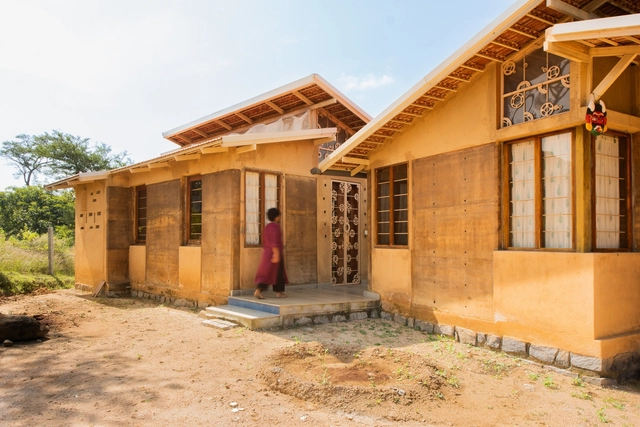
In recent years, India has seen a resurgence of interest in natural building materials, a movement driven by escalating environmental concerns and a growing desire to revive traditional lifestyles. From the busy streets of Mumbai to the serene villages of Kerala, architects, builders, and communities are coming together to experiment with the potential of earth, bamboo, lime, and other organic materials in shaping contextually relevant structures that also embody India's contemporary ideals. The shift towards using natural materials and other vernacular resources reflects a movement towards sustainability and a deeper connection with nature.
Lithuania's architectural narrative is a mosaic of diverse influences and styles, representing its historical evolution, cultural heritage, and resilience through changing times. Despite a focus on traditional craftsmanship, functional minimalism, and sustainable materials, the country's design language has been profoundly influenced by its geopolitical position and historical events, resulting in a blend of styles from different periods. A key factor that cuts across all expressions, however, is Lithuanian architecture's seamless connection with its natural surroundings.
Inspiring applications of the MEM collection in architectural settings inspired by AI. Image Courtesy of Dornbracht
In addition to contributing to the functionality of the space, bathroom fittings underlie the overall aesthetics of a chosen design style. Within their technical features –as well as the possible materials, finishes, and styles–, fittings play a role in both the visual appeal of a space, while also focusing on comfort and user experience. This is part of Dornbracht's continuous re-imagination of bathrooms as living spaces, in which the brand seeks to create innovative solutions based on proportion, precision, progressiveness, performance, and personality.
Among Dornbracht’s series, the MEM collection includes a complete selection of minimalist bathroom fittings for washstands, showers, and tubs. In collaboration with ethical design brand Nature Squared and Italian craft manufacturer Glass Design, the collection’s original design has been enriched with versatile new features for customizing bathrooms. These features are created through the combination of high-quality materials with sustainable craftsmanship and the incorporation of futuristic artistic crystal glass.
Indians have traditionally lived close to the earth, their cultures shaped by symbiotic relationships with ecosystems. Indian arts and crafts strongly rely on nature for its form, philosophy, and existence. Native landscapes aroused the artistic sensibilities of resident communities, evolving craft practices that met utilitarian and ritualistic needs. The intersectionality of ecology and culture is evident through ancestral forms of craft.
In its 27th year, Pasadena Heritage will present the Annual Craftsman Weekend on November 9-11, 2018. The weekend will feature house tours of notable Craftsman properties, along with bus and walking tours of the surrounding neighborhoods. Other events scheduled include a 'Show and Sale' with exhibitors of antique and contemporary furniture and decorative arts, a silent auction, workshops, and presentations. In addition, Pasadena Heritage will be offering exclusive receptions at historic locations throughout the weekend.
Download the information related to this event here.
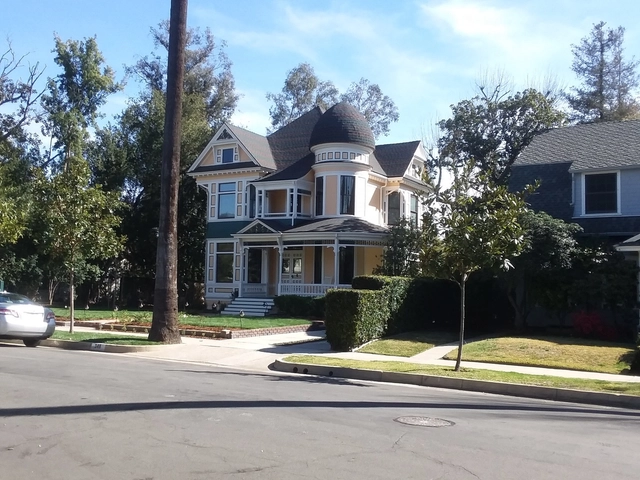
The Governor Markham Landmark District is one of the oldest neighborhoods in the City of Pasadena, and residences included in the District parallel Pasadena’s growth from incorporation as a city in 1886. Ninety-four percent of the homes were constructed between 1891 and 1933. This area became an official Landmark District in 2005 and was listed on the National Register of Historic Places in 2012, nominated by Pasadena Heritage.
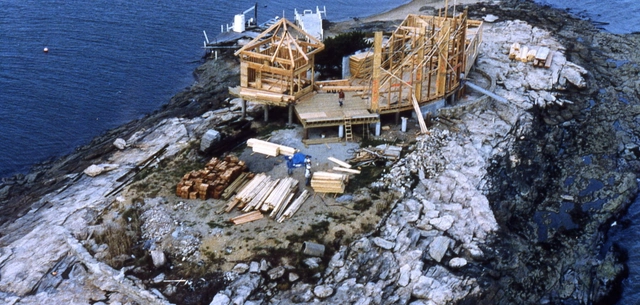
The construction site for a house (designed by the author), located on one of the Thimble Islands, off the coast of Connecticut, circa 1990. Image Courtesy of Duo Dickinson
Truth be told, many architects I know are a little uneasy about their lack of building knowledge. Since architecture without construction is largely a graphic arts exercise, this is either deeply ironic or grimly paradoxical. To bridge this yawning gap, architects today typically hire a slew of consultants—roof, skin, curtain wall, interior, sustainability, preservation—who join the growing influence of software-driven structural and mechanical engineers to absorb much of what architects once assumed they could handle.