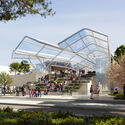
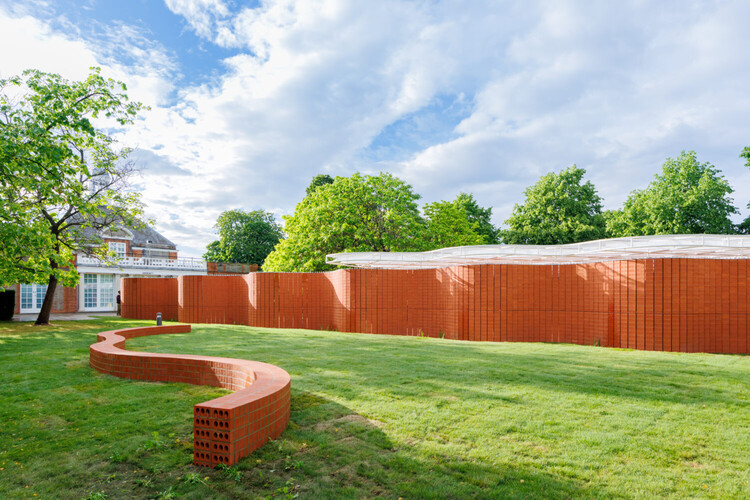
This week, architecture's cultural dimension took center stage through a series of new platforms, institutional developments, and public-facing projects that expand how the discipline is discussed, preserved, and experienced. From the announcement of participants for the inaugural Pan-African Biennale in Nairobi and the unveiling of Concéntrico Festival's urban interventions across Logroño, to the opening of La Biennale di Venezia's new archival headquarters at the Arsenale, architecture emerged as a vehicle for research, exchange, and collective reflection. Alongside these initiatives, projects such as the expansion of Crystal Bridges Museum in Arkansas and the opening of the 2026 Serpentine Pavilion demonstrate how cultural institutions continue to invest in new spaces for gathering and engagement. This week's selection spans Kenya, Spain, Albania, Saudi Arabia, Italy, Lebanon, the United Kingdom, and the United States, reflecting the diverse contexts in which cultural institutions, public events, and architectural initiatives continue to evolve.
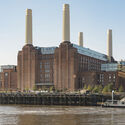
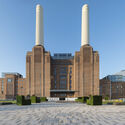
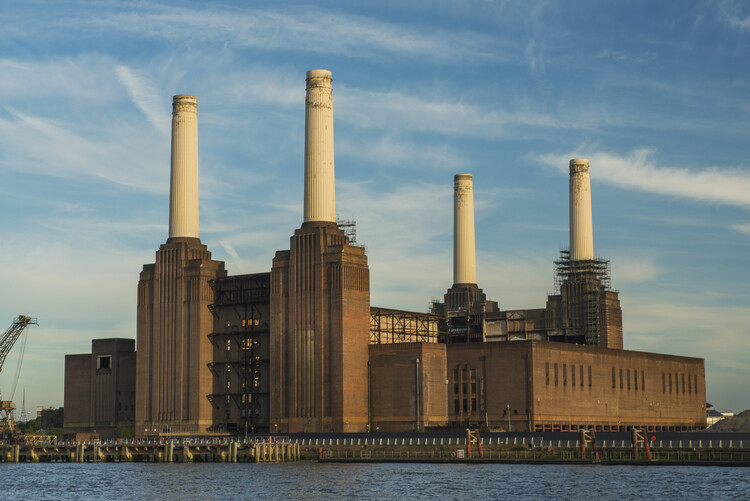
Battersea Power Station is a former coal-fired power station located on the south bank of the River Thames in London, originally designed by architects J. Theo Halliday and Giles Gilbert Scott. Notable for its appearance on the cover of Pink Floyd's 1977 studio album Animals and in Alfred Hitchcock's 1936 film Sabotage, the station is one of the world's largest brick buildings and is known for its Art Deco interior fittings and décor. Recognized today as part of modern industrial heritage, the site's transformation into a commercial development began in 2012, with the adaptive reuse guided by a masterplan designed by Rafael Viñoly. On February 16, Battersea Power Station announced the appointment of the strategic urban design practice Studio Egret West to evolve the original masterplan for the remaining 16 acres of the 42-acre riverside neighbourhood in the southwest London.
Every year brings new ideas, projects, and shifts in architectural culture, but it also marks the loss of voices that have shaped the discipline across decades. Architecture moves forward, but it also advances through absence. When figures who helped articulate its language and its ambitions disappear, they leave behind more than completed works or influential texts. Their absence becomes a threshold, a moment in which the discipline pauses to understand what remains, what evolves, and what continues to guide us. These moments of loss remind us that architecture is a long, collective construction, carried not only by those shaping the present but also by those whose visions continue to orient how we think about cities and landscapes.
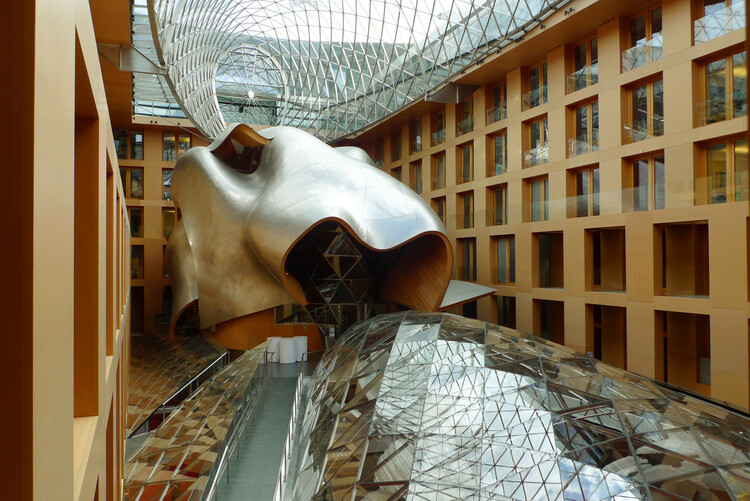
The architects and thinkers we lost in 2025 came from remarkably different worlds, yet the questions that shaped their work often intersected. Some approached the city through identity, symbolism, and historical continuity, seeking to ground the built environment in cultural memory. Others interpreted it through engineering precision, ecological systems, or radical experimentation, expanding what architecture could be and how it could be experienced. Their work spans contexts as diverse as postwar Britain, rapidly urbanizing China, Central European avant-gardes, and the evolving cultural institutions of Berlin and New York. Together, they form a spectrum of responses that defined, and continue to define, architectural culture over the last half-century, revealing the multiplicity of ways in which architecture can engage with society, technology, and the environment.
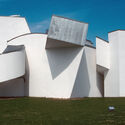
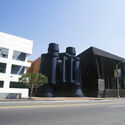
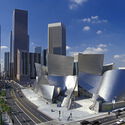
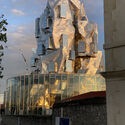
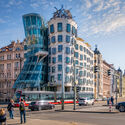
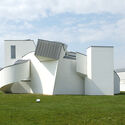
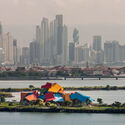
Following the news of Frank Gehry's passing at age 96, renewed attention has been directed toward a career that significantly shaped architectural discourse from the late 20th century onward. Over more than seven decades, Gehry developed a design language defined by material experimentation, iterative model-making, and an interest in fluid, expressive forms. His work ranges from early residential interventions in Southern California to major cultural institutions that have contributed to the identity of cities around the world. Together, these projects outline a trajectory that intersected with shifts in fabrication technologies, museum typologies, and urban redevelopment strategies.
Examining the houses that architects designed for themselves can provide insight into their design process, priorities, and philosophy. While often reduced in scale, these personal residences offer a peek into the architects' mindsets and the way in which they translate their ideas into lived spaces without having client-imposed restrictions on the end result. The structures also reflect their creators' personal values, lifestyles, and aesthetic preferences.
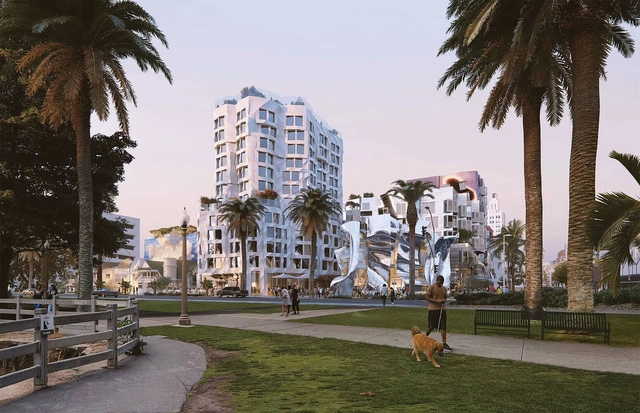
These projects are often experiments and testing grounds for their own design principles, pushing the boundaries of architectural expression. From Ray and Charles Eames, who ended up spending their lives in an experimental house created for prefabrication, to Frank Gehry, who used his Santa Monica Dutch colonial house to test out the ideas of deconstructivism that would later come to define his career, these projects represent showcase a different face of the design process of world-renowned architects.
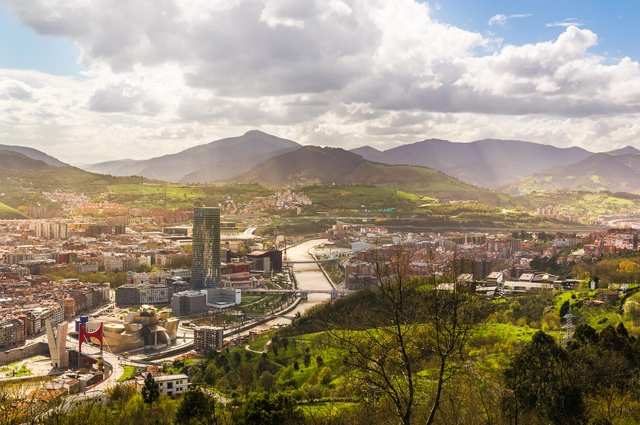
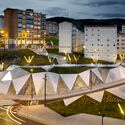
Bilbao, the largest city in Spain's Basque Country, has undergone a remarkable transformation over the past few decades. Once an industrial hub, the city has redefined itself as a center for culture, innovation, and urban regeneration. This evolution has been partly driven by architecture, which plays a central role in shaping Bilbao's identity. From contemporary landmarks to thoughtfully repurposed spaces, the city's built environment reflects a careful balance between honoring its industrial heritage and embracing modernity.
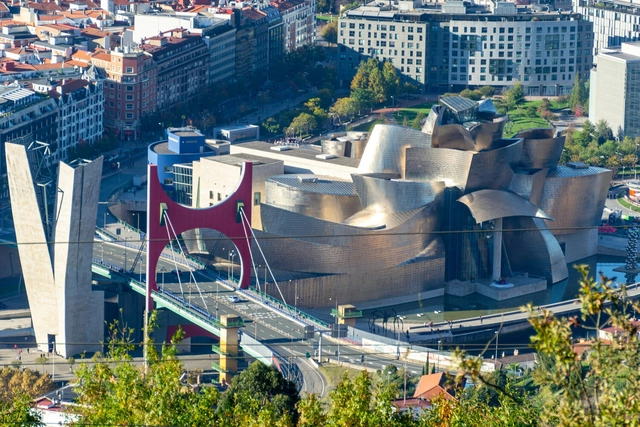
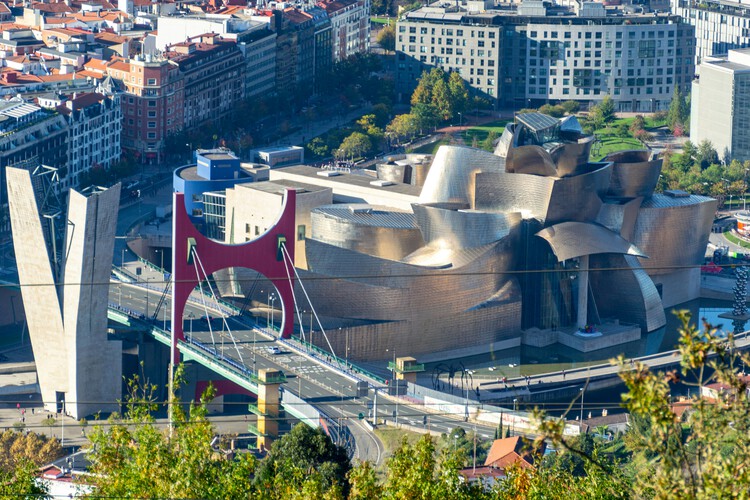
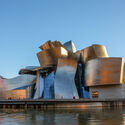
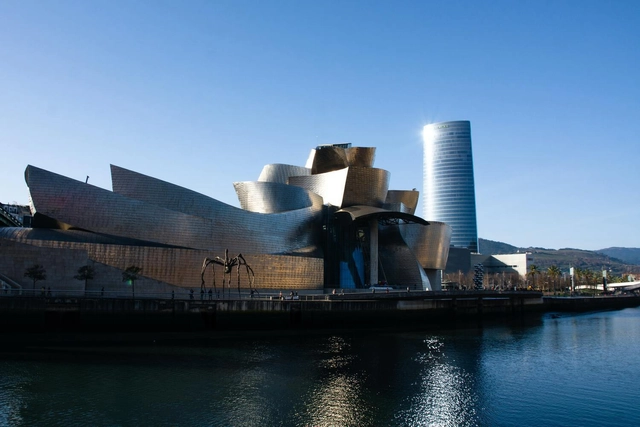
The turning point in Bilbao's architectural narrative came with the inauguration of the Guggenheim Museum Bilbao in 1997. Designed by Gehry Partners, this iconic structure catalyzed the city's renewal, sparking a wave of urban and cultural investments. This transformation became known as the "Bilbao effect," a phenomenon where a single, significant architectural project triggers wider urban regeneration and economic growth. Today, Bilbao is a dynamic architectural landscape, where works by international figures like Santiago Calatrava, Norman Foster, and Arata Isozaki coexist with projects by local studios such as ACXT and Coll-Barreu Arquitectos. Together, these interventions illustrate how architecture can be a powerful social, economic, and cultural revitalization tool.
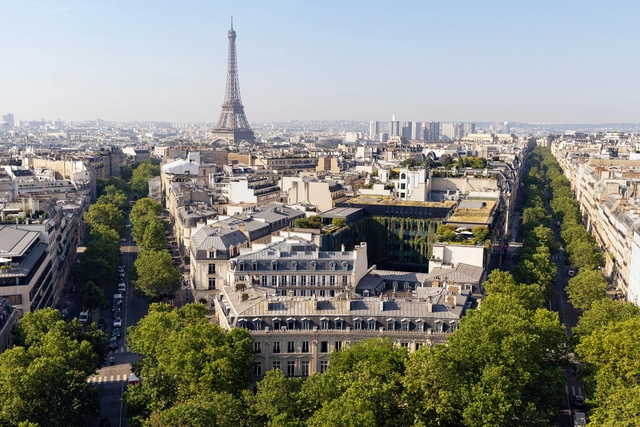
In 1900, Paris hosted its first Olympic games. It had been the second city to host them after the first Olympics in Athens. It was also the year of the Exposition Universelle, where the city would again showcase how it remade itself anew in less than 30 years. To this day, Paris remains a hub for all sorts of architectural innovation and development through bold designs that affect how people live and new materials and techniques. It fascinatingly juxtaposes grandeur and monumentalism with its predominately baroque, “second empire,” and art nouveau works; while also pushing for designs that strive for social living reforms such as in Le Corbusier’s experimental works or Lacaton & Vassal’s considerate interventions.
It’s this openness to the world that attracts not only millions of visitors a year but also innovators and architects who have set up shop in Paris and made it their second home. Once again, the city reworks itself as mass construction, renovation, and restoration sites culminate all over the city to host international athletes at the 2024 Olympics.
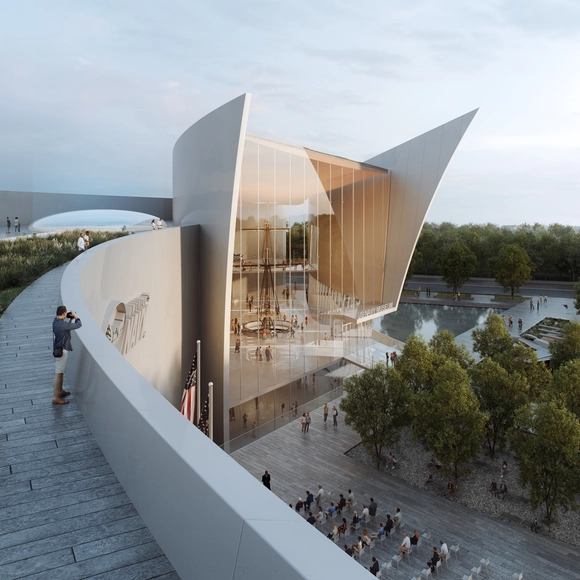
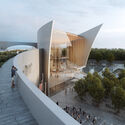
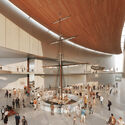
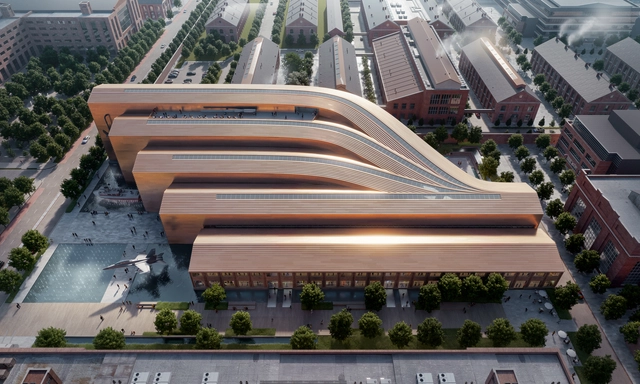
Perkins&Will has been selected as one of the five finalists in the nationwide artistic ideas competition for the design of the new National Museum of the U.S. Navy. The other finalists are DLR Group, Frank Gehry Partners, Quinn Evans, and BIG. Organised by the Naval Heritage History and Command’s (NHHC), the competition’s aim is to create a modern museum for Naval veterans and the public, a new building and ceremonial courtyard to reflect the Navy’s values and legacy. The campus would consist of approximately 270,000 square feet, with 100,000 square feet of gallery space. The Navy’s preferred location for the museum is on a site adjacent to the Washington Navy Yard.
Bjarke Ingels Group (BIG) was selected as one of the finalists in the Naval Heritage History and Command’s (NHHC) competition for the design of the new National Museum of the U.S. Navy. The competition’s aim is to create a publicly accessible modern museum for Naval veterans and the public, a memorial to the U.S. Navy’s heritage, and a center for education and cultural events. The other finalists are DLR Group, Frank Gehry Partners, Quinn Evans, and Perkins&Will.
While the city of Berlin has a long history, dating back to the 13th century, its architecture and urban fabric has undergone the most significant changes during the last century, reflecting the impact of major historical events that took place in the German capital. During the early 20th century, Berlin transformed into a modern metropolis, marked through the construction of grand buildings and imposing structures to demonstrate the city’s growing economic and political power. The 1920s and 1930s saw the emergence of the Modernist movement, which, together with the Bauhaus school of architecture founded in 1919, influenced the image and urban fabric of Berlin.
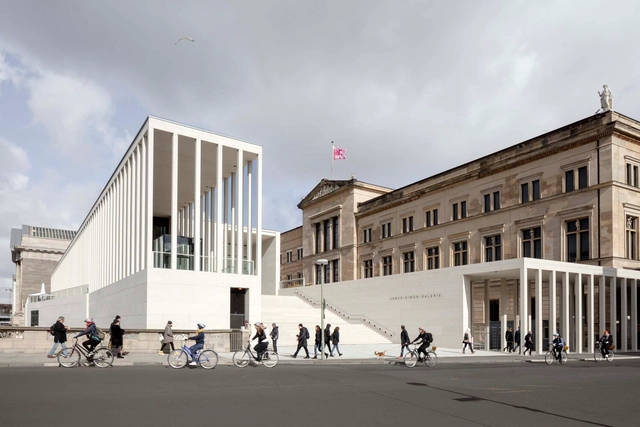
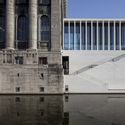
During the Second World War the city was heavily bombed, resulting in the destruction of many historical buildings. During the post-war period, reconstruction efforts focused on rebuilding infrastructure and housing, while the city remained divided until 1989, with the fall of the Berlin wall. After this period, Berlin witnessed a renewed interest in architecture and urban design. Interventions such as David Chipperfield’s Neues Museum aimed to rebuild historical monuments without erasing the markings of their difficult past. Other projects such as the renovation of the Reichstag had a different purpose. Norman Foster’s intervention intended to keep the image of this building but change its symbolism from a structure representative for the Nazi regime to one embracing the ideals of democracy and equality.
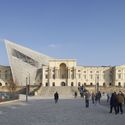
Museums reveal local and shared heritage. As cultural institutions embedded in the fabric of modern life, each museum serves as a window into history and human exchange. Made to promote understanding and provoke new ideas, these monumental buildings are inspired by spatial exploration. With some of the most influential museum projects in the world, Germany is home to a range of diverse institutions showcasing unique approaches to curating, taxonomy and spatial organization.
The Guggenheim Museum in Bilbao is celebrating its 25th anniversary this October 2022. Set on the edge of the Nervión River in the Basque Country, Spain, Frank Gehry's Guggenheim boosted the city's economy with its astounding success and changed the museum's role in city development. Twenty-five years on, the Bilbao Effect continues to challenge assumptions about urban transformations and inspires the construction of iconic pieces of architecture that uplift cities' status, calling investors and visitors.
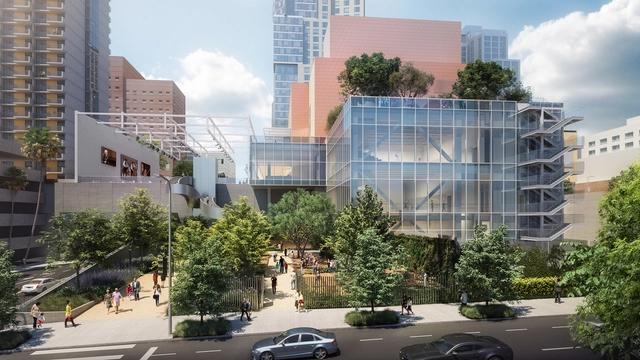
Rendering of the Colburn Center at the Colburn School. View from Hill Street West towards dance school entrance, adjacent park, and stairs leading up to Olive Street and public plaza.. Image Courtesy of Gehry Partners
The Colburn School, Los Angeles' renowned school for music and dance, has unveiled architectural designs by Frank Gehry for the Colburn Center, a 100,000 square-foot campus expansion that aims to inspire and promote the region’s young performing artists and organizations. The center will serve as a cultural and civic hub in the heart of Downtown LA through public programs, as well as performance and educational collaborations with local and touring artists.
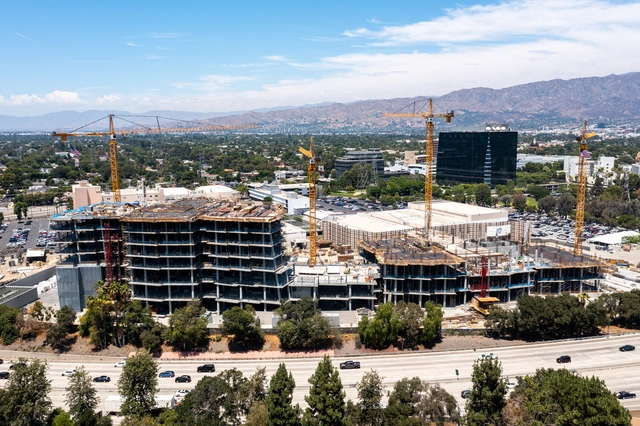
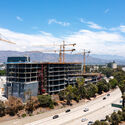
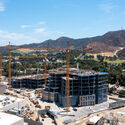
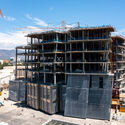
Construction is underway for Gehry Partners' Second Century Project, which will house the new headquarters of Warner Bros. After breaking ground in early 2020, the project now has its structural framework in place, and the façade is currently taking shape. Set for completion in 2023, in time for the production company's centennial, the design features a series of mid-rise, slanted office towers grouped within two distinct structures resembling "icebergs floating along the freeway".
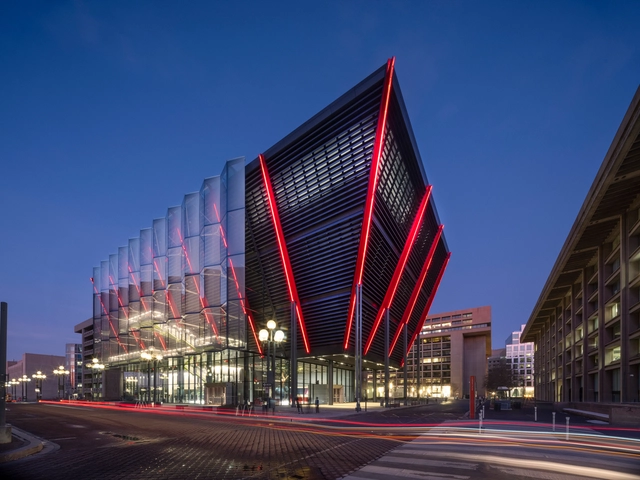
Washington D.C. has earned a reputation for iconic architecture. Emerging from the L'Enfant and McMillan Plans, Washington’s cityscape includes wide streets and low-rise buildings that sprawl out from circles and rectangular plazas. From the White House to Lincoln Memorial, Washington’s architecture was built to symbolize the nation’s values. Today, new projects are designed to rethink the city’s morphology while respecting its identity.