1. ArchDaily
  2. Geoffrey Bawa

Geoffrey Bawa: The Latest Architecture and News

Tropical Modernism Beyond Aesthetics: The Politics of Shade and Air

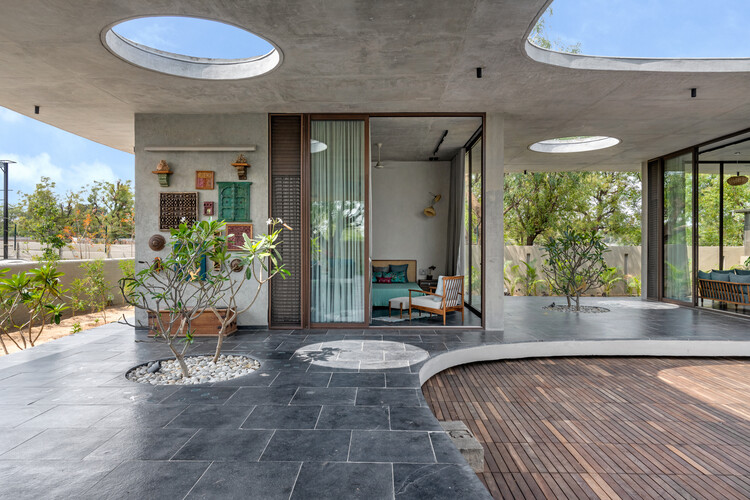
The image is familiar, a façade layered with brise-soleil, light softened into a patterned shadow, interiors kept cool without machines. It appears as intelligence made visible, architecture that understands the sun. This image is rarely examined closely. The same devices that temper heat also organize access, distribute comfort, and depend on particular forms of labor. What looks like a climatic response is also a decision about who gets relief from heat, and how. Tropical modernism, often reduced to a visual language of shade and porosity, emerges instead as a set of situated practices where climate, labor, and power are negotiated differently across contexts.

At the scale of the element, tropical modernism begins as a technical problem. In hot climates, solar radiation is not incidental but constant, requiring buildings to mediate light, heat, and air before they reach the interior. Architects like Maxwell Fry and Jane Drew approached this with a level of precision that resists any reading of these elements as decorative. Shading devices are calibrated according to solar angles, orientation, and seasonal variation. Brise-soleil are dimensioned to block high-angle sun while admitting diffuse light; overhangs extend just enough to prevent direct gain at peak hours; openings are aligned to encourage cross-ventilation. Mid-century research further tested these strategies, measuring temperature reductions and airflow improvements. In this sense, the language of tropical modernism is not symbolic. It is performative: each projection, void, and screen is part of an environmental system.

Tropical Modernism Beyond Aesthetics: The Politics of Shade and Air  - Image 1 of 4Tropical Modernism Beyond Aesthetics: The Politics of Shade and Air  - Image 2 of 4Tropical Modernism Beyond Aesthetics: The Politics of Shade and Air  - Image 3 of 4Tropical Modernism Beyond Aesthetics: The Politics of Shade and Air  - Image 4 of 4Tropical Modernism Beyond Aesthetics: The Politics of Shade and Air  - More Images+ 7

Graham Foundation Supports 38 Projects, Exhibitions, Publications and Public Programs Focusing on Architecture's Role in Culture Creation

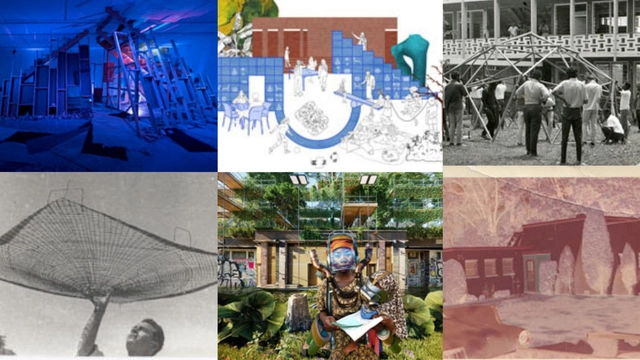
The Graham Foundation announced awards to organizations worldwide, supporting 38 different projects. The projects range from exhibitions, publications, and other activations serving the public through arts and culture. Together, these projects examine various topics, platforms, and issues in contemporary architecture discourse and showcase the work of architects, artists, curators, designers, educators, and other professionals working with organizations around the world in places like Chicago, Los Angeles, Tijuana, and Beirut.

Graham Foundation Supports 38 Projects, Exhibitions, Publications and Public Programs Focusing on Architecture's Role in Culture Creation - Image 5 of 4Graham Foundation Supports 38 Projects, Exhibitions, Publications and Public Programs Focusing on Architecture's Role in Culture Creation - Image 4 of 4Graham Foundation Supports 38 Projects, Exhibitions, Publications and Public Programs Focusing on Architecture's Role in Culture Creation - Image 3 of 4Graham Foundation Supports 38 Projects, Exhibitions, Publications and Public Programs Focusing on Architecture's Role in Culture Creation - Image 2 of 4Graham Foundation Supports 38 Projects, Exhibitions, Publications and Public Programs Focusing on Architecture's Role in Culture Creation - More Images+ 2

The Legacy of Modernist Architecture in Tanzania: Anthony Almeida and Beda Amuli

Subscriber Access | 

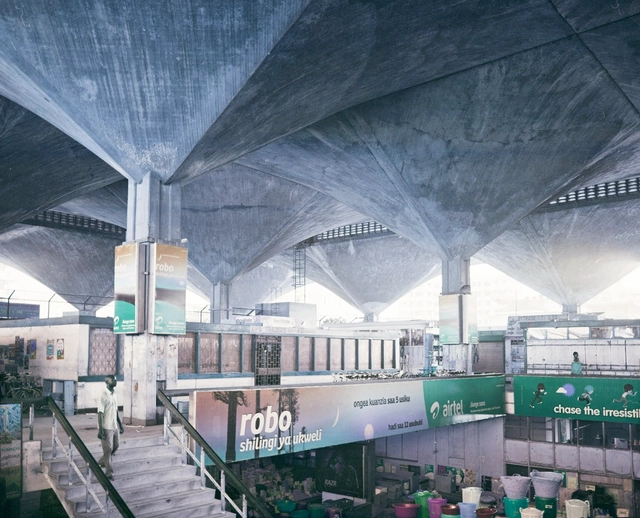
The legacy of the Modernist movement is a complicated one. Spanning a diverse assortment of fiercely debated sub-categories and styles, the Modernist style has established its presence in virtually every continent. Although the movement's origins may be rooted in Europe and the U.S., outside of the Eurocentric canon architects have redefined and re-established the definition of a "Modernist" building. In Sri Lanka, for example, architect Geoffrey Bawa's sensitive, nature-inspired architectural responses gave rise to the "Tropical Modernism" label. Over in the African continent, it is in the East-African country of Tanzania that some highly unique examples of Modernist architecture are found – headed by architects Anthony Almeida and Beda Amuli.

The Legacy of Modernist Architecture in Tanzania: Anthony Almeida and Beda Amuli - Image 1 of 4The Legacy of Modernist Architecture in Tanzania: Anthony Almeida and Beda Amuli - Image 2 of 4The Legacy of Modernist Architecture in Tanzania: Anthony Almeida and Beda Amuli - Image 3 of 4The Legacy of Modernist Architecture in Tanzania: Anthony Almeida and Beda Amuli - Image 4 of 4The Legacy of Modernist Architecture in Tanzania: Anthony Almeida and Beda Amuli - More Images+ 12

LGBTQIA+ Architecture: 10 Professionals From the Global South

How many LGBTQIA+ architects do you know? Surely you went to school with someone but probably never heard a professor mention one of them. Bringing up these names is key to understanding the fundamental role this population plays in the field of architectural theory and practice. This reveals their experiences more clearly, how they incorporate their identities into design and debates about architecture and urban planning. This is key for any person who identifies as LGBTQIA+ to feel comfortable expressing their individuality and their abilities in the profession.

Spotlight: Geoffrey Bawa

Spotlight: Geoffrey Bawa - Featured Image
A courtyard in Bawa's campus for the University of Ruhuna. Image © Harry Sowden

Despite his late entry into architecture, Geoffrey Manning Bawa FRIBA, (July 23, 1919 – May 27, 2003), explored modernism and its cultural implications and created a unique, recognizable style of design which had a lasting impact on architects across the world. Well versed in Modernist theory, Bawa was one of the original proponents of Tropical Modernism, a design movement in which sensitivity for local context combines with the form-making principles of modernism. Bawa’s architecture led to the formation of a new architectural identity and aesthetic for many tropical environments, and won him recognition and awards, including the Chairman’s Award of the Aga Kahn Special Chairman’s Award for Architecture (2001) and the title Deshamanya, in recognition of his contributions to his country by the government of Sri Lanka.

Spotlight: Geoffrey Bawa - Image 1 of 4Spotlight: Geoffrey Bawa - Image 2 of 4Spotlight: Geoffrey Bawa - Image 3 of 4Spotlight: Geoffrey Bawa - Image 4 of 4Spotlight: Geoffrey Bawa - More Images+ 10

Remembering Bawa

Subscriber Access | 

In this article, originally published in Indian Architect & Builder, architect and writer David Robson pens an intimate and personal account of the life and work of Geoffrey Bawa – an incredible architect with an un-paralleled legacy in Sri Lanka and south-east India.

Ten years have rolled by since Geoffrey Bawa’s death and fifteen since ill-health forced him to hang up his tee-square. It's time to take stock: what was his legacy? How were his ideas disseminated? What influence has he had? What were his qualities? Who was Geoffrey Bawa?

Remembering Bawa - Image 1 of 4Remembering Bawa - Image 2 of 4Remembering Bawa - Image 3 of 4Remembering Bawa - Image 4 of 4Remembering Bawa - More Images+ 53