1. ArchDaily
  2. Glass Buildings

Glass Buildings: The Latest Architecture and News

Oil, Glass, and Identity: Gulf Modernism Between Global Image and Local Climate

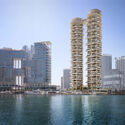
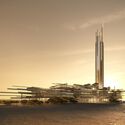
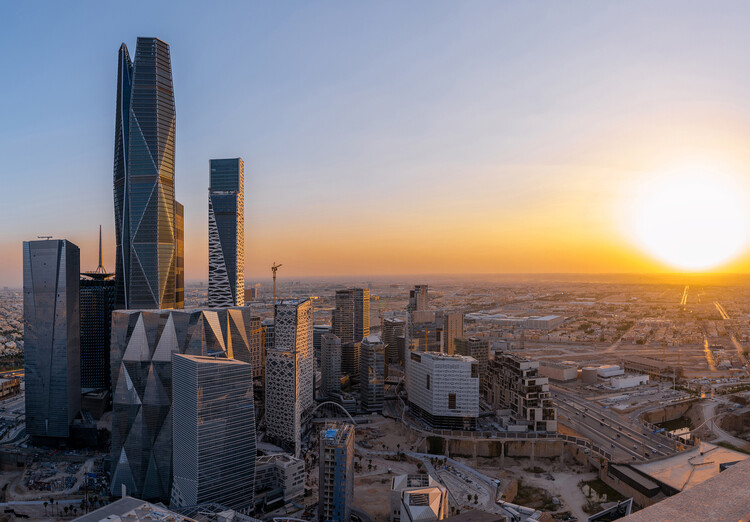
Step from the heat of Dubai into the lobby of a glass tower, and the desert seems to disappear. Outside, temperatures climb past 45 degrees Celsius; inside, the air is cold, sealed, and perfectly controlled. For decades, this contrast became the defining image of Gulf modernity. Architecture became less a negotiation with climate, and more a demonstration that climate could be overcome. Towers of reflective glass rose from the desert as symbols of arrival, projecting financial power, technological confidence, and global ambition. Beneath this urban image sat an infrastructure built on oil, cheap energy, and the continuous mechanical suppression of heat.
Oil, Glass, and Identity: Gulf Modernism Between Global Image and Local Climate - Image 1 of 4Oil, Glass, and Identity: Gulf Modernism Between Global Image and Local Climate - Image 2 of 4Oil, Glass, and Identity: Gulf Modernism Between Global Image and Local Climate - Image 3 of 4Oil, Glass, and Identity: Gulf Modernism Between Global Image and Local Climate - Image 4 of 4Oil, Glass, and Identity: Gulf Modernism Between Global Image and Local Climate - More Images+ 8

Hong Kong's Queensway Reimagined: Sara Klomps on the Genesis and Ambition of The Henderson by Zaha Hadid Architects

Subscriber Access | 

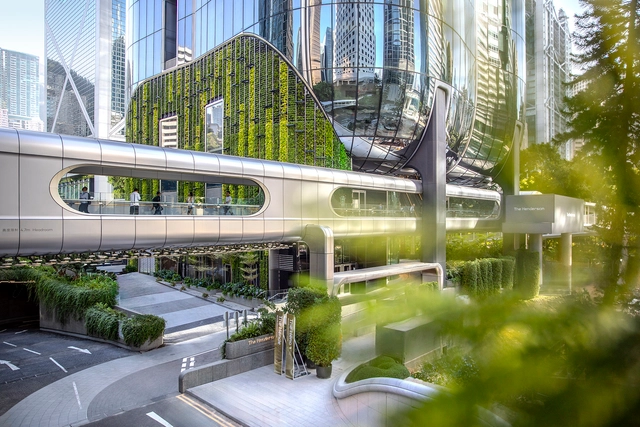
Architectural landmarks often cluster together. In Tokyo, the iconic Omotesando is a well-known stretch where global "starchitects" built flagship luxury retail spaces in the 2000s. Hong Kong has a lesser-known but equally powerful architectural agglomeration along Queensway—though historically more corporate and less publicly engaging. Beginning in the 1980s, this corridor became home to a series of landmark buildings by some of the world's most prominent architects: Norman Foster's HSBC Headquarters, I.M. Pei's Bank of China Tower, Paul Rudolph's Lippo Centre, and the nearby Murray Building by Ron Phillips—now revitalized as a hotel by Foster + Partners. The area is further enriched later on by Heatherwick Studio's renovation of Pacific Place and Tod Williams Billie Tsien Architects' Asia Society Hong Kong Center.

Hong Kong's Queensway Reimagined: Sara Klomps on the Genesis and Ambition of The Henderson by Zaha Hadid Architects - Image 1 of 4Hong Kong's Queensway Reimagined: Sara Klomps on the Genesis and Ambition of The Henderson by Zaha Hadid Architects - Image 2 of 4Hong Kong's Queensway Reimagined: Sara Klomps on the Genesis and Ambition of The Henderson by Zaha Hadid Architects - Image 3 of 4Hong Kong's Queensway Reimagined: Sara Klomps on the Genesis and Ambition of The Henderson by Zaha Hadid Architects - Image 4 of 4Hong Kong's Queensway Reimagined: Sara Klomps on the Genesis and Ambition of The Henderson by Zaha Hadid Architects - More Images+ 7

Revisiting Skyscraper Design: The Benefits of Responsive Facades and Passive Designs

Subscriber Access | 

Our contemporary society has been witnessing a surge in skyscraper construction in urban centers worldwide for various reasons—including engineering advancements, increased urban density, space constraints, and, arguably, a competitive drive for building the tallest structures. The allure of all-glass facades and the pursuit of curtain walls with larger panes of continuous glass have often come at the cost of functionality.

In these towers, operable windows are sacrificed for aesthetics and expansive views, with a central core layout that maximizes 360-degree views while creating architectural "solar heat-gain monsters." Without natural or cross ventilation, these glass skyscrapers trap significant heat from solar radiation within habitable spaces, relying almost exclusively on mechanical HVAC systems to cool these spaces. This raises the question: is passive ventilation strategy becoming obsolete in high-rise design, or can operable systems be integrated effectively into our high-tech towers?

Revisiting Skyscraper Design: The Benefits of Responsive Facades and Passive Designs - Image 1 of 4Revisiting Skyscraper Design: The Benefits of Responsive Facades and Passive Designs - Image 2 of 4Revisiting Skyscraper Design: The Benefits of Responsive Facades and Passive Designs - Image 3 of 4Revisiting Skyscraper Design: The Benefits of Responsive Facades and Passive Designs - Image 4 of 4Revisiting Skyscraper Design: The Benefits of Responsive Facades and Passive Designs - More Images+ 24

Architectural Details of the Bauhaus Movement: Revisiting the Glass Corners and Tubular Steel Construction

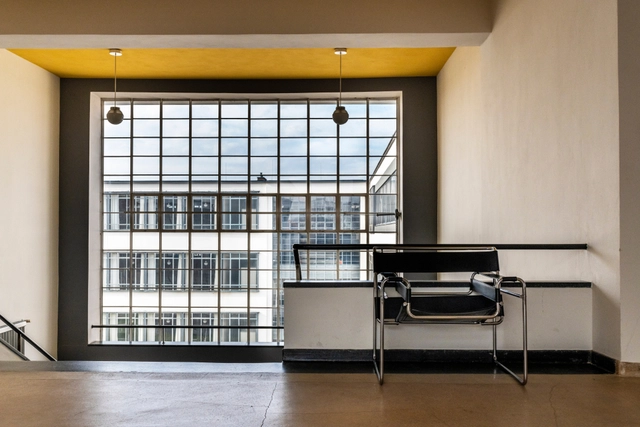
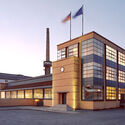
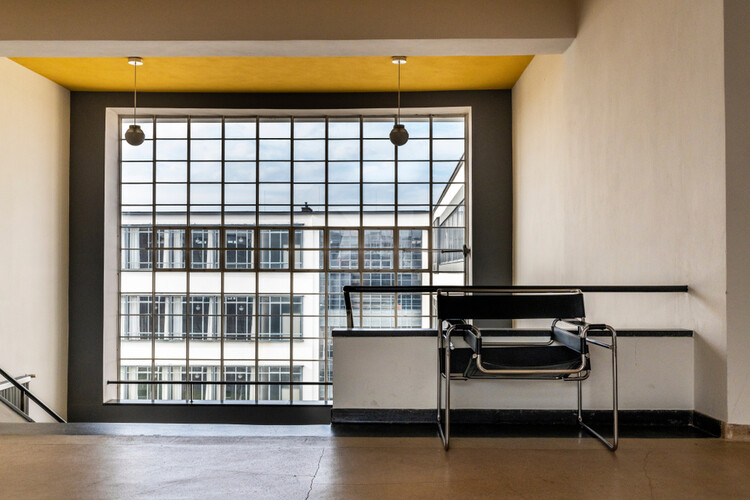
Bauhaus's designs have influenced our contemporary society in obvious and subtle ways. Iconic examples include Marcel Breuer’s Wassily Chair, the B55 Chair, the Bauhaus typeface, and the graphic design principles emphasizing clean lines, primary colors, and geometric shapes. However, the architectural construction details of the Bauhaus movement are much less discussed. While most can readily identify modern or Bauhaus buildings by their geometric forms, functionality, and industrial materials, their architectural details are often overlooked. They not only echo the design language of Breuer’s renowned furniture pieces but also have influenced the much-celebrated architectural glass details of Mies van der Rohe. How were Bauhaus's details executed, and how might they be translated into contemporary details today?

 Architectural Details of the Bauhaus Movement: Revisiting the Glass Corners and Tubular Steel Construction - Image 1 of 4 Architectural Details of the Bauhaus Movement: Revisiting the Glass Corners and Tubular Steel Construction - Image 2 of 4 Architectural Details of the Bauhaus Movement: Revisiting the Glass Corners and Tubular Steel Construction - Image 3 of 4 Architectural Details of the Bauhaus Movement: Revisiting the Glass Corners and Tubular Steel Construction - Image 4 of 4 Architectural Details of the Bauhaus Movement: Revisiting the Glass Corners and Tubular Steel Construction - More Images+ 15

World's Tallest Skyscraper Resumes Construction After a 5-Year Hiatus in Jeddah, Saudi Arabia

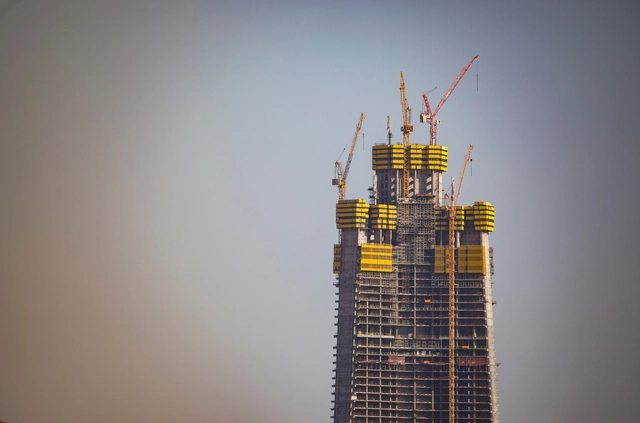
After a five-year pause, construction on the Jeddah Tower has resumed. Set to become the world’s tallest skyscraper and beat the UAE’s Burj Khalifa, the tower was designed by Adrian Smith + Gordon Gill Architecture and initially began construction in 2013. Interestingly, the Burj Khalifa was also designed by Adrian Smith while at Skidmore, Owings & Merrill. The scheme faced many delays, including a pause in 2018 and further setbacks due to the COVID-19 pandemic. Furthermore, the initial contractor was replaced during the 2017-2019 Saudi Arabian purge.

World's Tallest Skyscraper Resumes Construction After a 5-Year Hiatus in Jeddah, Saudi Arabia - Image 1 of 4World's Tallest Skyscraper Resumes Construction After a 5-Year Hiatus in Jeddah, Saudi Arabia - Image 2 of 4World's Tallest Skyscraper Resumes Construction After a 5-Year Hiatus in Jeddah, Saudi Arabia - Image 3 of 4World's Tallest Skyscraper Resumes Construction After a 5-Year Hiatus in Jeddah, Saudi Arabia - Image 4 of 4World's Tallest Skyscraper Resumes Construction After a 5-Year Hiatus in Jeddah, Saudi Arabia - More Images+ 1

Uxolo Apartments / Two Five Five Architects

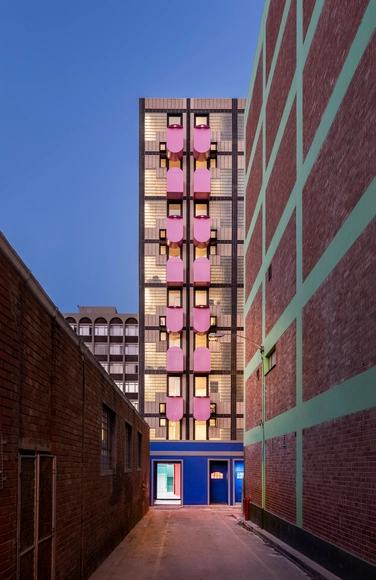
Uxolo Apartments / Two Five Five Architects - Exterior Photography, ResidentialUxolo Apartments / Two Five Five Architects - Interior Photography, Residential, KitchenUxolo Apartments / Two Five Five Architects - Interior Photography, Residential, Kitchen, FacadeUxolo Apartments / Two Five Five Architects - Exterior Photography, ResidentialUxolo Apartments / Two Five Five Architects - More Images+ 43

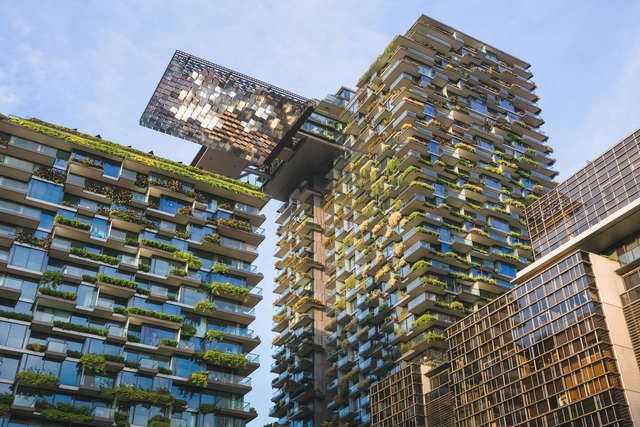
The Future of Glass Construction in a Warmer World: A Selection of Glazed but Efficient Projects

If you’ve been avoiding some of the latest news recently, here’s a quick update; European and North American countries have been facing one of the hottest recorded summers in modern history. Discussions over the climate crises have therefore been reignited and so has the role of the design and construction industry in providing solutions that would mitigate the experienced heat effects in our daily lives. While passive cooling solutions have always been used in some parts of the world, where local resources and vernacular builds are adapted to high temperatures, other regions are looking to technological and innovative manufacturing means that would maintain human comfort, aesthetic values, and energy efficiency/ cost. 

Although early modernism with its signature high-rises and glass houses had made us think that glass enveloped buildings are mostly uncomfortable, over-exposed, and overheating settings; nowadays glass manufacturers are proving that glass, if well treated and well-placed, can be as versatile and efficient a material as one could want without compromising the visual comfort or the dwellers. 

The Future of Glass Construction in a Warmer World: A Selection of Glazed but Efficient Projects - Image 1 of 4The Future of Glass Construction in a Warmer World: A Selection of Glazed but Efficient Projects - Image 27 of 4The Future of Glass Construction in a Warmer World: A Selection of Glazed but Efficient Projects - Image 36 of 4The Future of Glass Construction in a Warmer World: A Selection of Glazed but Efficient Projects - Image 10 of 4The Future of Glass Construction in a Warmer World: A Selection of Glazed but Efficient Projects - More Images+ 39

Structure and Translucent Cladding: How to Design a Greenhouse

Subscriber Access | 

Structure and Translucent Cladding: How to Design a Greenhouse - Image 1 of 4Structure and Translucent Cladding: How to Design a Greenhouse - Image 2 of 4Structure and Translucent Cladding: How to Design a Greenhouse - Image 3 of 4Structure and Translucent Cladding: How to Design a Greenhouse - Image 4 of 4Structure and Translucent Cladding: How to Design a Greenhouse - More Images+ 17

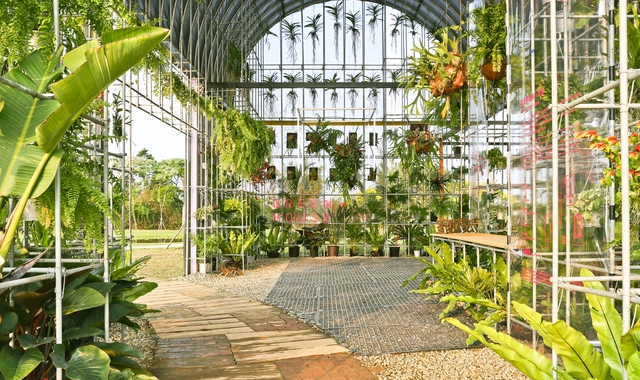
Since at least as early as ancient Roman times, humans have recognized the value of what is now known as controlled environment agriculture, allowing farmers to cultivate plants year-round rather than seasonally. Though they were invented hundreds of years ago, greenhouses continue to be the most popular means of controlled environment agriculture today, with innovations in technology and design having improved both the beauty and efficacy of this typology. Below, we will explore in detail the history and structure of the greenhouse, as well as several examples of innovative and experimental greenhouse design.