1. ArchDaily
  2. Habitat for Humanity

Habitat for Humanity: The Latest Architecture and News

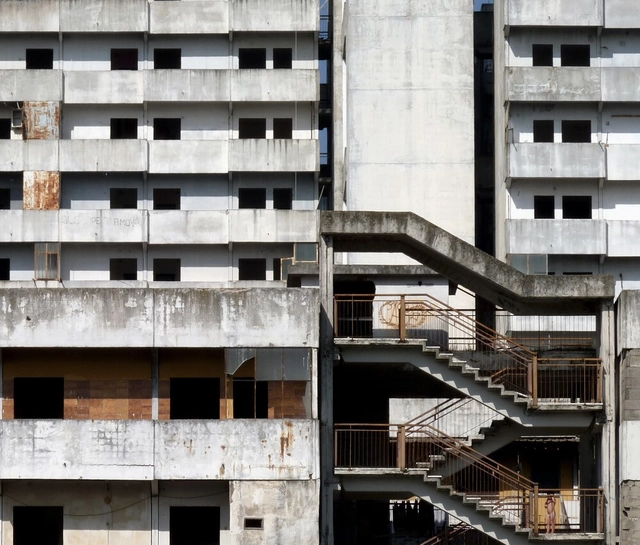
Maximizing Dilapidated Infrastructure: The Potential of Repurposing Abandoned Buildings into Social Housing

As the demand for affordable housing grows and the availability of low-cost properties diminishes, stakeholders in housing must become more innovative in their approach to social housing development. One opportunity lies in restoring and repurposing abandoned buildings. While building new houses remains the primary strategy for Housing Authorities and Associations, rehabilitating derelict buildings can be a more economical option. This approach not only maximizes the use of dilapidating infrastructure but also provides an economic opportunity to increase affordable housing within the city. Although rehabilitating derelict residential buildings may seem like an obvious solution, it becomes even more crucial when considering abandoned commercial, institutional, or historical buildings for social housing.

Maximizing Dilapidated Infrastructure: The Potential of Repurposing Abandoned Buildings into Social Housing - Image 1 of 4Maximizing Dilapidated Infrastructure: The Potential of Repurposing Abandoned Buildings into Social Housing - Image 2 of 4Maximizing Dilapidated Infrastructure: The Potential of Repurposing Abandoned Buildings into Social Housing - Image 3 of 4Maximizing Dilapidated Infrastructure: The Potential of Repurposing Abandoned Buildings into Social Housing - Image 4 of 4Maximizing Dilapidated Infrastructure: The Potential of Repurposing Abandoned Buildings into Social Housing - More Images+ 1

Reflections on Architecture, Society and Politics: Social and Cultural Tectonics in the 21st Century

Reflections on Architecture, Society and Politics brings together a series of thirteen interview-articles by Graham Cairns in collaboration with some of the most prominent polemic thinkers and critical practitioners from the fields of architecture and the social sciences, including Noam Chomsky, Peggy Deamer, Robert A.M. Stern, Daniel Libeskind and Kenneth Frampton.

Architects' Emerging Position

Subscriber Access | 
Architects' Emerging Position  - Image 4 of 4

A few weeks ago, Richard Meier’s four-block-long mixed-use development was approved by Newark’s planning board. The project is a drastic shift for Meier; a break from his New York Five era and the decades of working with exclusive clientele on neo-Corbusian residences and museums. The development brings Meier back to his Newark roots and speaks to the recurring trend of architects designing for the people.

More about project after the break.