1. ArchDaily
  2. Health Centers

Health Centers: The Latest Architecture and News

MASS: A Non-Profit Model for Architecture in Service of Society

Subscriber Access | 

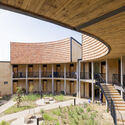
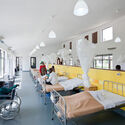
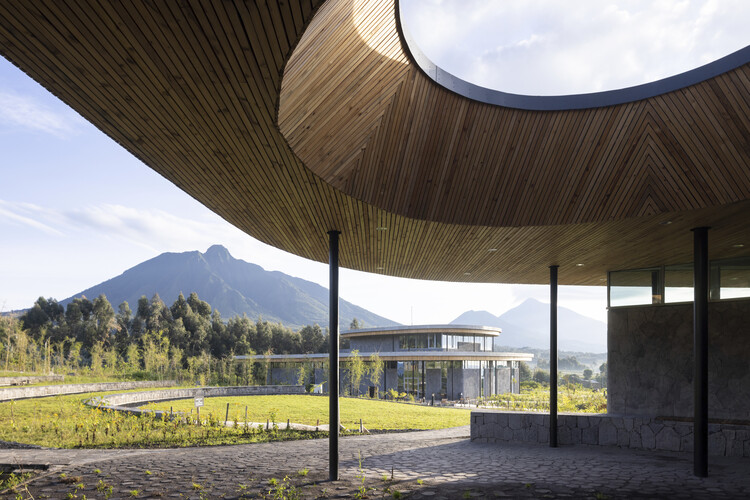
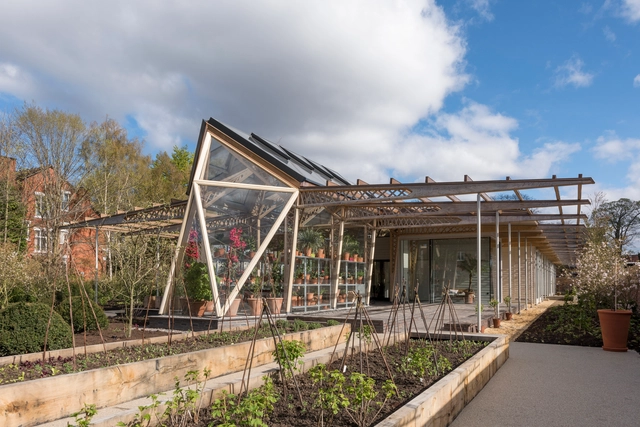
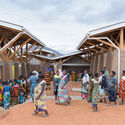
At the time of writing, an article by Martyn Evans asked 'Is Architecture in Crisis?' In the same year, Reinier de Graaf published the book 'Architecture Against Architecture,' where he set out fourteen problems with the profession and discipline. The question of a crisis in architecture is a perennial one. Referring to architecture as a profession, it rears its head especially when economic downturns are expected or in full swing. Simultaneously, there are ongoing questions regarding the effectiveness of architecture at dealing with the pressing matters of the globe and society—housing, climate change, and human development. One venture that attempts to address these questions is MASS, established in Rwanda not long after the 2008 financial crisis. The clue is in the name, which stands for Model of Architecture Serving Society. MASS was created as a different way of practicing architecture.

MASS: A Non-Profit Model for Architecture in Service of Society - Image 1 of 4MASS: A Non-Profit Model for Architecture in Service of Society - Image 2 of 4MASS: A Non-Profit Model for Architecture in Service of Society - Image 3 of 4MASS: A Non-Profit Model for Architecture in Service of Society - Image 4 of 4MASS: A Non-Profit Model for Architecture in Service of Society - More Images+ 8

Quiet Hope: Frank Gehry’s Maggie’s Centre Hong Kong

Subscriber Access | 

Earlier this month, news of Frank Gehry's passing prompted an outpouring of tributes to the architect behind flamboyant museums, concert halls, and sinuous residential complexes. Rather than revisit that well-charted terrain, it is worth pausing on a more contemplative work in his oeuvre: Maggie's Cancer Caring Centre in Hong Kong. Quiet, optimistic, and calibrated for everyday resilience, the building reflects multiple registers of Gehry's intent: a commitment to positivity and survival—and, more personally, an architect's own reckoning with loss and end-of-life care.

The remark reframes Maggie's Hong Kong as more than a commission; it suggests a design process shaped by grief and turned toward comfort, dignity, and the possibility of hope—an ethos that aligns closely with the organization's mission.

Quiet Hope: Frank Gehry’s Maggie’s Centre Hong Kong - Image 1 of 4Quiet Hope: Frank Gehry’s Maggie’s Centre Hong Kong - Image 2 of 4Quiet Hope: Frank Gehry’s Maggie’s Centre Hong Kong - Image 3 of 4Quiet Hope: Frank Gehry’s Maggie’s Centre Hong Kong - Image 4 of 4Quiet Hope: Frank Gehry’s Maggie’s Centre Hong Kong - More Images+ 20

In Pursuit of Health: How Medical Concerns Shaped Modernist Architecture

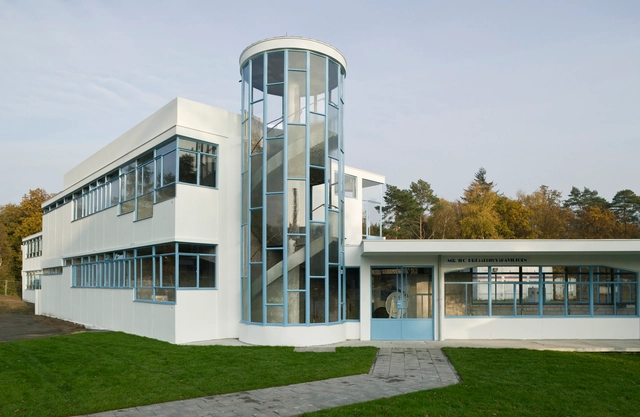
The intersection of architecture and medicine profoundly shaped modernist design, where transparency, light, and air became essential tools in the pursuit of health. Emerging from the tuberculosis crisis of the late 19th and early 20th centuries, the sanatorium evolved beyond a medical facility into a testing ground for architectural innovation. The necessity of fresh air, sunlight, and sterility transformed these spaces into prototypes for modernist principles, influencing spatial organization, material choices, and design philosophies that extended far beyond healthcare.

More than sites of treatment, sanatoriums embodied contemporary medical theories in built form. At a time when tuberculosis — often called the white plague — devastated populations worldwide, medical professionals prescribed environmental exposure as the primary therapy. Architecture adapted accordingly, producing buildings with expansive terraces, large windows, and streamlined interiors designed to optimize ventilation and maximize natural light.

In Pursuit of Health: How Medical Concerns Shaped Modernist Architecture - Image 1 of 4In Pursuit of Health: How Medical Concerns Shaped Modernist Architecture - Image 2 of 4In Pursuit of Health: How Medical Concerns Shaped Modernist Architecture - Image 3 of 4In Pursuit of Health: How Medical Concerns Shaped Modernist Architecture - Image 4 of 4In Pursuit of Health: How Medical Concerns Shaped Modernist Architecture - More Images+ 28

Designing with Empathy: Architecture for Social Equity

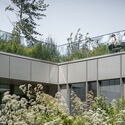
Architecture has long been understood as a powerful tool for shaping the physical environment and social dynamics within it. However, its potential to foster social equity is often overlooked. Empathy-driven design invites architects to approach their work not only as creators of space but as facilitators of human connection and community well-being. This approach centers on understanding people's lived experiences, struggles, and aspirations — particularly marginalized communities — and responding to their needs through thoughtful, inclusive architecture. It goes beyond aesthetics and functionality, instead focusing on creating spaces fostering dignity, accessibility, and social equity. By prioritizing empathy, architects can design environments that uplift communities, address disparities, and create inclusive spaces that promote positive societal change in a tangible, human-centered way.
Designing with Empathy: Architecture for Social Equity - Image 1 of 4Designing with Empathy: Architecture for Social Equity - Image 2 of 4Designing with Empathy: Architecture for Social Equity - Image 3 of 4Designing with Empathy: Architecture for Social Equity - Image 4 of 4Designing with Empathy: Architecture for Social Equity - More Images+ 13

Green Therapy: How Does Nature Contribute to Healing Hospitalized Patients?

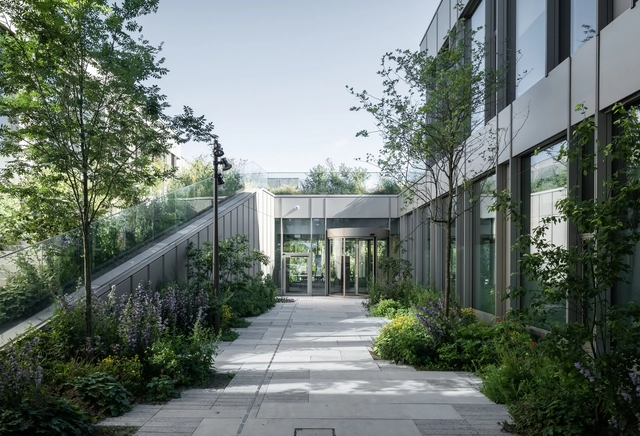
Connection with nature has become increasingly important in architectural theory and practice in recent years, especially after the COVID-19 pandemic, which emphasized the role of natural environments in healing. During this time, many scientific studies highlighted the positive effects of green spaces on human well-being, whether in workplaces, homes, or urban areas. With these proven benefits, it is clear that incorporating natural elements into hospital designs is crucial, creating spaces that provide vital support for patients facing physical or mental challenges.

Green Therapy: How Does Nature Contribute to Healing Hospitalized Patients? - Image 4 of 4Green Therapy: How Does Nature Contribute to Healing Hospitalized Patients? - Image 1 of 4Green Therapy: How Does Nature Contribute to Healing Hospitalized Patients? - Image 2 of 4Green Therapy: How Does Nature Contribute to Healing Hospitalized Patients? - Image 3 of 4Green Therapy: How Does Nature Contribute to Healing Hospitalized Patients? - More Images+ 4

White Arkitekter and HPP Selected to Design the New Medical Clinic in Tübingen, Germany

White Arkitekter and HPP Architekten have been selected to design the new medical clinic, NMK, in Tübingen, Germany. Both firms, with vast experience in healthcare design and wood architecture, aim to realize a project in which, the elements of an integral, sustainable overall concept also play an essential role, in addition to the aspects of healing architecture and optimized functional organization. The new Medical Clinic of the University Hospital of Tübingen will be one of the 34 university hospitals in Germany that contributes to the successful combination of high-performance medicine, research, and teaching.

White Arkitekter and HPP Selected to Design the New Medical Clinic in Tübingen, Germany - Image 1 of 4White Arkitekter and HPP Selected to Design the New Medical Clinic in Tübingen, Germany - Image 2 of 4White Arkitekter and HPP Selected to Design the New Medical Clinic in Tübingen, Germany - Image 3 of 4White Arkitekter and HPP Selected to Design the New Medical Clinic in Tübingen, Germany - Image 4 of 4White Arkitekter and HPP Selected to Design the New Medical Clinic in Tübingen, Germany - More Images

What is Salutogenic Architecture?

Subscriber Access | 

At a hospital, patients are always one conversation away from good or bad news. When not being rushed into treatment rooms, the sick are often left to feel stressed about their health. Healthcare workers have one of the most stressful jobs, with sudden changes in patient conditions. The general atmosphere in traditional hospitals seems tense and worrisome, and this has an adverse effect on patients’ well-being.

What is Salutogenic Architecture? - Image 1 of 4What is Salutogenic Architecture? - Image 2 of 4What is Salutogenic Architecture? - Image 3 of 4What is Salutogenic Architecture? - Image 4 of 4What is Salutogenic Architecture? - More Images+ 1

OMA / Reinier de Graaf and Buro Happold Reveal Autonomous Design for Health District in Qatar

OMA / Reinier de Graaf and Buro Happold have unveiled their design for the Al Daayan Health District in Doha, Qatar. The project explores the "potential of modularity, prefabrication, and automation in relation to the rapid changes in medical science" on a 1.3 million-sqm plot with low cost, cross-shaped modular units that are prefabricated on site. In addition to the prefabrication of the units, a local high-tech farm will supply food and medical plants for medicine production, and a solar farm will allow the district to function autonomously.

OMA / Reinier de Graaf and Buro Happold Reveal Autonomous Design for Health District in Qatar - Image 1 of 4OMA / Reinier de Graaf and Buro Happold Reveal Autonomous Design for Health District in Qatar - Image 2 of 4OMA / Reinier de Graaf and Buro Happold Reveal Autonomous Design for Health District in Qatar - Image 3 of 4OMA / Reinier de Graaf and Buro Happold Reveal Autonomous Design for Health District in Qatar - Image 4 of 4OMA / Reinier de Graaf and Buro Happold Reveal Autonomous Design for Health District in Qatar - More Images+ 7

Architect Kim Holden on why Birth is a Design Problem in Design and the City Podcast

In a Design and the City episode - a podcast by reSITE on how to make cities more livable – architect and founder of Doula x Design and co-founder of SHoP Architects Kim Holden discusses how rethinking and redesigning the ways birth is approached can change the outcomes of labor and birth experiences, and improve the qualities of life for both the babies and women giving birth to them. The interview explores how it is crucial to investigate the spaces where generations come into this world, just as we have been planning and building better cities for them to work and live in.

Architect Kim Holden on why Birth is a Design Problem in Design and the City Podcast - Image 1 of 4Architect Kim Holden on why Birth is a Design Problem in Design and the City Podcast - Image 2 of 4Architect Kim Holden on why Birth is a Design Problem in Design and the City Podcast - Image 3 of 4Architect Kim Holden on why Birth is a Design Problem in Design and the City Podcast - Image 4 of 4Architect Kim Holden on why Birth is a Design Problem in Design and the City Podcast - More Images+ 19

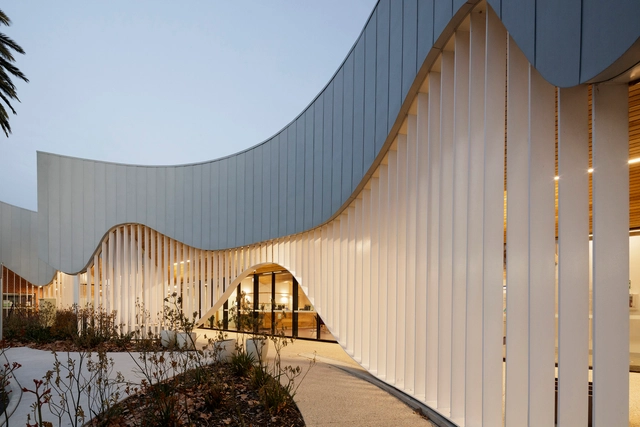
Yarram and District Health Services, Integrated Healthcare Centre / McBride Charles Ryan

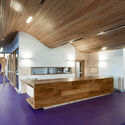
Yarram and District Health Services, Integrated Healthcare Centre / McBride Charles Ryan - Exterior Photography,  Healthcare Center, FacadeYarram and District Health Services, Integrated Healthcare Centre / McBride Charles Ryan - Interior Photography,  Healthcare Center, Stairs, Facade, LightingYarram and District Health Services, Integrated Healthcare Centre / McBride Charles Ryan - Interior Photography,  Healthcare Center, BenchYarram and District Health Services, Integrated Healthcare Centre / McBride Charles Ryan - Exterior Photography,  Healthcare CenterYarram and District Health Services, Integrated Healthcare Centre / McBride Charles Ryan - More Images+ 27

Form Follows Feeling: Trauma-Informed Design and the Future of Interior Spaces

Many architects and designers have highlighted the importance of taking into account all five senses during the design process, in order to create a successful user experience. Fortunately, many strategies have been implemented to facilitate the experience of those who are physically impaired, however, little is being done to aid those who feel helpless and restricted due to mental illnesses and traumatic experiences.

Healing from these experiences is a journey that requires a lot of effort from both the individual and everything and everyone around him/her. Oftentimes, victims of trauma are advised to spend more time in the outdoors, embracing the restorative qualities of nature. But what about interiors? Since people are now spending almost 90% of their time indoors, it is only natural that these spaces contribute to the healing process as well. And while these spaces can look beautiful with an abundance of natural light and neutral color palettes, are they truly beneficial to their mental health?

Waiting Rooms, Reception Areas, & Courtyards: 43 Notable Examples of Hospital Architecture

Subscriber Access | 

Waiting Rooms, Reception Areas, & Courtyards: 43 Notable Examples of Hospital Architecture - Image 1 of 4Waiting Rooms, Reception Areas, & Courtyards: 43 Notable Examples of Hospital Architecture - Image 2 of 4Waiting Rooms, Reception Areas, & Courtyards: 43 Notable Examples of Hospital Architecture - Image 3 of 4Waiting Rooms, Reception Areas, & Courtyards: 43 Notable Examples of Hospital Architecture - Image 4 of 4Waiting Rooms, Reception Areas, & Courtyards: 43 Notable Examples of Hospital Architecture - More Images+ 39

Hospitals and projects related to healthcare must follow specific guidelines based on the rules and regulations of their country. These standards help us to design complex spaces, such as those located in areas of surgery, hospitalization, diagnostics, laboratories, and including areas and circulations that are clean, dirty, restricted or public, which create a properly functioning building.

There are a few spaces that we, as architects, can develop with great ease and freedom of design: waiting rooms, reception areas, and outdoor spaces. These are spaces where architects can express the character of the hospital. To jump-start you into this process, we have selected 43 projects that show us how creativity and quality of a space go hand-in-hand with functionality. 

Hospitals and Health Centers: 50 Floor Plan Examples

Subscriber Access | 

A floor plan is an interesting way to represent and approach the functional program of hospitals and health centers, where the complexity of the system implies the need for specific studies of the distribution and spatial organization for proper health care.

From our published projects, we have found numerous solutions and possibilities for health centers and hospitals depending on the site's specific needs.

Below, we have selected 50 on-site floor plan examples that can help you better understand how architects design hospitals and health care centers.