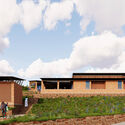
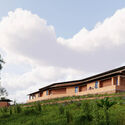
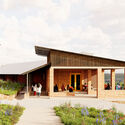
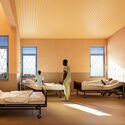
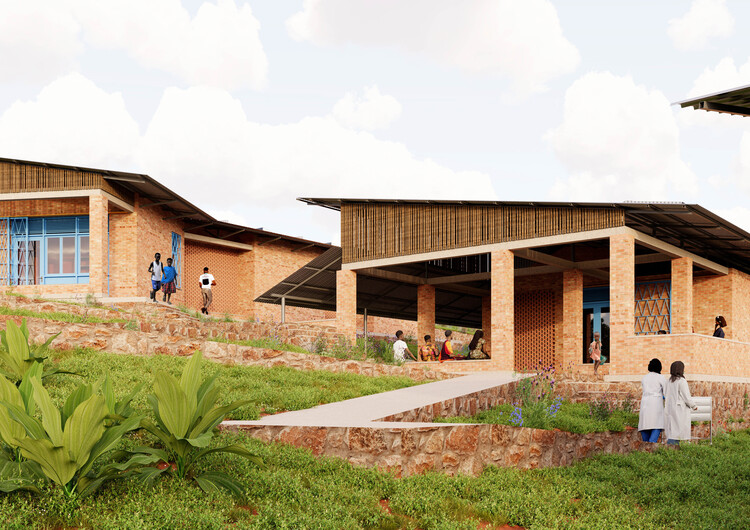
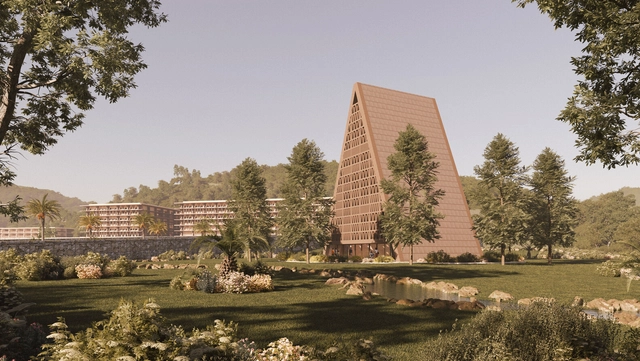
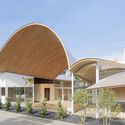
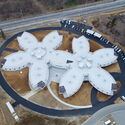
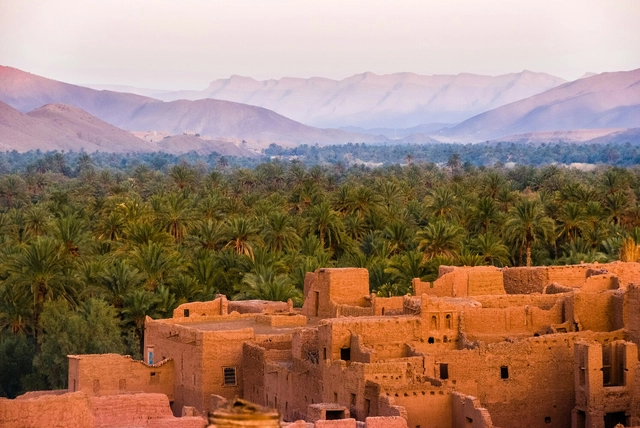
Ineza Clinic project outpatient unit and pharmacy exterior view render, 2026 . Image Courtesy of Kéré Architecture
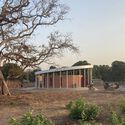
Kéré Architecture has designed a new healthcare center in the Bubanza region of Burundi, about 40 kilometers north of the country's former capital, Bujumbura. Commissioned by the NGO Ineza Clinic, the project aims to improve access to healthcare for the region's rural population, complementing the services of the existing general hospital, with a focus on maternity and specialized surgical care. Francis Kéré's plan distributes the program across ten pavilions connected by a road that zigzags up the hillside toward a visitor center, forming a 3,000 m² complex. The project combines materials sourced from the surrounding region, traditional craftsmanship, and knowledge transfer, minimizing its carbon footprint, supporting the local economy, and strengthening local teams. Construction has already started, with the first phase scheduled for completion this year.
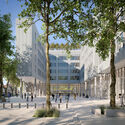
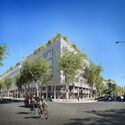
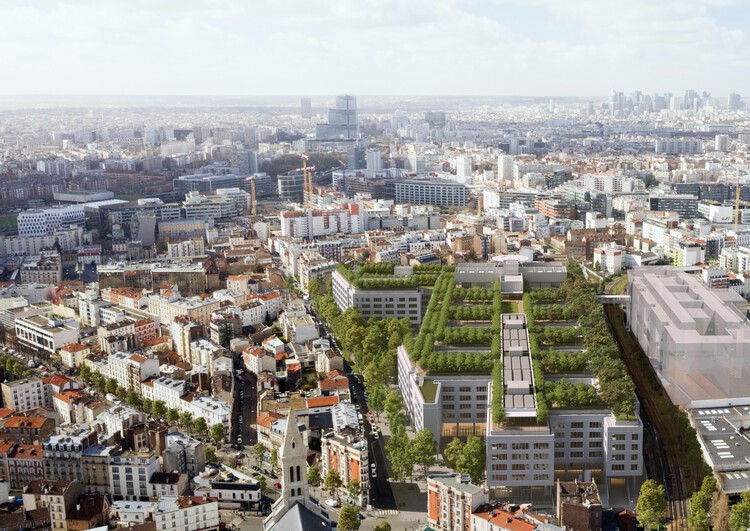
3D Visualizations of the project for the Saint-Ouen Grand Paris Nord University Hospital, 2026. Image Courtesy of Renzo Piano Building Workshop
On February 20, Renzo Piano Building Workshop announced that the building permit for the Hôpital Universitaire Saint-Ouen Grand Paris Nord (HUSOGPN) has been officially granted. The project is a state initiative responding to rapid population growth, increasing demand for care, and evolving technical standards with a "next-generation" hospital in Saint-Ouen-sur-Seine, a commune in the northern suburbs of the French capital. The hospital will be located on the site of the former PSA factory, once an industrial engine of the region and now large and well-connected enough to host a program of rare scale: 986 beds and 288 day places, a workforce of over 5,500 professionals, and facilities equipped with contemporary technology for areas such as surgery and maternity. Envisioned as a "hospital-landscape," the building designed by RPBW in association with Brunet Saunier & Associés stands out for featuring a 1.3-hectare roof garden and an urban forest with over 1,000 trees.
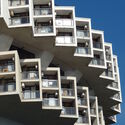
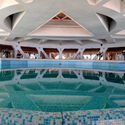
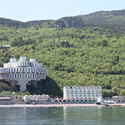
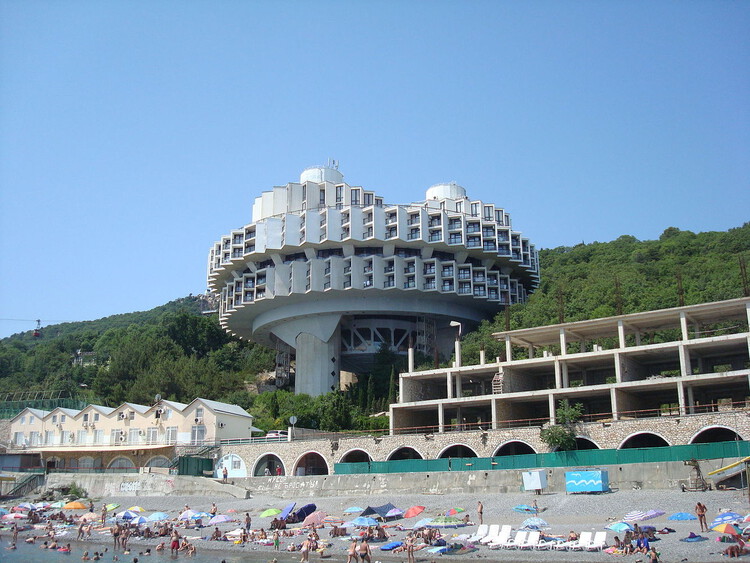
Perched above the cliffs of Crimea, the Druzhba Thermal Sanatorium appears less as a building than as a landed spacecraft. Its circular forms, suspended decks, and spiraling ramps evoke a scene from Andrei Tarkovsky's Solaris (1972), where architecture and psychology merge into a single landscape. Built between 1978 and 1985 by Igor Vasilevsky, the complex was conceived as a thermal resort for workers of the oil industry, part of the Soviet Union's extensive network of sanatoria dedicated to health and recreation.
Beyond its function as a place of recovery, Druzhba, meaning "friendship", embodied a broader political and aesthetic ambition. It sought to merge technological prowess with the restorative ideals of socialist modernity, translating collective well-being into concrete form. Rising from a steep coastal slope overlooking the Black Sea, its massive structure defies gravity, supported by a central concrete core from which radial wings extend like the blades of an enormous gear. Seen from a distance, it feels simultaneously mechanical and organic, a hybrid of infrastructure and landscape.
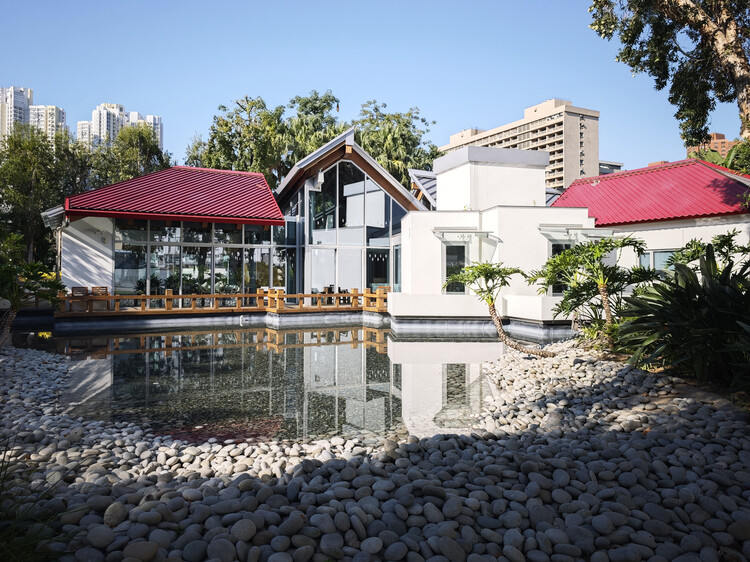
Earlier this month, news of Frank Gehry's passing prompted an outpouring of tributes to the architect behind flamboyant museums, concert halls, and sinuous residential complexes. Rather than revisit that well-charted terrain, it is worth pausing on a more contemplative work in his oeuvre: Maggie's Cancer Caring Centre in Hong Kong. Quiet, optimistic, and calibrated for everyday resilience, the building reflects multiple registers of Gehry's intent: a commitment to positivity and survival—and, more personally, an architect's own reckoning with loss and end-of-life care.
The remark reframes Maggie's Hong Kong as more than a commission; it suggests a design process shaped by grief and turned toward comfort, dignity, and the possibility of hope—an ethos that aligns closely with the organization's mission.
Adjaye Associates has revealed the design for the International Children's Cancer Research Centre (ICCRC) in Kyebi, Ghana. Commissioned by the Wish4Life Foundation, the project marks a step in the development of pediatric healthcare in West Africa. Situated on a 225,000-square-meter site along the eastern slopes of the Atewa Range, the ICCRC is envisioned as an integrated facility dedicated to healing, research, education, and community engagement. It will be the first center in the region solely focused on the treatment of childhood cancers. The project is currently on view at the Time Space Existence exhibition, part of the Venice Architecture Biennale 2025, held at Palazzo Bembo until 23 November 2025.
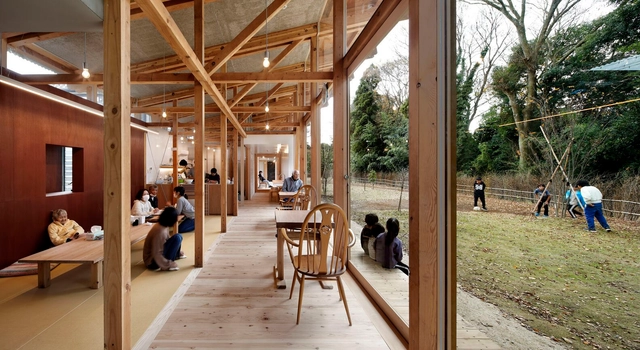
Japan, one of the places known for its high longevity, is critically facing a demographic shift. As the aging population continues to grow, so too does the demand for thoughtful, well-designed spaces that support elderly care. Traditionally, caregiving was woven into the fabric of family life, often falling on the shoulders of female members in a patriarchal society. However, as a traditional big family structure largely dissolves and the nuclear family becomes the norm, elder care increasingly relies on social welfare services and specialized facilities.
This situation presents a profound, growing architectural challenge: How can care environments not only accommodate medical and nursing needs but also foster individual dignity, comfort, and human and nonhuman interactions? The ideal design of elderly care facilities balances clinical functionality with the nuances of daily life—for the elderly themselves, for those experiencing challenges and difficulties such as dementia, for their families, and for the caregivers who support them.
Wellness and healing spaces are shaped by cultural traditions, geographical contexts, and social structures. Across the world, certain practices have been deeply rooted for centuries, like Roman baths, Turkish hammams, and Japanese onsens, while others evolve by drawing inspiration from rituals or redefining their own concept and image of a healing environment. Europe, North America, and Oceania are characterized by a focus on personal journeys, self-care, and often luxurious wellness spaces. Asia shapes the prevailing global perception of wellness through meditation-based healing, inner reflection, and holistic retreats. In Africa, wellness is deeply rooted in ancestral traditions, integrated with nature, and centered around community and social interaction. The commonality worldwide lies in sensory engagement, relaxation, and holistic healing, often tied to nature. But what does wellness look like in Africa? What are the healing spaces that shape it, and what architectural languages define wellness from north to south?
https://www.archdaily.com/1028770/rooted-in-tradition-nature-and-community-wellness-and-healing-spaces-from-the-north-to-the-south-africaHadir Al Koshta
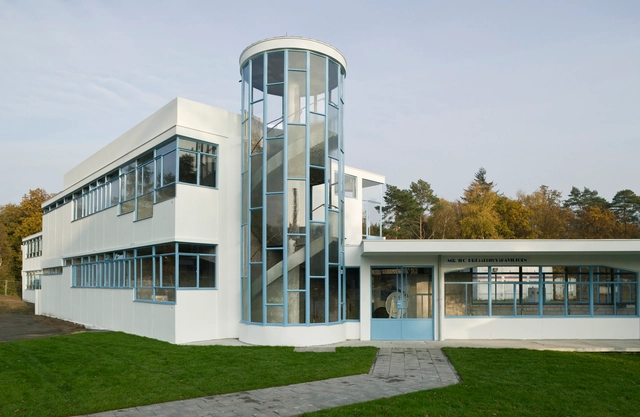
The intersection of architecture and medicine profoundly shaped modernist design, where transparency, light, and air became essential tools in the pursuit of health. Emerging from the tuberculosis crisis of the late 19th and early 20th centuries, the sanatorium evolved beyond a medical facility into a testing ground for architectural innovation. The necessity of fresh air, sunlight, and sterility transformed these spaces into prototypes for modernist principles, influencing spatial organization, material choices, and design philosophies that extended far beyond healthcare.
More than sites of treatment, sanatoriums embodied contemporary medical theories in built form. At a time when tuberculosis — often called the white plague — devastated populations worldwide, medical professionals prescribed environmental exposure as the primary therapy. Architecture adapted accordingly, producing buildings with expansive terraces, large windows, and streamlined interiors designed to optimize ventilation and maximize natural light.
After two weeks of open voting in the16th edition of the Building of the Year Awards, our readers have meticulously narrowed down a pool of almost 4,000 projects to a select group of 75 finalists spanning 15 categories. This year's awards honor the pinnacle of design, innovation, and sustainability on a global scale, showcasing an exceptional range of projects within the shortlist. As a crowdsourced award, we take pride in affirming that your selections authentically mirror the current state of architecture, and the caliber of this year's finalists further underscores the excellence and diversity prevalent in the field.
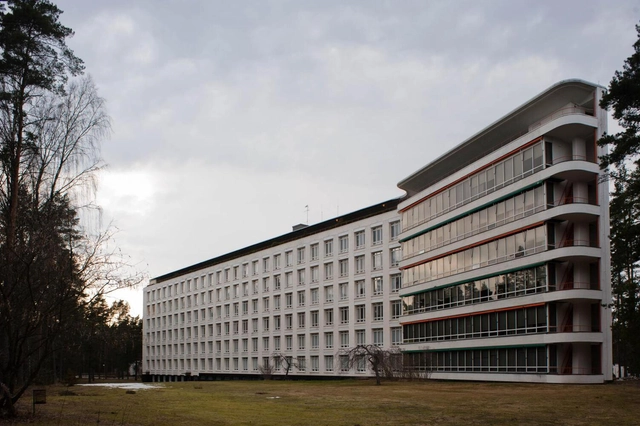
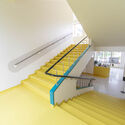
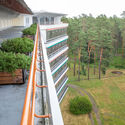
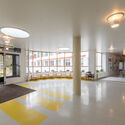
In the early 20th century, tuberculosis presented a significant public health challenge across Europe, prompting the construction of specialized facilities for patient recovery. The Paimio Sanatorium in Finland stands as a groundbreaking example of architecture's potential to promote healing. Designed by Alvar Aalto between 1929 and 1933, the sanatorium combined innovative design principles with a deep understanding of human needs, setting new benchmarks for healthcare architecture.
Alvar Aalto, a leading figure in modernist architecture, envisioned the Paimio Sanatorium as more than a functional response to a medical crisis. He crafted a space where architecture became an instrument of care, integrating natural light, ventilation, and harmonious forms to support physical and emotional well-being. This project marked a turning point in Aalto's career, showcasing his ability to blend modernist ideals with a profound sensitivity to context and human experience.
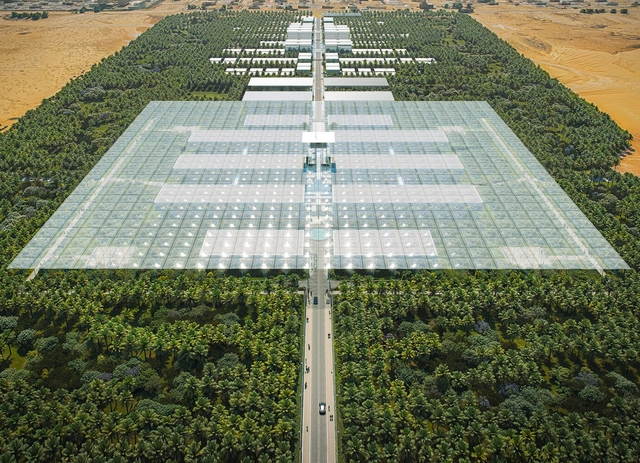
The Renzo Piano Building Workshop (RPBW) has just been selected to design the Jawaher Boston Medical District in Sharjah, a significant new healthcare initiative spearheaded by BEEAH, a private organization working in sustainability in the MENA region. Following a competitive selection process, RPBW's appointment marks the beginning of a project aimed at redefining the integration of healthcare excellence with environmental and cultural sensitivity.
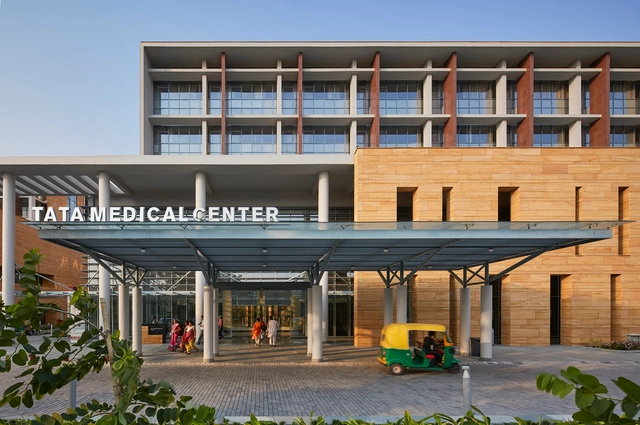
In a nation as diverse as India, the healthcare landscape presents wicked problems and plentiful opportunities. The country's hospital infrastructure has been increasingly strained in the areas of accessibility, quality, and equity, especially with a snowballing population growth. While urban development expands amidst these constraints, architects have been able to position innovative design solutions as mediators, also sealing the gap between urban and rural healthcare quality and accessibility in India.
Architecture has long been understood as a powerful tool for shaping the physical environment and social dynamics within it. However, its potential to foster social equity is often overlooked. Empathy-driven design invites architects to approach their work not only as creators of space but as facilitators of human connection and community well-being. This approach centers on understanding people's lived experiences, struggles, and aspirations — particularly marginalized communities — and responding to their needs through thoughtful, inclusive architecture. It goes beyond aesthetics and functionality, instead focusing on creating spaces fostering dignity, accessibility, and social equity. By prioritizing empathy, architects can design environments that uplift communities, address disparities, and create inclusive spaces that promote positive societal change in a tangible, human-centered way.
After two weeks of open voting in the 15th edition of the Building of the Year Awards, our readers have meticulously narrowed down a pool of over 4,000 projects to a select group of 75 finalists spanning 15 categories. This year's awards enthusiastically honor the pinnacle of design, innovation, and sustainability on a global scale, showcasing an exceptional range of projects within the shortlist. As a crowdsourced award, we take pride in affirming that your selections authentically mirror the current state of architecture, and the caliber of this year's finalists further underscores the excellence and diversity prevalent in the field.
The influence of design on our physical and mental health has been largely explored in various contexts, ranging from spatial configuration to furniture. The topic has gained notoriety due to the growing awareness of human well-being, especially in recent times. An example of this bond between design and health is the emergence of concepts such as Neuroarchitecture, which seeks to understand the built environment’s potential in our brain. Another case that illustrates this approach, this time in furniture design, is the Paimio Sanatorium, where Alvar Aalto designed the tuberculosis sanatorium and all its furnishings. The chair created for the patient’s lounge —the Paimio Chair— facilitated their breathing due to its shape and the inclination of the backrest.
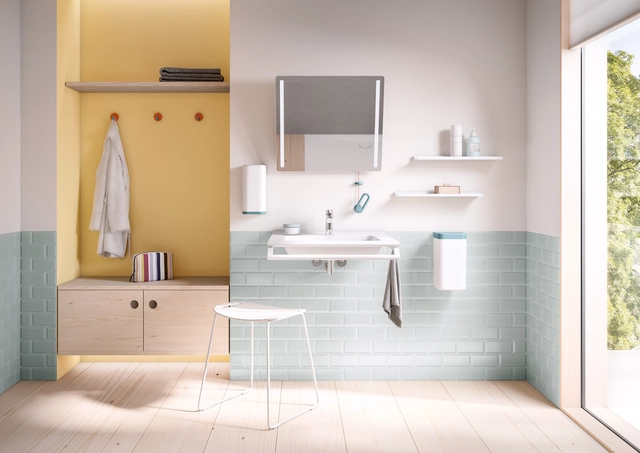
These approaches are examples of how design can be applied in a specific way to enhance people's well-being through gestures like spatial organization, color and shapes, thereby promoting architecture that contributes to health, care, and recovery, In this context, and as a result of explorations in this field, HEWI has developed ICONIC, infusing emotionally appealing color concepts for its design icon, the 477/801 barrier-free sanitary range. An essential element of this range's design was the concept of "healing architecture" within healthcareand daycare buildings and its influence on not just the physical and mental well-being of patients but also the welfare of other users, such as relatives and staff.
https://www.archdaily.com/1012377/healing-architecture-for-care-and-recovery-iconic-design-with-colorful-conceptsEnrique Tovar
The Royal Institute of British Architects has announced the winners of the 2023 President’s Medals, highlighting the best student architecture projects worldwide. In its 187th edition, RIBA’s President's Medals have stood as the hallmark of architectural excellence, remaining the oldest within the institution realm. Overall, the winning projects demonstrate a strong focus on "how architecture can address the needs of people and their communities."
For the 2023 Cycle, the highly acclaimed RIBA Silver Medal for the best design project produced at RIBA Part 2 was awarded to Ellie Harging at the London School of Architecture. Titled “Nobody Wants to Live in a Care Home,” the project designs supportive housing for people living with young-onset Alzheimer's. The RIBA Bronze Medal was awarded to Kacper Sehenke, while the Dissertation Medal was awarded to Chloe Shang.
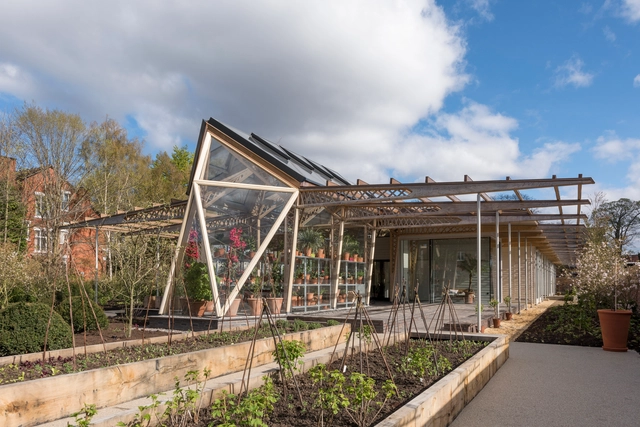
A simple walk in the park will relax even the most tightly wound individual. But what about the places where people spend far more of their time, such as schools, office buildings, and hospitals? What role can design play in incorporating nature into those environments? And at what additional cost? Bill Browning has published a book—The Economics of Biophilia: Why Designing With Nature in Mind Makes Financial Sense, 2nd Edition (written with Catie Ryan and Dakota Walker)—arguing that the cost of bringing nature into building projects isn't prohibitive but additive. An environmental strategist with a long history in green building, Browning is one of the founding partners (with architects Bob Fox and Rick Cook) of the sustainable design consultancy Terrapin Bright Green. Recently I talked with Browning about biophilic design—and, because he was a founding member of the U.S. Green Building Council's board of directors, about the strengths and shortcomings of the LEED rating system.
Each year, the Trust for Public Land (TPL) issues its ParkScore, which ranks the park systems of the 100 most populated cities in the U.S. This year, the organization also explored the positive health outcomes of top-scoring cities, looking at more than 800 innovative programs and practices that integrate park and healthcare systems.
https://www.archdaily.com/1007296/urban-parks-should-be-a-greater-part-of-the-healthcare-systemJared Green