1. ArchDaily
  2. HEIDE & VON BECKERATH

HEIDE & VON BECKERATH: The Latest Architecture and News

New Models for Collective Housing

Subscriber Access | 

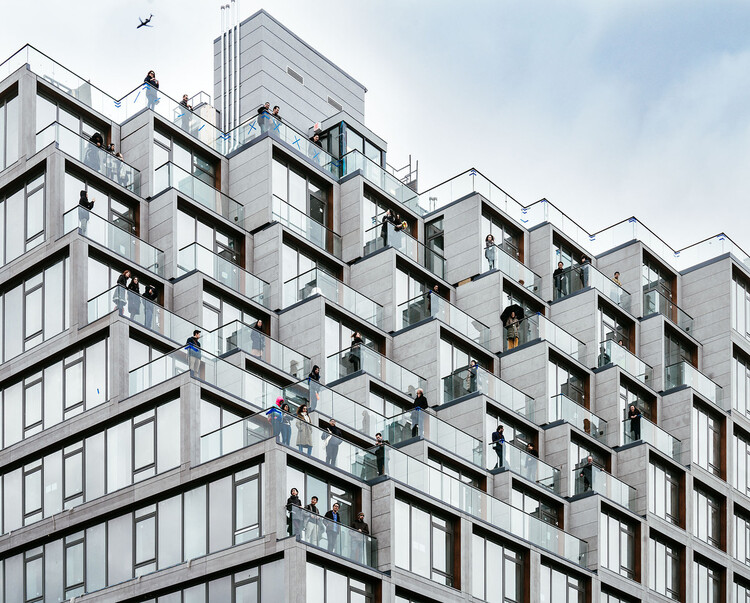
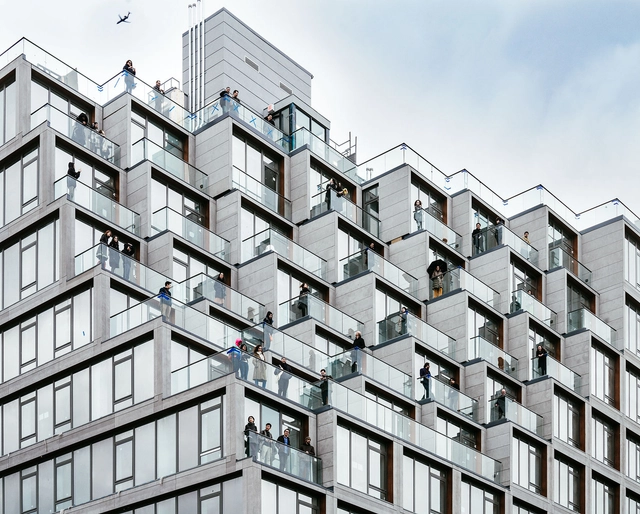
Housing production has been relying on the same spatial configurations for almost a century, catering to a vision of domestic life that no longer constitutes the norm. The widespread housing shortage, the issue of affordability, the rise of single-person households, and an aging population prompt a re-evaluation of existing housing models to address a broader range of demographics and adapt to the changing needs of city dwellers. The following explores contemporary collective housing models that provide the framework for new dwelling experiences and support current lifestyles.

New Models for Collective Housing - Image 1 of 4New Models for Collective Housing - Image 2 of 4New Models for Collective Housing - Image 3 of 4New Models for Collective Housing - Image 4 of 4New Models for Collective Housing - More Images+ 4

Winners of the 2021 European Award for Architectural Heritage Intervention Announced

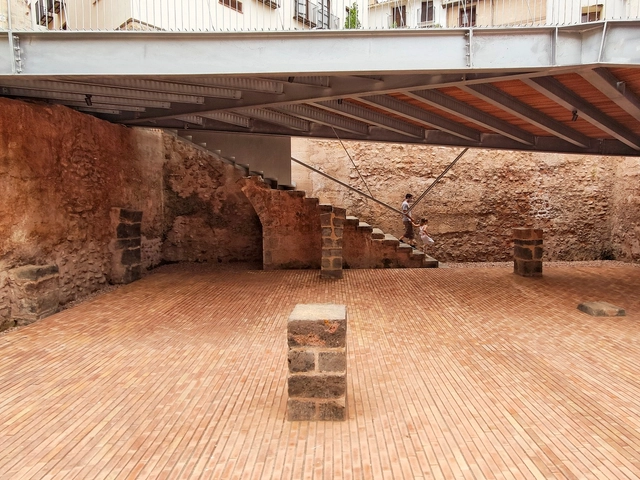
The European Award for Architectural Heritage Intervention, a biennial award organized by the COAC (Association of Architects of Catalonia) and the AADIPA (Association of Architects for the Defence and Intervention in Architectural Heritage), has announced the winners of its fifth edition.

Real Takes on Real(ly Successful) Housing Experiments

Subscriber Access | 

The challenges associated with the provision of adequate and affordable housing around the world demand that architects respond with original solutions that challenge traditional building forms, typologies and methods of delivery.

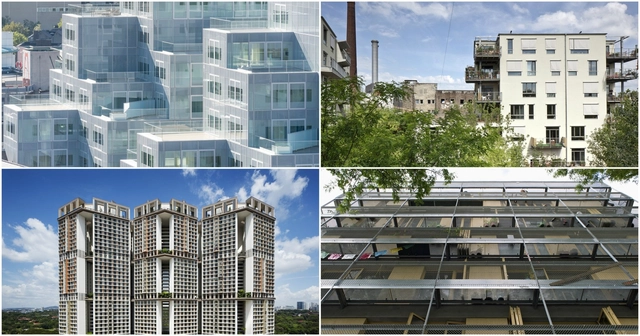
PLANE–SITE brought together the architects of four inventive housing projects. These projects represent a diversity of approaches to similar housing challenges across radically different global contexts. From the redensification of European urban centers to the rapid urbanization of the tropical Asian megacity, these radical housing models challenged existing paradigms in order to advance resident well-being as their principle design concern. In contrast to Schumacher’s divisive speech, the panel illustrated projects that were deliberately designed to promote community life and social interaction between residents – and in some cases also with other citizens in spaces that blur the line between public and private.