1. ArchDaily
  2. IAAC

IAAC: The Latest Architecture and News

Introducing the 75 Finalists of the 2026 ArchDaily Building of the Year Awards

Two weeks and over 85,000 nominations later, the finalists of this year's Building of the Year Awards are in. The selection is much like the ArchDaily audience that chose it: diverse in geography, generous in ideas, and precise in intent. With projects from 46 countries, in a variety of typologies and scales, they present a beautiful snapshot of the current architectural moment.

We invite you to sit back, browse, and vote for your ultimate favorites. Below, you will find all of the 75 finalists in their respective categories. Voting is open until February 18th at 18:00 EST. Thank you—your participation is key to making this the world's largest community-driven architecture award.
Of a Feather: The Hidden Architecture of Bird Watching

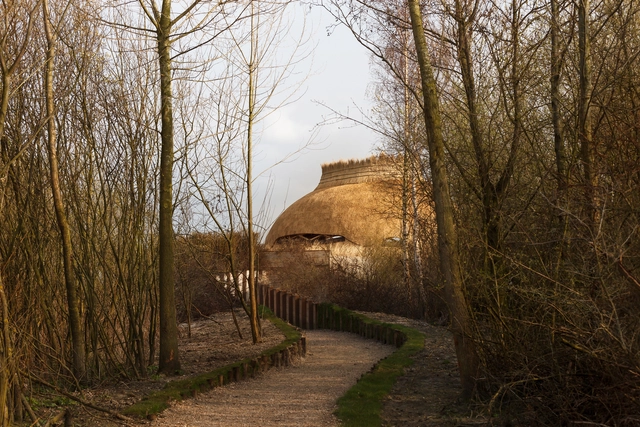
Around the world, a passionate community of bird watchers, from novice observers to seasoned ornithologists, is drawn to the subtle movements, distinct calls, and remarkable migrations of birds. This global fascination has led to the creation of thoughtfully designed spaces by architects and designers, enhancing the bird-watching experience while respecting the ecological landscapes in which they are placed.

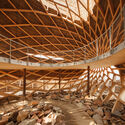
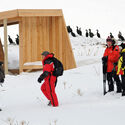
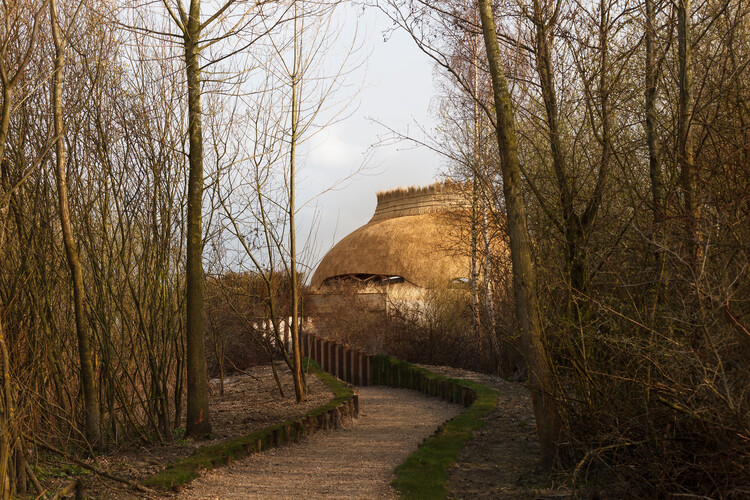
Of a Feather: The Hidden Architecture of Bird Watching - Image 1 of 4Of a Feather: The Hidden Architecture of Bird Watching - Image 2 of 4Of a Feather: The Hidden Architecture of Bird Watching - Image 3 of 4Of a Feather: The Hidden Architecture of Bird Watching - Image 4 of 4Of a Feather: The Hidden Architecture of Bird Watching - More Images+ 25

Small Structures, Big Impact: 4 Rural Prototypes for a Changing Planet

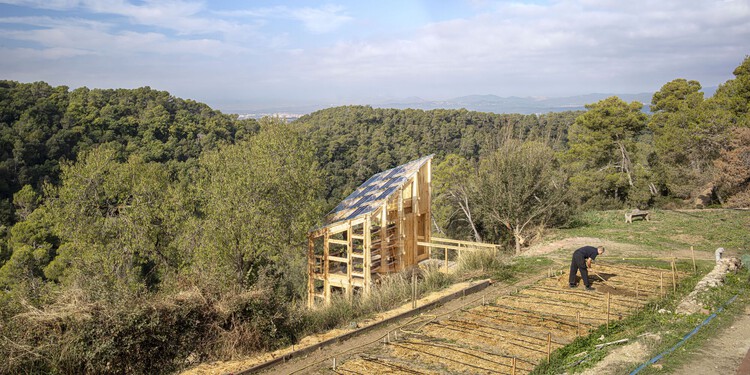
Facing an interconnected planetary climate crisis, biodiversity loss, and resource depletion, regenerative design emerges as a pathway toward building resilient and ecologically attuned rural futures. At the intersection of architecture, agriculture, and local ecosystems, new models of resilient, self-sufficient agricultural practices are emerging. These projects are not grand industrial systems but small-scale, precise, and deeply contextual architectural interventions that create spaces that foster sustainable cultivation while respecting environmental rhythms, local materials, and community knowledge.

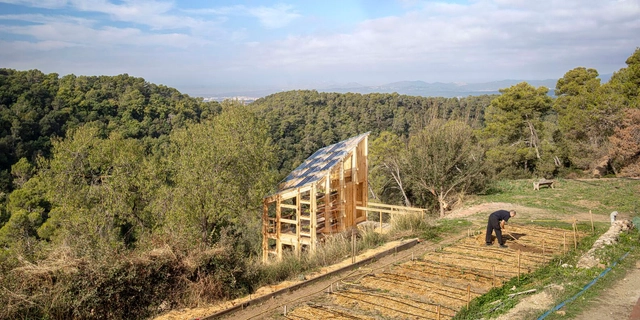
Small Structures, Big Impact: 4 Rural Prototypes for a Changing Planet - Image 1 of 4Small Structures, Big Impact: 4 Rural Prototypes for a Changing Planet - Image 2 of 4Small Structures, Big Impact: 4 Rural Prototypes for a Changing Planet - Image 3 of 4Small Structures, Big Impact: 4 Rural Prototypes for a Changing Planet - Image 4 of 4Small Structures, Big Impact: 4 Rural Prototypes for a Changing Planet - More Images+ 4

Cabins in Spain: Small-Scale Accommodations in Natural Settings

Subscriber Access | 

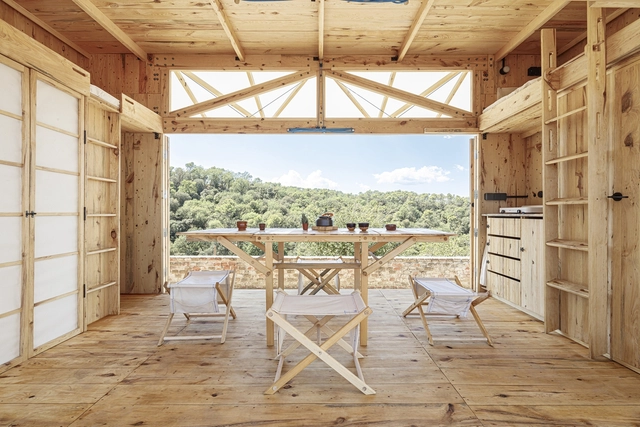
Amid coasts, rivers, lakes, and mountain ranges, Spain’s natural environment encompasses a wide variety of climates, topographies, and vegetation species. Aiming to raise global awareness of the impact of construction on the environment and the importance of addressing climate change through new ways of creating architecture, several architectural practices and research teams are exploring the design of cabins or small-scale lodging prototypes. While capable of integrating harmoniously with their surrounding natural context, they also demonstrate strategies for self-sufficiency, resource utilization, and space maximization, as well as broad applications of innovative technologies and material solutions adapted to each region.

Cabins in Spain: Small-Scale Accommodations in Natural Settings - Image 1 of 4Cabins in Spain: Small-Scale Accommodations in Natural Settings - Image 2 of 4Cabins in Spain: Small-Scale Accommodations in Natural Settings - Image 7 of 4Cabins in Spain: Small-Scale Accommodations in Natural Settings - Image 3 of 4Cabins in Spain: Small-Scale Accommodations in Natural Settings - More Images+ 5

Climate-Responsive Temporary Pavilions: Exploring 4 Ephemeral Structures across Europe

Subscriber Access | 

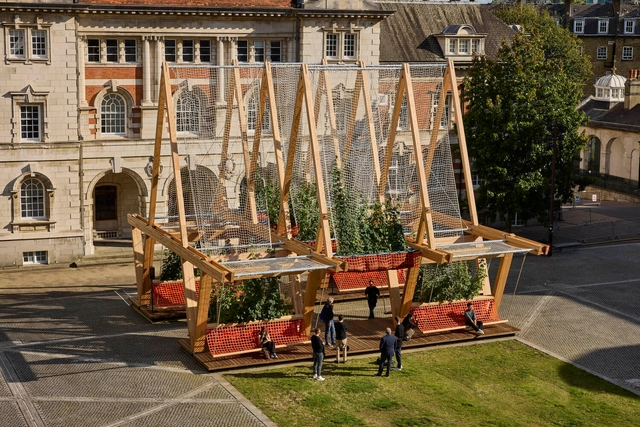
Pavilions offer architects a unique opportunity to experiment, serving as compact spaces that push the boundaries of design and spatial concepts. Free from many conventional functional constraints, these structures allow for artistic expression and the testing of new technologies. Pavilions often act as living laboratories of architecture, positioned in public or cultural contexts. They transform their surroundings into interactive, memorable experiences, providing a stage for architects to showcase their most innovative ideas. In recent years, climate responsiveness has emerged as a crucial focus in pavilion design. By using temporary structures as a testing ground for more sustainable practices, architects can experiment with alternative materials and environmentally conscious approaches that address the climate crisis.

Climate-Responsive Temporary Pavilions: Exploring 4 Ephemeral Structures across Europe - Image 1 of 4Climate-Responsive Temporary Pavilions: Exploring 4 Ephemeral Structures across Europe - Image 2 of 4Climate-Responsive Temporary Pavilions: Exploring 4 Ephemeral Structures across Europe - Image 3 of 4Climate-Responsive Temporary Pavilions: Exploring 4 Ephemeral Structures across Europe - Image 4 of 4Climate-Responsive Temporary Pavilions: Exploring 4 Ephemeral Structures across Europe - More Images+ 3

Manifesta 15: Barcelona Metropolitana Confirms its Program and the Complete List of Participants for its Next Edition

The city of Barcelona and the region are preparing to host Manifesta, the European nomadic biennial of art, architecture, and urbanism, which will celebrate its 15th edition on September 8, 2024. The event will take place in twelve cities over twelve weeks, where an extensive list of participants will materialize projects aimed at reimagining the future through art and architecture.

The first edition of Manifesta took place in Rotterdam in 1996. Over its 14 previous editions across 25 years, it has visited various European cities such as Luxembourg, Ljubljana, Frankfurt, San Sebastián, Trentino-South Tyrol, Murcia, Genk, Saint Petersburg, Zurich, Palermo, Marseille, and Pristina. One of the main pillars of Manifesta is based on critical urban research, promoting the construction of communities and cultural programs with a local identity that act as agents of change. While the nomadic character is a hallmark of the event, each city works with local artistic communities, citizens, and organizations to carry out projects that address issues inherent to the location.

Manifesta 15: Barcelona Metropolitana  Confirms its Program and the Complete List of Participants for its Next Edition - Image 1 of 4Manifesta 15: Barcelona Metropolitana  Confirms its Program and the Complete List of Participants for its Next Edition - Image 2 of 4Manifesta 15: Barcelona Metropolitana  Confirms its Program and the Complete List of Participants for its Next Edition - Image 3 of 4Manifesta 15: Barcelona Metropolitana  Confirms its Program and the Complete List of Participants for its Next Edition - Image 4 of 4Manifesta 15: Barcelona Metropolitana  Confirms its Program and the Complete List of Participants for its Next Edition - More Images+ 3

10th Advanced Architecture Contest – AI for the Built Environment

The Institute for Advanced Architecture of Catalonia (IAAC) calls its 10th Advanced Architecture Contest as a global reflection to explore the transformative potential of Artificial Intelligence (AI) for the built environment. This competition aims to inspire participants to envision novel applications of AI mixed with non-AI tools that can shape the future of architecture, urban planning, and design.

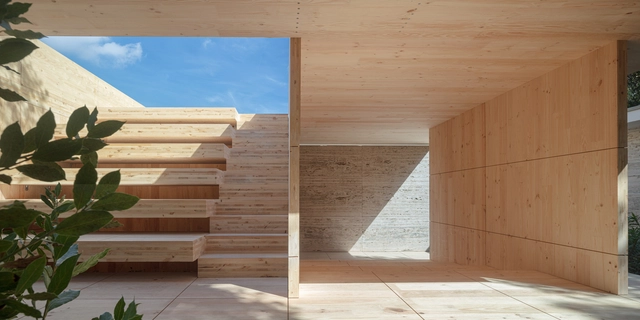
Mass Is More: An Installation Brings the Innovation of Industrialized Wood Construction to the Barcelona Pavilion

On the 4th of October, the temporary installation "Mass is More", a project designed by Daniel Ibáñez and Vicente Guallart, from the Institute for Advanced Architecture of Catalonia (IAAC), together with Alan Organschi from Bauhaus Earth (BE), was presented at the Barcelona Pavilion. It was open to the general public from the 1st to the 9th of October.

How to Build with Zero-Kilometer Wood? The Experience of The Voxel in Barcelona

Zero kilometer materials can be purchased locally, do not need to be transformed by large stages of industrial processing or toxic treatments and, at the end of their service life, they can be returned to the environment.

For example, wood from a nearby forest eliminates the need for long transfers, valuing local resources, and allowing architecture to lessen its environmental impact while committed to the landscape and context.

Design for Living: Global Contest to Rethink our Habitat, from the Body to the City

The Institute for Advanced Architecture of Catalonia (IAAC) calls its 8th Advanced Architecture Contest as a global reflection to rethink human habitats, at a time when the fight for life and climate allows us to consider how we would like to live in the coming decades.

OTF 3D Printing: Scholarship - IaaC

IAAC is glad to announce to you that the OTF:3D Printing Architecture program has extended the application deadline until April 19th for 2 FULL scholarships for the next academic year. This is a great opportunity to learn about novel technologies for sustainable design and construction, thanks to additive manufacturing.

Call for Extended Abstract and Poster Submissions - Responsive Cities Symposium: Disrupting Through Circular Design

Responsive Cities is a bi-annual international symposium on the future of cities organized by the Advanced Architecture Group of IAAC. The 2019 edition focuses on “Disrupting through Circular Design” within the framework of the Creative Food Cycles (CFC) project, co-funded by the Creative Europe Programme of the European Union and developed by the Institute for Advanced Architecture of Catalonia, the Leibniz University of Hannover and the University of Genoa.

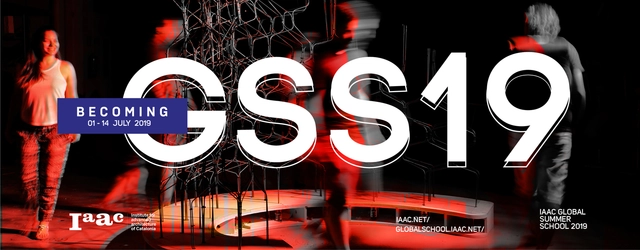
IAAC Global Summer School 2019 (GSS19) - Becoming | Applications Open!

The Institute for Advanced Architecture of Catalonia (IAAC) is pleased to inform you about the launch of Global Summer School 2019 - Becoming, 12th edition of the international summer educational program about the future of our cities, that will take place in Barcelona and in other nodes worldwide simultaneously from the 1st to the 14th of July 2019.

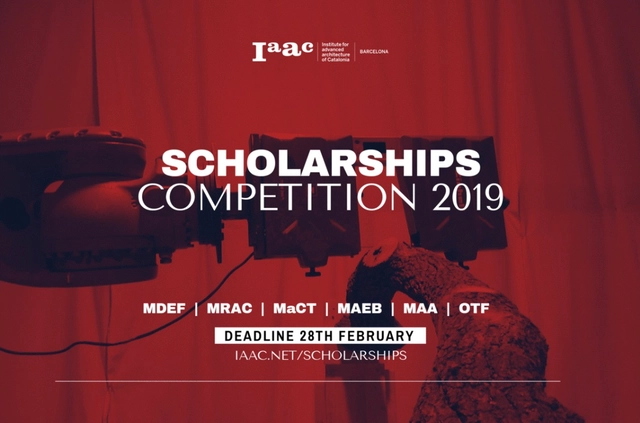
Scholarships Programme Announced for the Academic Year 2019/20

The Institute for Advanced Architecture of Catalonia has just launched its new Scholarships Programme, giving our applicants the possibility to participate and win any of the three partial scholarships covering 50%, 30% or 20% of the tuition fee of the first year of any Educational Programme:

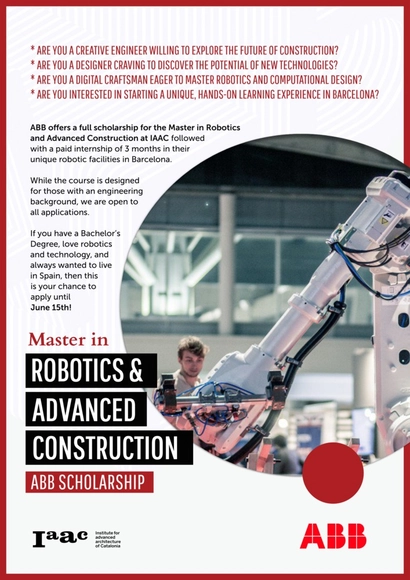
IAAC Scholarships & Internships Offers for the Master in Robotics & Advanced Construction (MRAC)

The Institute for Advanced Architecture of Catalonia (IaaC) is pleased to introduce you the new Master of Robotics and Advanced Construction (MRAC) and related scholarships and internship opportunities for students offered by our Institute.

The Institute for Advanced Architecture of Catalonia is the center of research, education, production, and outreach. Based in Barcelona, Spain, the Institute has the mission of envisioning the future habitat of our society and building it within the present. Following the digital revolution at all scales, from bits to geography, from micro-controllers to cities, from materials to the territory, the IAAC is an experimental and experiential center where one learns by doing, through a test of methodology that promotes real solutions.

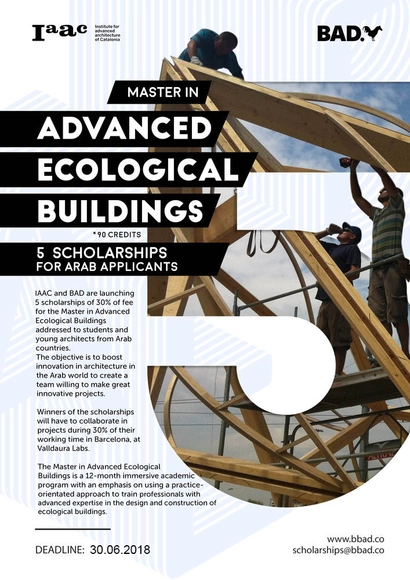
Scholarship for IaaC's Master in Advanced Ecological Buildings

IAAC and BAD are launching 5 scholarships of 30% of fee for the Master in Advanced Ecological Buildings addressed to students and young architects from all Arab countries.

Architecture City Guide: 20 Places Every Architect Should Visit in Madrid

Subscriber Access | 

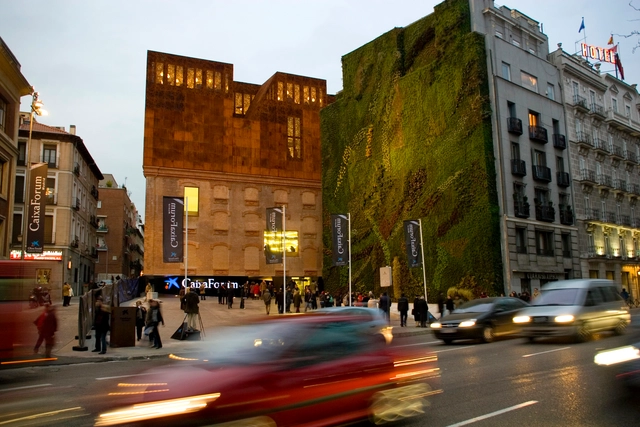
Madrid is unfathomable. If the city itself is immense, it´s examples of interesting architecture are overwhelming. For over a half a century, Madrid has been an experimental laboratory for modern and contemporary architecture in Spain. With numerous examples of innovative and experimental architecture, as well as many failures, few of which are valued and recognized. This selection seeks to show archetypal examples of architecture that have transcended time; it does not intend to be an exhaustive list of the city´s architectural works. Many will think that the list lacks important buildings and personally, I couldn´t agree more. That is perhaps the beauty of Madrid: there is a diversity of opinion, there are thousands of sites to see, the city surprises you with every step you take.

Architecture City Guide: 20 Places Every Architect Should Visit in Madrid - Image 1 of 4Architecture City Guide: 20 Places Every Architect Should Visit in Madrid - Image 2 of 4Architecture City Guide: 20 Places Every Architect Should Visit in Madrid - Image 3 of 4Architecture City Guide: 20 Places Every Architect Should Visit in Madrid - Image 4 of 4Architecture City Guide: 20 Places Every Architect Should Visit in Madrid - More Images+ 16

5 Passive Cooling Alternatives Using Robotics and Smart Materials

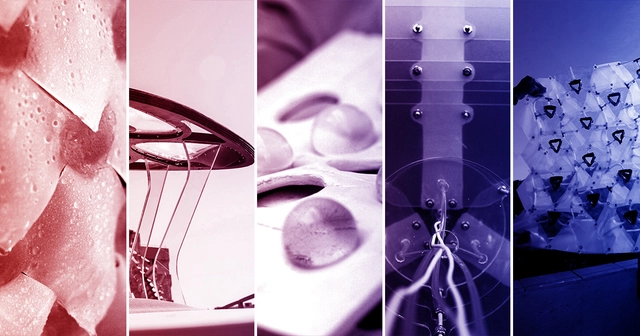
The IAAC (Institute for Advanced Architecture of Catalonia) has developed a series of advanced materials and systems for air conditioning and passive ventilation, allowing homes to reduce interior temperatures up to 5 degrees lower while saving the electricity consumption caused by the traditional air-conditioning. The systems are made from long-lifespan materials, which lower the costs of maintenance in the long-term and can be used as low-cost alternative building technologies.

The projects highlighted are the Breathing Skin, Hydroceramics, Hydromembrane, Morphluid and Soft Robotics - all developed by students of the IAAC's Digital Matter Intelligent Constructions (conducted by Areti Markopoulou). The passive air-conditioning of spaces is investigated using a combination of new materials that mimic organic processes, adaptive structures and Robotics that help regulate temperature and create sustainable micro climates.