1. ArchDaily
  2. Industrial Architecture

Industrial Architecture: The Latest Architecture and News

Urban Sprawl and Ghost Towns: The Impact of Mining on Cities

Subscriber Access | 

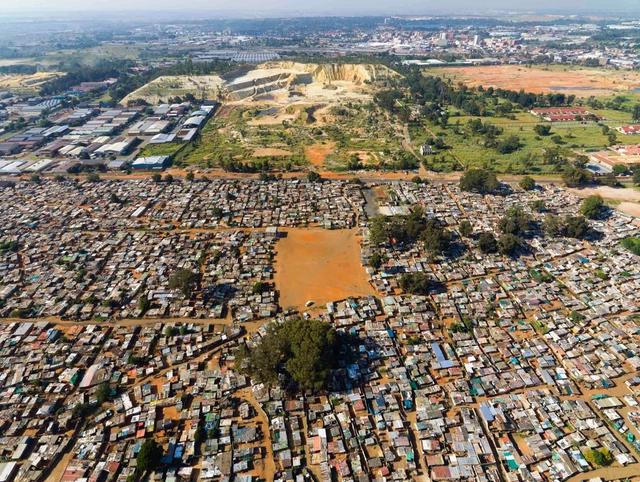
The urban settlements we inhabit today exist in their present form due to a host of reasons. There are cities that have grown due to their proximity to water – such as the growth of Dar es Salaam to the major port city it is today. There are the planned capital cities scattered around the world, governments of countries such as Brazil and Nigeria building cities from scratch from the input of acclaimed architects. There are also the settlements that exist and grow because of certain industries, such as Silicon Valley in the American state of California being home to giants of the technology industry. There’s an industry, however, that has spawned both pulsating cities and abandoned towns – the mining industry.

Urban Sprawl and Ghost Towns: The Impact of Mining on Cities - Image 1 of 4Urban Sprawl and Ghost Towns: The Impact of Mining on Cities - Image 2 of 4Urban Sprawl and Ghost Towns: The Impact of Mining on Cities - Image 3 of 4Urban Sprawl and Ghost Towns: The Impact of Mining on Cities - Image 4 of 4Urban Sprawl and Ghost Towns: The Impact of Mining on Cities - More Images+ 4

Industrial Landscapes: Large-Scale Factories Seen from Above

Historically, industrialization means a process of economic change that transforms an agrarian society, with mostly handicraft techniques, into an industrial society to increase productivity and economic growth. This mechanization and mass production leads to deep social transformations, but the most significant consequence is an enormous change in the urban landscape.

Industrial Landscapes: Large-Scale Factories Seen from Above - Image 1 of 4Industrial Landscapes: Large-Scale Factories Seen from Above - Image 2 of 4Industrial Landscapes: Large-Scale Factories Seen from Above - Image 5 of 4Industrial Landscapes: Large-Scale Factories Seen from Above - Image 9 of 4Industrial Landscapes: Large-Scale Factories Seen from Above - More Images+ 6

ATES Wind Power Headquarters / d.a.architects

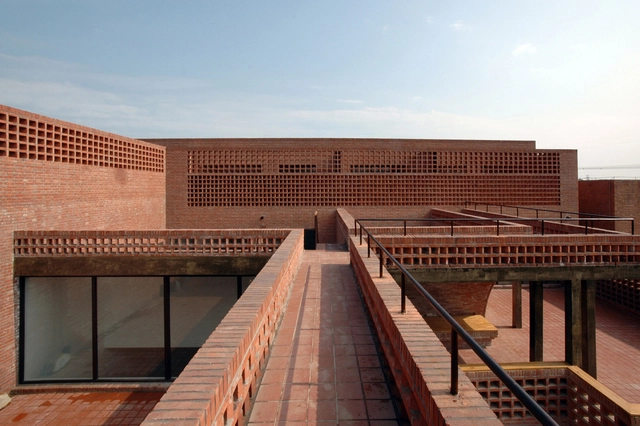
ATES Wind Power Headquarters / d.a.architects - Interior Photography, Office Buildings, FacadeATES Wind Power Headquarters / d.a.architects - Office BuildingsATES Wind Power Headquarters / d.a.architects - Interior Photography, Office Buildings, BeamATES Wind Power Headquarters / d.a.architects - Exterior Photography, Office Buildings, FacadeATES Wind Power Headquarters / d.a.architects - More Images+ 32

  • Architects: d.a.architects
  • Area Area of this architecture project Area:  2806
  • Year Completion year of this architecture project Year:  2019
  • Manufacturers Brands with products used in this architecture project
    Manufacturers:  AGT SOFT TOUCH, Spectral, U GLASS FACADE, VitrA

Modular Components in Industrial Architecture

Modular Components in Industrial Architecture - Image 1 of 4Modular Components in Industrial Architecture - Image 2 of 4Modular Components in Industrial Architecture - Image 3 of 4Modular Components in Industrial Architecture - Image 4 of 4Modular Components in Industrial Architecture - More Images+ 22

Industrial architecture usually requires fast installation, low-maintenance components, and flexible spaces that can be used for different purposes. Therefore, modular solutions are very common in this type of construction, also adding a powerful visual language to the building.

Involve / bandesign

Involve / bandesign - Exterior Photography, ShowroomInvolve / bandesign - Interior Photography, Showroom, Kitchen, FacadeInvolve / bandesign - Interior Photography, ShowroomInvolve / bandesign - Exterior Photography, ShowroomInvolve / bandesign - More Images+ 19

Is It Time To Start Thinking About Wooden Industrial Buildings?

Subscriber Access | 

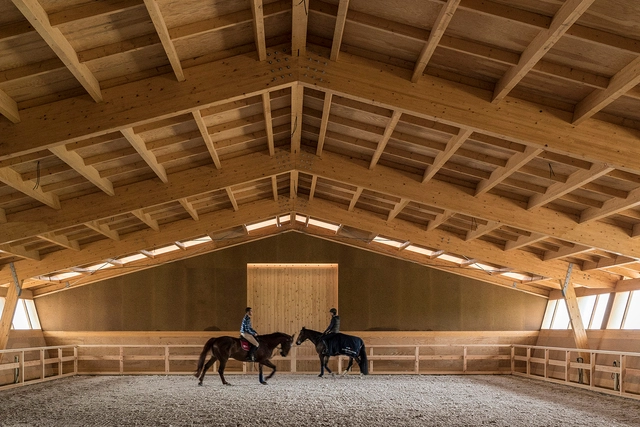
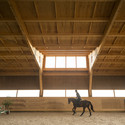
Industrial buildings are among the best examples of Louis Sullivan's famous phrase "form follows function." Generally, they are functional, efficient buildings, quick to build and unornamented. That is why, when we study the industrial heritage of different cities and countries, we are able to understand local materials, technologies, and traditional construction methods of the time. England's red brick factories come to mind, as well as the roof lanterns used to provide natural light to factories and other typical construction elements. Metallic and precast concrete structures are currently the most commonly used due to a combination of construction efficiency, cost, the possibility of expansive spans, and the unawareness of the benefits of other materials, such as wood. Often, these industrial warehouses are also characterized by being cold and impersonal, in addition to having a considerable carbon footprint. But Canada's experience in recent years is noteworthy, where there have been an increasing number of wooden buildings constructed for industrial programs.

Equestrian Centre / Carlos Castanheira + Clara Bastai

Equestrian Centre / Carlos Castanheira + Clara Bastai - HeritageEquestrian Centre / Carlos Castanheira + Clara Bastai - HeritageEquestrian Centre / Carlos Castanheira + Clara Bastai - HeritageEquestrian Centre / Carlos Castanheira + Clara Bastai - HeritageEquestrian Centre / Carlos Castanheira + Clara Bastai - More Images+ 50

Gemak Shipyard Administration Office / CM Mimarlık

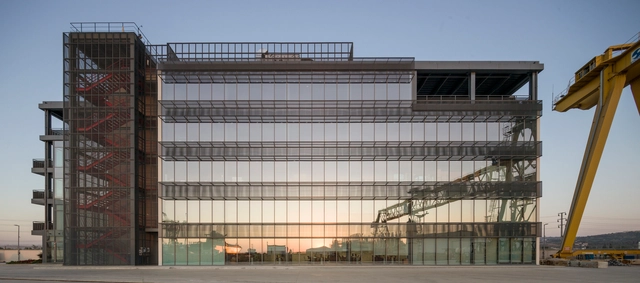
Gemak Shipyard Administration Office / CM Mimarlık - Exterior Photography, Office Buildings, FacadeGemak Shipyard Administration Office / CM Mimarlık - Interior Photography, Office Buildings, StairsGemak Shipyard Administration Office / CM Mimarlık - Exterior Photography, Office Buildings, FacadeGemak Shipyard Administration Office / CM Mimarlık - Exterior Photography, Office Buildings, FacadeGemak Shipyard Administration Office / CM Mimarlık - More Images+ 25

Vejlskovgaard Stable / LUMO Architects

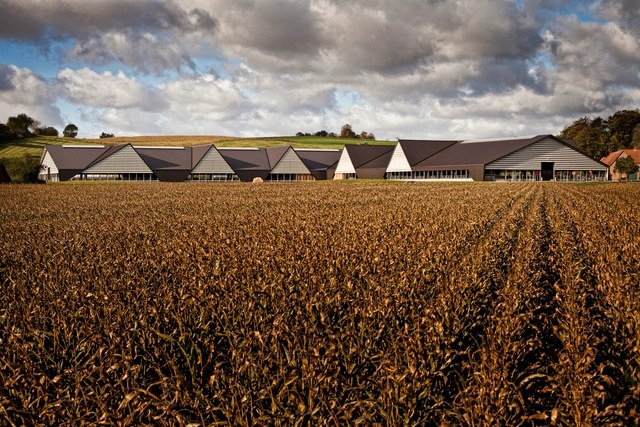
Vejlskovgaard Stable / LUMO Architects - Exterior Photography, Stable, FacadeVejlskovgaard Stable / LUMO Architects - Interior Photography, Stable, BeamVejlskovgaard Stable / LUMO Architects - Exterior Photography, Stable, FacadeVejlskovgaard Stable / LUMO Architects - Exterior Photography, Stable, Facade, DoorVejlskovgaard Stable / LUMO Architects - More Images+ 13

Odder, Denmark
  • Architects: LUMO Architects
  • Area Area of this architecture project Area:  8800
  • Year Completion year of this architecture project Year:  2012

Xiang Jing + Qu Guangci Sculpture Studio / aterlier100s+1

Xiang Jing + Qu Guangci Sculpture Studio / aterlier100s+1 - Exterior Photography, Houses, Facade, DoorXiang Jing + Qu Guangci Sculpture Studio / aterlier100s+1 - Interior Photography, HousesXiang Jing + Qu Guangci Sculpture Studio / aterlier100s+1 - HousesXiang Jing + Qu Guangci Sculpture Studio / aterlier100s+1 - HousesXiang Jing + Qu Guangci Sculpture Studio / aterlier100s+1 - More Images+ 16

  • Architects: aterlier100s+1
  • Area Area of this architecture project Area:  1257
  • Year Completion year of this architecture project Year:  2013

China's Mega Industrial Regeneration Project has Lessons for the World

Subscriber Access | 

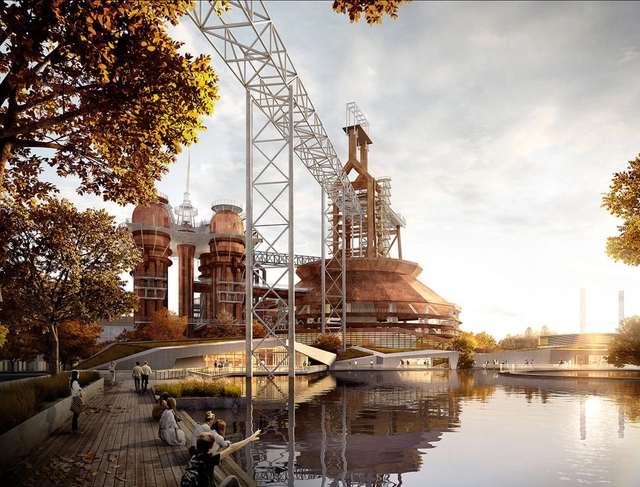
Across the world, developed cities are rebelling against heavy industry. While some reasons vary depending on local circumstances, a common global drive towards clean energy, and the shifting of developed economies towards financial services, automation, and the gig economy, is leaving a common trace within urban centers. From Beijing to Detroit, vast wastelands of steel and concrete will stand as empty relics to the age of steel and coal.

The question of what to do with these wastelands, with defunct furnaces, railways, chimneys, and lakes, may be one of the major urban questions facing generations of architects to come. What can be done when the impracticality of industrial complexes, and the precious land they needlessly occupy, collides with the embodied energy, memories, and histories which few would wish to lose?

China's Mega Industrial Regeneration Project has Lessons for the World - Image 1 of 4China's Mega Industrial Regeneration Project has Lessons for the World - Image 2 of 4China's Mega Industrial Regeneration Project has Lessons for the World - Image 3 of 4China's Mega Industrial Regeneration Project has Lessons for the World - Image 4 of 4China's Mega Industrial Regeneration Project has Lessons for the World - More Images+ 15

Shanghai Modern Art Museum / Atelier Deshaus

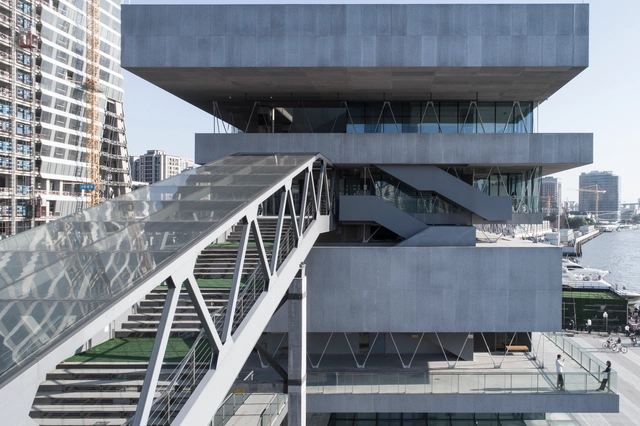
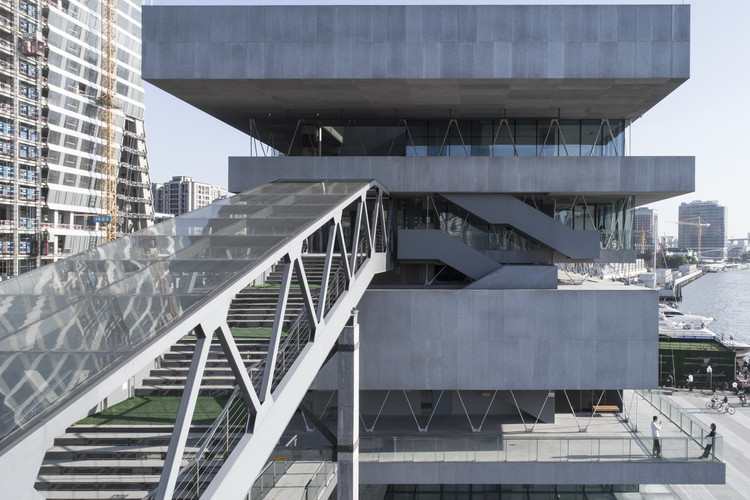
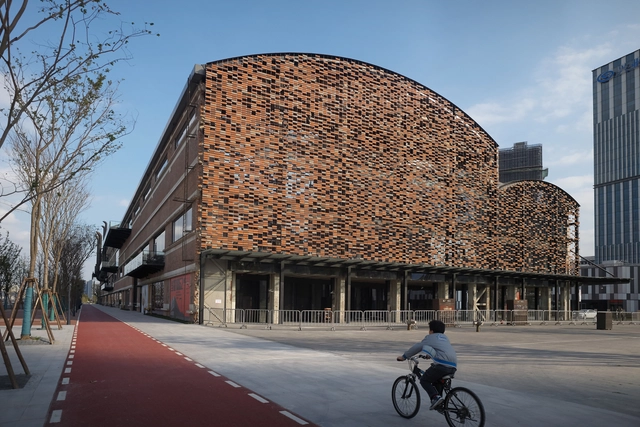
Shanghai Modern Art Museum / Atelier Deshaus - Refurbishment, FacadeShanghai Modern Art Museum / Atelier Deshaus - Refurbishment, Facade, BeamShanghai Modern Art Museum / Atelier Deshaus - Refurbishment, Stairs, HandrailShanghai Modern Art Museum / Atelier Deshaus - Refurbishment, Stairs, Facade, Handrail, CityscapeShanghai Modern Art Museum / Atelier Deshaus - More Images+ 39

Chongqing Awe-inspiring Bar / B.L.U.E. Architecture Design Studio

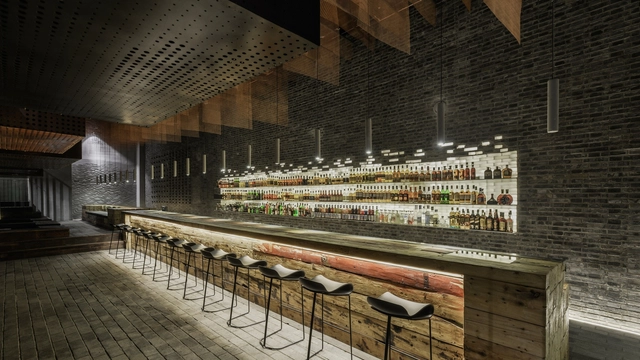
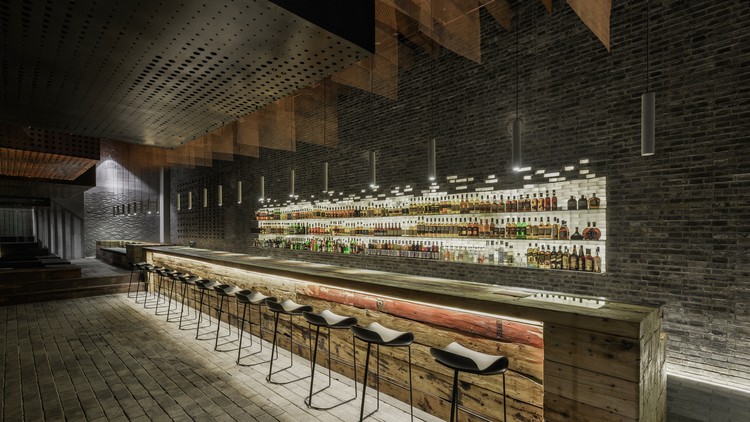
Chongqing Awe-inspiring Bar / B.L.U.E. Architecture Design Studio - Interior Design, Beam, Facade, Handrail, ColumnChongqing Awe-inspiring Bar / B.L.U.E. Architecture Design Studio - Interior Design, Door, Beam, Table, Lighting, ChairChongqing Awe-inspiring Bar / B.L.U.E. Architecture Design Studio - Interior Design, ChairChongqing Awe-inspiring Bar / B.L.U.E. Architecture Design Studio - Interior Design, Door, Facade, Column, ChairChongqing Awe-inspiring Bar / B.L.U.E. Architecture Design Studio - More Images+ 19

  • Architects: B.l.U.E. Architecture Studio
    : B.L.U.E. Architecture Design Studio
  • Area Area of this architecture project Area:  500
  • Year Completion year of this architecture project Year:  2017

New Forms of Industry: Shed #19 by Andrea Oliva Architetto

New Forms of Industry: Shed #19 by Andrea Oliva Architetto - Image 1 of 4New Forms of Industry: Shed #19 by Andrea Oliva Architetto - Image 2 of 4New Forms of Industry: Shed #19 by Andrea Oliva Architetto - Image 3 of 4New Forms of Industry: Shed #19 by Andrea Oliva Architetto - Image 4 of 4New Forms of Industry: Shed #19 by Andrea Oliva Architetto - More Images+ 18

Research is the key to Andrea Oliva’s project for Shed #19—not only because this old factory was turned into a technopole for industrial investigation, but also because the architect’s proposal used research as a way of identifying the building’s possible transformations. In this case, the rich industrial history of the plant and the area is deemed essential for its refurbishment; its recovery depends on understanding its significance.

Kengo Kuma Transforms Shanghai Shipyard Into Multi-Use Complex

Subscriber Access | 

In the Lujiazui financial district in Pudong, Shanghai, Kengo Kuma has reimagined a 1972 shipyard into a new 9,000-square-meter multi-use complex, named Shipyard 1862. Behind original, rugged brick walls, the old shipyard was once defined by a 12 by 30-meter grid, which allowed for massive interior spaces to hold ships. In this industrial-style adaptive reuse project, Kuma was careful to preserve the building’s structural and material integrity. These photographs provided by Julien Lanoo show how the industrial shell has been transformed by the refurbishment project.
Renovation of Xi'an Dahua Textile Mill / China Architecture Design Group Land-based Rationalism D.R.C

Renovation of Xi'an Dahua Textile Mill / China Architecture Design Group Land-based Rationalism D.R.C - Refurbishment, Facade, Cityscape
Aerial. Image © Frederic Henriques

Renovation of Xi'an Dahua Textile Mill / China Architecture Design Group Land-based Rationalism D.R.C - Refurbishment, FacadeRenovation of Xi'an Dahua Textile Mill / China Architecture Design Group Land-based Rationalism D.R.C - Refurbishment, Facade, Column, Fence, StairsRenovation of Xi'an Dahua Textile Mill / China Architecture Design Group Land-based Rationalism D.R.C - Refurbishment, Beam, Facade, ColumnRenovation of Xi'an Dahua Textile Mill / China Architecture Design Group Land-based Rationalism D.R.C - Refurbishment, Garden, FacadeRenovation of Xi'an Dahua Textile Mill / China Architecture Design Group Land-based Rationalism D.R.C - More Images+ 60

Margot Krasojević Designs Bridge That Sails Like a Ship

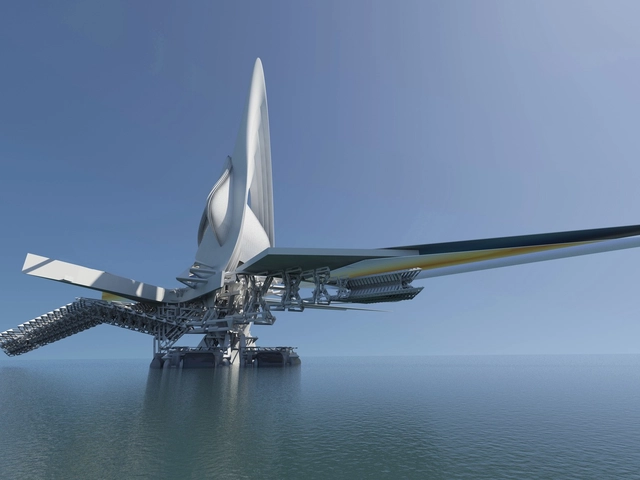
Dr. Margot Krasojević, known for creating impossibly futuristic architecture has unveiled her latest project: a bridge that can sail across the water. Dubbed the “Revolving Sail Bridge” - the experimental project was commissioned by the Ordos government in the Kanbashi District of Inner Mongolia (China) to be built across the Wulamulum River. Featuring a main floating section topped with a carbon-fibre triple sail, the flexible structure is capable of sailing anywhere across the river to relocate itself.

Margot Krasojević Designs Bridge That Sails Like a Ship - Deck, CityscapeMargot Krasojević Designs Bridge That Sails Like a Ship - CityscapeMargot Krasojević Designs Bridge That Sails Like a Ship - Image 3 of 4Margot Krasojević Designs Bridge That Sails Like a Ship - Image 4 of 4Margot Krasojević Designs Bridge That Sails Like a Ship - More Images+ 15

Bee Breeders Announces Mango Vinyl Hub Competition Winners

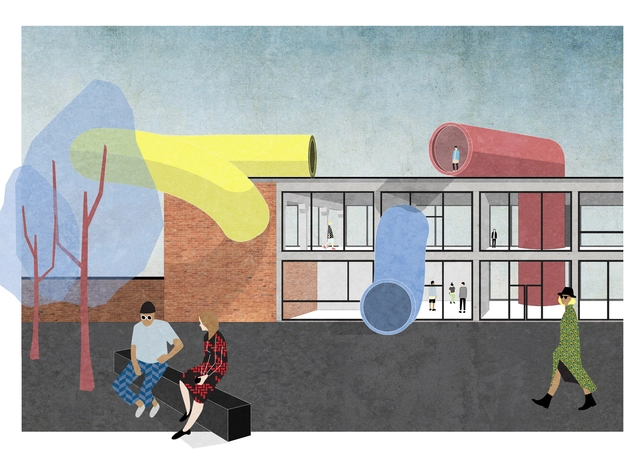
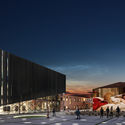
Bee Breeders have selected the winners of the Mango Vinyl Hub Competition, challenging entries to marry architecture, music, industry, and design in the repurposing of a decrepit tin foil factory in Cesis, Latvia. With a focus on the revival of the vinyl record industry, “successful projects temper the impulse of retrojecting nostalgic hallmark or tradition, through revitalization of purpose of an artifact and history of a bygone era.”

Here are the winning visions of the Mango Vinyl Hub:

Bee Breeders Announces Mango Vinyl Hub Competition Winners - Image 5 of 4Bee Breeders Announces Mango Vinyl Hub Competition Winners - Image 17 of 4Bee Breeders Announces Mango Vinyl Hub Competition Winners - Image 60 of 4Bee Breeders Announces Mango Vinyl Hub Competition Winners - Image 62 of 4Bee Breeders Announces Mango Vinyl Hub Competition Winners - More Images+ 80