1. ArchDaily
  2. Informal Commerce

Informal Commerce: The Latest Architecture and News

Coffee or Tea: Third Places, Kiosks, and the Retail Architecture of Duration

Subscriber Access | 

"Coffee or tea?" is one of those phrases that follows you across contexts: asked on airplanes, after a meal, in hotel lounges, and in meeting rooms. It sounds like a small question—mere preference, a quick fork in the service script. Yet it also carries a quiet cultural inheritance. Tea arrives with the long history of ritual and domestic pacing, tied to older geographies of trade and everyday etiquette. Coffee arrives with a different lineage of circulation, later industrialized into the modern café and its public-facing rituals. In both cases, the drink is never only a drink; it is a practiced relationship to time and space.

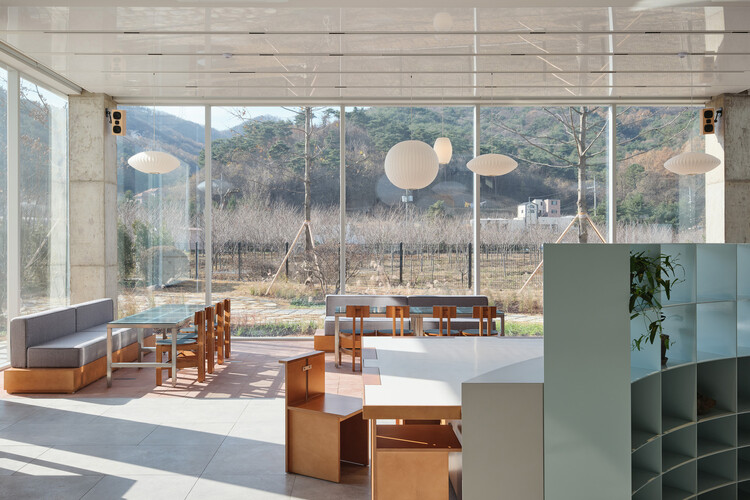
In contemporary East Asia, however, "coffee or tea" increasingly reads as something else: imperceptibly or subconsciously, it is becoming more of a choice about where you want to be. Each beverage now carries a spatial expectation. Coffee implies a room you can occupy—often a place to pause, work, meet, or cool down. Tea, despite being culturally pervasive, appears more diffusely across the city—sometimes as a dedicated destination, sometimes as a high-frequency kiosk, and very often as an embedded default within dining typologies. The result is that a question posed as taste has begun to operate as a subtle indicator of spatial preference: whether you are seeking duration or velocity, enclosure or flow, a third place or a quick node on the street.


Coffee or Tea: Third Places, Kiosks, and the Retail Architecture of Duration  - Image 1 of 4Coffee or Tea: Third Places, Kiosks, and the Retail Architecture of Duration  - Image 2 of 4Coffee or Tea: Third Places, Kiosks, and the Retail Architecture of Duration  - Image 3 of 4Coffee or Tea: Third Places, Kiosks, and the Retail Architecture of Duration  - Image 4 of 4Coffee or Tea: Third Places, Kiosks, and the Retail Architecture of Duration  - More Images+ 28

Unlocking Urban Potential: Street Vending Integration Strategies in Informal Settings

Subscriber Access | 

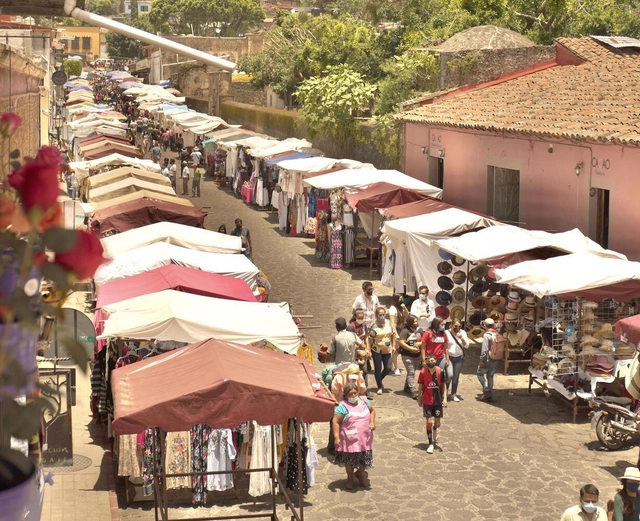
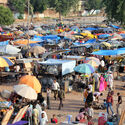
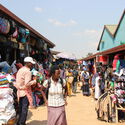
Usually defined by their open-air settings, diverse offerings, local and independent sellers, temporary nature, and acting as social hubs, street markets have been around for thousands of years. From the days of the Roman Forum to the Silk Road and the markets of ancient Greece, they are undoubtedly essential parts of urban life, or “the center of all that is unofficial.” Mostly categorized under the informal economy due to lack of regulations and authorization, street markets in the global south have often been seen as a threat to urban development. However, these erratic and adaptive urban spaces serve core functions in any developing city, acting as pillars of community in many different facets of society.

Policymakers and city officials have long struggled with informality, considering it the “antithesis of modernity.” Conventionally, the informal economy consists of activities with market value but are not formally registered, often unregulated, undocumented, and operating outside the incentive system offered by the state. Street vendors, specifically in the global south, constitute a substantial portion of the informal economy. Moreover, as cities grow and approach development, public spaces become more contested and privatized, leading to an overall mission to remove street markets or push them into formalization.

How Do You Design for Informality?

Subscriber Access | 

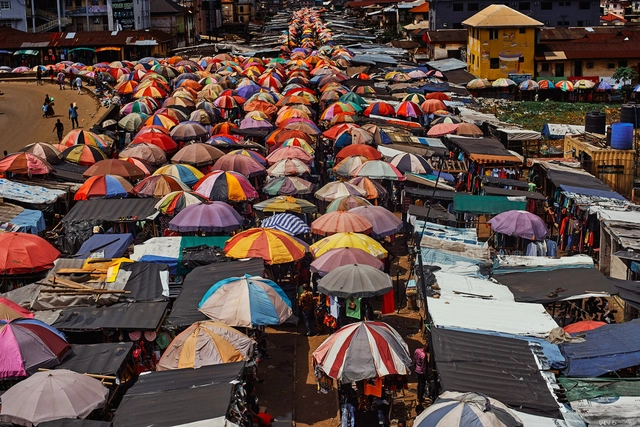
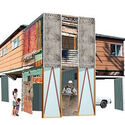
Informal architecture is the dominant mode of urbanization in rapidly growing and industrializing cities worldwide. In Delhi, the city with the largest population in India has half of its residents living in informal settlements. Lagos, with a population of over 22 million, also has 60% of its residents living in informal settlements. This pattern is also observed in Cairo, Johannesburg, Kinshasa, and other cities in the global south that face similar challenges of inequality and housing shortages. As their population grows and urbanization progresses, the exploration of informal architecture schemes to address the demand for affordable housing and basic services will only increase. While the primary purpose of design is to provide structure, lessons from informal architecture offer insights into how architects can respond to such schemes.

How Do You Design for Informality? - Image 1 of 4How Do You Design for Informality? - Image 2 of 4How Do You Design for Informality? - Image 3 of 4How Do You Design for Informality? - Image 4 of 4How Do You Design for Informality? - More Images+ 3

How Can Informal Retail Preserve Pedestrian Zones as Car Dependency Increases in African Cities?

Subscriber Access | 

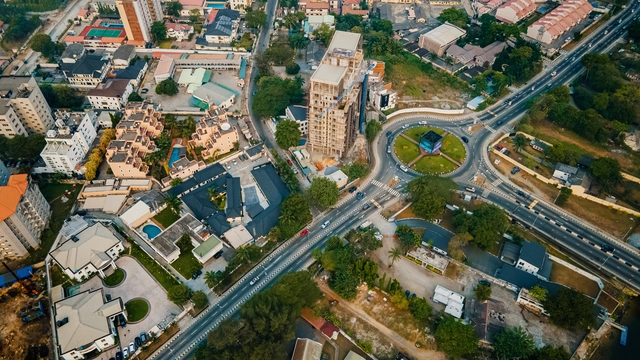
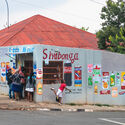
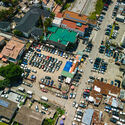
African cities are expected to experience a significant increase in population over the next 30 years. According to United Nations projections, these cities will welcome an additional 900 million inhabitants by 2050. This demographic shift will create both opportunities and challenges that will reshape the nature and structure of these cities. These challenges include the need for economic growth, increased demand for housing and infrastructure, and the development of supplementary transportation systems. So far, most African cities have responded to this rapid population growth with sprawling horizontal development patterns that expand the fringes of the city, increase social fragmentation, and ultimately lead to greater car dependency.

How Can Informal Retail Preserve Pedestrian Zones as Car Dependency Increases in African Cities? - Image 1 of 4How Can Informal Retail Preserve Pedestrian Zones as Car Dependency Increases in African Cities? - Image 2 of 4How Can Informal Retail Preserve Pedestrian Zones as Car Dependency Increases in African Cities? - Image 6 of 4How Can Informal Retail Preserve Pedestrian Zones as Car Dependency Increases in African Cities? - Image 3 of 4How Can Informal Retail Preserve Pedestrian Zones as Car Dependency Increases in African Cities? - More Images+ 4

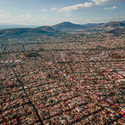
Commercial and Public Spaces: Aerial Photographs and an Interactive Map Help to Explore the Tianguis of Mexico City

Commercial and Public Spaces: Aerial Photographs and an Interactive Map Help to Explore the Tianguis of Mexico City - Image 1 of 4Commercial and Public Spaces: Aerial Photographs and an Interactive Map Help to Explore the Tianguis of Mexico City - Image 2 of 4Commercial and Public Spaces: Aerial Photographs and an Interactive Map Help to Explore the Tianguis of Mexico City - Image 3 of 4Commercial and Public Spaces: Aerial Photographs and an Interactive Map Help to Explore the Tianguis of Mexico City - Image 4 of 4Commercial and Public Spaces: Aerial Photographs and an Interactive Map Help to Explore the Tianguis of Mexico City - More Images+ 1

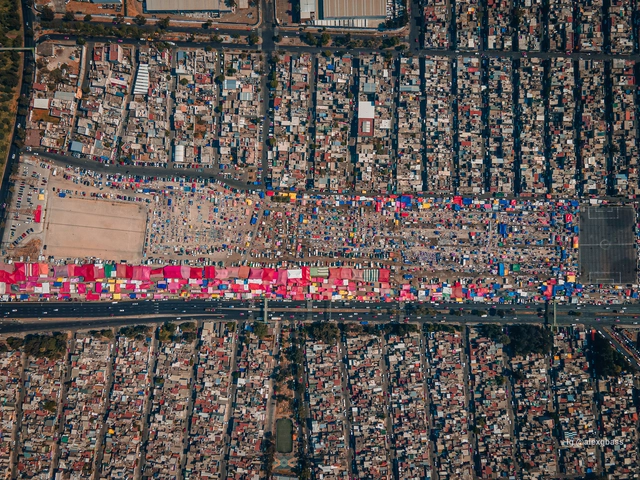
Commerce has seen many changes over the past few years, especially as people worldwide have found new ways to connect and work with one another. In spite of this rapid progress, traditional commerce and cultures remain strong in Mexico City's tianguis, derived from the Nahuatl word tianquiz(tli) for “market." These open air spaces have operated since before European invasion and colonization, when bartering was the primary means of commerce and transactions were done in large public areas like plazas and corridors. Eventually, products derived from copper and cacao became a form of currency with which to purchase basic necessities.