1. ArchDaily
  2. Informality

Informality: The Latest Architecture and News

Leisure Architecture: 13 Projects Shaping Togetherness Across Generations

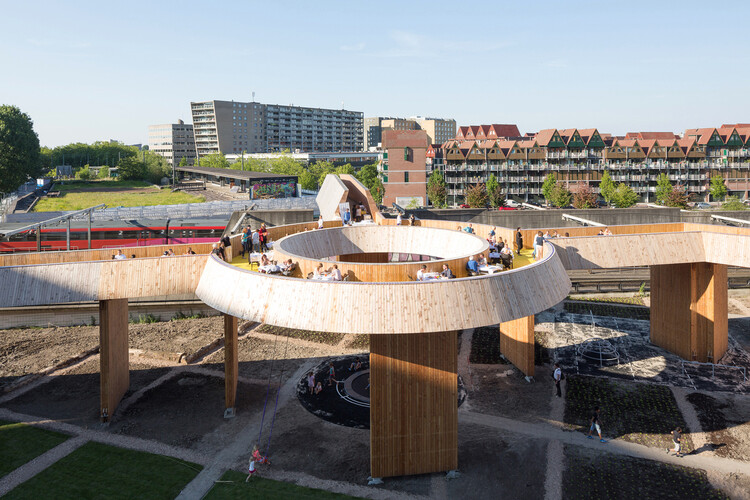
Leisure spaces are often where different generations cross paths. Without formal programs or assigned roles, they allow people to move, pause, and remain together, each engaging space in their own way. In a built environment increasingly shaped by specialization and separation, these shared spatial grounds have become less common, giving leisure-oriented architecture a renewed relevance.

Discussions around public space have repeatedly pointed to the value of openness and flexibility in supporting collective life. As architect Herman Hertzberger has noted, "the more a space can be interpreted in different ways, the more people it can accommodate." Rather than attempting to create interaction, architecture shapes the conditions that make togetherness possible.

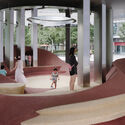
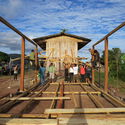
Leisure Architecture: 13 Projects Shaping Togetherness Across Generations - Image 1 of 4Leisure Architecture: 13 Projects Shaping Togetherness Across Generations - Image 2 of 4Leisure Architecture: 13 Projects Shaping Togetherness Across Generations - Image 3 of 4Leisure Architecture: 13 Projects Shaping Togetherness Across Generations - Image 4 of 4Leisure Architecture: 13 Projects Shaping Togetherness Across Generations - More Images+ 10

What Architectural Opportunities Will the Trans-West African Coastal Highway Provide?

Subscriber Access | 

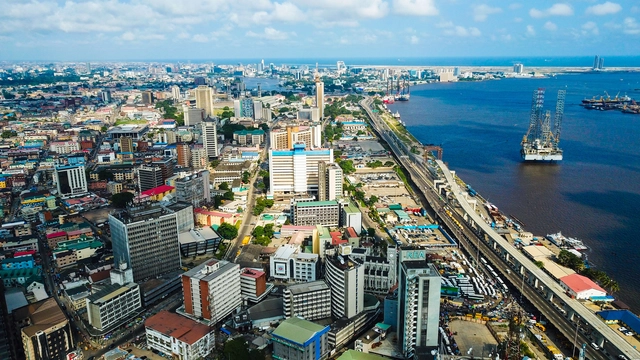
Traveling on land through vast regional areas of African countries has been an inefficient ordeal, particularly in West Africa. Google Maps optimistically estimates it would take 53 hours to drive nonstop from Lagos, Nigeria's largest city, to Dakar, Senegal's capital. However, this estimate doesn't account for the poor road infrastructure, complex border crossings, and socio-economic challenges that realistically extend the journey to about a week.

This is why the ongoing Trans-West African Coastal Highway project offers a great opportunity to connect and unlock the region's potential. This project, also known as TAH 7, is a transnational highway initiative linking 12 West African coastal nations, from Mauritania in the northwest to Nigeria in the east. Its gradual construction opens new avenues for freight movement, rail infrastructure, and, more importantly, innovative forms of architecture around borders, addressing their unique socio-cultural functions.

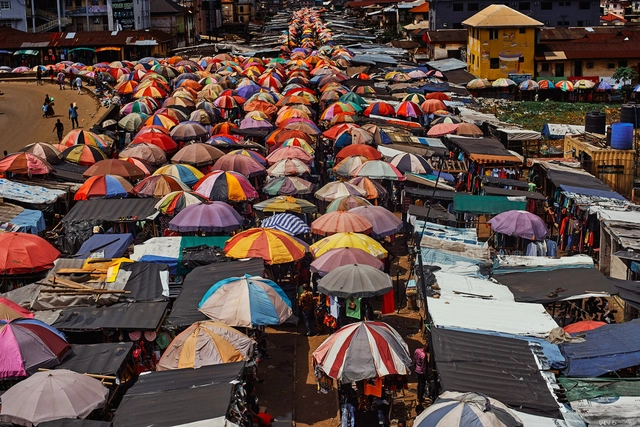
What Architectural Opportunities Will the Trans-West African Coastal Highway Provide? - Image 1 of 4What Architectural Opportunities Will the Trans-West African Coastal Highway Provide? - Image 2 of 4What Architectural Opportunities Will the Trans-West African Coastal Highway Provide? - Image 3 of 4What Architectural Opportunities Will the Trans-West African Coastal Highway Provide? - Image 4 of 4What Architectural Opportunities Will the Trans-West African Coastal Highway Provide? - More Images+ 4

Colors of the Favela: The Transformative Impact of Painting on Communities

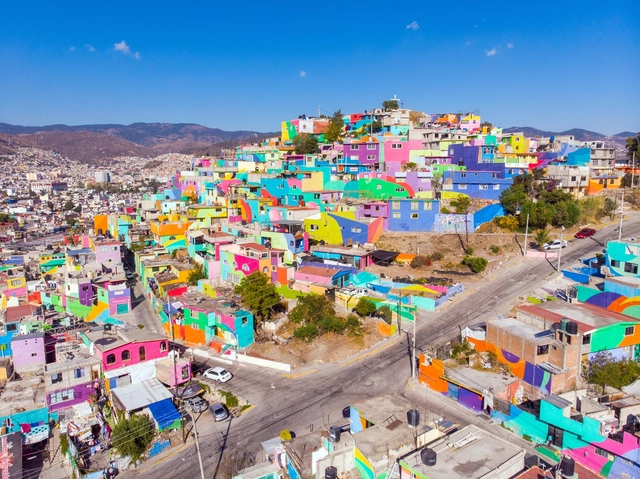
In the perception of many, the favela embodies contradictory and opposed representations. For those outside its boundaries, the favela is frequently associated with crime, poverty, or illness. Yet, it is also regarded as the aesthetic embodiment of a nation, serving as the birthplace of culturally renowned elements worldwide, such as samba in the case of Brazil.

Colors of the Favela: The Transformative Impact of Painting on Communities - Image 1 of 4Colors of the Favela: The Transformative Impact of Painting on Communities - Image 2 of 4Colors of the Favela: The Transformative Impact of Painting on Communities - Image 3 of 4Colors of the Favela: The Transformative Impact of Painting on Communities - Image 4 of 4Colors of the Favela: The Transformative Impact of Painting on Communities - More Images

How Do You Design for Informality?

Subscriber Access | 

Informal architecture is the dominant mode of urbanization in rapidly growing and industrializing cities worldwide. In Delhi, the city with the largest population in India has half of its residents living in informal settlements. Lagos, with a population of over 22 million, also has 60% of its residents living in informal settlements. This pattern is also observed in Cairo, Johannesburg, Kinshasa, and other cities in the global south that face similar challenges of inequality and housing shortages. As their population grows and urbanization progresses, the exploration of informal architecture schemes to address the demand for affordable housing and basic services will only increase. While the primary purpose of design is to provide structure, lessons from informal architecture offer insights into how architects can respond to such schemes.

How Do You Design for Informality? - Image 1 of 4How Do You Design for Informality? - Image 2 of 4How Do You Design for Informality? - Image 3 of 4How Do You Design for Informality? - Image 4 of 4How Do You Design for Informality? - More Images+ 3