1. ArchDaily
  2. Labor

Labor: The Latest Architecture and News

From Design Movements to Materials: Reflecting on Architectural Exhibitions in 2024

Reflecting on 2024, numerous architectural exhibitions have opened worldwide, addressing various themes, exhibition formats, and featured architects. Architectural design and architecture practice influence our daily lives in subtle and often unnoticed ways, where the end-users embrace built environments as they are. This reaction may arise from a combination of factors, such as a sense of powerlessness to enact significant change after a building is constructed or the experience of growing up in environments over which individuals had little or no agency in shaping. For these reasons, architectural exhibitions serve an essential purpose, offering society a chance to pause, reflect, and critically examine the myriad issues that surface during designing and building. These issues are often overlooked or need to be acknowledged, as practitioners may prioritize delivering projects within strict timelines over exploring more profound reflections.

In 2024, museums, galleries, and curators responded to the evolving challenges within the built environment with various approaches. Some exhibitions questioned the ethics of building materials and the practices behind supply chains, drawing attention to the broader implications of material choices. Others focused on documenting architectural movements worldwide, emphasizing their cultural and historical significance and the urgent need to preserve and adapt rather than replace them with entirely new builds. These efforts highlight the role of exhibitions in raising awareness about pressing issues while fostering a more critical dialogue about the architectural discipline.

From Design Movements to Materials: Reflecting on Architectural Exhibitions in 2024 - Image 1 of 4From Design Movements to Materials: Reflecting on Architectural Exhibitions in 2024 - Image 2 of 4From Design Movements to Materials: Reflecting on Architectural Exhibitions in 2024 - Image 3 of 4From Design Movements to Materials: Reflecting on Architectural Exhibitions in 2024 - Image 4 of 4From Design Movements to Materials: Reflecting on Architectural Exhibitions in 2024 - More Images+ 20

Building Methods in Focus: The Solid vs Hollow Partitioning Debate

Subscriber Access | 

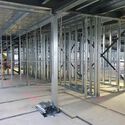
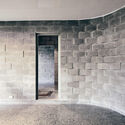
Two primary building approaches are commonly identified in architecture and design: solid versus hollow construction. These methods vary significantly across different cultures and regions, specifically for interior partitioning systems, when they appear interchangeable. Each has its own established practices influenced by local materials, labor preferences, climatic conditions, and cultural traditions. When architects and designers focus on their local context, it is easy to overlook the broader construction assumptions, limiting design flexibility and methodology. This raises an important question: How do these two building approaches differ?

Focusing mainly on interior systems, the distinctions between solid and hollow construction largely stem from the availability of materials and workforce preferences. For example, in the United States and Japan, stud walls, both wood and metal, are frequently used for partitioning. Conversely, brick remains the predominant material for partition walls in regions such as Hong Kong and southern China. Why do we build differently, and what are the benefits and challenges of each building methodology?

Building Methods in Focus: The Solid vs Hollow Partitioning Debate - Image 1 of 4Building Methods in Focus: The Solid vs Hollow Partitioning Debate - Image 2 of 4Building Methods in Focus: The Solid vs Hollow Partitioning Debate - Image 3 of 4Building Methods in Focus: The Solid vs Hollow Partitioning Debate - Image 4 of 4Building Methods in Focus: The Solid vs Hollow Partitioning Debate - More Images+ 14

Fighting Slavery and Child Labor in Architecture: An Interview with Sharon Prince

Subscriber Access | 

Dismantling the system of slave and child labor in the architecture and construction industry does not seem like a simple task, especially on a global scale. However, this is precisely the mission of the Design for Freedom (DFF) initiative, created by CEO and founder of the Grace Farms Foundation, Sharon Prince, along with Bill Menking, professor and editor-in-chief of The Architect's Newspaper.

Through events and freely available tools, Design for Freedom seeks to "raise awareness and inspire responses to halt forced labor in the construction materials supply chain," offering paths to ensure transparency and ethics in the architectural production process.

From Hidden Backrooms to Storage Units, Domestic Workers and the Evolution of their Living Space

Looking through interior images of houses, we often see grand bedrooms with an influx of natural lighting. We see inviting open-space living rooms, lush terraces, and kitchens with high-end equipment and refined finishes. But what we don't see is that behind these sleek walls are small neglected bedrooms without proper ventilation, natural lighting, or space to move around, dedicated to those who cater to the entire household.  

The disparate spatial configuration and "colonial" approach to the living conditions of servants and foreign laborers have existed long before the rise of congested cities and micro-apartments. Household owners, or at least a good sum of them, have always felt that domestic workers needed and deserved less space to reside in, not just in terms of spatial area, but in terms of necessary living conditions for a better, more comfortable life.

From Hidden Backrooms to Storage Units, Domestic Workers and the Evolution of their Living Space - Image 1 of 4From Hidden Backrooms to Storage Units, Domestic Workers and the Evolution of their Living Space - Image 2 of 4From Hidden Backrooms to Storage Units, Domestic Workers and the Evolution of their Living Space - Image 3 of 4From Hidden Backrooms to Storage Units, Domestic Workers and the Evolution of their Living Space - Image 4 of 4From Hidden Backrooms to Storage Units, Domestic Workers and the Evolution of their Living Space - More Images+ 14

The Architecture of Labor: Working Conditions and the New Normal

Subscriber Access | 

Labor gives rise to design. As the aggregate of physical and mental effort used in the creation of goods and services, labor is tied to both what we create and our process. In a field shaped by production, architecture and design depend on labor from a broad range of professionals. But as workers increasingly put in longer hours and traditional measures of security change, questions of labor practices have arisen amid broader conditions of contemporary work culture. 

Architecture's "Dark Products": What Do Architects Claim Ownership of in the Design Process?

Subscriber Access | 

Why do we build? How do we build? Who do we ultimately build for? These have been questions that have dominated the worlds of both practice and pedagogy since the early ages of architecture. On a basic level, those questions can be answered almost reflexively, with a formulaic response. But is it time to look beyond just the simple why, how, and who?

In a world where the physical processes of architecture are becoming increasingly less important and digital processes proliferate through all phases of architectural ideas and documentation, we should perhaps be looking to understand the ways in which architects work, and examine how we can claim the processes—not just the products—of our labors.