1. ArchDaily
  2. lessons

lessons: The Latest Architecture and News

Lessons from Roberto Burle Marx: Designing Resilient and Evolving Urban Landscapes

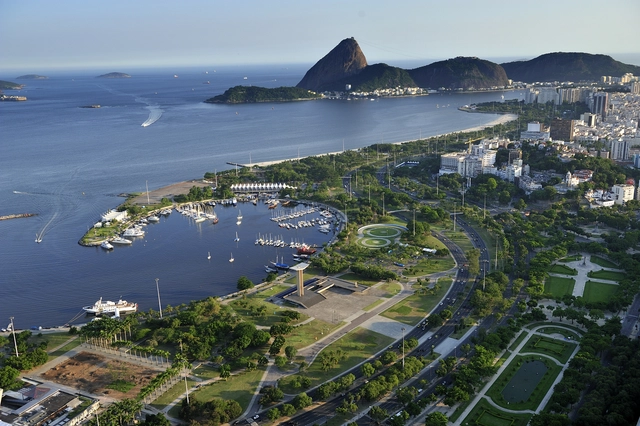
Roberto Burle Marx is often celebrated as a pioneering figure in landscape architecture, particularly for his innovative approach to integrating nature within urban environments. His work, characterized by a deep respect for native flora and a commitment to ecological balance, offers valuable lessons for contemporary landscape architects. At a time when climate change and biodiversity loss are pressing global concerns, revisiting Burle Marx's principles provides insight into creating urban spaces that are not only functional and aesthetically pleasing but also resilient and sustainable.

From the 1930s to the 1990s, Burle Marx's work anticipated many of today's concerns about sustainability and urban well-being. Long before terms like "sustainable design" or "green infrastructure" became commonplace, Burle Marx was already advocating for the use of native plants, recognizing their role in creating self-sustaining ecosystems that required minimal intervention. His projects often transformed neglected urban areas into vibrant, ecologically balanced spaces that not only improved the environment but also enhanced the quality of life for city dwellers.

Lessons from Roberto Burle Marx: Designing Resilient and Evolving Urban Landscapes - Image 26 of 4Lessons from Roberto Burle Marx: Designing Resilient and Evolving Urban Landscapes - Image 1 of 4Lessons from Roberto Burle Marx: Designing Resilient and Evolving Urban Landscapes - Image 3 of 4Lessons from Roberto Burle Marx: Designing Resilient and Evolving Urban Landscapes - Image 7 of 4Lessons from Roberto Burle Marx: Designing Resilient and Evolving Urban Landscapes - More Images+ 23

5 Lessons From Norman Foster’s Lecture at the Barbican

Subscriber Access | 

After being knighted in 1990 for services to architecture, winning the 1999 Pritzker Prize and then gaining peerage in the same year, it could be argued that there is no living architect that has had a larger impact on urban life than Norman Foster. In a recent talk, Foster addressed a sold-out Barbican Hall on the future of our growing urban landscape, in the seventh installment of the Architecture On Stage series organized by The Architecture Foundation with the Barbican. While the content was full of grandiose statements and predictions, of a scale similar to the projects Foster's practice undertakes, it was the problem-solving approach he showed that gave more of an insight into the man himself. The following 5 lessons gleaned from the presentation won't guarantee Foster-like levels of success, but they may be able to help you navigate the challenges that architecture can present, both personally and professionally.