-
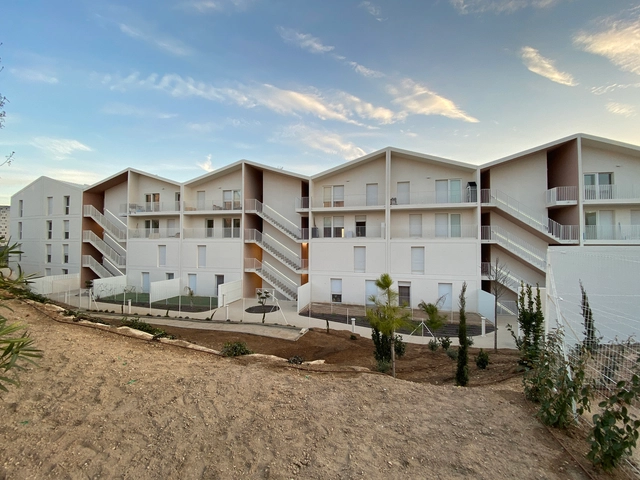
Architects: Brenac & Gonzalez & Associés
- Area: 3575 m²
- Year: 2025
-
Manufacturers: Alto, PROROCH
-
Professionals: MOZ, Bollingher & Grohmann, ENVISOL, Eiffage Construction



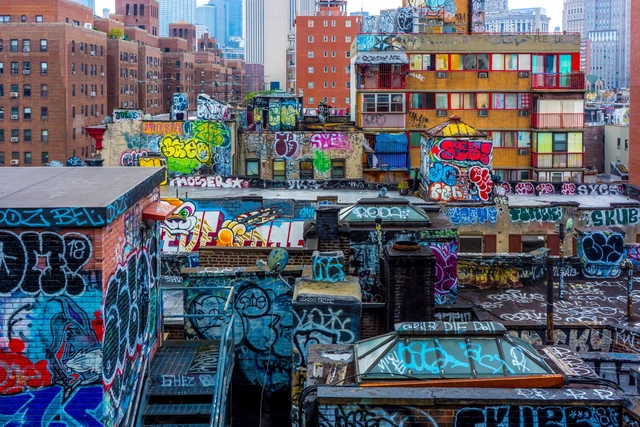
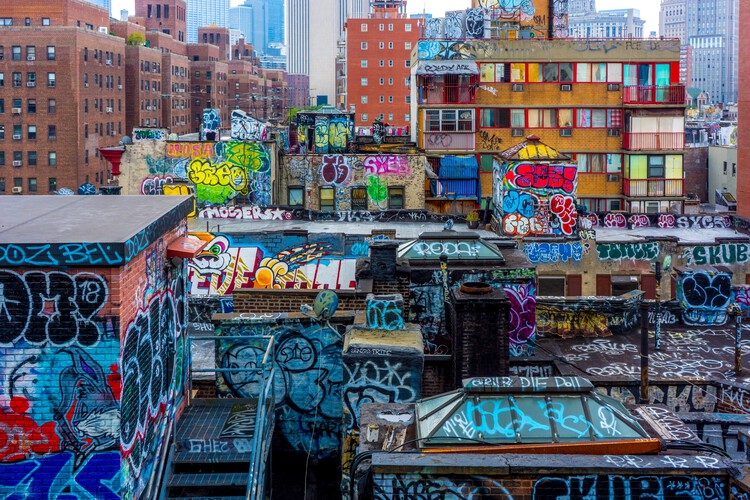
Graffiti, as an art form, has a complex relationship with gentrification. On one hand, it has engaged the streets and urban fabric as a canvas for people to express themselves culturally and socio-politically. This expression could be a form of rebellion by ethnic minorities and disadvantaged groups in certain neighborhoods, or it can build up a sense of cultural uniqueness and social expression, giving a neighborhood a positive character and attracting newcomers. However, over the years, the latter has been an agent of gentrification, spiking up property values to accommodate richer residents and alienating the native communities of those neighborhoods.
In certain instances, artists recognize their role in this urban scheme and tweak their art form through its style, message, location, and action as direct forms of protest to fight against gentrification. From Brixton, Shoreditch, and Hackney in London, Williamsburg and Bushwick in New York, to The Canal Saint-Denis and Belleville in Paris, the use of graffiti on the streetscapes of these neighborhoods can either protest or inspire different forms of development.
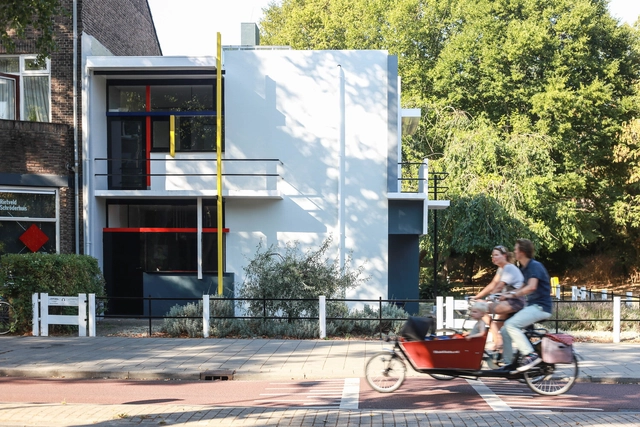
Given that the architects of modernity were in search of purity of form, it stands to reason that the image of this modern architecture is almost inevitably rendered in white in the collective imagination. Relieved of superfluous decorations, modern architecture became associated with the predominant use of white surfaces to highlight the volumetric composition. Combined with the concept of “material truth” first articulated by Victorian critic John Ruskin, white-colored architecture is often understood as straightforward, clear, and sincere.
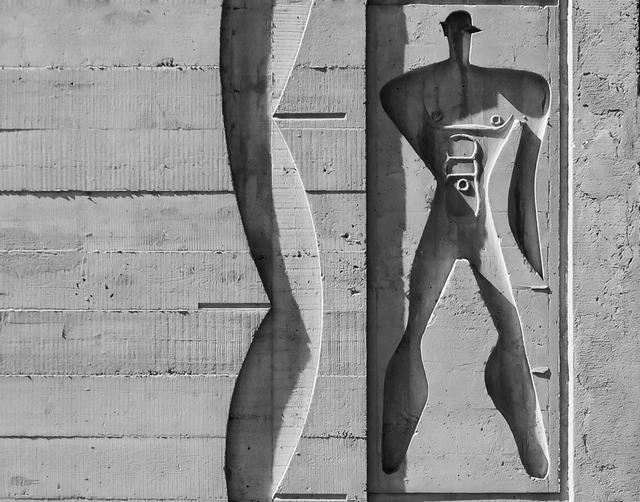
The infamous Unite d' Habitation, the first in Le Corbusier's new line of housing projects that emphasized community living for all the residents, was completed in 1952. For its 70th anniversary, world-renowned photo artist Paul Clemence reveals a unique photo series of the building as it stands today. The photographs honor the construction that initiated the brutalist movement and showcase the infamous project's current condition.
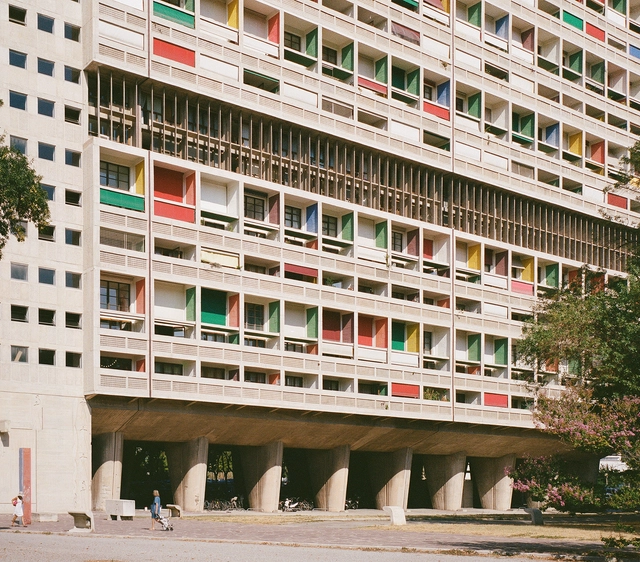
Text description provided by the architects. After World War II, the need for housing was at an unprecedented high. The Unite d’Habitation in Marseille, France was the first large scale project for the famed architect, Le Corbusier. In 1947, Europe was still feeling the effects of the Second World War, when Le Corbusier was commissioned to design a multi-family residential housing project for the people of Marseille that were dislocated after the bombings on France.
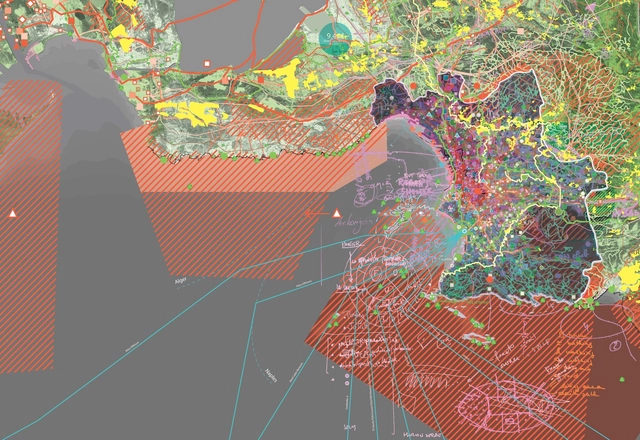
MVRDV and The Why Factory (Delft University of Technology) revealed “Le Grand Puzzle”, a book that holds ambitious ideas for Marseille, in the south of France. In fact, the study, made from 2018 to the start of 2020, “proposes a methodology, an agenda, and an analysis to portray today’s Marseille”.





















.jpg?1598810187 "Courtesy of MVRDV")