1. ArchDaily
  2. Mecanoo

Mecanoo: The Latest Architecture and News

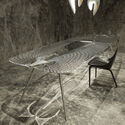
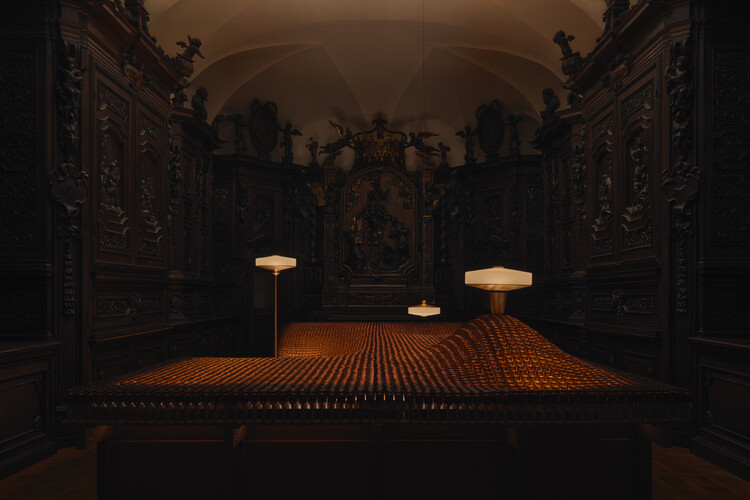
From Lighting to Modular Systems: ArchDaily’s Selection of 13 Architect-Designed Objects at Milan Design Week 2026

Each spring, Milan Design Week 2026 transforms the city into a distributed platform for design culture, where prototypes, product launches, and research-driven explorations coexist across multiple scales, including a growing presence of architect-designed objects. Held from April 20 to 26, the 2026 edition once again centered around the 64th Salone del Mobile.Milano at Fiera Milano, complemented by a network of independent venues and exhibitions throughout the city, an expanded landscape that is further reflected in ArchDaily's accompanying selection of installations and exhibitions from this year's program.
From Lighting to Modular Systems: ArchDaily’s Selection of 13 Architect-Designed Objects at Milan Design Week 2026 - Image 1 of 4From Lighting to Modular Systems: ArchDaily’s Selection of 13 Architect-Designed Objects at Milan Design Week 2026 - Image 2 of 4From Lighting to Modular Systems: ArchDaily’s Selection of 13 Architect-Designed Objects at Milan Design Week 2026 - Image 3 of 4From Lighting to Modular Systems: ArchDaily’s Selection of 13 Architect-Designed Objects at Milan Design Week 2026 - Image 4 of 4From Lighting to Modular Systems: ArchDaily’s Selection of 13 Architect-Designed Objects at Milan Design Week 2026 - More Images+ 6

What Lies Beneath: 10 Projects Reshaping the Ground Level

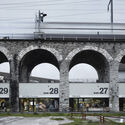
Architecture has long been drawn to the idea of lightness. From early modernist experiments that sought to preserve landscapes, elevating buildings has been understood as a way to preserve the ground while maintaining continuity across the terrain. Volumes are lifted on columns, infrastructures detach circulation from the surface, and entire programs are suspended above the ground.

This was formalised in the early twentieth century through Le Corbusier's concept of the pilotis, which proposed the liberation of the ground floor from enclosure. By raising buildings on columns, architects sought to maintain continuity with the terrain, allowing movement, vegetation, and collective use to unfold beneath constructed volumes. The building would occupy the air, while the ground would remain open, accessible, and shared.

What Lies Beneath: 10 Projects Reshaping the Ground Level - Image 1 of 4What Lies Beneath: 10 Projects Reshaping the Ground Level - Image 2 of 4What Lies Beneath: 10 Projects Reshaping the Ground Level - Image 3 of 4What Lies Beneath: 10 Projects Reshaping the Ground Level - Image 4 of 4What Lies Beneath: 10 Projects Reshaping the Ground Level - More Images+ 19

The Illusion of Lightness: Designing Civic Voids for Public Life

In our current cities, urban density and rising land values often force a choice between large-scale civic buildings and open public space. Traditionally, plazas have been treated as areas surrounding a building's footprint, but this strategy was modified when pilotis were introduced by the early 20th-century modernist movement. While the original intent was to create a sense of lightness that would allow circulation and light to flow beneath a structure, contemporary requirements for seismic loads, fire egress, and heavy occupancies render thin columns insufficient for the needs of current large-scale civic projects.

However, the pursuit of architectural lightness is not a strictly contemporary phenomenon. Following the modernist introduction of pilotis, several mid-century projects began experimenting with the illusion of suspension to achieve civic transparency. In 1953, the National Congress of Honduras in Tegucigalpa, designed by Mario Valenzuela, applied these principles to a legislative setting. The building consists of a solid assembly chamber elevated on a series of slender columns. Because the site sits on a terrace at the end of a sloping street, the resulting void does more than just provide circulation; it frames views of the city, creating the impression that the heavy legislative mass is lightly suspended above the urban fabric.

The Illusion of Lightness: Designing Civic Voids for Public Life - Image 1 of 4The Illusion of Lightness: Designing Civic Voids for Public Life - Image 2 of 4The Illusion of Lightness: Designing Civic Voids for Public Life - Image 3 of 4The Illusion of Lightness: Designing Civic Voids for Public Life - Image 4 of 4The Illusion of Lightness: Designing Civic Voids for Public Life - More Images+ 11

Making Infrastructure Visible: When Systems Become Architecture

For centuries, large-scale infrastructure operated in the background. Ports, power plants, and energy facilities were positioned at the edges of cities, designed primarily for efficiency, and rarely considered part of civic life. Their function was indispensable, yet their architectural presence remained secondary. These structures supported urban growth and global exchange while maintaining a spatial distance from everyday urban experience.

Today, this condition is gradually shifting. As global trade intensifies and energy systems expand in complexity, the buildings that coordinate and house these networks are becoming more visible within the urban landscape. Rather than remaining neutral containers for technical operations, they begin to assert spatial identity. Infrastructure is no longer only operational; it is increasingly institutional, symbolic, and urban. The architecture that supports these systems now participates in how cities project themselves.

Making Infrastructure Visible: When Systems Become Architecture - Image 1 of 4Making Infrastructure Visible: When Systems Become Architecture - Image 2 of 4Making Infrastructure Visible: When Systems Become Architecture - Image 3 of 4Making Infrastructure Visible: When Systems Become Architecture - Image 4 of 4Making Infrastructure Visible: When Systems Become Architecture - More Images+ 6

Rotterdam’s Sustainability Landmark and Brisbane’s 2032 Olympic Stadium: This Week’s Review

Architecture this week reflects the intersections of legacy, authorship, and social responsibility, as practices navigate questions of identity, recognition, and public engagement. Legal rulings, major competition shortlists, and large-scale urban proposals illustrate how architecture continues to operate across cultural, institutional, and environmental arenas. From sustainability-driven landmarks and transformative waterfront developments to iconic commercial towers, projects demonstrate approaches to ecological strategies and public programming. At the same time, global observances such as World Hearing Day highlight how spatial design shapes inclusion and accessibility, reminding the profession that the built environment can influence participation, learning, and well-being for diverse communities.

Rotterdam’s Sustainability Landmark and Brisbane’s 2032 Olympic Stadium: This Week’s Review - Image 1 of 4Rotterdam’s Sustainability Landmark and Brisbane’s 2032 Olympic Stadium: This Week’s Review - Image 2 of 4Rotterdam’s Sustainability Landmark and Brisbane’s 2032 Olympic Stadium: This Week’s Review - Image 3 of 4Rotterdam’s Sustainability Landmark and Brisbane’s 2032 Olympic Stadium: This Week’s Review - Image 4 of 4Rotterdam’s Sustainability Landmark and Brisbane’s 2032 Olympic Stadium: This Week’s Review - More Images+ 11

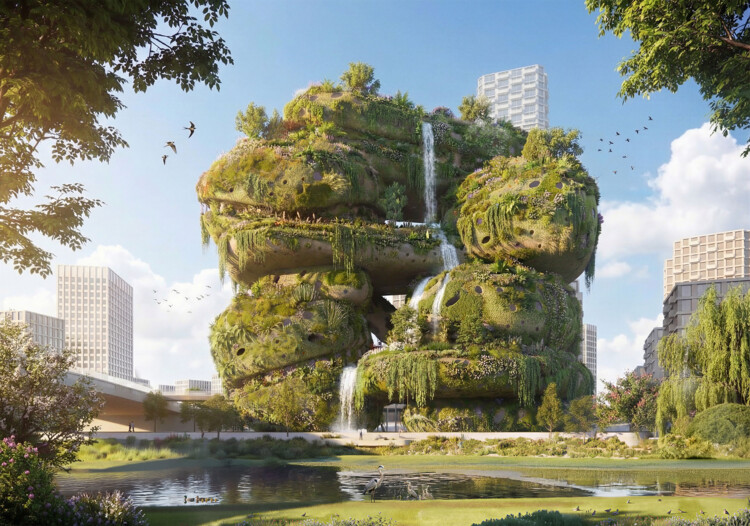
MVRDV, Heatherwick Studio, and Mecanoo Among Five Shortlisted Teams for Shift Sustainability Landmark in Rotterdam

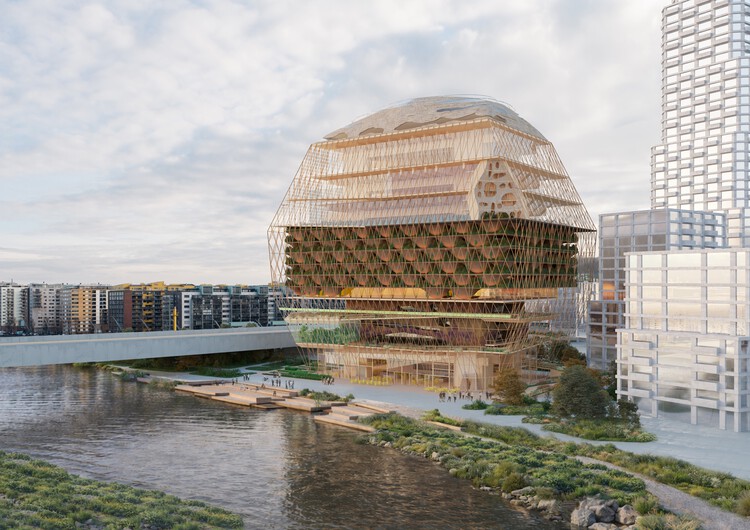
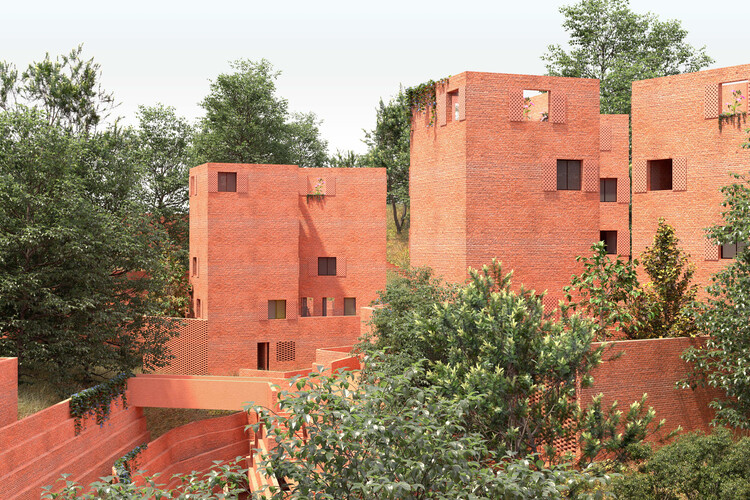
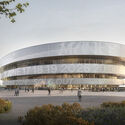
Shift, a company offering digital programs to reduce carbon emissions through individual behavior change, has announced the five finalist teams advancing to Stage Two of its international architecture competition. Launched in January 2025, the Shift International Architecture Competition called for proposals to design "the Shift Landmark": a 25,000 to 30,000 m² building in Waterkant, a new waterfront district in southern Rotterdam. The project includes a hotel, a conference and meeting center, and a sustainable food court. Its objective is to set a new standard for a purpose-driven destination that turns circular living into "something individuals, companies, and organisations can feel, experience, and act on." The five shortlisted design concepts reflect different visions of sustainability and climate action, developed by teams led by the European offices of MVRDV (Netherlands), Heatherwick Studio (United Kingdom), Office for Political Innovation (Spain), Mecanoo (Netherlands), and Ecosistema Urbano (Spain).
MVRDV, Heatherwick Studio, and Mecanoo Among Five Shortlisted Teams for Shift Sustainability Landmark in Rotterdam - Image 1 of 4MVRDV, Heatherwick Studio, and Mecanoo Among Five Shortlisted Teams for Shift Sustainability Landmark in Rotterdam - Image 2 of 4MVRDV, Heatherwick Studio, and Mecanoo Among Five Shortlisted Teams for Shift Sustainability Landmark in Rotterdam - Image 3 of 4MVRDV, Heatherwick Studio, and Mecanoo Among Five Shortlisted Teams for Shift Sustainability Landmark in Rotterdam - Image 4 of 4MVRDV, Heatherwick Studio, and Mecanoo Among Five Shortlisted Teams for Shift Sustainability Landmark in Rotterdam - More Images+ 25

The 20 Most Anticipated Projects of 2026

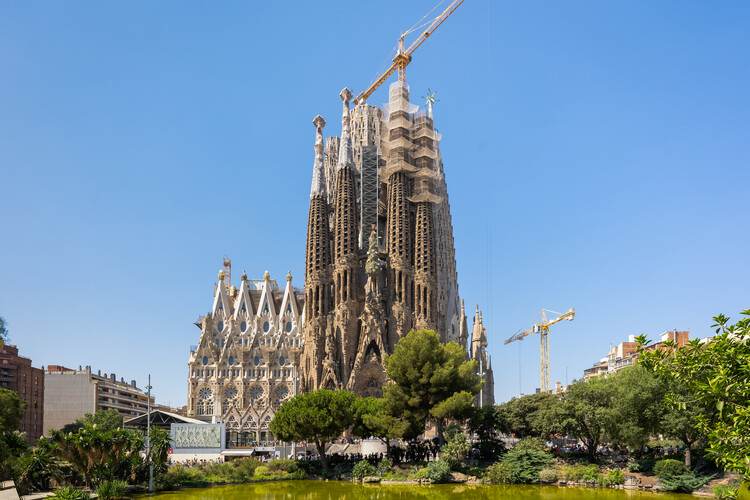
As 2025 concludes, we look ahead to 2026, a year scheduled to deliver a diverse range of significant architectural projects across the world. The year is particularly notable for the completion of new infrastructure and cultural buildings, including long-term projects. Europe will be in the spotlight of the new year with the Milano Cortina 2026 Winter Olympics. This event will feature projects such as the Olympic Village by SOM and the Winter Olympics Arena by David Chipperfield Architects. Also in Milan, BIG is set to complete construction of the City Wave project as part of a new business district in the city. At the same time, after more than 140 years of its establishment, the architects around the world will also be watching for the long-awaited completion of Antoni Gaudí's La Sagrada Familia in Barcelona, announced for 2026.

The 20 Most Anticipated Projects of 2026 - Image 2 of 4The 20 Most Anticipated Projects of 2026 - Image 8 of 4The 20 Most Anticipated Projects of 2026 - Image 10 of 4The 20 Most Anticipated Projects of 2026 - Image 11 of 4The 20 Most Anticipated Projects of 2026 - More Images+ 18

Global Urban Transformation and Climate-Responsive Design from Venice to Rio: This Week’s Review

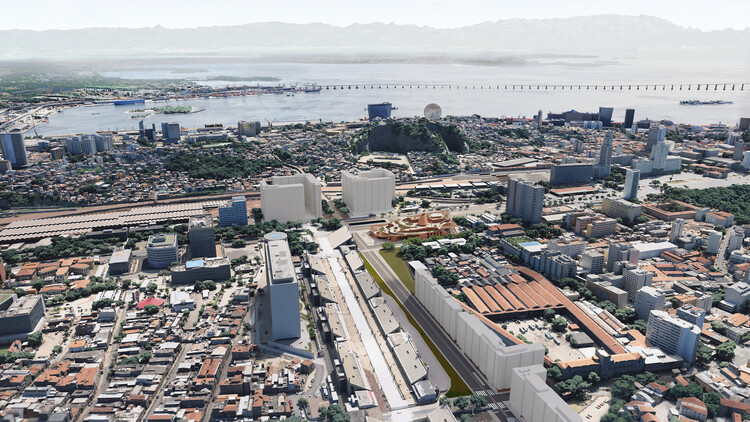
Amid ongoing global discussions on climate adaptation and resilient urban development brought into sharper focus by the outcomes of COP30, this week's architecture news illustrates how cities worldwide are rethinking their built environments. From Venice, where the 19th Architecture Biennale concluded with debates on material use and long-term cultural impact, to international awards foregrounding regenerative and socially responsive design, the conversation around architecture is increasingly intertwined with planetary priorities. Major urban interventions, from Thessaloniki's seafront redevelopment and Rio de Janeiro's new public library, to Abu Dhabi's Natural History Museum and a civic stadium in Birmingham, demonstrate how multiple cities are addressing mobility, heritage, density, and climate resilience. Additional plans, such as Mantua's ecological urban strategy, Utrecht's elevated landscape above transport networks, and Amsterdam Airport Schiphol's redesigned landside mobility system, further reflect a transition toward integrated, people-centred urban frameworks that prioritize environmental performance, public space, and long-term territorial stewardship.

Global Urban Transformation and Climate-Responsive Design from Venice to Rio: This Week’s Review - Image 1 of 4Global Urban Transformation and Climate-Responsive Design from Venice to Rio: This Week’s Review - Image 2 of 4Global Urban Transformation and Climate-Responsive Design from Venice to Rio: This Week’s Review - Image 3 of 4Global Urban Transformation and Climate-Responsive Design from Venice to Rio: This Week’s Review - Image 4 of 4Global Urban Transformation and Climate-Responsive Design from Venice to Rio: This Week’s Review - More Images+ 24

Mecanoo’s Natural History Museum Opens in Abu Dhabi’s Saadiyat Cultural District

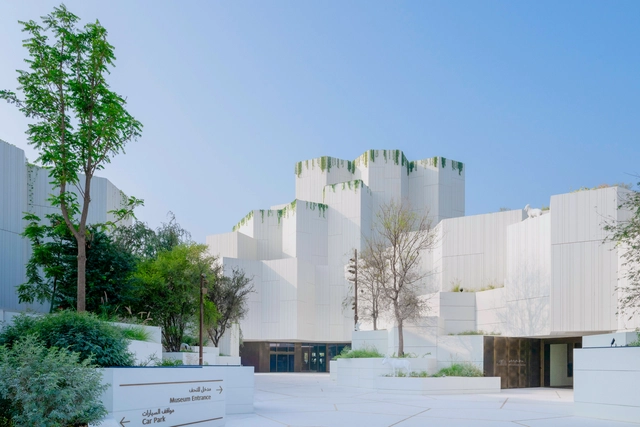
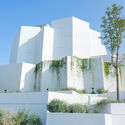
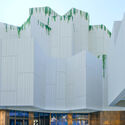
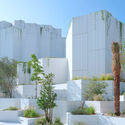
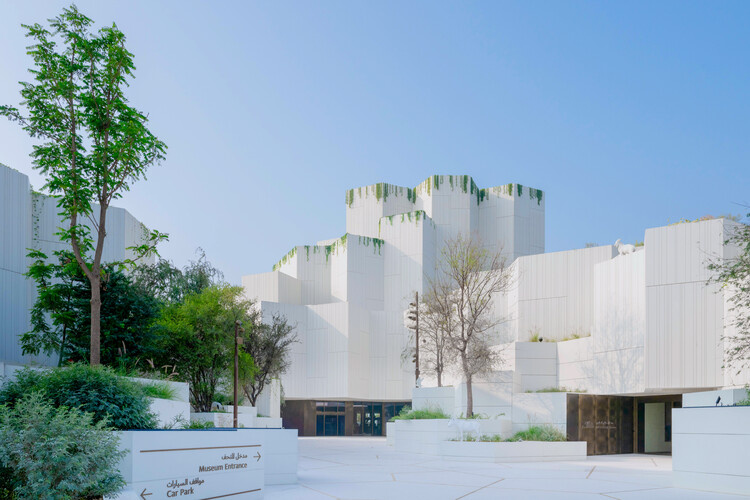
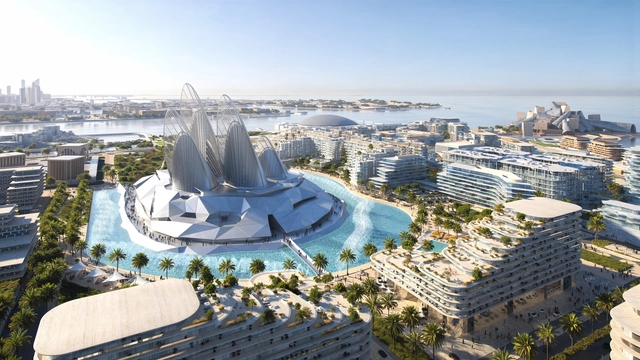
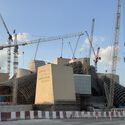
Back in April 2022, Abu Dhabi unveiled the first images of a new Natural History Museum designed by the Dutch practice Mecanoo. Three years later, on November 22, 2025, the museum opened its doors to the public, presenting 13.8 billion years of science and discovery with a special focus on the Arabian region. Covering more than 35,000 sqm, the design is intended to resonate with natural rock formations. Geometry acts as the unifying theme, with pentagonal shapes referencing cellular structures. Water and vegetation, symbols of life in the desert, also play an important role in the design. Located in Abu Dhabi's Saadiyat Cultural District, the building houses rare meteorites, dinosaur fossils, and reconstructions of the region's prehistoric landscapes, combining natural history, storytelling, and immersive environments. Through interactive exhibitions, special events, and community-science programmes, the museum seeks to encourage audiences of all ages to engage with the natural world.

Mecanoo’s Natural History Museum Opens in Abu Dhabi’s Saadiyat Cultural District - Image 1 of 4Mecanoo’s Natural History Museum Opens in Abu Dhabi’s Saadiyat Cultural District - Image 2 of 4Mecanoo’s Natural History Museum Opens in Abu Dhabi’s Saadiyat Cultural District - Image 3 of 4Mecanoo’s Natural History Museum Opens in Abu Dhabi’s Saadiyat Cultural District - Image 4 of 4Mecanoo’s Natural History Museum Opens in Abu Dhabi’s Saadiyat Cultural District - More Images+ 8

New Cultural Venues, Awards and Transformative Architecture From Ghana to New York: This Week’s Review

This week's architecture news highlights a diverse global landscape of design innovation, cultural investment, and adaptive reuse. Across continents, new museums and cultural venues are opening to foster dialogue around art, design, and community engagement. At the same time, major recognitions and project announcements underscore the growing importance of sustainable, socially conscious practices in shaping contemporary architecture. From adaptive transformations in New York, Tainan, and Milan, including preparations for the Milano Cortina 2026 Winter Games, to new cultural landmarks in Ghana and Qatar, this week's overview features projects by leading firms such as Herzog & de Meuron, Snøhetta, and Mecanoo, alongside initiatives from emerging practices like Limbo Accra in West Africa.

New Cultural Venues, Awards and Transformative Architecture From Ghana to New York: This Week’s Review - Image 1 of 4New Cultural Venues, Awards and Transformative Architecture From Ghana to New York: This Week’s Review - Image 2 of 4New Cultural Venues, Awards and Transformative Architecture From Ghana to New York: This Week’s Review - Image 3 of 4New Cultural Venues, Awards and Transformative Architecture From Ghana to New York: This Week’s Review - Image 4 of 4New Cultural Venues, Awards and Transformative Architecture From Ghana to New York: This Week’s Review - More Images+ 17

Holcim Foundation for Sustainable Construction Reveals 20 Winning Projects of the 2025 Holcim Awards

The Holcim Foundation for Sustainable Construction has announced the 20 winning projects of the 2025 Holcim Foundation Awards, recognizing contributions to sustainable design and construction across five regions: Asia Pacific, Europe, Latin America, the Middle East and Africa, and North America. This year's selection spans a broad range of scales, from a 200-square-meter semi-permanent school in a Kenyan forest to major urban regeneration initiatives in Madrid, Dhaka, and Shenzhen, reflecting the diversity and reach of sustainable architecture today. This year introduces a new Grand Prize format, replacing the traditional Gold, Silver, and Bronze rankings. Each region will now honor one Grand Prize winner, emphasizing excellence without comparison and acknowledging the diverse approaches to sustainability.

Holcim Foundation for Sustainable Construction Reveals 20 Winning Projects of the 2025 Holcim Awards - Image 1 of 4Holcim Foundation for Sustainable Construction Reveals 20 Winning Projects of the 2025 Holcim Awards - Image 2 of 4Holcim Foundation for Sustainable Construction Reveals 20 Winning Projects of the 2025 Holcim Awards - Image 3 of 4Holcim Foundation for Sustainable Construction Reveals 20 Winning Projects of the 2025 Holcim Awards - Image 4 of 4Holcim Foundation for Sustainable Construction Reveals 20 Winning Projects of the 2025 Holcim Awards - More Images+ 17

Rethinking the Flat Datum: Designing Space with Incline and Intent

Subscriber Access | 

Historically, architecture and the built environment have insisted on creating flat, hard surfaces. In earlier eras, walking without paved ground meant mud-caked shoes, uneven footing, tripping hazards, standing water after rain, and high maintenance. Hence, as we shaped cities, we prioritized a smooth, continuous, solid horizontal datum. The benefits are real: easier walking, simpler cleaning, and straightforward programming—furniture, equipment, and partitions all prefer a level base. This universal preference for building on flat ground remains the norm and, for many practical reasons, will likely continue to be.

What's less recognized is that making a truly flat surface is surprisingly difficult—and many well-executed "flat" floors aren't perfectly flat at all. They are often gently sloped, calibrated to precise gradients for drainage. While interior spaces do not always require this, many ground floors and wet areas do incorporate subtle inclines as a safeguard—whether for minor flooding or to manage water that overflows from the street or plumbing when one of the discharge systems is malfunctioning.

Rethinking the Flat Datum: Designing Space with Incline and Intent - Image 1 of 4Rethinking the Flat Datum: Designing Space with Incline and Intent - Image 2 of 4Rethinking the Flat Datum: Designing Space with Incline and Intent - Image 3 of 4Rethinking the Flat Datum: Designing Space with Incline and Intent - Image 4 of 4Rethinking the Flat Datum: Designing Space with Incline and Intent - More Images+ 49

From Milan to Chicago: Architecture Now and the Leading Practices of Herzog & de Meuron, Gensler, and Heatherwick

Subscriber Access | 

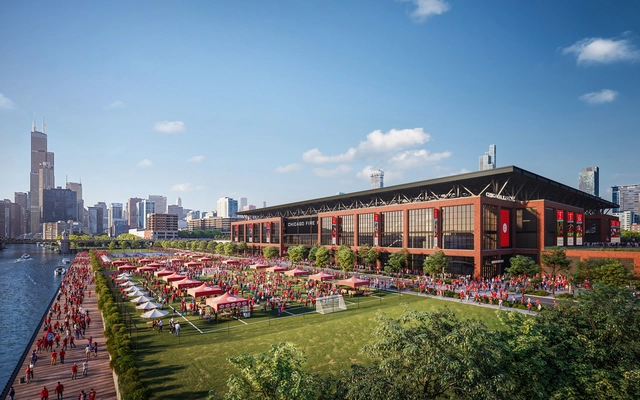
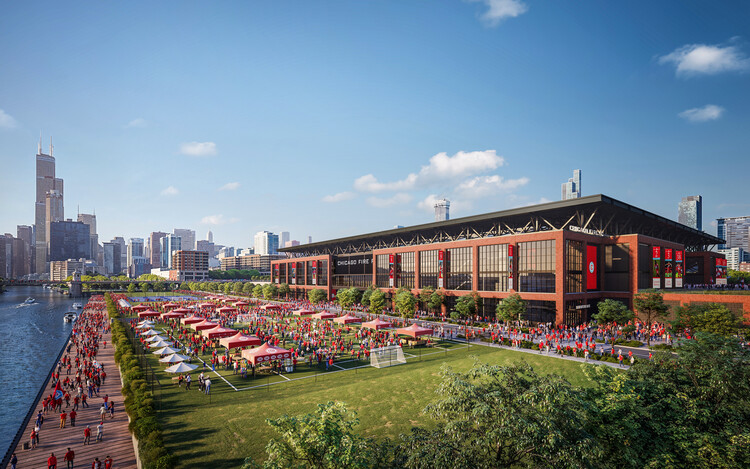
From Milan's Scalo Farini to downtown Chicago, and from the Tuscan countryside to the UK's retrofit initiatives, recent announcements demonstrate how architecture is evolving in response to climate goals, cultural identity, and urban transformation. Herzog & de Meuron's new headquarters for UniCredit will anchor one of Europe's largest redevelopment sites with a focus on sustainability and workplace innovation, while Gensler's stadium design for Chicago Fire FC aims to redefine the U.S. matchday experience as part of a major waterfront development. In Tuscany, Alvisi Kirimoto's Sapaio Pavilion merges agricultural production with architectural sensitivity, and in the UK, RIBA and The King's Foundation are advancing retrofit as a national agenda. Meanwhile, finalists including MVRDV, Heatherwick Studio, and Mecanoo are advancing in an international competition to create a climate landmark intended to inspire large-scale behavioral change. This edition of Architecture Now brings together diverse yet interconnected efforts to shape how architecture can support long-term ecological, cultural, and civic impact.

From Milan to Chicago: Architecture Now and the Leading Practices of Herzog & de Meuron, Gensler, and Heatherwick - Image 1 of 4From Milan to Chicago: Architecture Now and the Leading Practices of Herzog & de Meuron, Gensler, and Heatherwick - Image 2 of 4From Milan to Chicago: Architecture Now and the Leading Practices of Herzog & de Meuron, Gensler, and Heatherwick - Image 3 of 4From Milan to Chicago: Architecture Now and the Leading Practices of Herzog & de Meuron, Gensler, and Heatherwick - More Images+ 3

Exploring the Architectural and Cultural Projects of Saadiyat Cultural District in Abu Dhabi, UAE

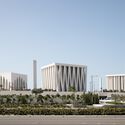
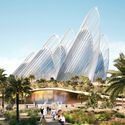
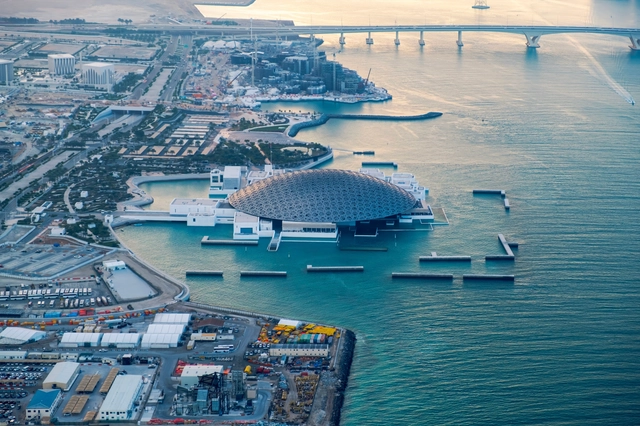
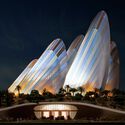
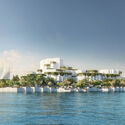
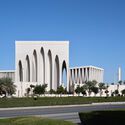
The Saadiyat Cultural District in Abu Dhabi is a site of several cultural and architectural developments designed by prominent architects. Notable projects include the Louvre Abu Dhabi by Jean Nouvel, the Guggenheim Abu Dhabi by Frank Gehry, the Zayed National Museum by Foster + Partners, the Natural History Museum Abu Dhabi by Mecanoo, and the Abrahamic Family House by Adjaye Associates. Striving to establish itself as a global hub for cultural dialogue, creativity, and knowledge exchange, the master plan prioritizes forming connections between local heritage and global perspectives.

Exploring the Architectural and Cultural Projects of Saadiyat Cultural District in Abu Dhabi, UAE - Image 9 of 4Exploring the Architectural and Cultural Projects of Saadiyat Cultural District in Abu Dhabi, UAE - Image 1 of 4Exploring the Architectural and Cultural Projects of Saadiyat Cultural District in Abu Dhabi, UAE - Image 7 of 4Exploring the Architectural and Cultural Projects of Saadiyat Cultural District in Abu Dhabi, UAE - Image 10 of 4Exploring the Architectural and Cultural Projects of Saadiyat Cultural District in Abu Dhabi, UAE - More Images+ 14

Mecanoo's Reimagined Doris Duke Theater to Open in Massachusetts in July 2025

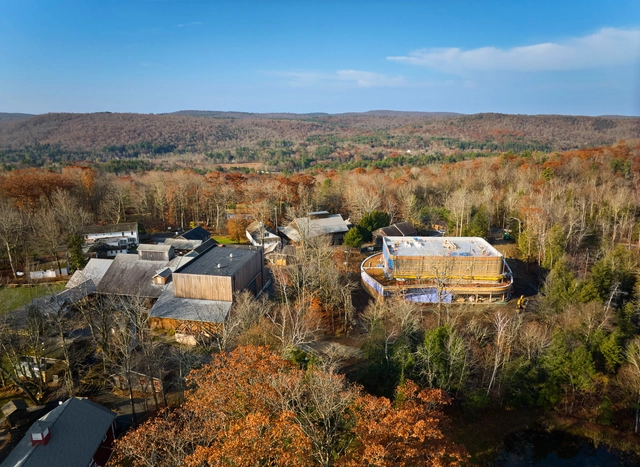
Jacob's Pillow, a historic hub for dance in the United States, will open the new Doris Duke Theatre on July 9, 2025. As of November 2024, construction is progressing on schedule, with the theater taking shape on the original site of the initial structure lost to a devastating fire in November 2020 in Massachusetts, United States. Designed by the Dutch firm Mecanoo, led by Francine Houben, in collaboration with New York-based Marvel, helmed by Jonathan Marvel, the project blends innovation with a deep reverence for the site's historic legacy.

Mecanoo's Reimagined Doris Duke Theater to Open in Massachusetts in July 2025 - Image 1 of 4Mecanoo's Reimagined Doris Duke Theater to Open in Massachusetts in July 2025 - Image 2 of 4Mecanoo's Reimagined Doris Duke Theater to Open in Massachusetts in July 2025 - Image 3 of 4Mecanoo's Reimagined Doris Duke Theater to Open in Massachusetts in July 2025 - Image 4 of 4Mecanoo's Reimagined Doris Duke Theater to Open in Massachusetts in July 2025 - More Images+ 5

Chapman Taylor Reveals Beach Residences on Saadiyat Island, Adding to Abu Dhabi's Emerging Cultural Hub in The Emirates

Chapman Taylor's Saadiyat Beach District Residences project has moved to the construction phase, marking a new development within Saadiyat Island's expanding cultural and residential landscape. This waterfront project, part of the broader Saadiyat Island masterplan for Nael & Bin Harmel, situated near Abu Dhabi's urban center, will introduce a range of residential options, including apartments, townhouses, and villas.

Saadiyat Island, planned by the Abu Dhabi Tourism Authority, is a cultural and residential development covering 27 square kilometers. Designed to support a community of over 150,000, it combines urban spaces with natural landscapes, hosting cultural institutions such as Ateliers Jean Nouvel's Louvre Abu Dhabi, which presents an international art collection, and the upcoming Guggenheim Abu Dhabi. Other upcoming projects include the Sheikh Zayed National Museum, designed by Foster + Partners and anticipated to open to the public in 2025, offering insight into the UAE's cultural heritage, and the Mecanoo-designed Natural History Museum, dedicated to global biodiversity, also expected to be completed by 2025.

Chapman Taylor Reveals Beach Residences on Saadiyat Island, Adding to Abu Dhabi's Emerging Cultural Hub in The Emirates - Image 1 of 4Chapman Taylor Reveals Beach Residences on Saadiyat Island, Adding to Abu Dhabi's Emerging Cultural Hub in The Emirates - Image 2 of 4Chapman Taylor Reveals Beach Residences on Saadiyat Island, Adding to Abu Dhabi's Emerging Cultural Hub in The Emirates - Image 3 of 4Chapman Taylor Reveals Beach Residences on Saadiyat Island, Adding to Abu Dhabi's Emerging Cultural Hub in The Emirates - Image 4 of 4Chapman Taylor Reveals Beach Residences on Saadiyat Island, Adding to Abu Dhabi's Emerging Cultural Hub in The Emirates - More Images+ 3

A Skyward Shift: Exploring the Social Impact of Elevated Public Spaces in Cities

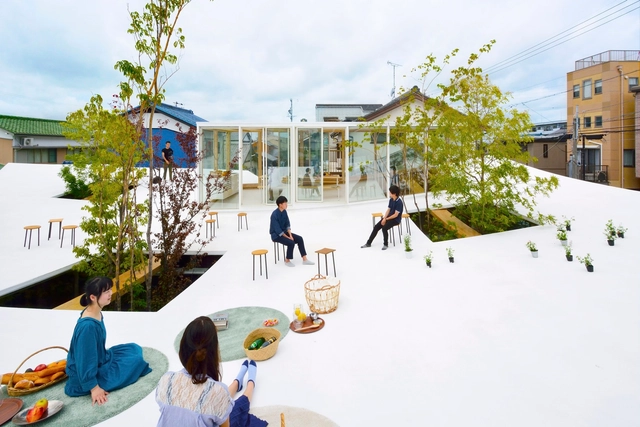
With escalating land values in urban centers, there has been a growing trend to float public spaces from ground level to elevated locations, such as rooftops or podiums between buildings. From a development perspective, maximizing floor area has become crucial as urban environments expand. Ground-level spaces are highly sought after for retail use due to their strategic location, which attracts foot traffic and potential customers and drives city development and economics.

This financial consideration, which often guides building activities and directions in urban centers, contradicts design principles advocated during the modernist era for the benefits of better outdoor space for the public, such as the concept of 'Freeing the Ground'. Architects like Le Corbusier championed this concept through projects like Villa Savoye and Unite d' Habitation. These modernist designs envisioned a future where buildings were elevated to restore open, accessible outdoor ground-level spaces for its users. However, for the reasons above, many contemporary projects instead seek to replicate the function of public grounds within the building's structure.

A Skyward Shift: Exploring the Social Impact of Elevated Public Spaces in Cities - Image 5 of 4A Skyward Shift: Exploring the Social Impact of Elevated Public Spaces in Cities - Image 1 of 4A Skyward Shift: Exploring the Social Impact of Elevated Public Spaces in Cities - Image 2 of 4A Skyward Shift: Exploring the Social Impact of Elevated Public Spaces in Cities - Image 3 of 4A Skyward Shift: Exploring the Social Impact of Elevated Public Spaces in Cities - More Images+ 10

Transforming Urban Spaces: How to Reintegrate Large-Scale Infrastructure Projects?

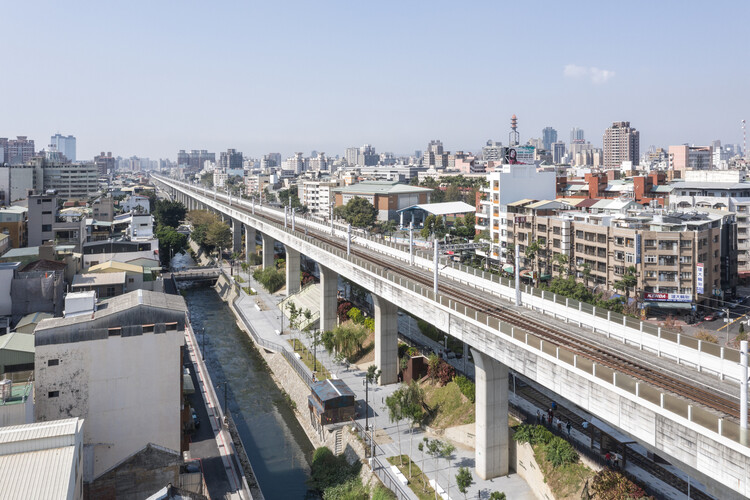
Large-scale infrastructure projects often aim to connect distant locations within urban areas, facilitating quicker transportation, logistics, and commercial activities along their routes. However, while these projects link distant destinations, their substantial physical presence can significantly affect local communities. This may result in the disconnection and disengagement of previously connected neighborhoods, the disruption of public spaces, and generally negative outdoor experiences caused by noise, pollution, and lack of attention and maintenance to these infrastructures.

Nevertheless, several successful built environment projects have re-integrated contentious infrastructure into the community through thoughtful design of outdoor spaces, with Paris' Coulée verte René-Dumont being one of the first examples and New York's High Line being one of the most prominent examples. The High Line demonstrates how well-conceived outdoor projects can address the alienation caused by extensive infrastructure, foster community reconnection, serve as cultural and economic hubs, and even spur further economic redevelopment, as in Hudson Yards.

Transforming Urban Spaces: How to Reintegrate Large-Scale Infrastructure Projects? - Image 1 of 4Transforming Urban Spaces: How to Reintegrate Large-Scale Infrastructure Projects? - Image 5 of 4Transforming Urban Spaces: How to Reintegrate Large-Scale Infrastructure Projects? - Image 4 of 4Transforming Urban Spaces: How to Reintegrate Large-Scale Infrastructure Projects? - Image 2 of 4Transforming Urban Spaces: How to Reintegrate Large-Scale Infrastructure Projects? - More Images+ 24