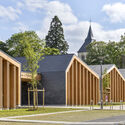
Qbiss Notch, a new design edition developed by Pininfarina for Trimo's Qbiss façade system, has received the Red Dot Design Award. Based on Trimo's Qbiss façade technology, the project introduces vertically installed modular Qbiss panels, an alphabet of engraved Glyphs, and Notches with integrated lighting. Together, these elements allow designers to create distinctive façade compositions. Despite its visual flexibility, the system is designed around the efficiency and precision of prefabricated construction.
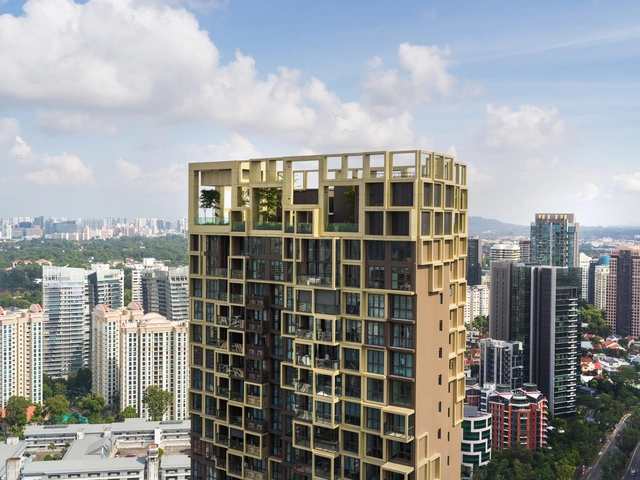
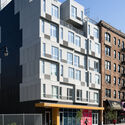
Two 36-storey residential towers have been completed on Irwell Bank Road in Singapore, featuring a pixelated facade designed by MVRDV. The scheme builds on the modular system developed by ADDP Architects, who designed the buildings using Prefabricated Prefinished Volumetric Construction (PPVC). MVRDV's facade introduces variation across the elevations and marks the locations of the communal green spaces on the 24th floor and the rooftop. Irwell Hill Residences, developed by City Developments Limited (CDL), is MVRDV's debut collaboration on a building in Singapore's urban core.
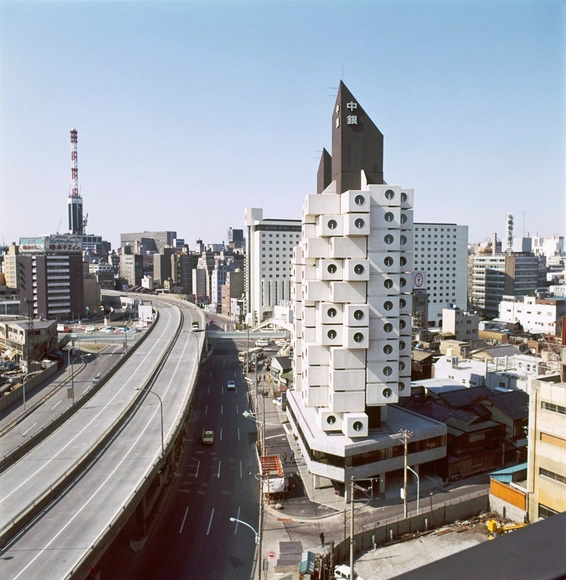
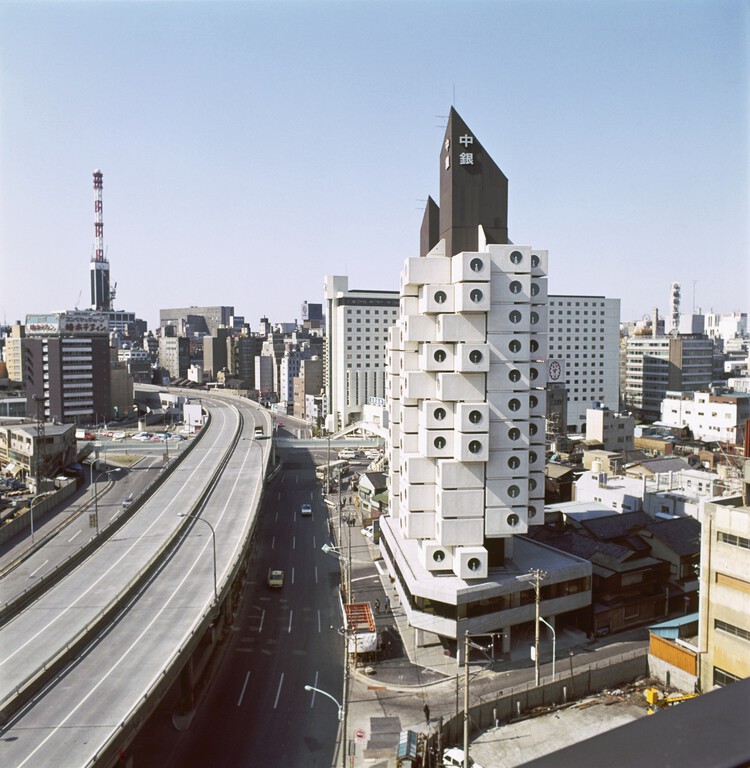
The Museum of Modern Art (MoMA) in New York is hosting an exhibition dedicated to Japanese architect Kisho Kurokawa's Nakagin Capsule Tower from July 10, 2025, through July 12, 2026. Titled The Many Lives of the Nakagin Capsule Tower, the exhibition offers a retrospective on the building's 50-year lifespan. Constructed in Tokyo's Ginza district in 1972 and dismantled in 2022, the tower is presented through contextual materials, original drawings, archival recordings, and a fully restored capsule. The exhibition invites reflection on how cities address aging buildings and the rapid transformation of urban areas. The diverse materials documenting the tower's continuous evolution over five decades encourage viewers to consider how architecture might endure by taking on new roles and functions beyond its original purpose.
At the dawn of Modernism, in the fervent search for innovative, efficient, and cost-effective building systems, the idea of modular construction offered the promise of exactly that: an industrialized system comprised of ready-to-assemble elements, easily configured, cost-effective, and quality-controlled. While the idea did not gain as much traction as was initially expected, it has remained an attractive premise for architects and designers. Now, new developments in the field have led to a renewed interest in the matter, as modular housing emerges as an effective measure in various fields, from affordable housing to emergency shelters, or even as platforms for interdisciplinary collaboration, participation, and co-design. The following article explores this promise of accessibility, creativity, and affordability that has become an integral part of the debate around modular architecture.
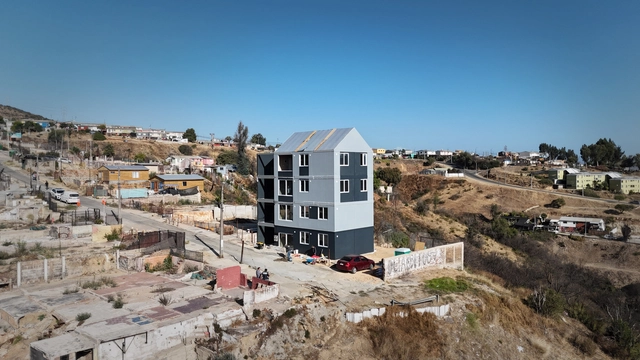
A year after the Viña del Mar mega-fire in Chile and with reconstruction efforts progressing at just 26%, the architecture firm ELEMENTAL and local authorities have begun construction on a prefabricated housing project in one of the residential neighborhoods most affected by the disaster. The project consists of a mid-density residential building with a modular steel structure, intended as a starting point for similar initiatives in response to what is now considered one of the most catastrophic events in Chile's recent history. As stated by Alejandro Aravena and the city's mayor, Macarena Ripamonti, the goal is for the technology and management model behind this project to set a precedent for delivering rapid and permanent housing solutions in emergency situations.
In early Mongolia, herders dismantle their yurt - a portable round tent made of felt or animal skin - in pursuit of new lands where they can raise their livestock. Not much further away is a digital nomad in Bali, preparing their next move into a co-living space in Ho Chi Minh City. Though separated by vast distances and cultural divides, these individuals are united by a timeless human desire - a quest mobility and adaptable living spaces. In light of geopolitical changes and emerging lifestyles, the demand for flexible residential architecture intensifies. In this era of increased mobility, is it enough for people alone to move, or will the buildings of tomorrow need to follow suit?
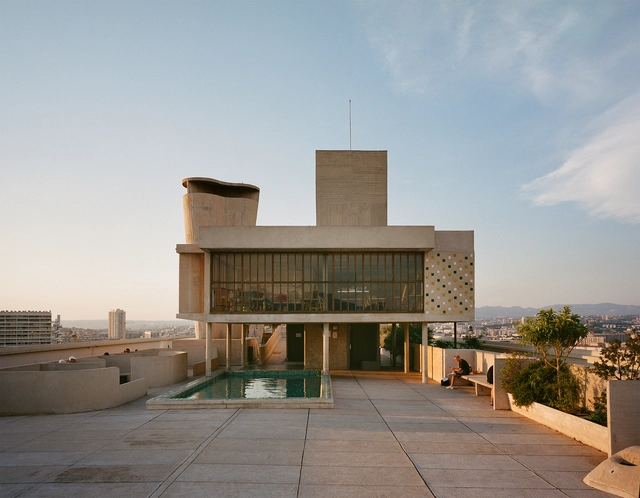
Modernism emerged in the early 20th century as a revolutionary movement that rejected historical styles, prioritizing functionality, innovation, and rationality. Grounded in the promise of industrial progress, architects like Walter Gropius, Le Corbusier, and Ludwig Mies van der Rohe championed using new materials and construction methods, striving for a universal architectural language. Their work introduced radical ideas: open floor plans, expansive glazing for natural light, and pilotis that elevated structures, symbolizing a new architectural era. However, alongside its groundbreaking ideas, modernism's relationship with sustainability has sparked ongoing debates.
While modernist architects sought to address social and economic challenges through affordable housing and efficient design, their reliance on energy-intensive materials like concrete and steel created unintended environmental consequences. The large-scale industrialization celebrated by modernists often disregarded local climates and ecological systems, leading to inefficiencies. Yet, the principles of functionality and adaptability embedded in modernist architecture laid the groundwork for what we now recognize as sustainable practices. From Le Corbusier's rooftop gardens to Frank Lloyd Wright's integration of nature, the seeds of environmentally conscious design were undeniably present, albeit limited in their execution.
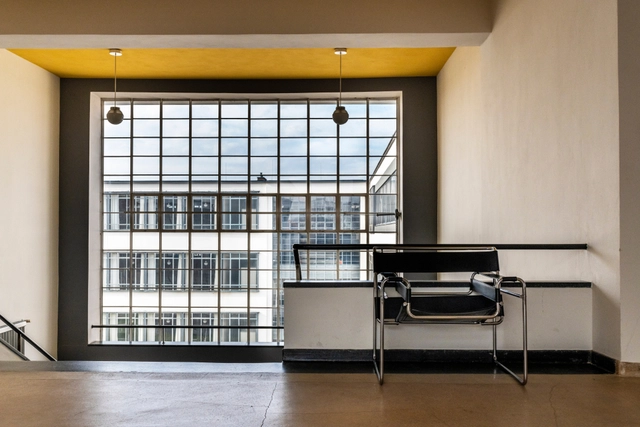
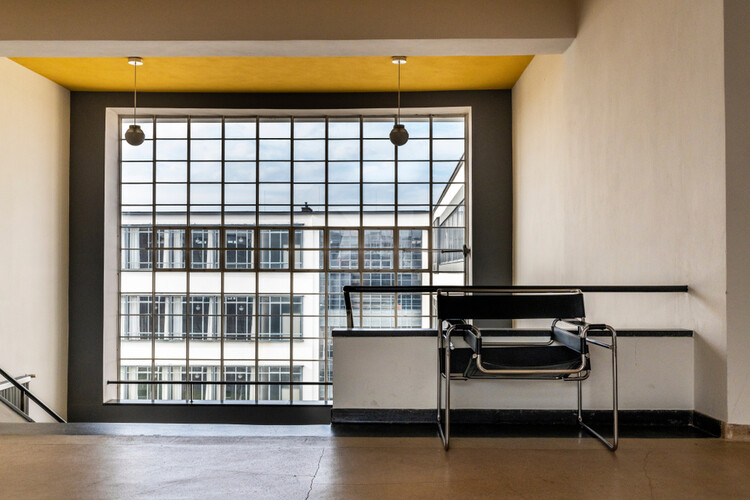
Bauhaus's designs have influenced our contemporary society in obvious and subtle ways. Iconic examples include Marcel Breuer’s Wassily Chair, the B55 Chair, the Bauhaus typeface, and the graphic design principles emphasizing clean lines, primary colors, and geometric shapes. However, the architectural construction details of the Bauhaus movement are much less discussed. While most can readily identify modern or Bauhaus buildings by their geometric forms, functionality, and industrial materials, their architectural details are often overlooked. They not only echo the design language of Breuer’s renowned furniture pieces but also have influenced the much-celebrated architectural glass details of Mies van der Rohe. How were Bauhaus's details executed, and how might they be translated into contemporary details today?
Space exploration isn’t merely a testament to human ambition or a quest for new territories and resources. Our ventures beyond Earth’s atmosphere are driven by a deeper purpose: to understand better our place in the cosmos and to pioneer innovations that can transform life on our home planet.
Modular construction is a process in which a building is constructed away from its actual site, within controlled factory settings, using identical materials, and adhering to a set of codes and regulations. The methodology was first introduced as a solution in the search for efficient, quality-controlled, and cost-effective building systems. The industrialized building method evolved to meet historical demands and has recently been met with renewed interest. These “modules” are then transported to the construction site and assembled into the final structure, adhering to the same building standards as conventionally built facilities. With potential benefits in terms of waste reduction, energy efficiency, emergency responses, and fast-tracked development, the methodology is gaining traction worldwide.
In recent years, modular construction has emerged as a game-changer in the construction industry, particularly in the Middle East and the Gulf Cooperation Council (GCC) region. With a growing embrace of innovative solutions to address the region’s evolving needs, modular construction has emerged as a compelling alternative. As awareness increases and technological advancements increase, modular construction may offer a viable alternative to traditional building practices in the GCC region.
Ever since the Industrial Revolution and the introduction of mass production, the ownership and use of simple products and services like flush toilets with running water, electricity, heating, and cooling are seen as human rights in many areas of the world. With the majority of homes and residential projects being individually designed and built to order – therefore without the speed and cost advantages of mass production – an underperforming housing construction sector means many people – even in the world’s richest countries – are being denied one of the most basic human rights, having somewhere to call home.
The UNHCR (UN Refugee Agency) states that there were over 100 million forcibly displaced people worldwide in 2023 – a figure that has tripled over the last 10 years. For host countries, finding safe, sustainable housing solutions for those in need, both in the short- and the long-term, is an ongoing and dramatically worsening challenge.
In a constant search to find new ways to reduce costs and construction times, modular architecture emerges as an opportunity to implement various methods, technologies, and techniques to design livable spaces using separate repetitive elements such as modules. As Tom Hardiman, executive director of the Modular Building Institute (MBI), maintains, "Modular" is not about a construction product but rather a construction process.
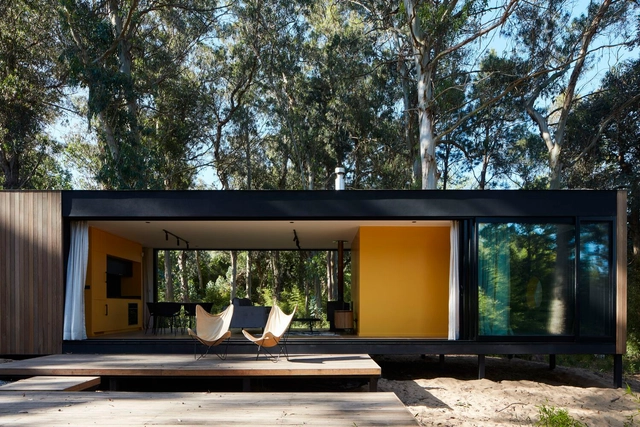
No longer relegated to the domain of temporary structures or utilitarian living, modular housing is increasingly gaining traction. Prefabricated homes are disrupting the architecture industry with their efficient construction, predictable costs, and reduced environmental impact. Modular housing is rooted in the idea of quick replication and standardization. In a world that prioritizes customization, how might modular housing meet the needs of diverse individuals?
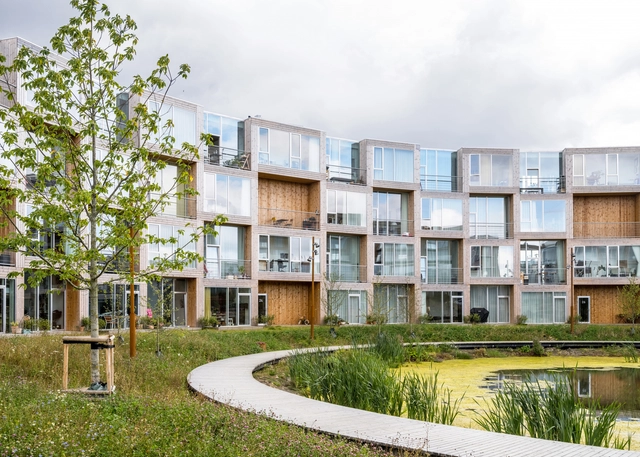
Modular homes are houses either partially or fully constructed in a factory. This process involves creating a series of three-dimensional 'modules' delivered to a site in a predetermined spatial pattern and assembled into a complete product. These homes have become popular solutions to housing crises as they can be produced 50% faster and emit half as much pollution.
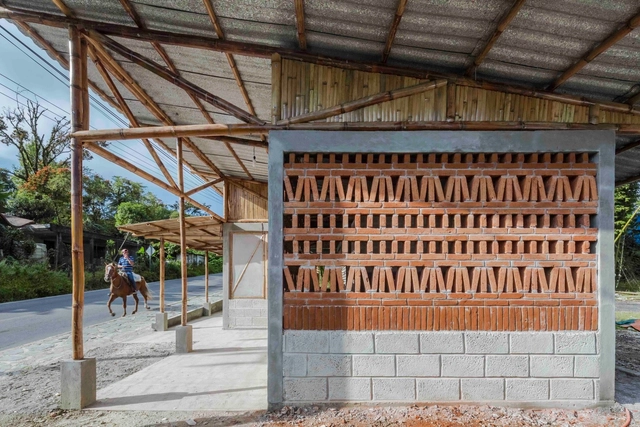
However, the locality of the materials used is a significant factor that gives homes their character. It conveys a sense of place, culture, construction history, and local craftsmanship. This raises questions about its role in modular housing: Can local materials be used in the factory production of homes? Can they be combined with a modular framework and temporary connections? What are the limitations of building modular homes in the local contexts of the Global South?
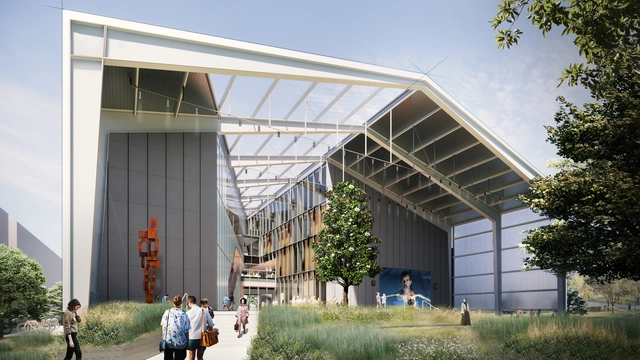
Diller Scofidio + Renfro (DS+R) with a team led by Charles Renfro has broken ground on Rice University's New Arts Building named the Susan and Fayez Sarofim Hall. The new building envisioned as a gateway to the university's campus will incorporate exhibition areas, labs, studios, shops, faculty offices, and other facilities. To create adaptability over time, the structure uses an expandable prefabricated system, thus incorporating interdisciplinarity and experimentation within the design. The building located in Houston, Texas, is expected to open in the fall of 2025.
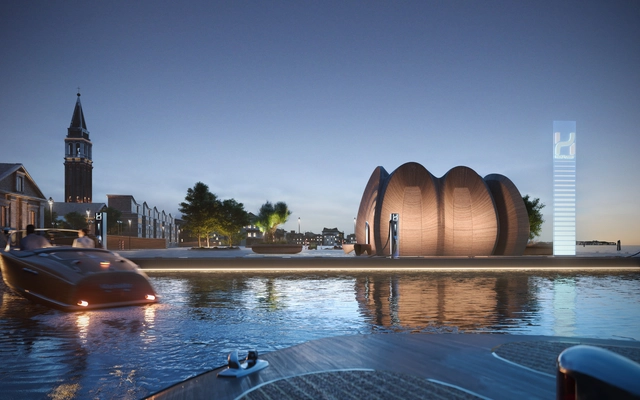
Zaha Hadid Architects have released images of their design for the world’s first hydrogen refueling infrastructure for recreational boating. Continuing ZHA’s experience in maritime designs, the stations are to be installed in 25 Italian marinas and ports. Launched by NatPower H, the stations will begin to be implemented in the summer of 2024, with plans to expand to over 100 locations throughout the Mediterranean Sea in the next six years.