1. ArchDaily
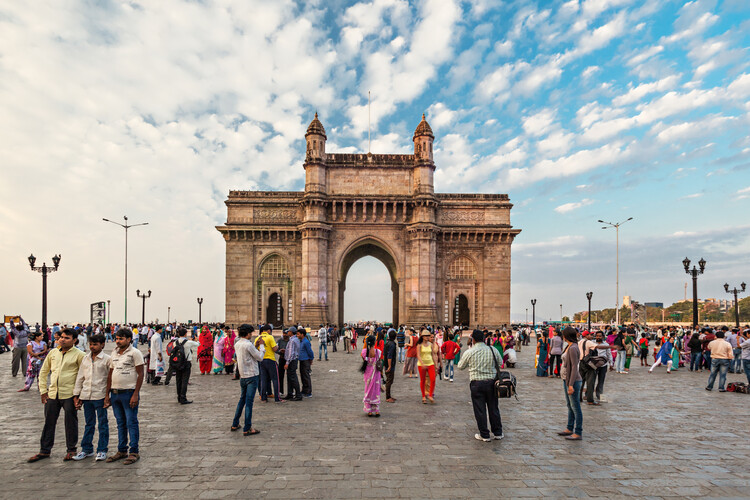
  2. Mumbai

Mumbai: The Latest Architecture and News

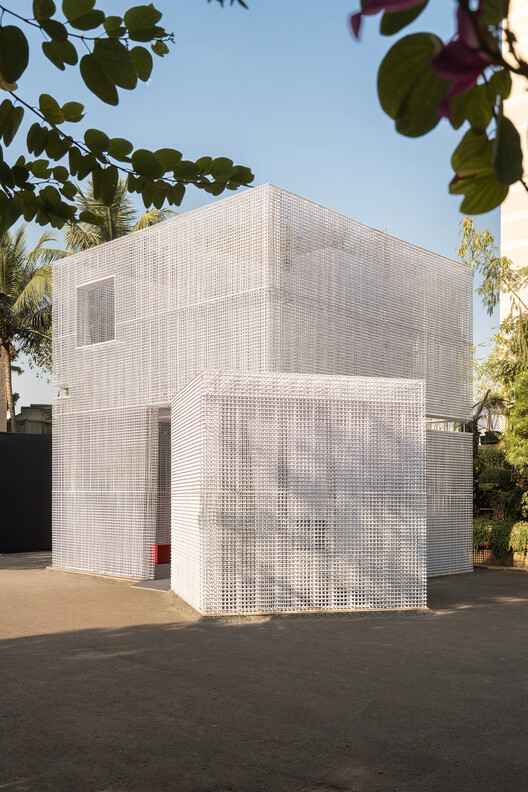
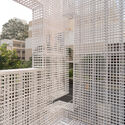
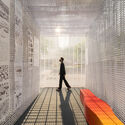
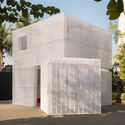
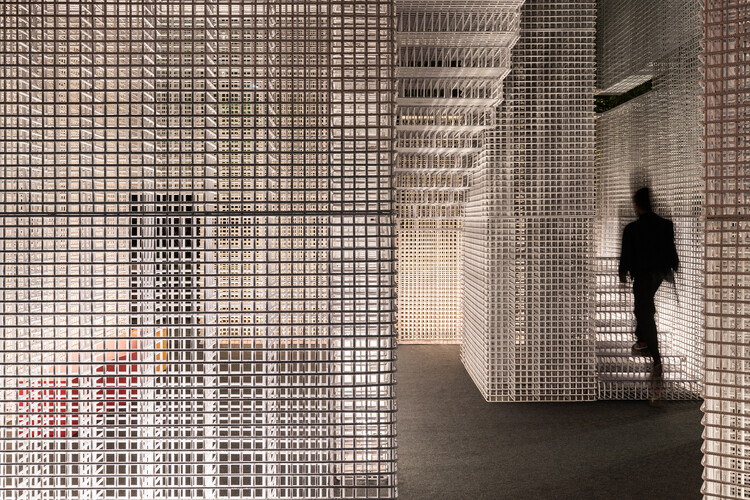
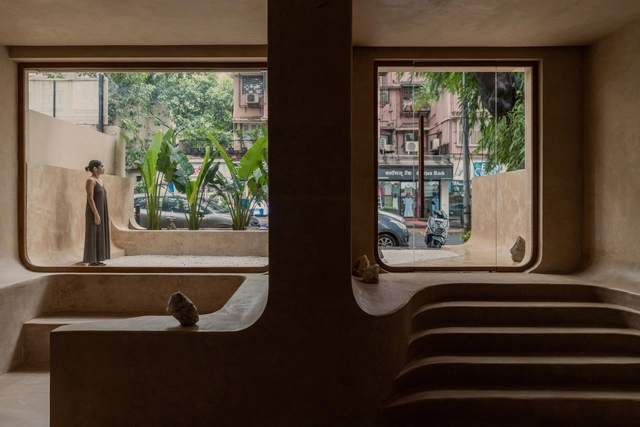
Unscripted Pavilion / Abin Design Studio

Unscripted Pavilion / Abin Design Studio - Other Structures
© Manan Surti Photography

Unscripted Pavilion / Abin Design Studio - Exterior Photography, Other StructuresUnscripted Pavilion / Abin Design Studio - Exterior Photography, Other StructuresUnscripted Pavilion / Abin Design Studio - Interior Photography, Other StructuresUnscripted Pavilion / Abin Design Studio - Other StructuresUnscripted Pavilion / Abin Design Studio - More Images+ 23

How 2025 Turned Architectural Visuals Into Disputed Media

For much of modern architectural history, images have functioned as interpretive tools rather than literal records. Renderings, drawings, and competition visuals were traditionally understood as speculative instruments, offering atmospheres, intentions, and possible futures rather than fixed realities. This ambiguity allowed architects to communicate ideas that were still in formation, and it shaped a visual culture in which representation was valued as much for its suggestive quality as for its precision.

In recent years, this long-standing relationship began to shift. Architectural images did not simply become more refined or technologically advanced; they took on new social and institutional significance. As images moved beyond professional contexts and entered wider public circulation, their role expanded. They were no longer only methods of communication within the discipline, but also objects of public interpretation, discussion, and, at times, dispute. This marked a subtle but important change in how architectural visuals were understood and used.
How 2025 Turned Architectural Visuals Into Disputed Media - Image 1 of 4How 2025 Turned Architectural Visuals Into Disputed Media - Image 2 of 4How 2025 Turned Architectural Visuals Into Disputed Media - Image 3 of 4How 2025 Turned Architectural Visuals Into Disputed Media - Image 4 of 4How 2025 Turned Architectural Visuals Into Disputed Media - More Images+ 3

From Munich to Mumbai: 7 Unbuilt Office Towers Redefining the Future of Vertical Workspaces

Subscriber Access | 

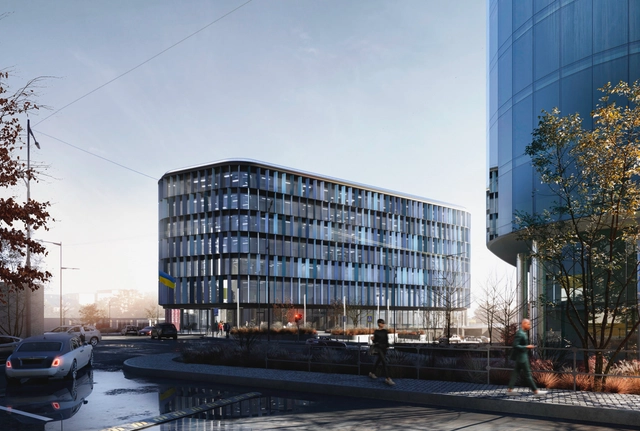
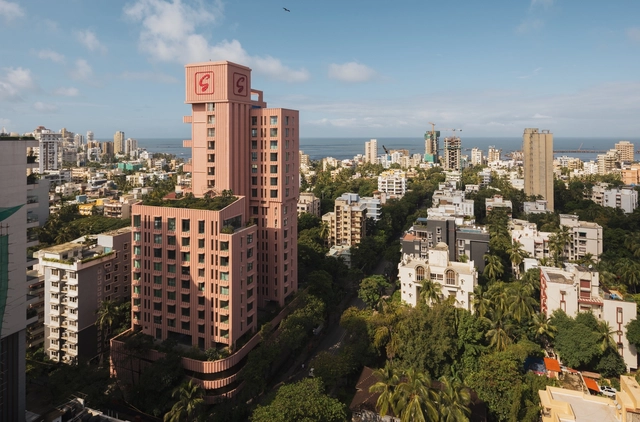
As cities continue to expand upward, the office tower remains one of the most visible symbols of architectural ambition and urban evolution. No longer defined solely by efficiency or corporate image, contemporary workplace architecture is being reimagined as a hybrid ecosystem, one that balances density with daylight, productivity with well-being, and technology with material and spatial integrity. The following unbuilt projects, submitted by the ArchDaily community, reveal how architects across continents are rethinking the typology of the tower, turning verticality into an opportunity for connection, adaptability, and sustainability.

From India's Shivalik Curv and Embassy Zenith, where form and movement are combined to redefine skyline identity, to Dungen in Sweden, a low-rise timber office that mirrors the calm of a forest grove, each project explores how workplaces can become more flexible, humane, and environmentally conscious. In Kyiv, APEX Business Center positions itself as a catalyst for urban vitality, while Jakarta's BNI Tower PIK 2 transforms the corporate tower into a crystalline symbol of growth. In Munich and Ankara, mixed-use concepts like Highrise Hufelandmark and Rhythm Ankara explore the office as part of a broader civic landscape, where work, leisure, and public life intersect.
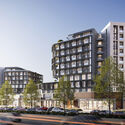
From Munich to Mumbai: 7 Unbuilt Office Towers Redefining the Future of Vertical Workspaces - Image 25 of 4From Munich to Mumbai: 7 Unbuilt Office Towers Redefining the Future of Vertical Workspaces - Image 30 of 4From Munich to Mumbai: 7 Unbuilt Office Towers Redefining the Future of Vertical Workspaces - Image 35 of 4From Munich to Mumbai: 7 Unbuilt Office Towers Redefining the Future of Vertical Workspaces - Image 41 of 4From Munich to Mumbai: 7 Unbuilt Office Towers Redefining the Future of Vertical Workspaces - More Images+ 39

Satguru’s Rendezvous / Nudes

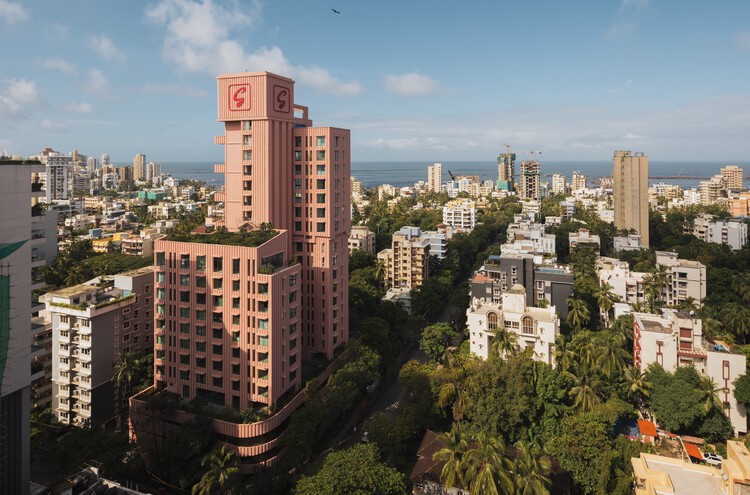
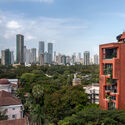
Satguru’s Rendezvous / Nudes - Residential ArchitectureSatguru’s Rendezvous / Nudes - Exterior Photography, Residential Architecture, BalconySatguru’s Rendezvous / Nudes - Exterior Photography, Residential Architecture, CityscapeSatguru’s Rendezvous / Nudes - Residential ArchitectureSatguru’s Rendezvous / Nudes - More Images+ 29

  • Architects: Nudes
  • Area Area of this architecture project Area:  4843
  • Year Completion year of this architecture project Year:  2024

The Economics of Authenticity: Heritage Preservation in Mumbai as a Business Model

Subscriber Access | 

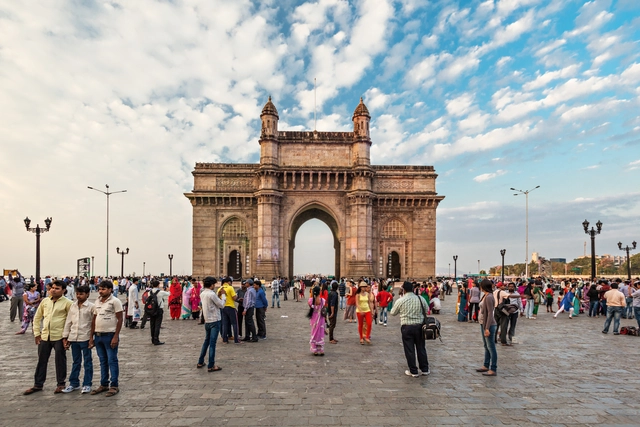
Heritage preservation and economic viability have long been treated as competing priorities in urban development. Architects typically face a stark choice - to design for community continuity or design for financial returns. Contemporary projects in Mumbai render this binary false. Through strategic programming, material choices, and spatial organization, architects enable buildings to generate sustainable revenue while strengthening, rather than displacing, existing communities.
The Economics of Authenticity: Heritage Preservation in Mumbai as a Business Model - Image 1 of 4The Economics of Authenticity: Heritage Preservation in Mumbai as a Business Model - Image 2 of 4The Economics of Authenticity: Heritage Preservation in Mumbai as a Business Model - Image 3 of 4The Economics of Authenticity: Heritage Preservation in Mumbai as a Business Model - Image 4 of 4The Economics of Authenticity: Heritage Preservation in Mumbai as a Business Model - More Images+ 2

The World's Largest Cities in 2025 by Population

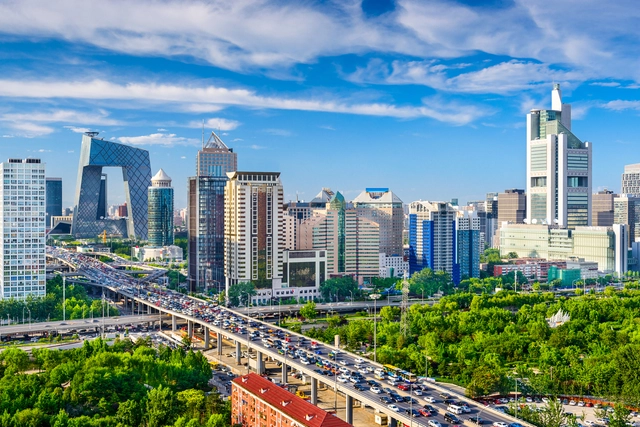
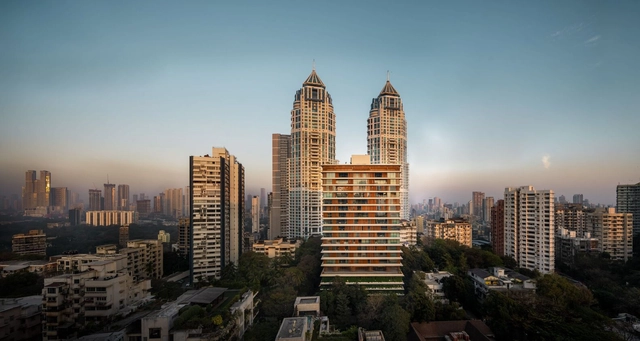
Every year, World Population Day is observed on July 11th, aiming to increase people's awareness of various population issues, such as the importance of urbanization, gender equality, poverty, health, and human rights. In 2025, under the theme "Empowering Youth to Build the Families They Want," the United Nations draws attention to the largest generation of young people in history, many of whom are coming of age in rapidly urbanizing contexts. Urban centers remain key to understanding these demographic patterns, as cities continue to attract populations seeking opportunity, stability, and access to essential services. Today, more than half of the global population resides in urban areas, a share projected to increase to 66% by 2050.
The World's Largest Cities in 2025 by Population - Image 1 of 4The World's Largest Cities in 2025 by Population - Image 2 of 4The World's Largest Cities in 2025 by Population - Image 3 of 4The World's Largest Cities in 2025 by Population - Image 4 of 4The World's Largest Cities in 2025 by Population - More Images+ 16

The Kitchen in the New Spatial Economy: 5 Contemporary Design Approaches

Subscriber Access | 

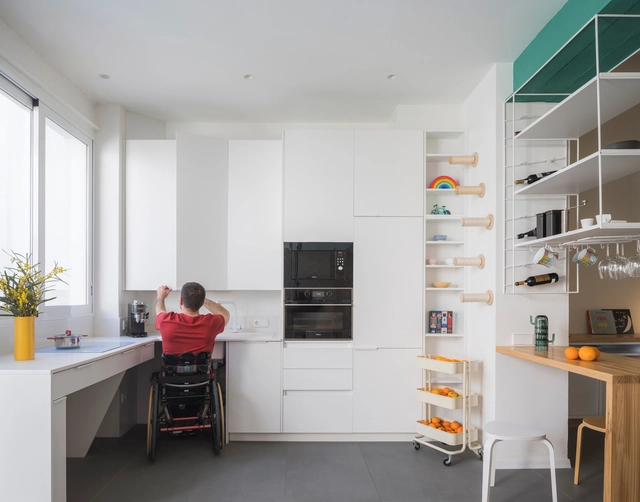
Space has become a luxury in many of the world's most densely populated cities—a growing reality that's hard to ignore. Megacities like Tokyo, Shanghai, Mumbai, Mexico City, and São Paulo already have populations exceeding 20 million, while other urban centers across Asia and Africa continue to expand rapidly. Among these, Delhi stands out: if current trends continue, it is projected to become the most populous city by 2028. As these cities expand, housing—especially new developments—follows a new logic: as square meters shrink, furniture adapts, and daily life learns to fit and thrive in high-density environments. This change isn't just about size; it reflects a new way of living. Where spaciousness once dominated, density now rules. Every corner gains spatial and commercial value, with the kitchen emerging as one of the biggest challenges in housing design today.
The Kitchen in the New Spatial Economy: 5 Contemporary Design Approaches - Image 1 of 4The Kitchen in the New Spatial Economy: 5 Contemporary Design Approaches - Image 2 of 4The Kitchen in the New Spatial Economy: 5 Contemporary Design Approaches - Image 3 of 4The Kitchen in the New Spatial Economy: 5 Contemporary Design Approaches - Image 4 of 4The Kitchen in the New Spatial Economy: 5 Contemporary Design Approaches - More Images+ 18

Architecture in Mumbai: A Kaleidescope of Cultures

Subscriber Access | 

To a first-time visitor, Mumbai presents itself as a kaleidoscope of sensory overload. Architecturally, the peninsula city is host to numerous styles. Mumbai's architectural identity emerges from centuries of cultural exchange and colonial influence. What makes the experience unlike that of other historical cities is the density and the proximity in which juxtapositions occur.

Architecture in Mumbai: A Kaleidescope of Cultures - Image 1 of 4Architecture in Mumbai: A Kaleidescope of Cultures - Image 2 of 4Architecture in Mumbai: A Kaleidescope of Cultures - Image 3 of 4Architecture in Mumbai: A Kaleidescope of Cultures - Image 4 of 4Architecture in Mumbai: A Kaleidescope of Cultures - More Images+ 8

Sorbet Showroom / MuseLAB

Sorbet Showroom / MuseLAB - ShowroomSorbet Showroom / MuseLAB - Interior Photography, ShowroomSorbet Showroom / MuseLAB - Interior Photography, Showroom, ToiletSorbet Showroom / MuseLAB - Drawings, ShowroomSorbet Showroom / MuseLAB - More Images+ 19

Mumbai, India
  • Architects: MuseLAB
  • Area Area of this architecture project Area:  2600
  • Year Completion year of this architecture project Year:  2024
  • Manufacturers Brands with products used in this architecture project
    Manufacturers:  AQUANT, Bharat Furnishing, Ledlum Lighting Solutions LLP, Parman Designs, Quantum AC, +1

The 25 Most Anticipated Projects of 2025

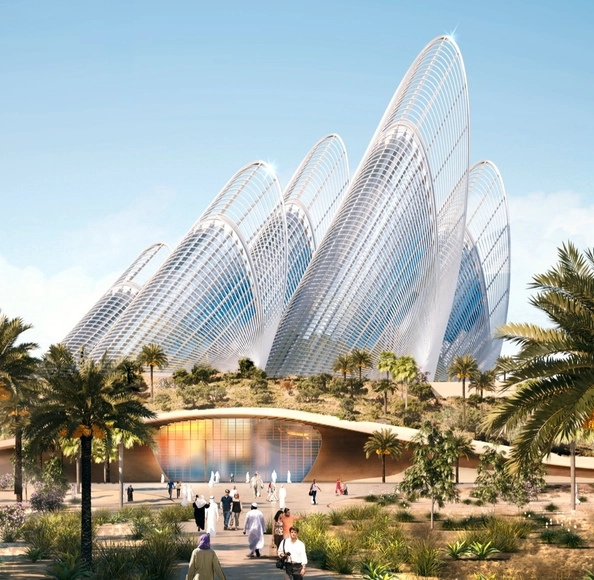
As 2024 comes to an end, the architectural world looks ahead to 2025, a year set to unveil transformative projects across the globe. From cultural landmarks in Asia, such as Sou Fujimoto's "Grand Ring" for Expo 2025 Osaka and MAD Architects' Hainan Science Museum in China, to dynamic urban developments like OMA's Harajuku Quest in Tokyo and David Chipperfield's Elbtower in Hamburg, these projects reflect a commitment to innovation, sustainability, and preserving cultural heritage.

In North America, Studio Gang's Shirley Chisholm Recreation Center in Brooklyn and the Lucas Museum of Narrative Art in Los Angeles highlight architecture's role in fostering community connections. Meanwhile, Europe anticipates Shigeru Ban's hybrid residential tower in Antwerp and Kengo Kuma's Visitor Center at Albania's Butrint National Park, showcasing the intersection of contemporary design and local context. As these projects take shape, they offer a glimpse into architecture's power to redefine spaces and inspire communities.
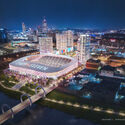
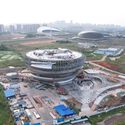
The 25 Most Anticipated Projects of 2025 - Image 1 of 4The 25 Most Anticipated Projects of 2025 - Image 2 of 4The 25 Most Anticipated Projects of 2025 - Image 3 of 4The 25 Most Anticipated Projects of 2025 - Image 4 of 4The 25 Most Anticipated Projects of 2025 - More Images+ 21

Art Galleries Integrated into the Urban Fabric: 12 Projects Bringing Art and Culture to Neighborhoods

Subscriber Access | 

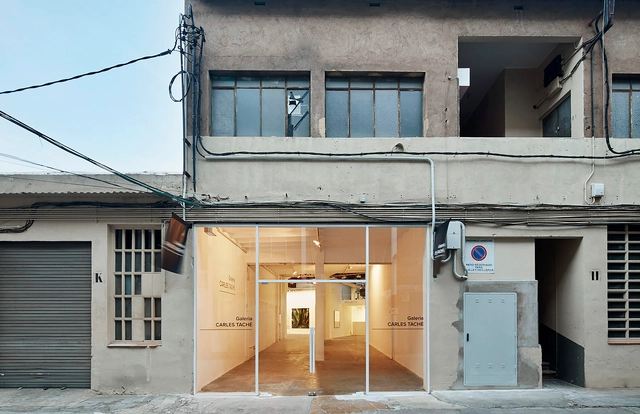
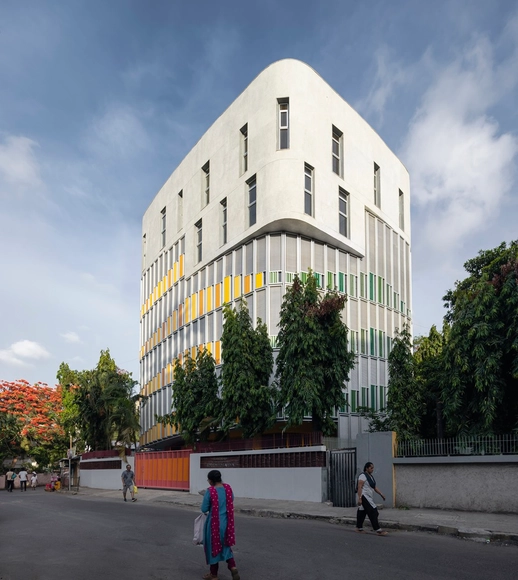
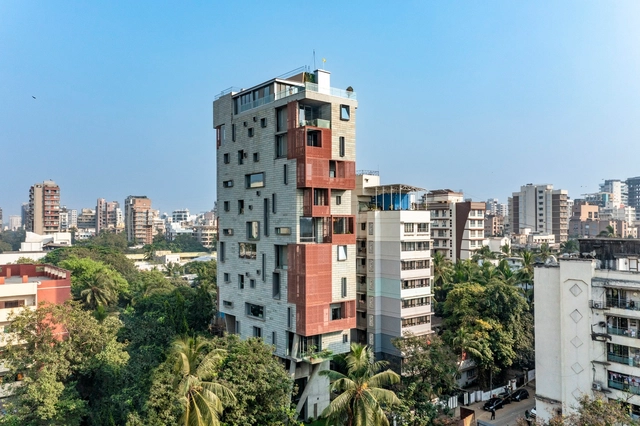
The relationship between art and humanity dates back to the origins of civilization. Museums have become spaces where vast collections of art and artifacts narrate the history of time, humankind, cities, and countless stories about cultures and societies. Over the years, the museum's role has evolved, taking on different forms and scales, including the modern-day art gallery. The importance of art and culture in contemporary cities and neighborhoods is undeniable. However, galleries serve multiple roles in integrating art and culture into daily life. Why are these spaces valuable to communities? How do they support emerging artists? How can galleries revitalize neighborhoods?
Art Galleries Integrated into the Urban Fabric: 12 Projects Bringing Art and Culture to Neighborhoods - Image 1 of 4Art Galleries Integrated into the Urban Fabric: 12 Projects Bringing Art and Culture to Neighborhoods - Image 2 of 4Art Galleries Integrated into the Urban Fabric: 12 Projects Bringing Art and Culture to Neighborhoods - Image 3 of 4Art Galleries Integrated into the Urban Fabric: 12 Projects Bringing Art and Culture to Neighborhoods - Image 4 of 4Art Galleries Integrated into the Urban Fabric: 12 Projects Bringing Art and Culture to Neighborhoods - More Images+ 38

Garden School / JDAP

Garden School / JDAP - Exterior Photography, Elementary & Middle SchoolGarden School / JDAP - Interior Photography, Elementary & Middle School, Facade, DoorGarden School / JDAP - Interior Photography, Elementary & Middle School, Fence, Handrail, Facade, StairsGarden School / JDAP - Interior Photography, Elementary & Middle School, Chair, TableGarden School / JDAP - More Images+ 36

J-House / Malik Architecture

J-House / Malik Architecture - HousesJ-House / Malik Architecture - Interior Photography, HousesJ-House / Malik Architecture - HousesJ-House / Malik Architecture - Exterior Photography, Houses, FacadeJ-House / Malik Architecture - More Images+ 27

Mumbai, India

Vaulted B/W Haus / DIG Architects

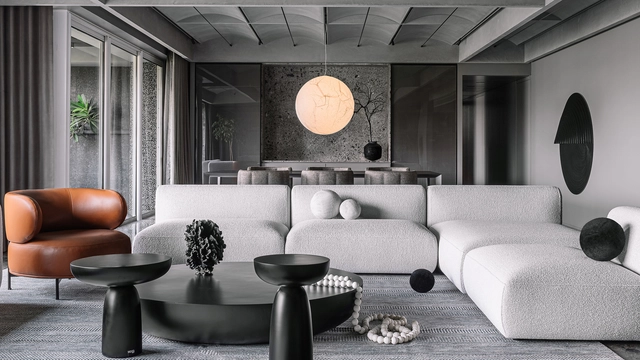
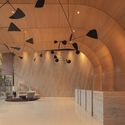
Vaulted B/W Haus / DIG Architects - Interior Photography, Apartment Interiors, Lighting, Table, ChairVaulted B/W Haus / DIG Architects - Interior Photography, Apartment Interiors, Table, Lighting, ChairVaulted B/W Haus / DIG Architects - Interior Photography, Apartment InteriorsVaulted B/W Haus / DIG Architects - Interior Photography, Apartment InteriorsVaulted B/W Haus / DIG Architects - More Images+ 13

  • Area Area of this architecture project Area:  4500 ft²
  • Year Completion year of this architecture project Year:  2023
  • Manufacturers Brands with products used in this architecture project
    Manufacturers:  Davide Groppi, MDF Italia
  • Professionals: Laxman Interiors

World Tourism Day 2024: 30 Architecture City Guides to Celebrate Urban Fabrics from Around the World

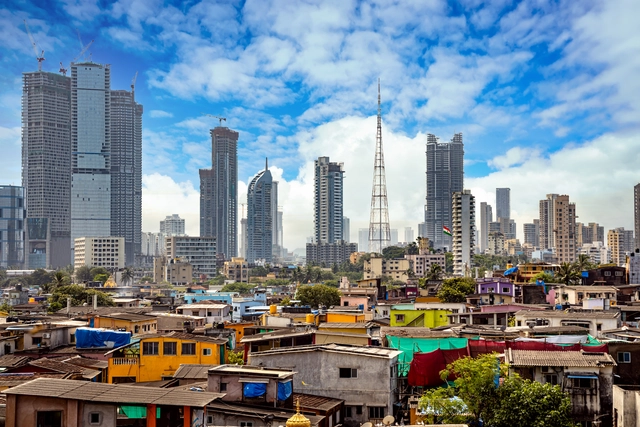
Tourism, as an urban and architectural phenomenon, has grown to encompass more than just sightseeing; it engages visitors with the social, cultural, and economic narratives that cities tell through their built environments. In celebration of World Tourism Day 2024, this collection of city guides highlights the role of architecture in shaping the urban tourism experience. Today, cities around the world stand as testaments to human ingenuity, historical preservation, and modern innovation. In fact, each city's versatile architecture offers a window into a city's identity, drawing millions of visitors each year who seek to understand how these spaces shape everyday life and collective memory.

In 2024, many cities have seized the world's collective imagination, each with its unique narrative waiting to be uncovered. Whether one finds themselves meandering through London, admiring Paris, or immersing in the cultural treasures of Sharjah, the story is always there to be unraveled. From Amsterdam's canals to Cairo's rich historical layers, Barcelona's avant-garde architecture, the liveliness of Santiago to the ancient marvels of Rome, and the diverse Istanbul to the bustling Bangkok – each city serves as a testament to the enduring spirit of human civilization.
World Tourism Day 2024: 30 Architecture City Guides to Celebrate Urban Fabrics from Around the World - Image 1 of 4World Tourism Day 2024: 30 Architecture City Guides to Celebrate Urban Fabrics from Around the World - Image 2 of 4World Tourism Day 2024: 30 Architecture City Guides to Celebrate Urban Fabrics from Around the World - Image 3 of 4World Tourism Day 2024: 30 Architecture City Guides to Celebrate Urban Fabrics from Around the World - Image 4 of 4World Tourism Day 2024: 30 Architecture City Guides to Celebrate Urban Fabrics from Around the World - More Images+ 27

Mega-cities, Mega-projects, and Mega-slums: Exploring Urbanization in India

Subscriber Access | 

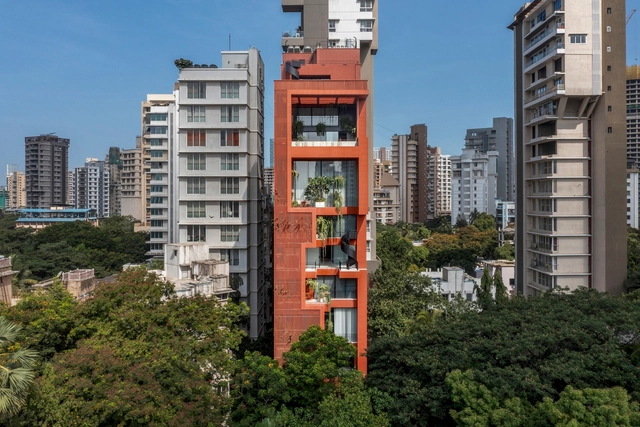
As a result of the nation’s ardent aspirations for growth and development, the social, economic, and physical landscape of India has transformed. A significant portion of the region’s population is of working age and comprises a massive market size, making India a land of opportunity especially in the eyes of foreign investors.

Reflecting this context, multiple mega-cities and mega-projects characterize the built environment and push the nation toward superpower status. On the flip side of the coin, these visionary projects along with the trend of rapid urbanization also bring in a range of side effects - the spread of informal settlements and in turn, the challenges to equitable development.
Mega-cities, Mega-projects, and Mega-slums: Exploring Urbanization in India - Image 1 of 4Mega-cities, Mega-projects, and Mega-slums: Exploring Urbanization in India - Image 2 of 4Mega-cities, Mega-projects, and Mega-slums: Exploring Urbanization in India - Image 3 of 4Mega-cities, Mega-projects, and Mega-slums: Exploring Urbanization in India - Image 4 of 4Mega-cities, Mega-projects, and Mega-slums: Exploring Urbanization in India - More Images+ 2

SARVASVA Building / SPASM Design Architects

SARVASVA Building / SPASM Design Architects - Exterior Photography, Houses, FacadeSARVASVA Building / SPASM Design Architects - HousesSARVASVA Building / SPASM Design Architects - Exterior Photography, Houses, CityscapeSARVASVA Building / SPASM Design Architects - Exterior Photography, Houses, FacadeSARVASVA Building / SPASM Design Architects - More Images+ 6

Mumbai, India

Affogato / kaviar:collaborative

Affogato / kaviar:collaborative - Interior Photography, Coffee Shop Interiors, Facade, Door, ChairAffogato / kaviar:collaborative - Interior Photography, Coffee Shop Interiors, TableAffogato / kaviar:collaborative - Interior Photography, Coffee Shop Interiors, StairsAffogato / kaviar:collaborative - Interior Photography, Coffee Shop Interiors, Facade, DoorAffogato / kaviar:collaborative - More Images+ 8

  • Area Area of this architecture project Area:  650 ft²
  • Year Completion year of this architecture project Year:  2023