1. ArchDaily
  2. Museums

Museums: The Latest Architecture and News

Safdie Architects Completes Expansion of Crystal Bridges Museum in Arkansas

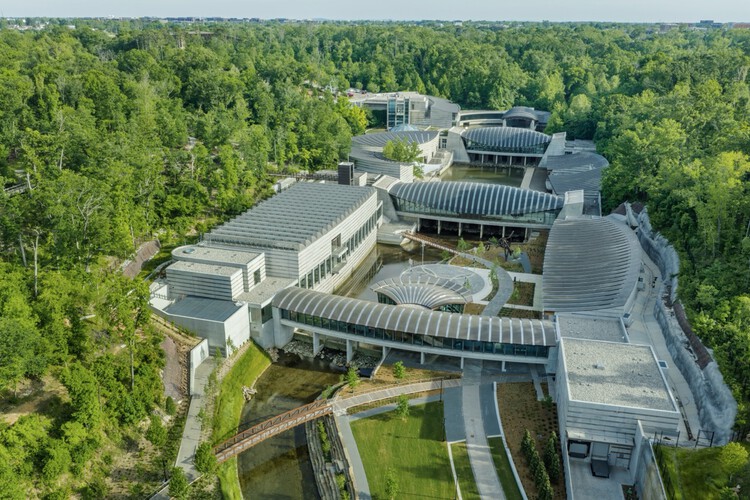
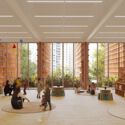
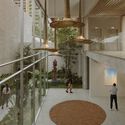
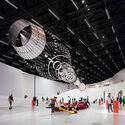
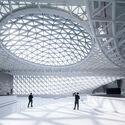
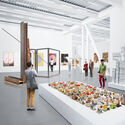
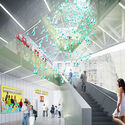
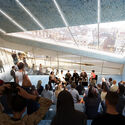
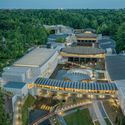
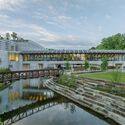
Crystal Bridges Museum of American Art in Bentonville, Arkansas, will open a major 114,000-square-foot expansion to the public on June 6–7, 2026. Designed by Safdie Architects, the project extends the museum's original architecture while introducing new galleries, educational facilities, public gathering spaces, and landscape connections across the institution's 134-acre campus. The addition represents the completion of a long-term development strategy for the museum, enhancing both its exhibition capacity and its engagement with the surrounding Ozark landscape.
Safdie Architects Completes Expansion of Crystal Bridges Museum in Arkansas - Image 1 of 4Safdie Architects Completes Expansion of Crystal Bridges Museum in Arkansas - Image 2 of 4Safdie Architects Completes Expansion of Crystal Bridges Museum in Arkansas - Image 3 of 4Safdie Architects Completes Expansion of Crystal Bridges Museum in Arkansas - Image 4 of 4Safdie Architects Completes Expansion of Crystal Bridges Museum in Arkansas - More Images+ 11

MAC Panamá Selects Palma + Taller TO to Design Its New Museum Building

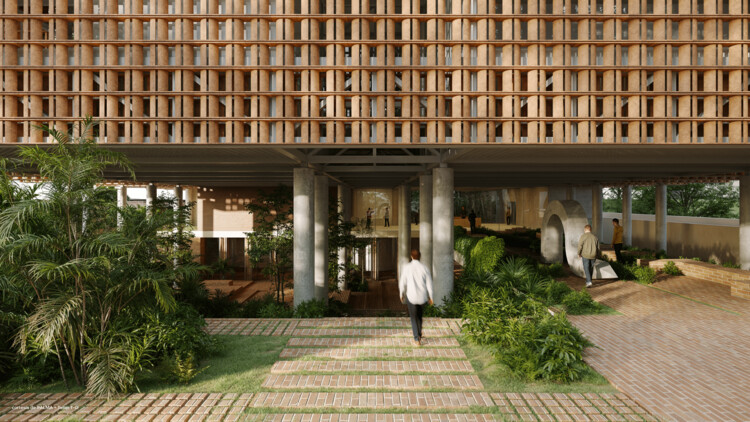
Following an international design competition launched in January 2026, the Museum of Contemporary Art of Panama (MAC Panamá) announced the selection of Mexican architects Palma + Taller TO to design its new building. The museum is described as "a new cultural infrastructure open to the city, conceived from the identity, climate, and landscape of Panama." The future museum headquarters will be located in the corregimiento of San Francisco, to consolidate the area as a hub of cultural activity. The selection criteria involved the relationship between the museum and the city, prioritizing proposals with integrated elements for community engagement and framing the building as a cultural infrastructure, enriching the contemporary urban environment of Panama City.

MAC Panamá Selects Palma + Taller TO to Design Its New Museum Building - Image 1 of 4MAC Panamá Selects Palma + Taller TO to Design Its New Museum Building - Image 2 of 4MAC Panamá Selects Palma + Taller TO to Design Its New Museum Building - Image 3 of 4MAC Panamá Selects Palma + Taller TO to Design Its New Museum Building - Image 4 of 4MAC Panamá Selects Palma + Taller TO to Design Its New Museum Building - More Images

Selldorf Architects, STUDIOS Architecture, and BASE Paysagiste Selected to Renovate the Louvre Museum

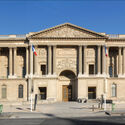
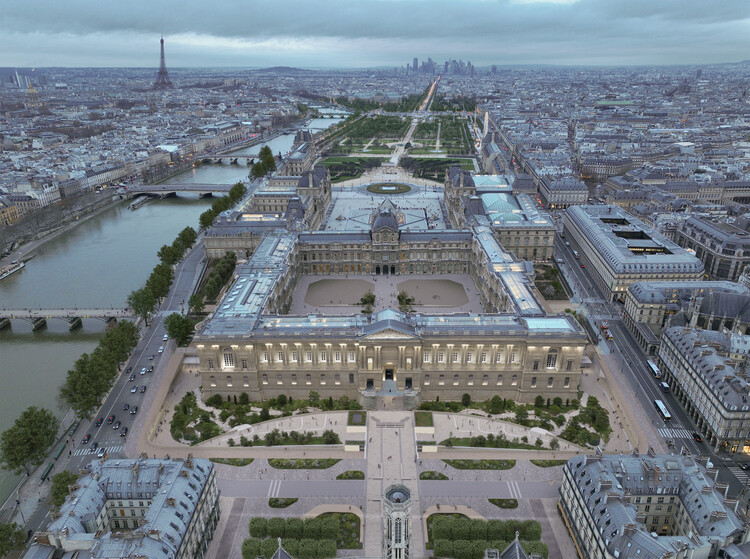
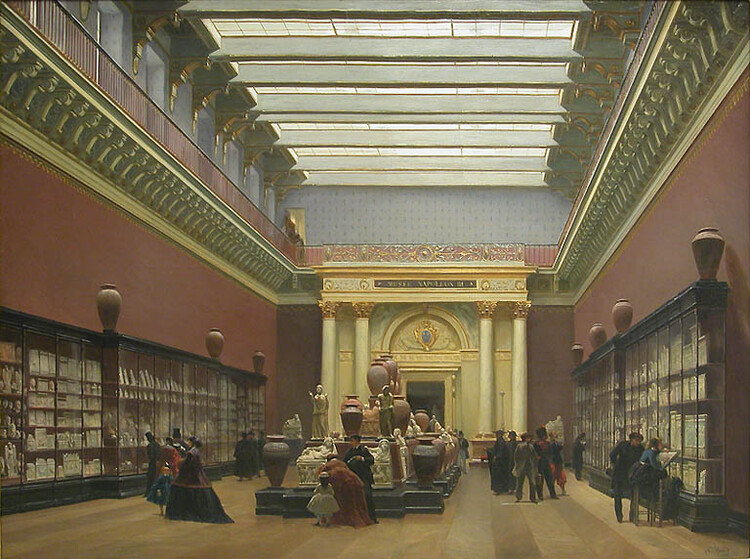
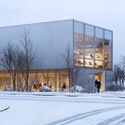
The French Minister of Culture announced on Monday, May 18, 2026, the winner of the "Louvre–Nouvelle Renaissance" competition. The team selected to transform the world-renowned Musée du Louvre is led by STUDIOS Architecture, New York-based Selldorf Architects, and landscape architecture firm BASE Paysagiste. The renovation initiative was announced in January 2025 as a major intervention for the historic complex following concerns expressed by the museum's director regarding its deteriorating condition. The first round of the competition took place in June, with a shortlist of five teams revealed in October. According to French authorities, the project has a dual objective: to repair and transform the building to preserve its collections while updating it to meet contemporary public expectations, including sustainability requirements that will pose significant challenges for the museum in the coming decades.
Selldorf Architects, STUDIOS Architecture, and BASE Paysagiste Selected to Renovate the Louvre Museum - Image 1 of 4Selldorf Architects, STUDIOS Architecture, and BASE Paysagiste Selected to Renovate the Louvre Museum - Image 2 of 4Selldorf Architects, STUDIOS Architecture, and BASE Paysagiste Selected to Renovate the Louvre Museum - Image 3 of 4Selldorf Architects, STUDIOS Architecture, and BASE Paysagiste Selected to Renovate the Louvre Museum - Image 4 of 4Selldorf Architects, STUDIOS Architecture, and BASE Paysagiste Selected to Renovate the Louvre Museum - More Images

Casanova+Hernandez Architects Advances Renovation of Albania’s National Historical Museum

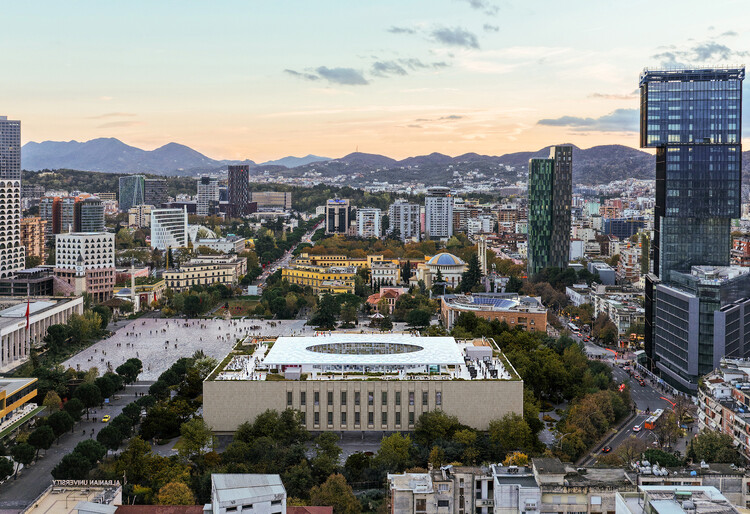
The initial phase of the complete renovation project for the National Historical Museum in Tirana is approaching completion. The project was commissioned by the Ministry of Economy, Culture, and Innovation of Albania and UNOPS, and financed by the European Commission through the EU for Culture (EU4C) program in Albania. The full restoration of the museum's 21,400 square meters is planned in two phases, led by Rotterdam-based Casanova + Hernandez Architects in collaboration with local partner iRI. The first phase consists of restoring the existing building in Skanderbeg Square and is expected to be completed this year, enabling the immediate start of the second phase, focused on implementing the new design for all interior spaces, the courtyard, and the roof.

Casanova+Hernandez Architects Advances Renovation of Albania’s National Historical Museum - Image 1 of 4Casanova+Hernandez Architects Advances Renovation of Albania’s National Historical Museum - Image 2 of 4Casanova+Hernandez Architects Advances Renovation of Albania’s National Historical Museum - Image 3 of 4Casanova+Hernandez Architects Advances Renovation of Albania’s National Historical Museum - Image 4 of 4Casanova+Hernandez Architects Advances Renovation of Albania’s National Historical Museum - More Images+ 19

Kengo Kuma & Associates and Field Operations to Renovate Pennsylvania’s Brandywine Conservancy & Museum of Art

The Brandywine Conservancy & Museum of Art, located near Philadelphia, is dedicated to promoting the natural and cultural connections between the region's landscape, historic sites, and artists. The Conservancy protects land and waterways throughout the Brandywine Valley and other priority conservation areas, while the Museum houses a collection of American art, with particular strengths in landscape and still life painting, portraiture, and illustration. On May 6, 2026, the institution announced a project to transform its 15-acre campus, including the renovation of the historic museum building, a new museum building by Kengo Kuma & Associates, and conservation and landscape interventions by Field Operations that will create a publicly accessible 325-acre reserve with ten miles of trails.

Kengo Kuma & Associates and Field Operations to Renovate Pennsylvania’s Brandywine Conservancy & Museum of Art - Image 1 of 4Kengo Kuma & Associates and Field Operations to Renovate Pennsylvania’s Brandywine Conservancy & Museum of Art - Image 2 of 4Kengo Kuma & Associates and Field Operations to Renovate Pennsylvania’s Brandywine Conservancy & Museum of Art - Image 3 of 4Kengo Kuma & Associates and Field Operations to Renovate Pennsylvania’s Brandywine Conservancy & Museum of Art - Image 4 of 4Kengo Kuma & Associates and Field Operations to Renovate Pennsylvania’s Brandywine Conservancy & Museum of Art - More Images+ 3

OMA / Shohei Shigematsu Completes First Public Project in Japan at Newly Renovated Edo-Tokyo Museum

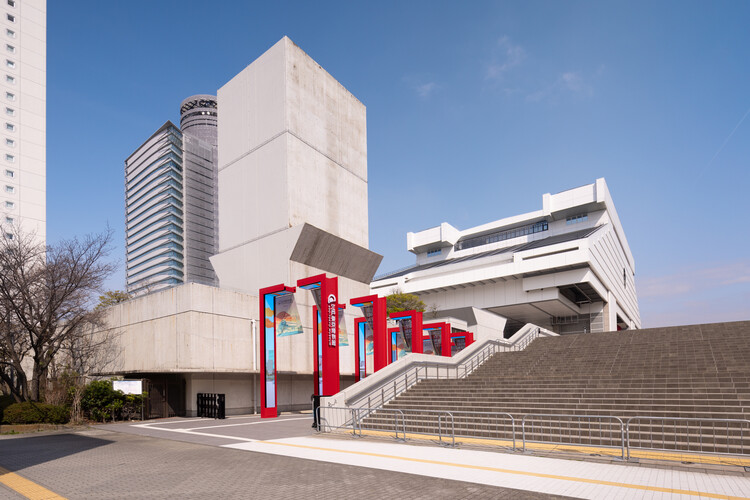
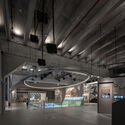
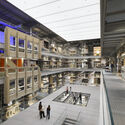
The Edo-Tokyo Museum has reopened to the public following a multi-year renovation, unveiling a series of scenographic interventions and installations designed by OMA under the direction of Shohei Shigematsu. Marking the firm's first public project in Japan, the commission forms part of the broader renewal of the museum's iconic building by Metabolist architect Kiyonori Kikutake. Originally opened in 1993 as the first museum dedicated to the history of Tokyo, the institution traces the city's evolution from the Edo period to the present day, and the new interventions aim to strengthen its relationship with contemporary audiences while preserving the identity of Kikutake's architecture.
OMA / Shohei Shigematsu Completes First Public Project in Japan at Newly Renovated Edo-Tokyo Museum - Image 1 of 4OMA / Shohei Shigematsu Completes First Public Project in Japan at Newly Renovated Edo-Tokyo Museum - Image 2 of 4OMA / Shohei Shigematsu Completes First Public Project in Japan at Newly Renovated Edo-Tokyo Museum - Image 3 of 4OMA / Shohei Shigematsu Completes First Public Project in Japan at Newly Renovated Edo-Tokyo Museum - Image 4 of 4OMA / Shohei Shigematsu Completes First Public Project in Japan at Newly Renovated Edo-Tokyo Museum - More Images+ 16

Cobe to Transform Former IKEA Warehouse into a New Site for the Museum of Furniture Studies in Älmhult, Sweden

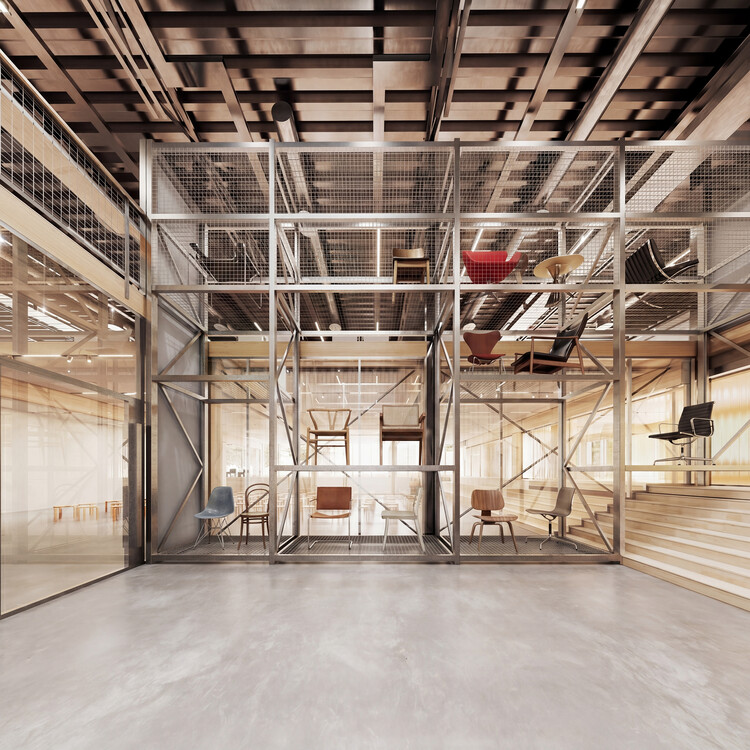
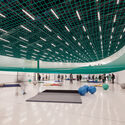
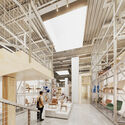
The Museum of Furniture Studies was founded in 2017 in Stockholm, showcasing a collection of more than 1,300 furniture pieces by over 44 international designers. The museum's physical location closed in 2022, maintaining its visibility through its Digital Archive for Design Furniture until it was acquired by IKEA in 2024. This week, Danish architecture studio Cobe announced the transformation of a former IKEA warehouse in Älmhult, Sweden, into a new home for the museum. The project involves converting a closed storage facility into an open and accessible space for design while preserving its industrial structure. The building is scheduled to open in early February 2027.

Cobe to Transform Former IKEA Warehouse into a New Site for the Museum of Furniture Studies in Älmhult, Sweden - Image 1 of 4Cobe to Transform Former IKEA Warehouse into a New Site for the Museum of Furniture Studies in Älmhult, Sweden - Image 2 of 4Cobe to Transform Former IKEA Warehouse into a New Site for the Museum of Furniture Studies in Älmhult, Sweden - Image 3 of 4Cobe to Transform Former IKEA Warehouse into a New Site for the Museum of Furniture Studies in Älmhult, Sweden - Image 4 of 4Cobe to Transform Former IKEA Warehouse into a New Site for the Museum of Furniture Studies in Älmhult, Sweden - More Images

The Bass Museum of Art Commissions Johnston Marklee for Campus Expansion in Collins Park, Miami Beach

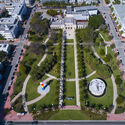
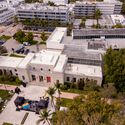
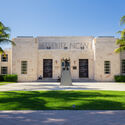
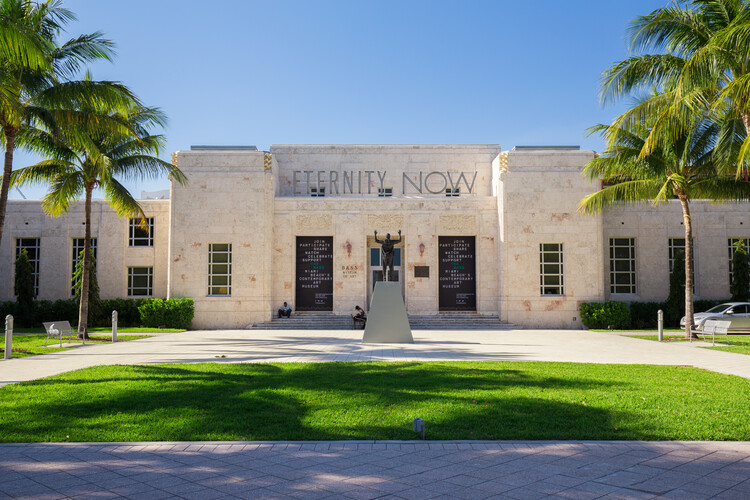
The Bass Museum of Art has appointed the Los Angeles-based architecture practice Johnston Marklee to lead the expansion of its campus in Collins Park, Miami Beach, advancing a long-term vision that integrates architecture, landscape, and contemporary art. Founded in 1964 following the donation of the John and Johanna Bass collection, the museum is housed within a 1930s Art Deco building originally designed by Russell Pancoast as the Miami Beach Public Library and Art Center. Over time, the institution has evolved through architectural interventions, most notably the campus framework introduced by Arata Isozaki, which establishes a dialogue between the historic fabric and contemporary additions.

The Bass Museum of Art Commissions Johnston Marklee for Campus Expansion in Collins Park, Miami Beach - Image 1 of 4The Bass Museum of Art Commissions Johnston Marklee for Campus Expansion in Collins Park, Miami Beach - Image 2 of 4The Bass Museum of Art Commissions Johnston Marklee for Campus Expansion in Collins Park, Miami Beach - Featured ImageThe Bass Museum of Art Commissions Johnston Marklee for Campus Expansion in Collins Park, Miami Beach - Image 3 of 4The Bass Museum of Art Commissions Johnston Marklee for Campus Expansion in Collins Park, Miami Beach - More Images

Peter Zumthor’s LACMA David Geffen Galleries Open in Los Angeles

On Sunday, April 19, 2026, the Los Angeles County Museum of Art (LACMA) opened its new David Geffen Galleries to the public. Designed by architect Peter Zumthor, the building offers an elevated exhibition space for the museum's permanent collection. All artworks are presented in a single-level open space, in a non-hierarchical layout of cultures, traditions, and eras, spanning 6,000 years of art history across approximately 155,000 objects. The space is flexible, accommodating diverse curatorial projects as well as visitors' individual paths. The project marks a new step in the institution's two-decade transformation into a global art museum and the most comprehensive in the western United States.

Peter Zumthor’s LACMA David Geffen Galleries Open in Los Angeles - Image 1 of 4Peter Zumthor’s LACMA David Geffen Galleries Open in Los Angeles - Image 2 of 4Peter Zumthor’s LACMA David Geffen Galleries Open in Los Angeles - Image 3 of 4Peter Zumthor’s LACMA David Geffen Galleries Open in Los Angeles - Image 4 of 4Peter Zumthor’s LACMA David Geffen Galleries Open in Los Angeles - More Images+ 40

V&A East Museum by O’Donnell + Tuomey to Open in East London’s Cultural Quarter

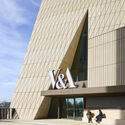
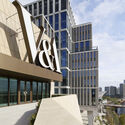
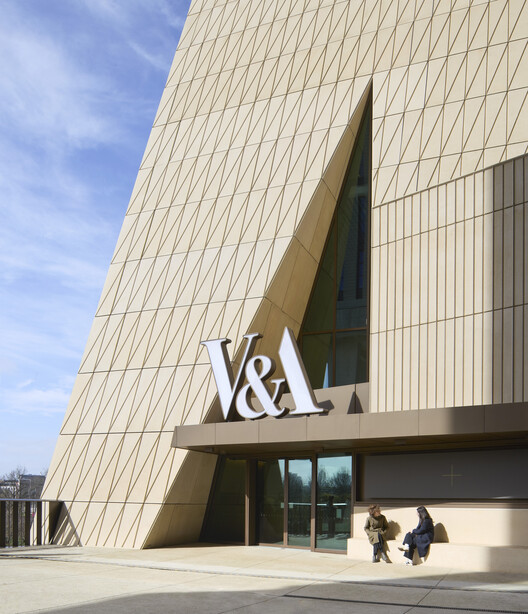
V&A East Museum, designed by architects O'Donnell + Tuomey, will open to the public on 18 April 2026. Assigned to the firm in 2015, the new building is located in the Queen Elizabeth Olympic Park, near its recently opened sister facility, the V&A East Storehouse, designed by Diller Scofidio + Renfro. Located in East London, the UK's newest cultural quarter supported by the Mayor of London, the two-building complex aims to "spotlight the many ways global artists, designers, and makers use creativity to shape the world." Dedicated to creative opportunity and its power to bring change, the museum's five public levels contain two permanent galleries, a 900 sqm temporary exhibition gallery, a top-floor project and event space, learning facilities, and a café.

V&A East Museum by O’Donnell + Tuomey to Open in East London’s Cultural Quarter - Featured ImageV&A East Museum by O’Donnell + Tuomey to Open in East London’s Cultural Quarter - Image 1 of 4V&A East Museum by O’Donnell + Tuomey to Open in East London’s Cultural Quarter - Image 2 of 4V&A East Museum by O’Donnell + Tuomey to Open in East London’s Cultural Quarter - Image 3 of 4V&A East Museum by O’Donnell + Tuomey to Open in East London’s Cultural Quarter - More Images+ 42

14 Major Museum Projects Currently in Progress Around the World

Throughout 2025 and early 2026, numerous museum projects were announced, advanced, or broke ground across multiple regions, with completion timelines largely extending from 2026 to 2030. Located across Asia, Europe, North America, and Central Asia, these developments reflect ongoing shifts in the role of cultural institutions within contemporary cities. Increasingly, museums are conceived not only as exhibition venues but as public-facing environments that accommodate education, research, and civic engagement. This expanded programmatic scope is often accompanied by architectural strategies that respond to urban conditions, spatial continuity, and the integration of cultural infrastructure into broader city-making processes.

14 Major Museum Projects Currently in Progress Around the World - Image 1 of 414 Major Museum Projects Currently in Progress Around the World - Image 2 of 414 Major Museum Projects Currently in Progress Around the World - Image 3 of 414 Major Museum Projects Currently in Progress Around the World - Image 4 of 414 Major Museum Projects Currently in Progress Around the World - More Images+ 8

Archiving the Technosphere: How Museum Architecture Mediates Human-Made Systems

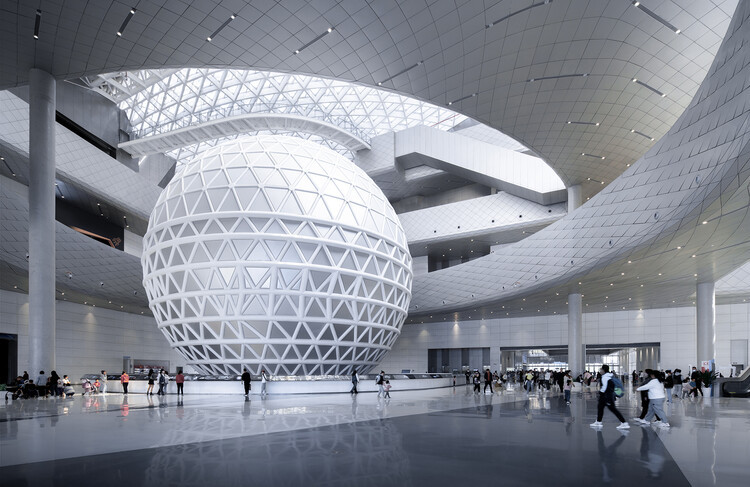
Far from the perception of the exhibition space as a sterile and untouchable, almost sacred place, the contemporary technology museum has emerged as a performative participant in the systems it seeks to document. The architecture of these institutions has become increasingly fluid and bold, often mirroring the velocity and complexity of the systems it houses. They operate as mediators between the human, the ecological, and the technological realms, transforming from encyclopedic warehouses into active educational engines. By spatializing complex scientific data through immersive rooms, these structures make the technological networks of our world accessible, engaging, and tangible.

Archiving the Technosphere: How Museum Architecture Mediates Human-Made Systems - Image 1 of 4Archiving the Technosphere: How Museum Architecture Mediates Human-Made Systems - Image 2 of 4Archiving the Technosphere: How Museum Architecture Mediates Human-Made Systems - Image 3 of 4Archiving the Technosphere: How Museum Architecture Mediates Human-Made Systems - Image 4 of 4Archiving the Technosphere: How Museum Architecture Mediates Human-Made Systems - More Images+ 4

Heritage in Motion: Bangkok’s Buildings That Continue to Become

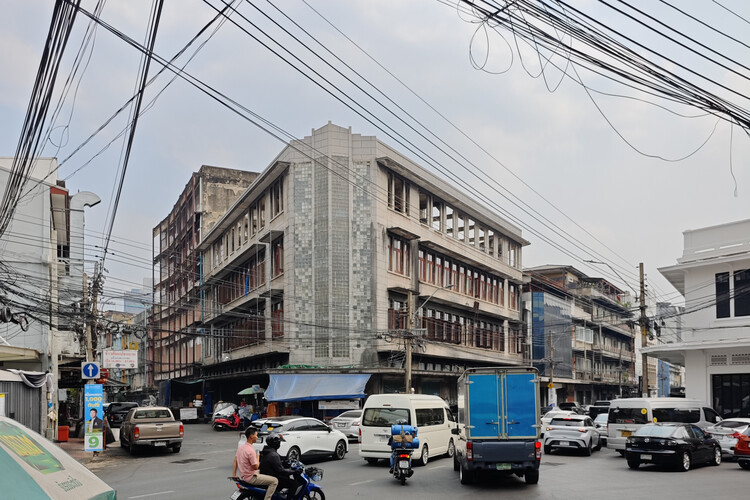
Architectural heritage is not only what a building was, but what it continues to become: a long process of building, rebuilding, and re-occupying over time. Where opportunities allow, this continuity produces a layered condition—one in which visitors can witness, experience, and feel the gradual shifting of a building's fabric, materiality, spatial order, and patterns of use, and occasionally even participate in that transformation.

Yet many projects—particularly those driven primarily by commercial imperatives—do not choose to value, or even to recognize, this slower work of adaptive reuse and heritage continuation. Developments governed by a numbers-only logic often opt for the easier path of demolition and rebuild: maximizing plot ratio, GFA, and rentable area with the efficiency of a clean slate. And still, every now and then, an opportunity surfaces that allows us to see—and to enjoy—the city's process of architectural "heritaging" in real time.

Heritage in Motion: Bangkok’s Buildings That Continue to Become - Image 1 of 4Heritage in Motion: Bangkok’s Buildings That Continue to Become - Image 2 of 4Heritage in Motion: Bangkok’s Buildings That Continue to Become - Image 3 of 4Heritage in Motion: Bangkok’s Buildings That Continue to Become - Image 4 of 4Heritage in Motion: Bangkok’s Buildings That Continue to Become - More Images+ 17

Níall McLaughlin Architects Wins International Competition for Museum of Jesus’ Baptism at Bethany, Jordan

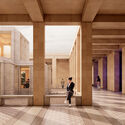
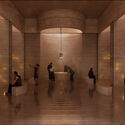
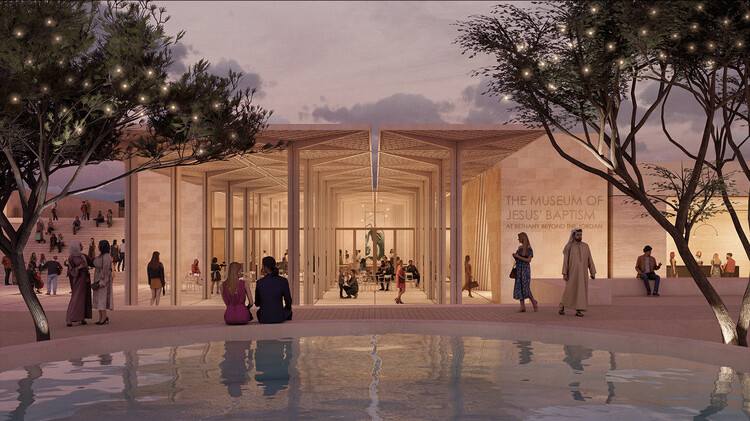
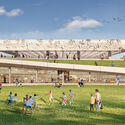
Following the release of seven shortlisted proposals in 2025 through an online gallery, the Foundation for the Development of the Lands Adjacent to the Baptism Site has announced the winner of the international design competition for the Museum of Jesus' Baptism at Bethany, Jordan. Managed by Malcolm Reading Consultants, the six-month invited competition brought together architect-led multidisciplinary teams to design a museum and landscape project responding to the sacred character of Al-Maghtas, a UNESCO World Heritage Site. After finalist interviews conducted by an international Advisory Panel, the team led by Níall McLaughlin Architects (NMLA) was selected as the competition winner.

Níall McLaughlin Architects Wins International Competition for Museum of Jesus’ Baptism at Bethany, Jordan - Image 1 of 4Níall McLaughlin Architects Wins International Competition for Museum of Jesus’ Baptism at Bethany, Jordan - Image 2 of 4Níall McLaughlin Architects Wins International Competition for Museum of Jesus’ Baptism at Bethany, Jordan - Image 3 of 4Níall McLaughlin Architects Wins International Competition for Museum of Jesus’ Baptism at Bethany, Jordan - Image 4 of 4Níall McLaughlin Architects Wins International Competition for Museum of Jesus’ Baptism at Bethany, Jordan - More Images+ 4

WEISS/MANFREDI Reveals Updated Designs for La Brea Tar Pits Transformation in Los Angeles

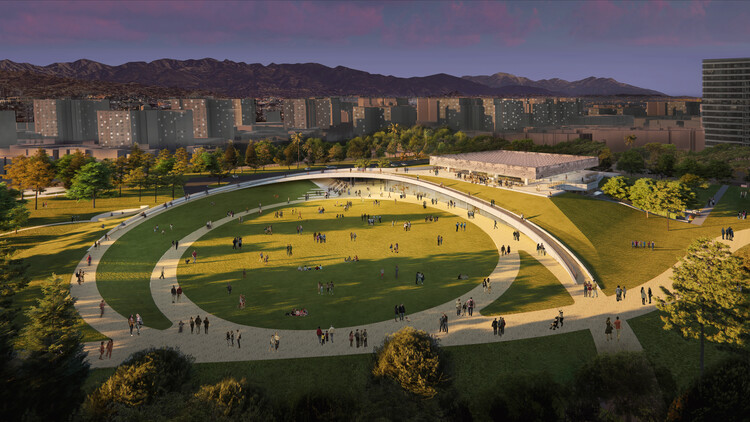
New renderings released by WEISS/MANFREDI reveal updated plans for the ongoing transformation of the La Brea Tar Pits in Los Angeles, a comprehensive redesign that integrates the museum, landscape, and active excavation areas into a continuous public and research-oriented campus. Alongside the design update, the Natural History Museums of Los Angeles County (NHM) has announced the creation of the Samuel Oschin Global Center for Ice Age Research, a new initiative supported by the Samuel Oschin Family Foundation, which advances the site's long-term redevelopment. The transformation project is led by WEISS/MANFREDI as design lead for the museum and park, with Gruen Associates serving as executive architect and landscape architect, and Kossmanndejong (KDJ) responsible for exhibition design. Fundraising efforts are ongoing, with the project positioned for completion ahead of the 2028 Olympic Games in Los Angeles.

WEISS/MANFREDI Reveals Updated Designs for La Brea Tar Pits Transformation in Los Angeles - Image 1 of 4WEISS/MANFREDI Reveals Updated Designs for La Brea Tar Pits Transformation in Los Angeles - Image 2 of 4WEISS/MANFREDI Reveals Updated Designs for La Brea Tar Pits Transformation in Los Angeles - Image 3 of 4WEISS/MANFREDI Reveals Updated Designs for La Brea Tar Pits Transformation in Los Angeles - Image 4 of 4WEISS/MANFREDI Reveals Updated Designs for La Brea Tar Pits Transformation in Los Angeles - More Images+ 6

Sordo Madaleno and építész stúdió Selected to Design New Natural History Collection Center in Debrecen, Hungary

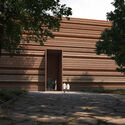
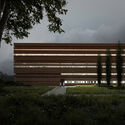
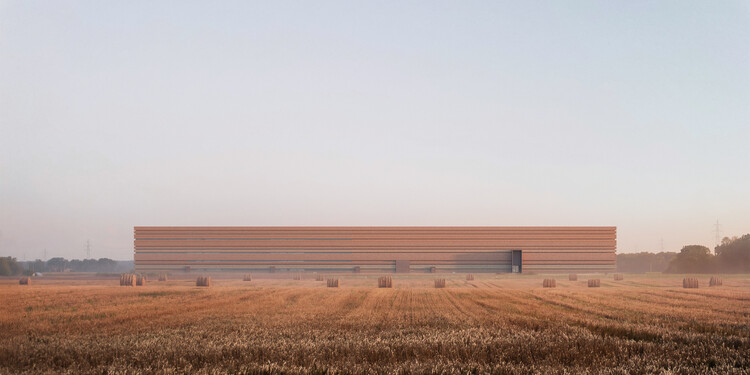
Sordo Madaleno, in collaboration with építész stúdió and Buro Happold, has been selected to design the 43,000-square-meter New Debrecen Collection Center for the Hungarian Museum of Natural History. Debrecen, Hungary's second-largest city, is currently the focus of significant urban and university-related development, including plans to relocate the Hungarian Museum of Natural History from Budapest to the edge of Debrecen's Great Forest. The proposed Collection Center is conceived as a facility dedicated to the controlled storage and study of more than 11 million objects, drawing conceptual inspiration from traditional Hungarian clay vessels, structures historically used to protect and preserve. The project would mark the first European cultural commission for the Mexican architecture practice, which operates studios in London and Mexico City.

Sordo Madaleno and építész stúdió Selected to Design New Natural History Collection Center in Debrecen, Hungary - Image 1 of 4Sordo Madaleno and építész stúdió Selected to Design New Natural History Collection Center in Debrecen, Hungary - Image 2 of 4Sordo Madaleno and építész stúdió Selected to Design New Natural History Collection Center in Debrecen, Hungary - Image 3 of 4Sordo Madaleno and építész stúdió Selected to Design New Natural History Collection Center in Debrecen, Hungary - Image 4 of 4Sordo Madaleno and építész stúdió Selected to Design New Natural History Collection Center in Debrecen, Hungary - More Images+ 8

Forum, Depot, Maze: Toward a Plural Ecology of Museums

Subscriber Access | 

This article is part of our new Opinion section, a format for argument-driven essays on critical questions shaping our field.

Traditionally, a museum visit is a calendared occasion with a clearly scripted sequence. Arrival is ceremonially marked—by grand stairs or thresholds, by ticketing and information desks, by an audio guide and a concise institutional preface about mission and history. That deliberate "special occasion" quality extends from how museums were long conceived: deliberately exceptional, tightly curated, and organized around a specific narrative arc. In this model, the museum assumes an authoritative voice—its knowledge deep, vetted, and to be respected rather than contested—while architecture and choreography reinforce a rather singular way of entering, learning, and remembering.

Forum, Depot, Maze: Toward a Plural Ecology of Museums - Image 1 of 4Forum, Depot, Maze: Toward a Plural Ecology of Museums - Image 2 of 4Forum, Depot, Maze: Toward a Plural Ecology of Museums - Image 3 of 4Forum, Depot, Maze: Toward a Plural Ecology of Museums - Image 4 of 4Forum, Depot, Maze: Toward a Plural Ecology of Museums - More Images+ 17

The New Museum Expansion by OMA Opens on March 21 with Exhibition on Humanity

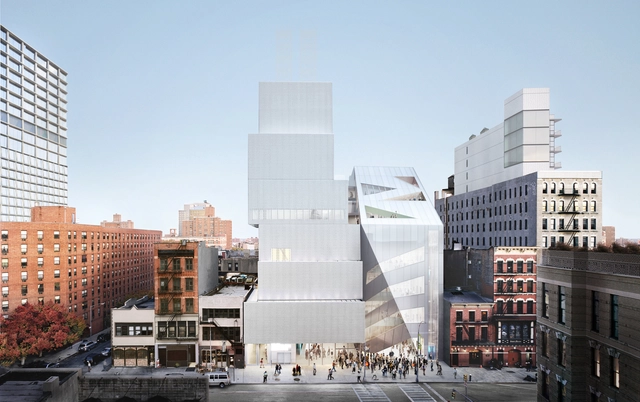
The New Museum is the only museum in New York City dedicated exclusively to contemporary art. From its beginnings as a one-room office on Hudson Street to the inauguration of its first freestanding building on the Bowery, designed by SANAA in 2007, it has evolved into a center for exhibitions, research, and documentation on international living artists. In 2017, Shohei Shigematsu and Rem Koolhaas of OMA were selected to design the New Museum's expansion. The first design images were released in 2019. On January 13, the Museum announced that its 60,000-square-foot expansion, designed in collaboration with Cooper Robertson, will open on March 21, 2026, with an exhibition exploring the very definition of humanity.

The New Museum Expansion by OMA Opens on March 21 with Exhibition on Humanity - Image 1 of 4The New Museum Expansion by OMA Opens on March 21 with Exhibition on Humanity - Image 2 of 4The New Museum Expansion by OMA Opens on March 21 with Exhibition on Humanity - Image 3 of 4The New Museum Expansion by OMA Opens on March 21 with Exhibition on Humanity - Image 4 of 4The New Museum Expansion by OMA Opens on March 21 with Exhibition on Humanity - More Images+ 4