1. ArchDaily
  2. Post-War Housing

Post-War Housing: The Latest Architecture and News

Upper Lawn: A Manifestation of Alison and Peter Smithson's Architectural Vision

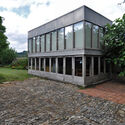
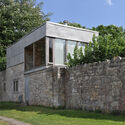
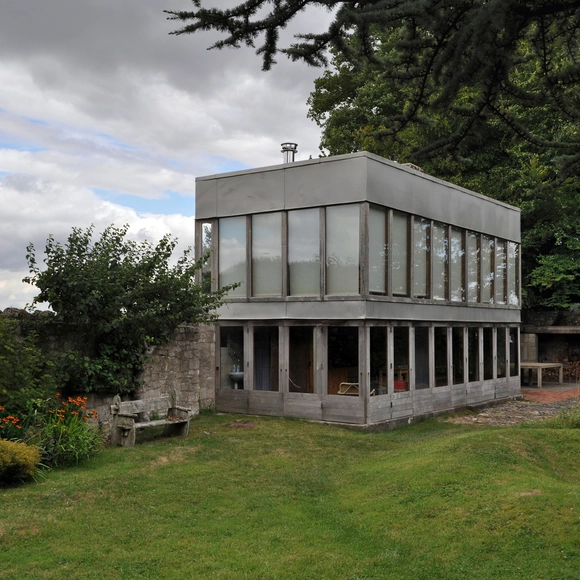
Nestled near the ruins of Fonthill Abbey in the English countryside, Upper Lawn Pavilion — also known as the Solar Pavilion — is a modest yet profound architectural experiment by Alison and Peter Smithson. Built between 1959 and 1962 as a weekend retreat and laboratory for ideas, the pavilion embodies their ethos of economy, material honesty, and respect for context, reflecting the pioneering spirit of New Brutalism.

Upper Lawn's thoughtful interplay between the new and the existing is particularly compelling. Built on the remains of an 18th-century English farmhouse, the pavilion repurposes thick masonry walls from the original structure, incorporating elements such as the well, trees, and lawn into its design. Using prefabricated materials like timber, glass, and aluminum, the Smithsons constructed a light-filled space that harmonizes with its surroundings, embodying their principle of "as found architecture" — a concept rooted in honoring and adapting to preexisting conditions rather than imposing on them.
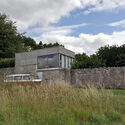
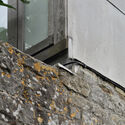
Upper Lawn: A Manifestation of Alison and Peter Smithson's Architectural Vision - Image 1 of 4Upper Lawn: A Manifestation of Alison and Peter Smithson's Architectural Vision - Image 2 of 4Upper Lawn: A Manifestation of Alison and Peter Smithson's Architectural Vision - Image 3 of 4Upper Lawn: A Manifestation of Alison and Peter Smithson's Architectural Vision - Image 4 of 4Upper Lawn: A Manifestation of Alison and Peter Smithson's Architectural Vision - More Images+ 11

WZMH Develops Modular System to Save Partially or Fully Destroyed Structures

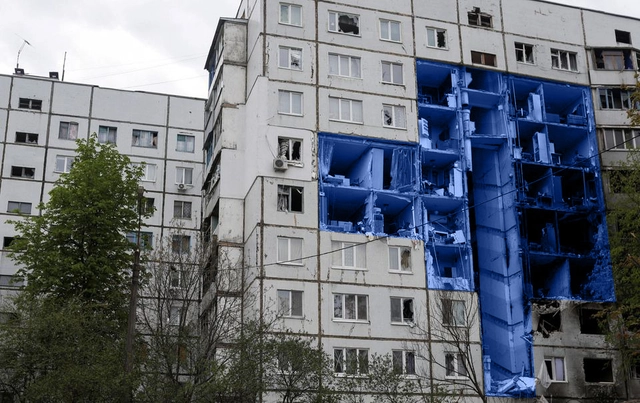
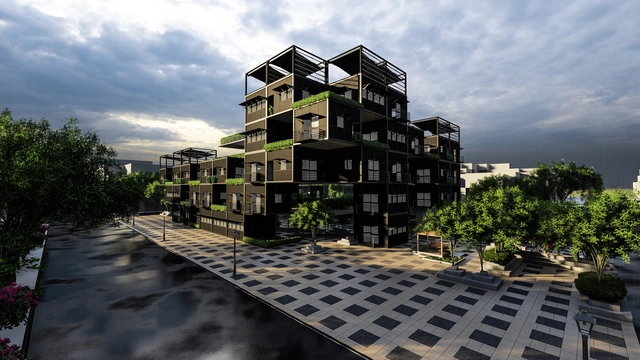
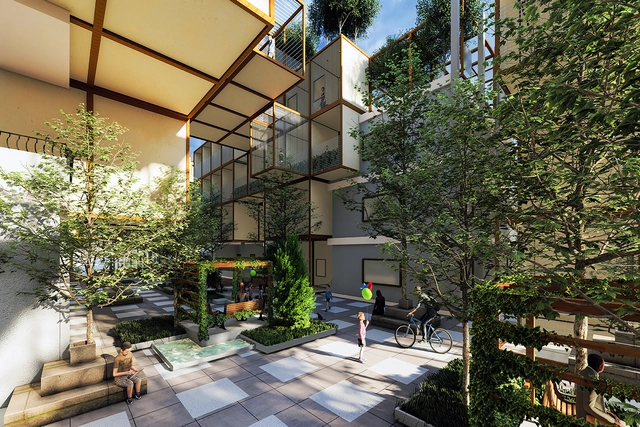
Today’s cities have been substantially reshaped to correspond with environmental and social needs or to reconstruct themselves after natural disasters or war. Whereas master plans and regulations take years, millions of people remain trapped in the crossfire and urgently need aid in their cities. With this pressing issue in mind, WZMH Architects developed a prefabricated- modular system for salvaging thousands of structures across Ukraine that have been partially or fully destroyed during the war. This system aims to integrate building technology into new buildings to create more sustainable communities.

WZMH Develops Modular System to Save Partially or Fully Destroyed Structures  - Image 1 of 4WZMH Develops Modular System to Save Partially or Fully Destroyed Structures  - Image 2 of 4WZMH Develops Modular System to Save Partially or Fully Destroyed Structures  - Image 3 of 4WZMH Develops Modular System to Save Partially or Fully Destroyed Structures  - Image 4 of 4WZMH Develops Modular System to Save Partially or Fully Destroyed Structures  - More Images+ 25

Care Beyond Biopolitics

Subscriber Access | 

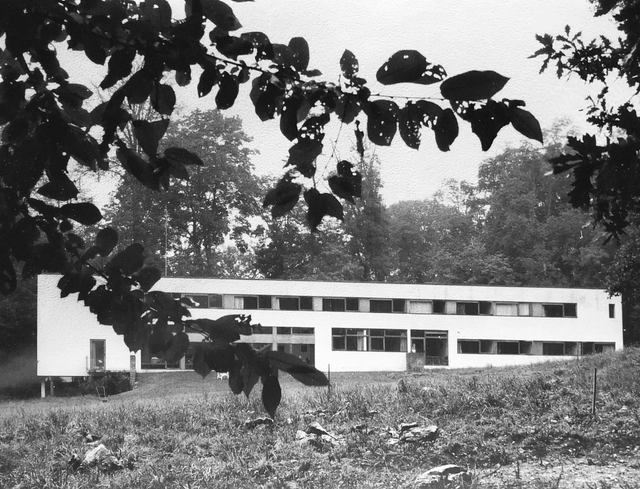
What would it mean to design buildings that exceed the economic accountings of liberal biopolitics, that instead offer an entirely different rationale for supporting health? In the years that Michel Foucault conceptualized the term biopolitics, he was part of a constellation of researchers and architects who developed care praxes that defined the value of life and its maintenance through a desire-based calculus. The welfare state institutions of architect Nicole Sonolet in particular—mental hospitals, public housing complexes, and new village typologies built mainly in postwar France and postcolonial Algeria from the 1950s to the 1980s—were designed not only to support but to center the needs of people often excluded from design processes. Sonolet’s mental health centers for residents of Paris’s 13th arrondissement, in particular, were key projects for discovering a design practice tied to the provision of care for its own sake.

Care Beyond Biopolitics - Image 1 of 4Care Beyond Biopolitics - Image 2 of 4Care Beyond Biopolitics - Image 3 of 4Care Beyond Biopolitics - Image 4 of 4Care Beyond Biopolitics - More Images+ 3

Reparametrize Studio Reveals Innovative and Smart Post-War Housing System, Using Advanced AI Technology

Part of Reparametrize Studio’s ongoing research on “Re-Coding Post War –Syria”, “House Re-Coding” is a new generation of housing solutions adaptable to the post-war cities. Focusing on innovation, collecting comprehensive infrastructural and socioeconomic analytics data through Artificial intelligence, the project seeks to envision the future of post-war cities, as a Smart urban development where all different actors come together, using the existing, and still useful, urban fabric.

Reparametrize Studio Reveals Innovative and Smart Post-War Housing System, Using Advanced AI Technology - Image 1 of 4Reparametrize Studio Reveals Innovative and Smart Post-War Housing System, Using Advanced AI Technology - Image 2 of 4Reparametrize Studio Reveals Innovative and Smart Post-War Housing System, Using Advanced AI Technology - Image 3 of 4Reparametrize Studio Reveals Innovative and Smart Post-War Housing System, Using Advanced AI Technology - Image 4 of 4Reparametrize Studio Reveals Innovative and Smart Post-War Housing System, Using Advanced AI Technology - More Images+ 13

Reparametrize Studio Envisions the Future of Post-War Smart City

Reparametrize Studio has followed up their ongoing research “Re-Coding Post-War Syria”, with a project that focuses on analyzing the damaged fabric of post-war cities through 3D scanning technologies. Taking a Street in Zamalka Town in Damascus, Syria as a case study, the investigation can distinguish the areas in need of reconstruction from the areas in useful conditions.

Reparametrize Studio Envisions the Future of Post-War Smart City - Image 1 of 4Reparametrize Studio Envisions the Future of Post-War Smart City - Image 2 of 4Reparametrize Studio Envisions the Future of Post-War Smart City - Image 3 of 4Reparametrize Studio Envisions the Future of Post-War Smart City - Image 4 of 4Reparametrize Studio Envisions the Future of Post-War Smart City - More Images+ 9

Creating A 'Domesday Book' Of Post-War Tower Blocks

The Edinburgh College of Art have announced that they will be creating a ‘Domesday Book’ catalogue of every multistory post-war housing project in the UK. The project - called Tower Blocks - Our Blocks! - will contain over 3,500 publicly accessible photographs from the 1980s, documented "at a time when post-1945 high-rise housing is continuously under threat threat across the [UK]." All images will be made searchable in a digital archive.