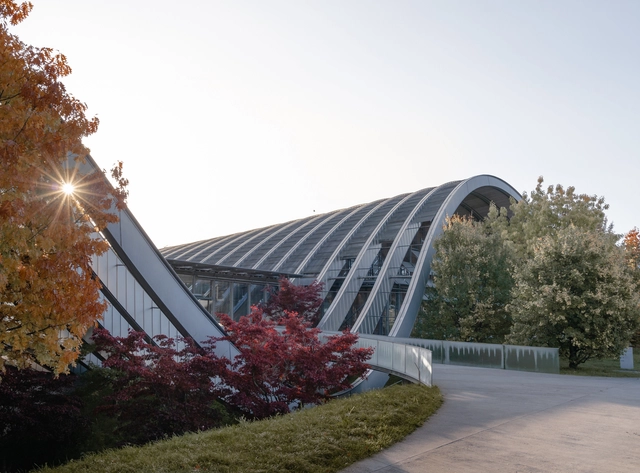
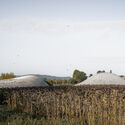
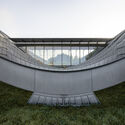
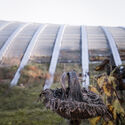
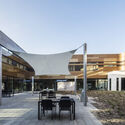
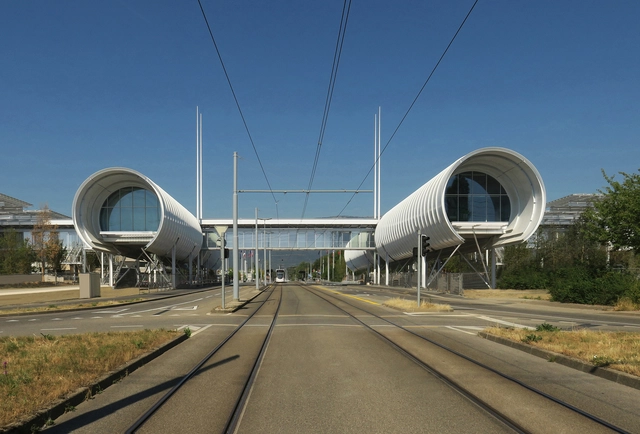
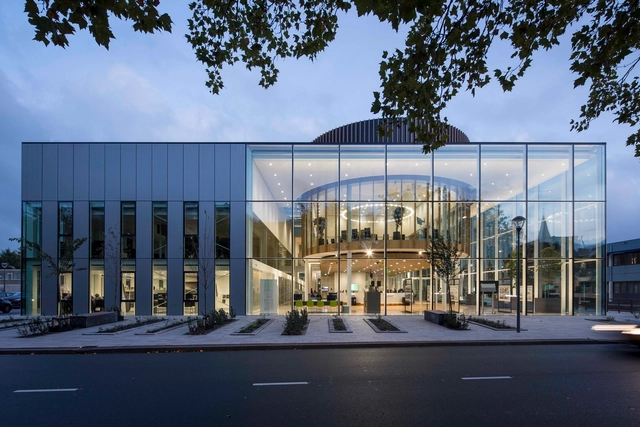
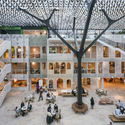
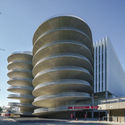
The Paul Klee Center, designed by Renzo Piano Building Workshop, is a tribute to the renowned German-Swiss artist Paul Klee. Blending architecture with the natural landscape of Bern, Switzerland, the museum echoes the rolling hills and fields of the region. Situated on the city's easter outskirts, the structure aims to harmonize with its surroundings. Renowned as an iconic structure, Bern-based photographer Katerina Skarka has recently captured it through her lens, showcasing the architectural landmark.
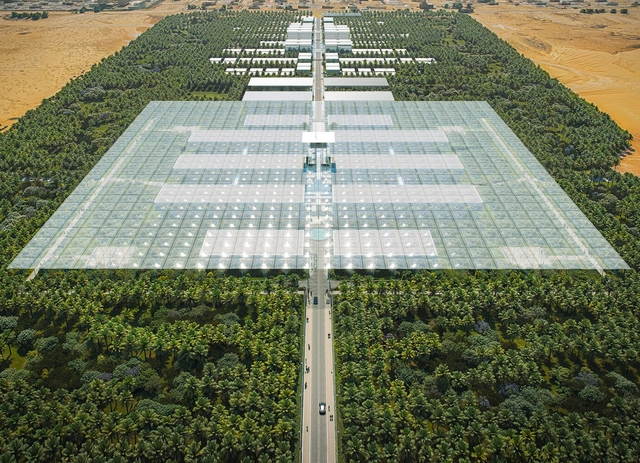
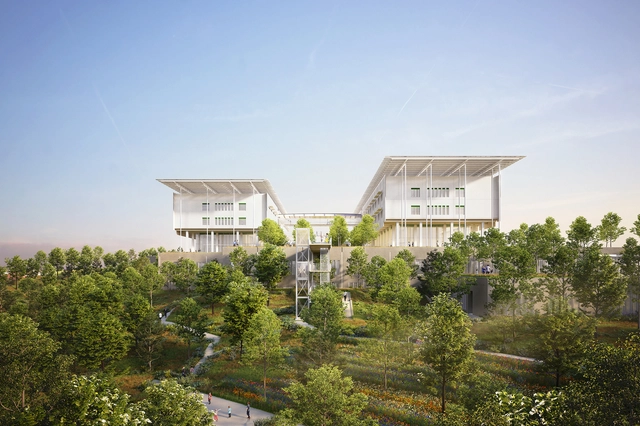
The Renzo Piano Building Workshop (RPBW) has just been selected to design the Jawaher Boston Medical District in Sharjah, a significant new healthcare initiative spearheaded by BEEAH, a private organization working in sustainability in the MENA region. Following a competitive selection process, RPBW's appointment marks the beginning of a project aimed at redefining the integration of healthcare excellence with environmental and cultural sensitivity.
In recent years, Public-Private Partnerships (PPPs) have become a significant model for delivering large-scale infrastructure projects around the world. These partnerships bring together the strengths of both the public sector, represented by governments or municipalities, and the private sector, combining their resources, expertise, and investment power. In the context of architecture and urban development, PPPs are increasingly being used to address the complex needs of growing cities, helping to finance, build, and maintain critical projects that would be difficult for either sector to accomplish alone. But what exactly are PPPs, and how do they function in the built environment? This article explores the concept of PPPs, providing examples from across the globe to illustrate how these partnerships are shaping the future of urban spaces, sometimes beyond commercial gains. Furthermore, by exploring the different projects, the article aims to develop a framework around PPPs' positive and negative potential impacts.
The relationship between architecture and naval design has been a fascinating interplay of form and function that has evolved significantly. Both disciplines have a shared history of innovation, aesthetics, and functionality that have informed and inspired each other. This "love affair" has seen architects drawing inspiration from boats, particularly in the modernist era when ships' streamlined, efficient designs influenced the aesthetic of buildings. Conversely, architectural principles have also been adapted to enhance the functionality and form of boats, demonstrating a reciprocal exchange that continues to shape both disciplines.
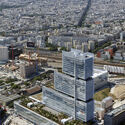
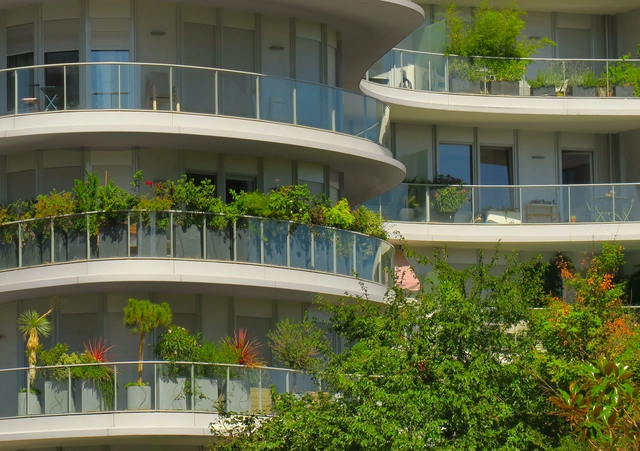
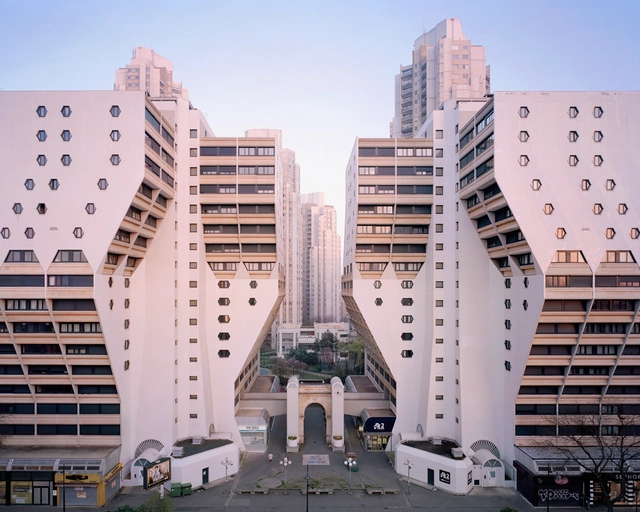
With the 2024 Olympic Games opening ceremony fast approaching, Paris has captured global attention. In addition to the venues being prepared for the Olympics, the city offers a wide range of architectural projects that showcase its efforts to improve the urban environment and promote a greener and more inclusive city. Among these, the new Clichy Batignolles Eco-District in the 17th arrondissement of Paris is a 54-hectare development that set out to transform the former SNCF rail yard into a new neighborhood. The initiative features contributions from internationally recognized architects including MAD Architects, Architect Périphériques, and RPBW, among others. Read on to discover the urban development through the lens of architecture photographer Paul Clemence.
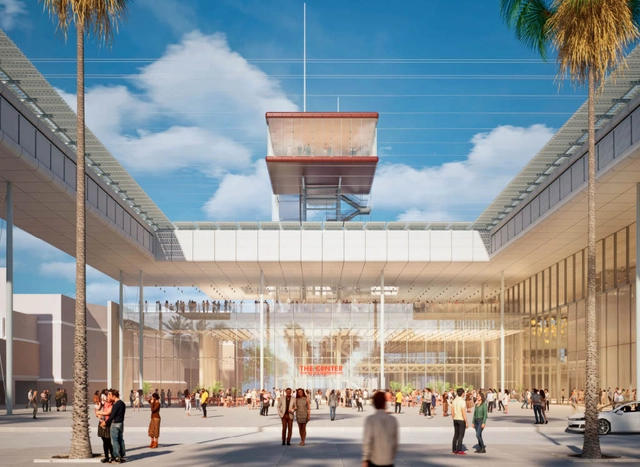
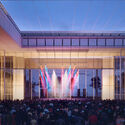
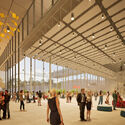
Pritzker Prize Laureate Renzo Piano has just revealed designs for Boca Rotan’s new creative campus, The Center for Arts & Innovation in Florida. The Center seeks to transform Boca Raton into an internationally recognized destination for culture, arts, innovation, and technology. In fact, the three-story structure features functions that bridge creativity across the realms of arts, education, business, and community.
Still in its early and iterative stages, the Center aims to pioneer a new approach to how the world designs, imagines, programs, and embraces its cultural infrastructure. Catalyzing future leaders and visionaries, the scheme offers a dynamic platform for new ideas, AI integration, and end-to-end STEAM education. Seeking to cultivate knowledge and community engagement, The Center is dedicated to shaping tomorrow’s cultural landscape through equipping its future leaders and occupants with the resources they need today to build a better tomorrow.
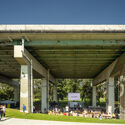
CERN, the European Organization for Nuclear Research, has started a new initiative known as the Science Gateway. The building was designed by Renzo Piano Building Workshop, architects in collaboration with Brodbeck Roulet Architectes Associés (Geneva). Reflecting the institution's broader mission, it encompasses the values of sharing knowledge, technology, and scientific inspiration with society. The Science Gateway is envisioned as an innovative facility dedicated to scientific education and outreach, aiming to catalyze curiosity and passion for science among younger generations. In his latest photo series, Paul Clemence photographed the CERN Science Gateway Building in Geneva, Switzerland.
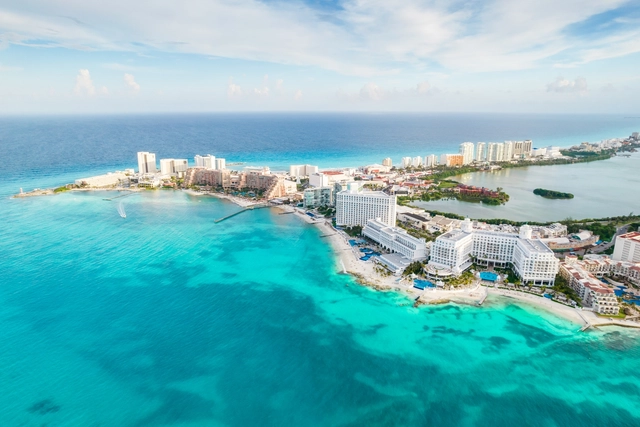
via Shutterstock | mariakray, Boca Raton Aerial View
The Center for Arts and Innovation has just selected Pritzker Prize-winning architect Renzo Piano to design its new creative campus. The campus is situated in the heart of downtown Boca Raton in Florida and aims to become a global hub for creative excellence. Ultimately, The Center is on a mission to transform Boca Raton into an internationally recognized destination for culture, arts, innovation, and technology.
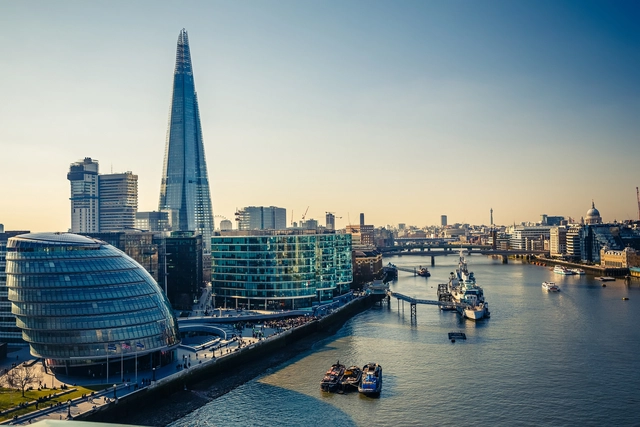
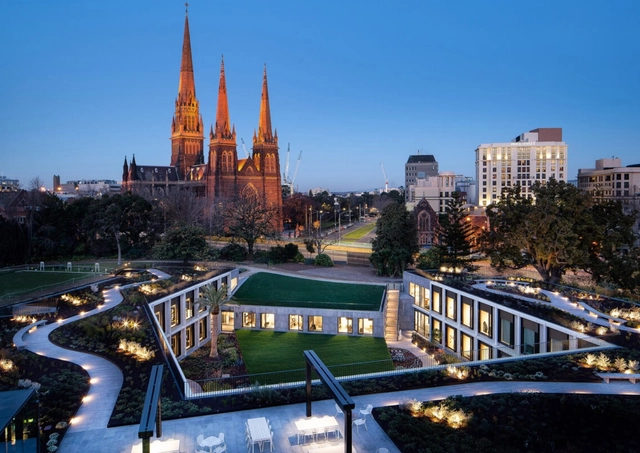
London’s architectural history is a rich tapestry that weaves together styles of various periods and influences. In the post-war era, the city experienced a surge in modern architecture, becoming a canvas for experimentation. New stylistic movements saw their expression crystalized through buildings such as Richard Rogers’ Lloyd’s Building, one of the most representative examples of High-Tech architecture, or the Barbican Estate, a large-scale housing estate that became the iconic structure for Brutalist architecture.
London’s contemporary architectural landscape continues to evolve, in part through the works of internationally-recognized architects such as Norman Foster, Zaha Hadid, and Thomas Heatherwick. This varied blend of styles, and ways of expression reflects the city’s ability to embrace architectural movements of global significance. As a center for innovation, London continues to attract established and emerging architects who shape its skyline and contribute to its international architectural discourse, with each new building offering a glimpse into the ever-changing nature of London’s urban fabric.
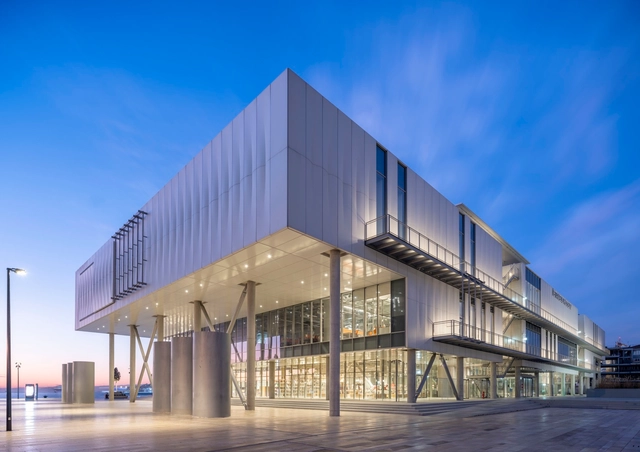
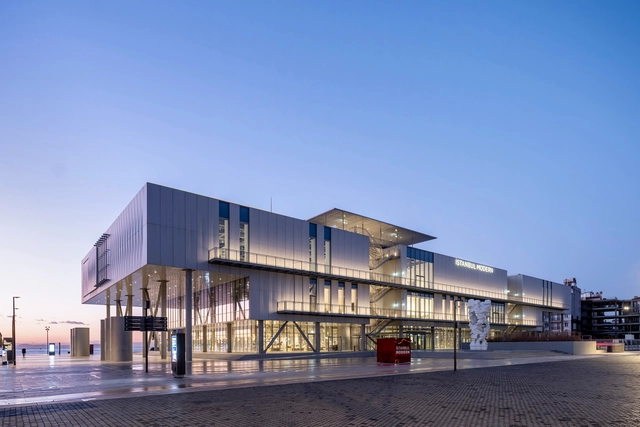
Designed by Renzo Piano Building Workshop, a new building for Istanbul Modern, Türkiye’s first museum of modern and contemporary art, will open to the public on May 4th, 2023. The official opening ceremony of the museum is set to take place at a later date. The museum, measuring over 10,500 square meters, is located on the Karaköy waterfront, a historic district at the intersection of the Bosphorus and Golden Horn. The new building offers spaces for temporary exhibitions, interdisciplinary educational programs, film screenings, and an extensive art collection.
Somewhere between 1914 and 1915, Le Corbusier designed the Maison Dom-Ino, a groundbreaking modular structure that replaced the heavy load-bearing walls with reinforced concrete columns and slabs. The open floor plan with minimal thin elements, coupled with large glass facades, would ensure healthy natural daylight for the interior spaces as well as desirable architectural transparency that could blur the boundaries between interior and exterior —at least metaphorically.
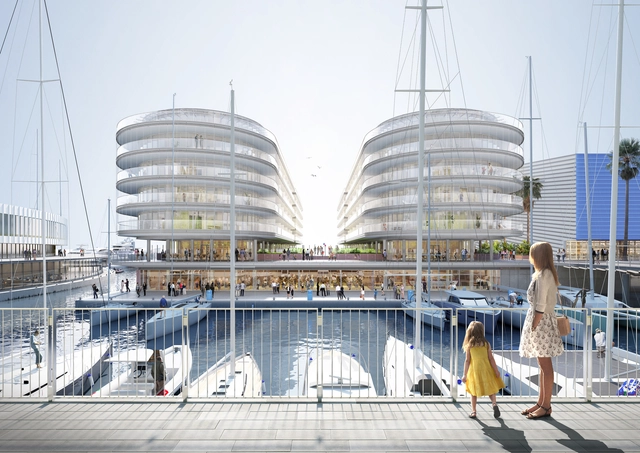
First drafted by Renzo Piano and developed by RPBW and OBR, the Waterfront di Levante is a project that aims to transform what was previously the back of a port into a new urban front on the sea. The development is planned to become a new landmark on the seafront of Genoa, Italy, by bringing new urban and port functions, both public and private, to an underutilized area. By controlling the built-to-open area ratio, it also seeks to enhance the connection between the city and the sea. The project introduces functions such as the new Urban Park, a new dock, residences, offices, student housing, retail facilities, apart-hotels, and a new sports hall.
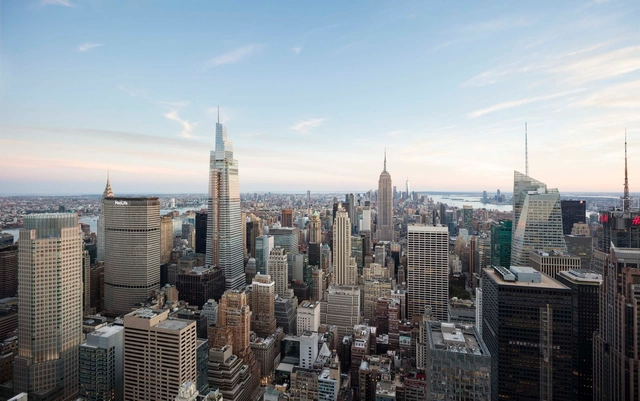
As the largest city in the United States, New York City is one of the most diverse and vibrant cities in the world, recognized by many as the center for global media, culture, fashion art, and finance. The city was founded in 1624 by settlers from the Dutch Republic and has since grown into “the city that never sleeps”.
While almost every style of architecture exists in New York City, the metropolis is most well known for its skyscrapers, both in historical styles such as Neoclassical and Art Deco and in their varied contemporary expressions. The first building to bring the world's tallest title to New York was the New York World Building, in 1890. Later, New York City was home to the world's tallest building for 75 continuous years, starting with the Park Row Building in 1899.
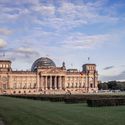
The architecture of governments has long been tied to shared ideals. Built to reflect regional aspirations and communal organizations, parliaments are a unique type of design for legislative bodies. Generally speaking, they include various kinds of deliberative, consultative, and judicial assemblies. Exploring new ideas on the design of government buildings, parliaments are being reimagined to reflect contemporary life.
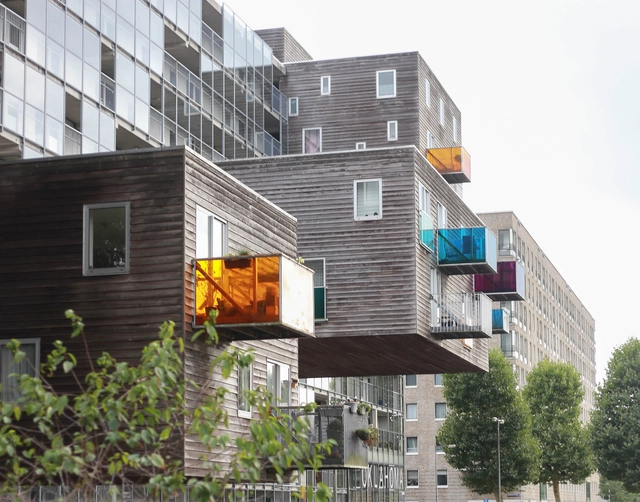
Amsterdam is one of the most beautiful cities in Europe. Its origins lie in the 12th century when fishermen living along the banks of the River Amstel built a bridge across the waterway near the IJ, then a large saltwater inlet. Most of the city’s territory is below sea level and therefore it lies on land that has been reclaimed from the water.
Amsterdam is all about practical urban planning, amazing cycling infrastructure, tulip-lined canal bridges, and old merchant houses that tilt at impossible angles. I visited Amsterdam again last year and discovered some new places.