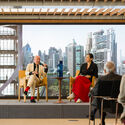
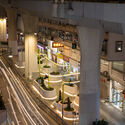
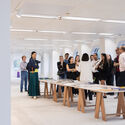
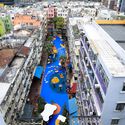
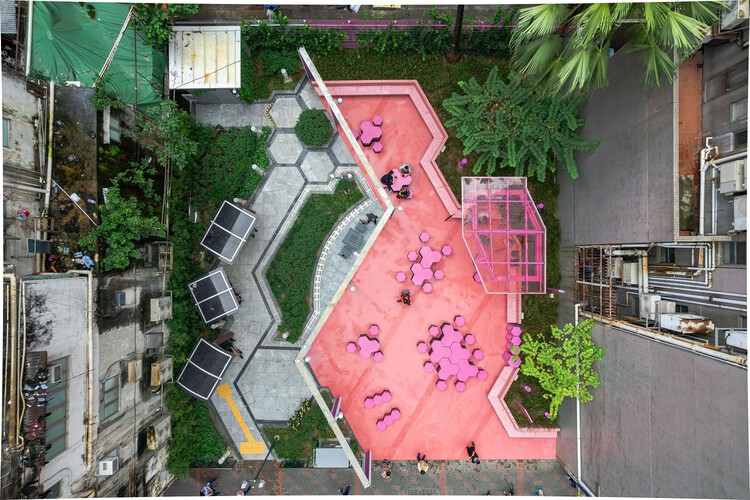
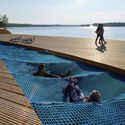
In Hong Kong, where architecture is often driven by real estate logic, infrastructure, and accelerated development, the space for bodily-scaled civic experimentation can be surprisingly narrow. This is where Design Trust has become distinctive. As a grant-making and project-enabling platform, it supports spatial interventions that sit between architecture, research, and public programming—work that is often too modest, collective, or uncertain to fit conventional client–architect pipelines.
At the center of this work is Marisa Yiu, whose leadership positions Design Trust as both an enabler and a cultural actor. Through initiatives such as Micro-Parks Hong Kong, alongside exhibitions and public programs, the organization treats discourse and prototyping as forms of spatial agency, linking designers, communities, institutions, and policy conversations while foregrounding questions of stewardship, maintenance, and the "afterlife" of public space.
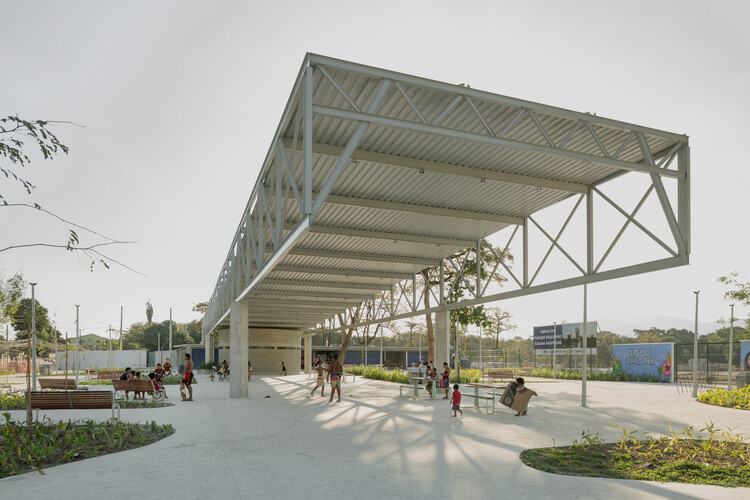
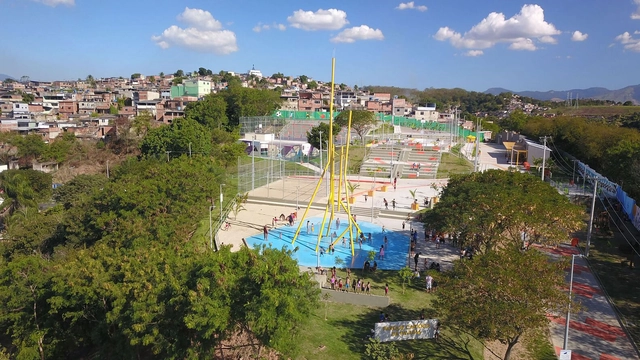
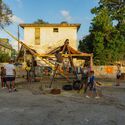
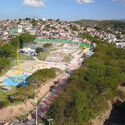
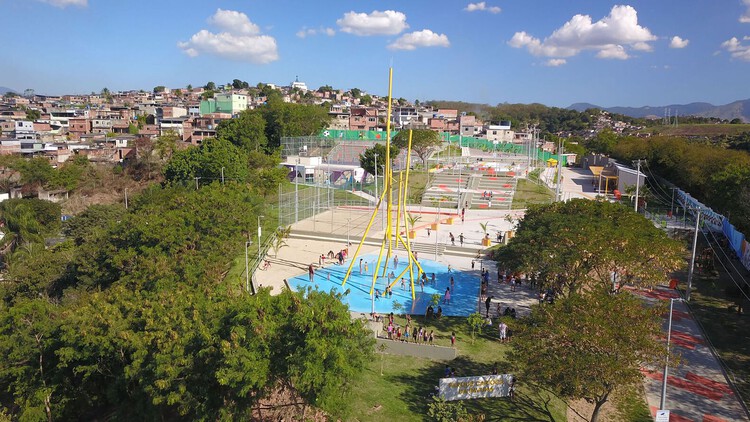
Even before any drawing or formal decision, the place now occupied by Praça do Mercado in Parque Realengo, Rio de Janeiro, already pulsed with movement. Improvised stalls, informal gatherings, music, children running, and adults gathered beneath temporary shelters composed a vibrant landscape, sketching an ephemeral architecture.
It is within this context that the work developed by Juliana Ayako—one of the winners of the ArchDaily 2025 Next Practices Awards—together with Carlos Zebulun, Helena Meirelles, Larissa Monteiro, Rodrigo Messina, Francisco Rivas, emerged. The project management, urban planning, and landscape design were carried out by Ecomimesis Soluções Ecológicas, winner of the public competition organized by the Municipality of Rio de Janeiro in 2023.
Urban renewal is inherently fraught—financially complex, politically exposed, stakeholder-dense, and almost guaranteed to leave someone dissatisfied. Precisely for these reasons, many cities default to inertia rather than risk the upheaval that comes with reworking entrenched urban fabrics, their residences, and their dynamics; once the "sleeping bear" is prodded, unexpected complications tend to multiply.
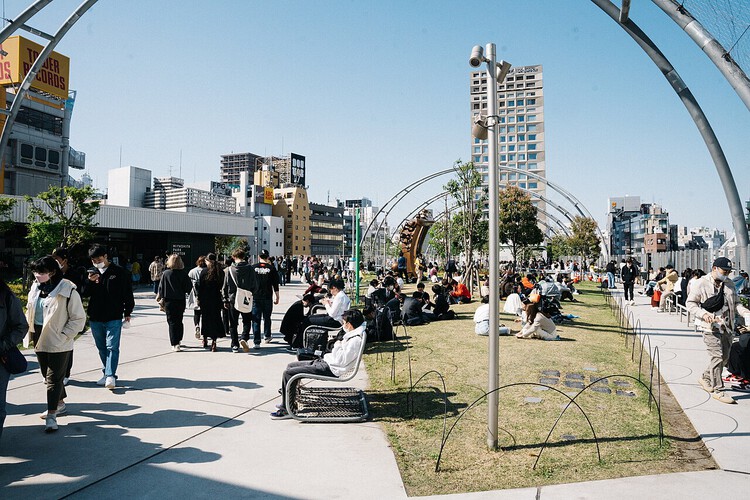
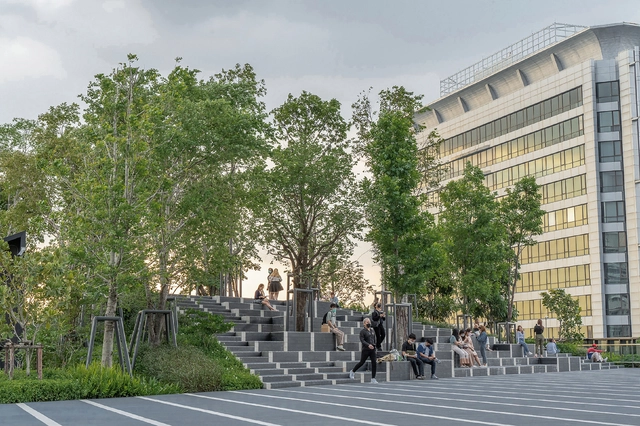
Miyashita Park (Miyashita Kōen), located in Shibuya, Tokyo, crystallizes this dilemma. Its current form—a layered, mixed-use complex balancing commercial activity with a publicly accessible park—emerged from years of negotiation, critique, and recalibration. The result is a distinctive example of a public-private partnership that seeks to align urban amenity, everyday leisure, and economic viability, producing a new piece of city that hosts public life while underwriting its own upkeep.
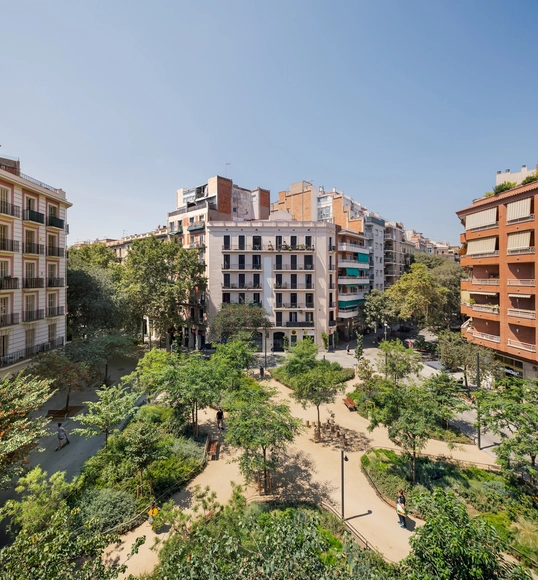
Public spaces are more than just physical voids in the urban fabric—they are stages for social interaction, cultural expression, and collective memory. In times of social fragmentation and environmental stress, these spaces can serve as catalysts for healing, offering safe environments where communities can reconnect. Through thoughtful design and participatory processes, public space interventions can rebuild trust, promote mental well-being, and foster a renewed sense of belonging among community members.
In contemporary urban development, the concept of Privately Owned Public Space (POPS) has gained increasing prominence. These are spaces that, while built, owned, and maintained by private developers, are legally required to remain publicly accessible. Often the result of negotiated planning incentives—such as zoning bonuses or increased floor area—POPS have become especially prevalent in dense urban environments where land is limited and demand for public amenities is high.
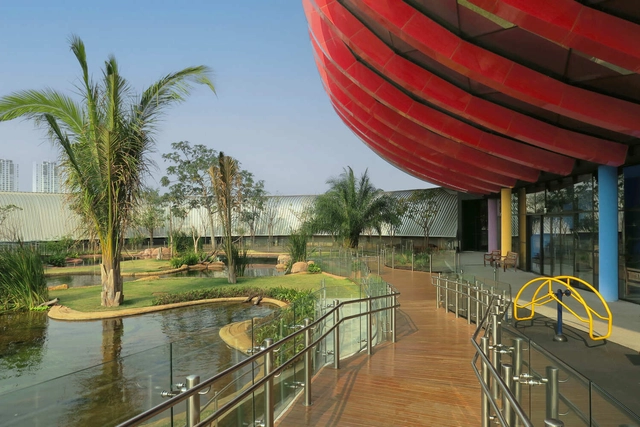
Photographer Paul Clemence captured a striking photo series of the Bioparque Pantanal, also known as the Pantanal Aquarium, a recently completed architectural project in Campo Grande, Brazil, designed by the late architect Ruy Ohtake. Located within the Parque das Nações Indígenas, one of the largest urban parks in the country, the structure serves as a centerpiece for cultural, scientific, and ecological exploration in the state of Mato Grosso do Sul. Clemence's photography highlights the interplay between the aquarium's architectural design and its surrounding environment, providing a visual documentation of the project's form, materials, and spatial organization.
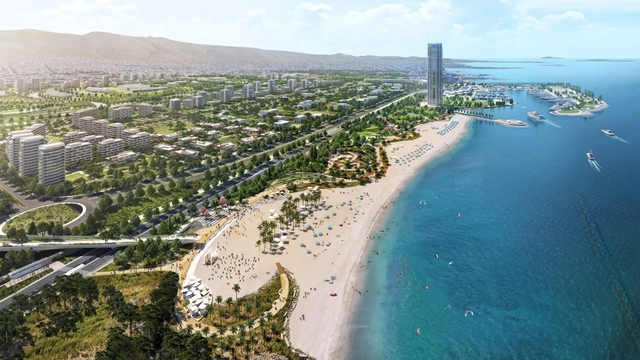
As Athens hosts The Architect Show (TAS) 2024, the event brings together global and local voices to highlight the latest innovations in architecture and design. Against this backdrop, the city's evolving urban narrative is exemplified by The Ellinikon, Europe's largest urban regeneration project. Encompassing 6.2 million square meters, this €8 billion development has already attracted globally renowned architects such as Bjarke Ingels Group (BIG), Kengo Kuma, Foster + Partners, and Aedas. Together, they are shaping the smart city that integrates sustainability, connectivity, and community-focused design into the heart of Athens.
Architectural competitions are valuable learning tools, offering architects a unique opportunity to experiment and expand their creative boundaries. By engaging with real-world challenges and receiving critical feedback, participants gain practical experience and a deeper understanding of the profession. Whether conceptual or not, competitions foster innovation, encouraging design professionals to think outside the. This week's curated selection showcases winning competition entriessubmitted by the ArchDaily community, providing architects and architecture students with new perspectives and inspiration for their own practice, be it diploma projects, professional licensing, or commissions.
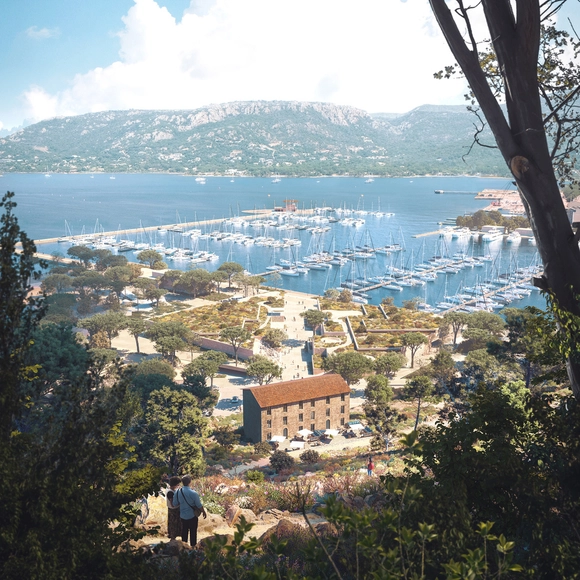
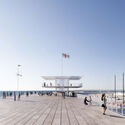
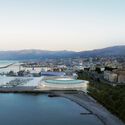
From an immersive urban park in Seoul, South Korea, to a rural education campus in the Amazon, or a reimagined port in Corsica, this selection highlights projects that have stood out in competitions from around the world. While some of the proposals have been developed by established firms, including KAAN Architecten, ArchiWorkshop, Studio Akkerhuis, or Richez Associés, these competitions have also proven to be an opportunity for emerging designers to showcase their creativity and problem-solving abilities
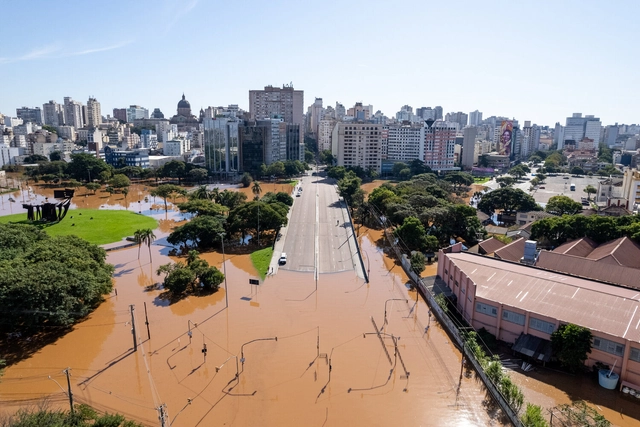
PORTO ALEGRE, RS, BRAZIL, 05/07/2024 - General photos of floods, Av Loureiro da Silva, CAFF and region. Photos: Gustavo Mansur/ Piratini Palace. Flickr user licensed under CC BY-NC 2.0 DEED Attribution-NonCommercial 2.0 Generic
The world has changed, and accepting this fact is no longer a matter of choice but survival. Our rainfall patterns, periods of drought, average temperatures, sea levels—everything is in constant flux. The denialist stance of many countries, including Brazil, has led to catastrophic situations like the one we are facing now.
The floods that devastated the southern region of the country in recent days cannot be considered isolated incidents. Due to global warming, climate events like this will become increasingly frequent. In other words, unfortunately, we cannot prevent them from happening, but we can—and must—make our cities more resilient to these situations.
While hybrid working and flexible hours represent the most obvious ways to improve work/life balance for many, because of the missed social interactions and the lack of space or functionality at unproductive home workspaces, the majority of 16-24-year-olds are the only age group who prefer to work from the office.
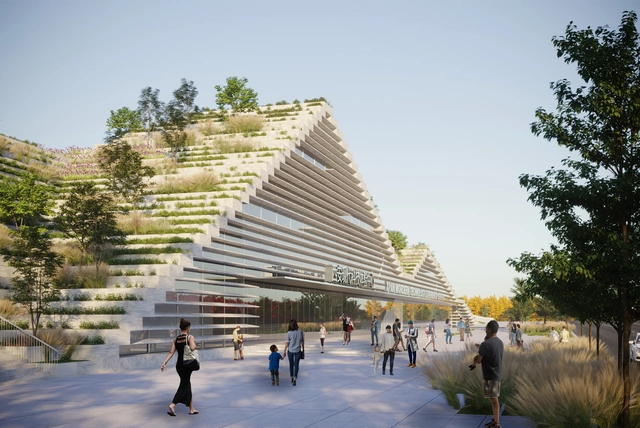
The satellite practice of Stefano Boeri Architetti in China has won the tender for the Culture CBD Modern Technology Experience Centre in Xi'an, the capital of the Chinese province of Shaanxi. The new technology-focused museum is set to become a hub for scientific and cultural exchange. The winning project takes inspiration from the area's natural landscape, characterized by a tortuous system of rivers and mountains, as well as the culture of the ancient city of Xi’an.
Courtesy of HKS Architects, CGI created by Somewhere | wearesomewhere.net
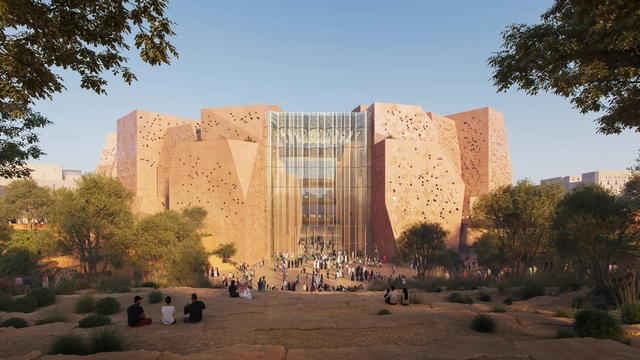
Commissioned by Diriyah Company, HKS Architects have revealed the design for a new multisport arena in Diriyah. Envisioned as a catalyst for the local culture and the entertainment sector, the 20,000-seat venue will be located in the center of The City of Earth, a 76,000-square-meter development aligned with Saudi Vision 2030, aimed at becoming one of the most attractive venues for tourism in the Middle East.
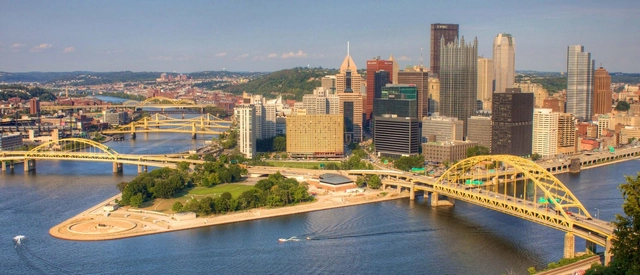
Recently I visited Pittsburgh for a fascinating hand-drawing conference at Carnegie Mellon’s superb school of architecture, which to my knowledge is not among the top 10 in U.S. News and World Report. I wonder why? The curriculum is cutting-edge, the faculty world-renowned, and the students well-grounded and talented. More people of color are in the design community at CMU than at Princeton, SCI-Arc, or Harvard.
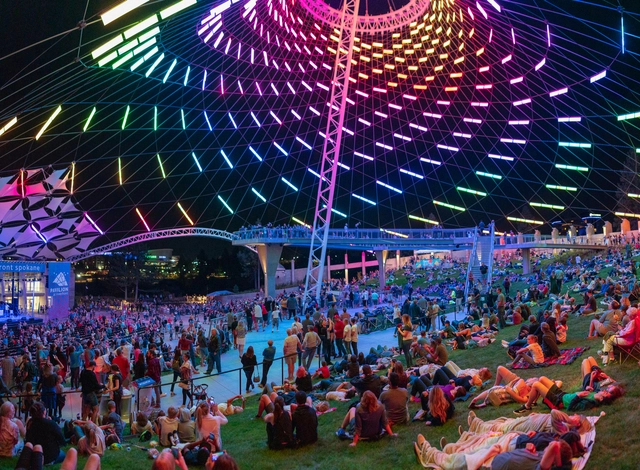
Each year, the Trust for Public Land (TPL) issues its ParkScore, which ranks the park systems of the 100 most populated cities in the U.S. This year, the organization also explored the positive health outcomes of top-scoring cities, looking at more than 800 innovative programs and practices that integrate park and healthcare systems.
https://www.archdaily.com/1007296/urban-parks-should-be-a-greater-part-of-the-healthcare-systemJared Green
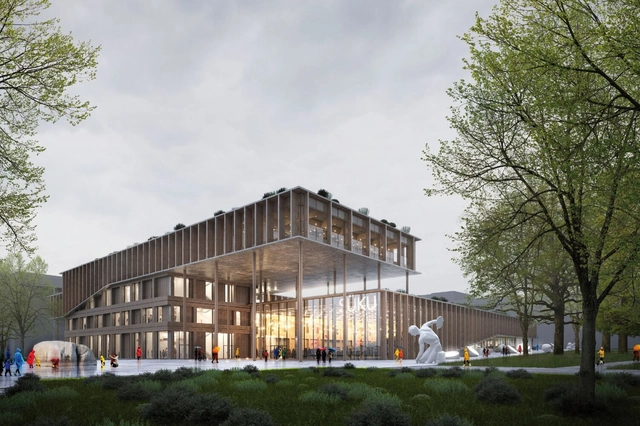
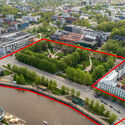
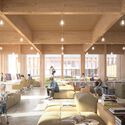
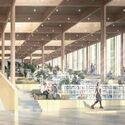
Estonian studio OÜ Kolm Pluss Üks won the international architecture competition for the Tartu Cultural Center. Selected out of a total of 107 proposals, the winning project titled “Paabel” is set to become the cultural heart of the city center, capturing the competition's main goal and developing an outdoor space solution. Kadarik Tüür Arhitektid OÜ took the second position for their design of “Tarte Tatin”, while the third place went to Denmark-based architectural studio Atelier Lorentzen Langkilde Aps.
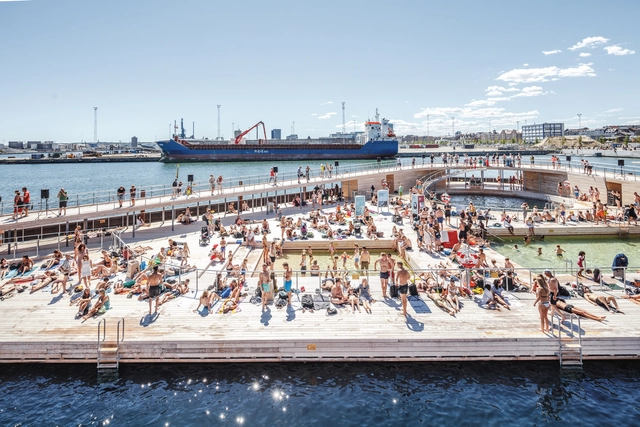
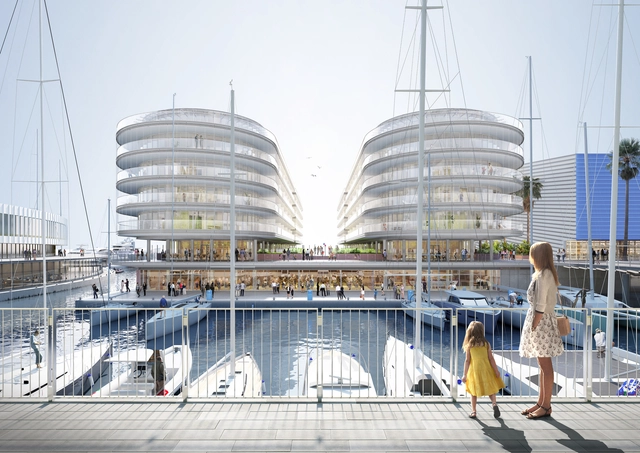
The redevelopment of maritime and riverfront areas is a crucial element in the transformation of many urban areas, providing a series of significant benefits for cities and their inhabitants. The presence of water, whether in rivers, lakes or seas, has historically played a fundamental role in the formation and development of many cities, intimately related to their dynamics. This relationship has changed and presented itself in different ways over time, and these spaces have often been neglected in numerous ways, particularly by a certain type of urban planning that disregarded their potential in favor of other imperatives, such as road transport and industrial equipment.
First drafted by Renzo Piano and developed by RPBW and OBR, the Waterfront di Levante is a project that aims to transform what was previously the back of a port into a new urban front on the sea. The development is planned to become a new landmark on the seafront of Genoa, Italy, by bringing new urban and port functions, both public and private, to an underutilized area. By controlling the built-to-open area ratio, it also seeks to enhance the connection between the city and the sea. The project introduces functions such as the new Urban Park, a new dock, residences, offices, student housing, retail facilities, apart-hotels, and a new sports hall.