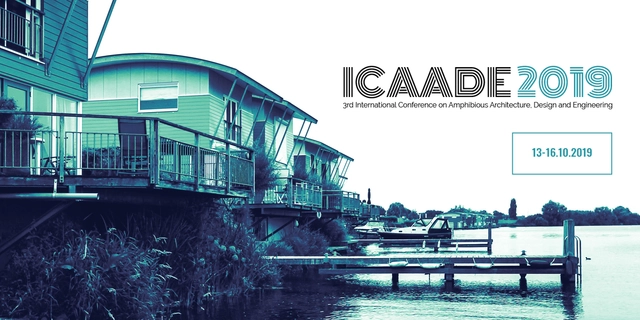
The International Conference on Amphibious Architecture, Design and Engineering (ICAADE) 2019 will bring together researchers, practitioners, authorities, students, NGOs, communities, and investors to discuss amphibious construction. Amphibious construction allows otherwise-ordinary structures to temporarily float in-place when flooding occurs.
The four hurricanes that slammed into heavily populated areas from the Caribbean to Texas this summer are inching toward a half-trillion-dollar price tag in damages—to say nothing of the work and wages missed by shutting down entire cities. Buildings are the most visible marker of a place’s resilience after a disaster strikes. Surveying the catastrophic damage forces a difficult question: How can it be rebuilt better?
Architects play a crucial role in addressing both the causes and effects of climate change through the design of the built environment. Innovative design thinking is key to producing architecture that meets human needs for both function and delight, adapts to climate change projections, continues to support the health and well being of inhabitants despite natural and human-caused disasters, and minimizes contributions to further climate change through greenhouse gas emissions. Preparing today’s architecture students to envision and create a climate adaptive, resilient, and carbon-neutral future must be an essential component and driving force for design discourse.
This year’s collaboration with Architecture 2030 – INNOVATION 2030 – is a design-and-ideas competition focused on addressing and designing for the future impacts of climate change.
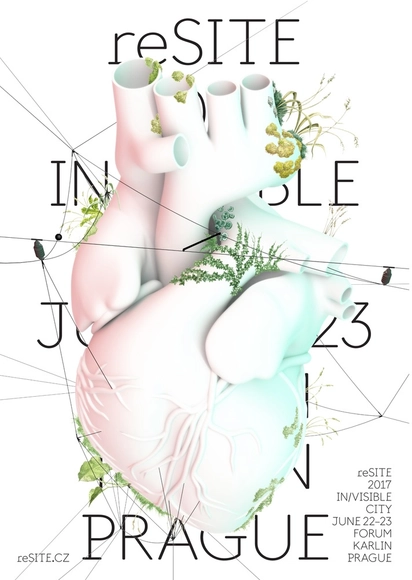
reSITE brings the 6th annual architecture and urbanism event, reSITE 2017: In/visible City, back to Prague at the Ricardo Bofill-designed Forum Karlin.
How does invisible infrastructure shape the visible aspects of a city?
40 international thought leaders will discuss the intersections of design and infrastructure and the presence of these vital systems in the architecture and landscape of cities.
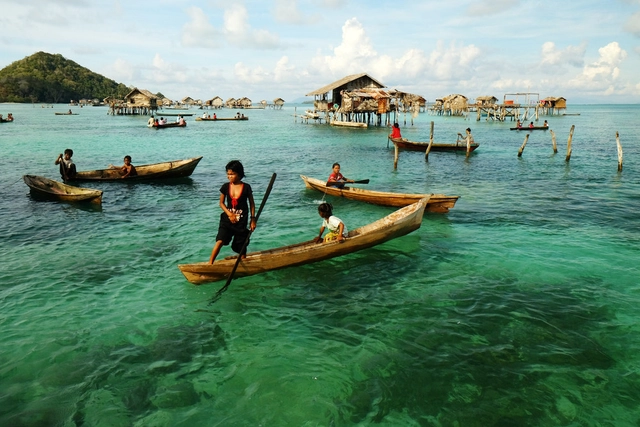
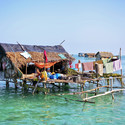
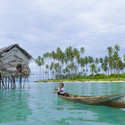
Thousands of years ago, a small civilization of hunter gatherers migrated to the coastal regions of Southeast Asia. These people progressed into a widespread tribe of travelling sea dwellers. To this day, they remain a stateless people with no nationality and no consistent infrastructure, sometimes living miles away from land. Yet these people are one of the few civilizations whose collective life practices have survived so long through human history. They are called the Badjao, and they have a surprising amount to teach us about architecture.
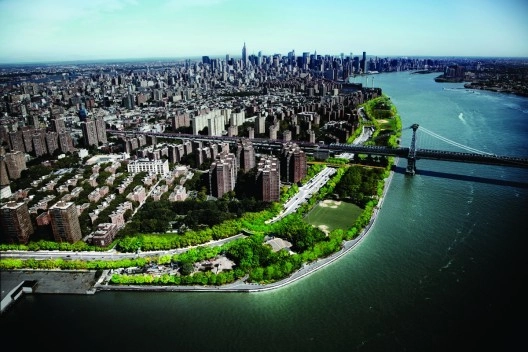
East River Blueway Plan proposed by WXY Studios provides a natural waterfront along the existing and vulnerable FDR in NYC's Lower East Side
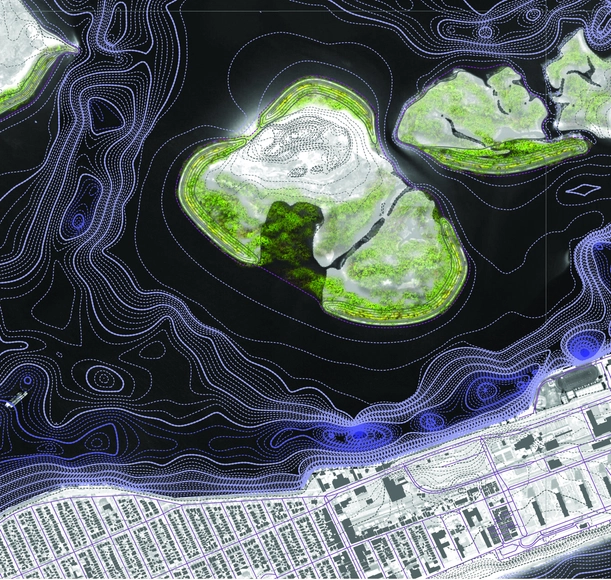
Immediately after Hurricane Sandy hit the North American Eastern seaboard last October, NYC embarked on a debate on the ways in which the city could be protected from future storms that climate scientists predict will escalate in frequency. Engineers, architects, scientists from myriad disciplines came up with proposals, inspired by international solutions, to apply to this particular application. We were presented ideas of sea walls, floating barrier islands, reefs and wetlands. Diverse in scope, the ideas have gone through the ringer of feasibility. Should we build to defend or build to adapt?
On Tuesday, NYC Mayor Bloomberg announced a plan that includes $20 billion worth of both: a proposal of removable flood walls, levees, gates and other defenses that would be implemented with adaptive measures such as marshes and extensive flood-proofing of homes and hospitals. We have learned over the years that resilience must come with a measure of adaptability if we are to acknowledge that climatic and environmental conditions will continue to challenge the way in which our cities are currently being developed.
What does this plan entail and what can we imagine for the future of NYC? Find out after the break.