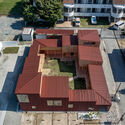
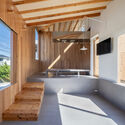
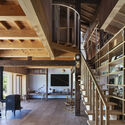
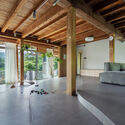
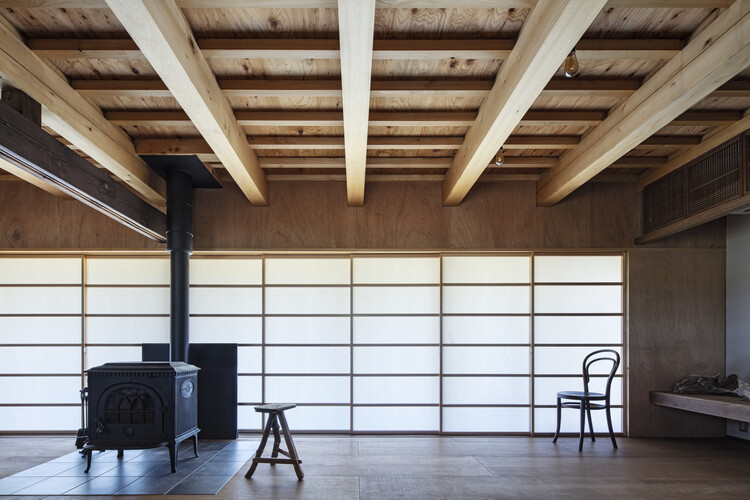
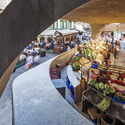
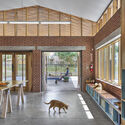
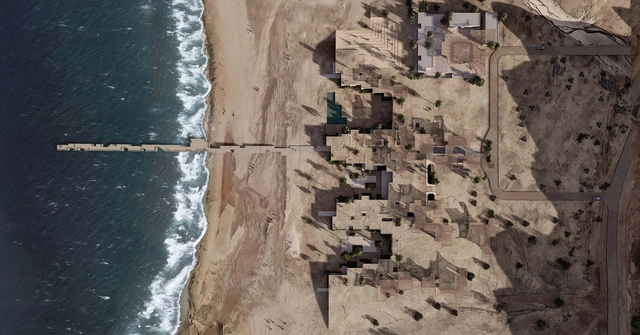
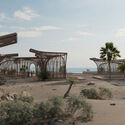
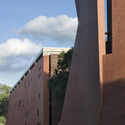
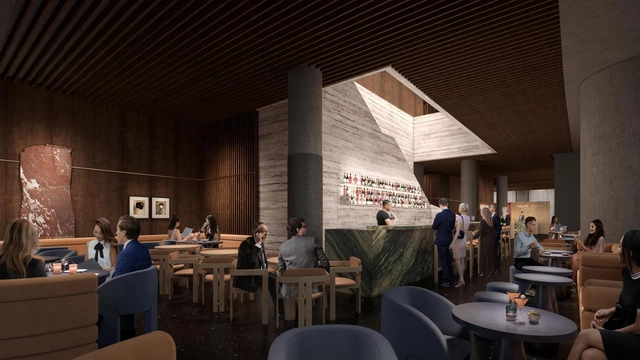
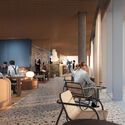
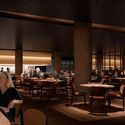
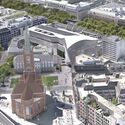
In a shifting societal and environmental landscape, how can architectural design respond to transformation while meaningfully engaging with what endures? 1110 Office for Architecture, based in Osaka, Japan, approaches this question through a body of work defined by careful residential renovations and precise spatial interventions.
Named a winner of the ArchDaily 2025 Next Practices Awards, the practice represents an emerging voice in redefining architecture's role within conditions of change.
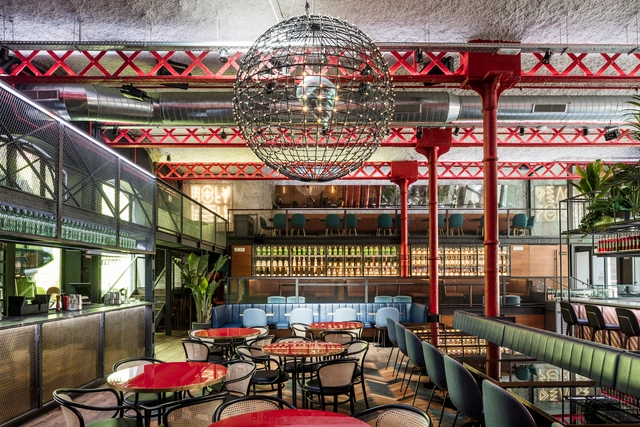
How does the design of contemporary interiors create different experiences through its materials? How does the adaptability and reuse of certain materials make it possible to generate contrasting and/or complementary atmospheres within a single space? According to each material's textures, proportions, colors, or properties, interior architecture currently recognizes the opportunity to create environments where materiality plays more than just an aesthetic role. With special attention to the final experience of its users, El Equipo Creativo aims to combine designs where landscape, nature, culture, and art stand out in interior compositions that accommodate broad programs and audiences.
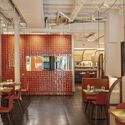
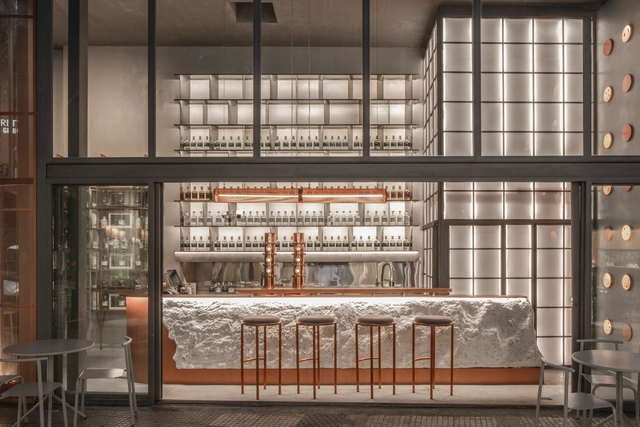
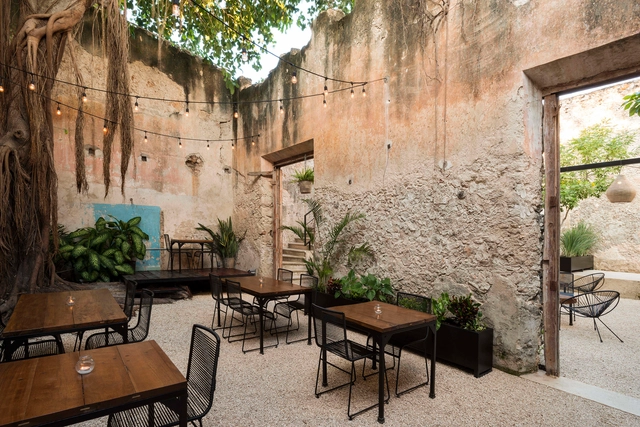
When designing spaces with reduced dimensions, adopting an efficient configuration and distribution is crucial for the user experience and the smooth development of activities and tasks to be carried out. In the case of bars and restaurants, numerous architecture and interior design professionals strive daily to meet the needs of clients, employees, and employers, considering everything from necessary installations and technologies to services, atmospheres, and furniture suitable for the type of gastronomy to be consumed.
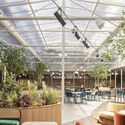
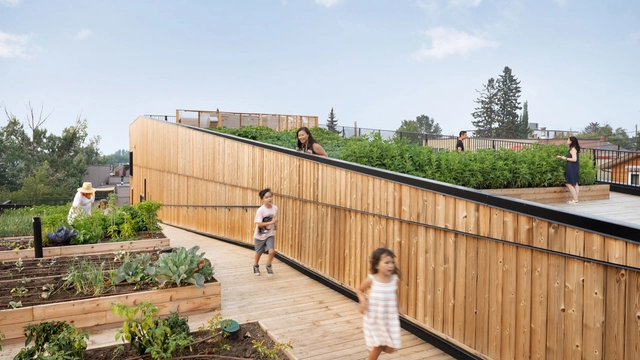
The farm-to-table movement represents a profound shift in how food is grown, distributed, and consumed. Rooted in sustainability and the support of local economies, it prioritizes fresh, locally sourced ingredients and fosters direct relationships between producers and consumers. While the concept focuses on food, the spaces where these connections occur are equally important in shaping the experience, highlighting the critical role of architecture.
Water, fluid and dynamic in its nature, has long been an inspiration for architects and designers. From ancient civilizations to modern metropolises, the presence of water has shaped architectural schemes and urban landscapes. This elemental force provides aesthetic and sensory inspiration to the buildings that are built around it. Additionally, it poses challenges and different opportunities for problem-solving, particularly as rising sea levels demand a revaluation of coastal developments.
Whether it’s a restaurant overlooking the waters of the Aegean Sea or a hotel nestled along the coastline of Montenegro, architects worldwide embrace the proximity to natural bodies of water. These unbuilt projects, curated from submissions by the ArchDaily community, exemplify diverse architectural schemes that aim to harmonize with water surroundings. From the regenerative principles in the Chabahar Beach Cafe in Iran to a transformative master plan on a floating boat, each project uniquely aims to blend contextual elements with the human experience, resulting in different designs.
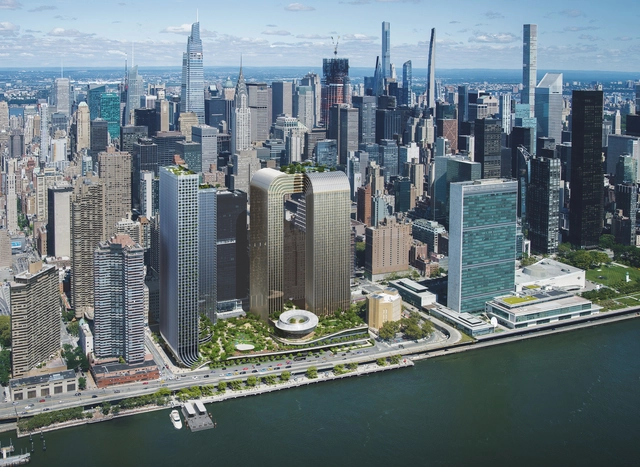
Located along Manhattan’s East River waterfront, the Freedom Plaza sets out to create a new civic and cultural hub, introducing a new open and green space in the crowded area, with plans to add an in-park Museum of Freedom and Democracy. Additionally, the scheme designed by BIG-Bjarke Ingels Group includes affordable housing units, two hotels, retail, and restaurants. Developed by Soloviev Group and Mohegan, the Freedom Plaza development reimagines one of the largest undeveloped plots in Manhattan, measuring 6.7 acres located south of the United Nations headquarters in the Midtown East neighborhood.
With a total of 95 new projects recognized by Prix Versailles, the 24 global winners of this 2023 edition have recently been announced. They stand as evidence of the aesthetic vitality of each of their respective regions, paying homage to the work of numerous pioneering and/or internationally renowned firms.
Covering all regions of the world, the continental winning projects of the 2023 Prix Versailles have been revealed. With 18 selected establishments in the categories of stores, hotels, and restaurants, as well as 15 shopping centers, the projects are grouped into six regions: Africa and Western Asia; Central, South America, and the Caribbean; North America; Central and Northeast Asia; South Asia and the Pacific; and Europe.
What you see is said to be what you get. The low-skilled cooking techniques and apparatus employed at branded fast-food restaurants, for example, are presented in full visibility to waiting customers. But this concept for designing open, transparent hospitality environments at least serves customers with honesty, because although the freshest ingredients and cordon bleu techniques are nowhere to be seen, neither is the grease and grime formerly associated with the category of eatery.
Compare that to more upmarket establishments that keep the cacophony of a commercial kitchen hidden from view during service, and you start to wonder what else they might be hiding. By installing the same open-kitchen concept, professional kitchens that use talented chefs and high-quality ingredients are able to prove it.
Tourist facilities are a significant architectural program as they not only provide essential amenities for travelers but also encapsulate the cultural essence of a destination. Resorts and hotels experiment with ideas of comfort and leisure, restaurants bring visitors into the local culinary culture, while wineries merge craftsmanship, tradition, and modernity. Visitor centers are another facility often provided for travelers, serving as gateways to exploring the city. Besides their flexible program, these architectural interventions most often strive to relate and harmonize with the local context to enrich the narrative of the space and create a memorable experience for every visitor.
This week's curated selection of Best Unbuilt Architecture highlights projects submitted by the ArchDaily community that showcase various amenities dedicated to tourists, from wine cellars, specialty restaurants, and visitor centers to isolated camping sites in the mountains or lavish spa hotels in the arid areas of the Middle East. Featuring projects from emerging and established architectural offices such as Melike Altınışık Architects, Lockhart Krause Architects, MUA, and OMBI Innovation Lab the selection includes a wide range of programs and scales, showcasing designs that rethink conventional tourist facilities while establishing a connection with their surroundings and cultural context.
The spatial distribution of a restaurant or bar is essential to its success. Faced with this design challenge, several architects have experimented and proposed configurations that both enhance the use of space in different culinary experiences.
With this being said, take a look at 50 gastronomic establishments in plan and section to inspire your next design.
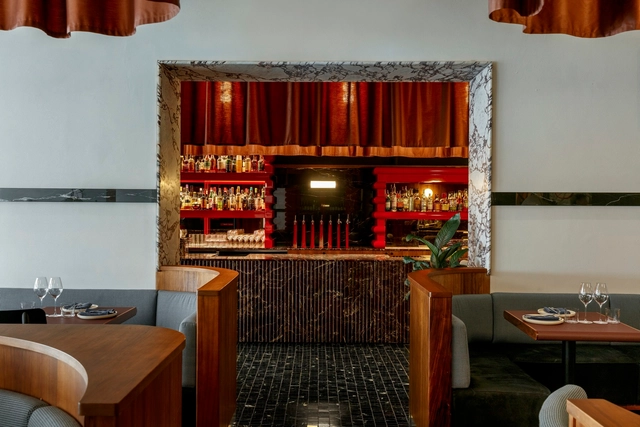
In the competitive world of restaurants – particularly at a time when influencers are gaining more and more control over the sphere of fine dining –, creating a memorable meal experience is crucial for attracting and retaining customers. While factors like food quality and service certainly play pivotal roles in making diners return to their eatery of choice, the impact that restaurant interiors can have on an establishment's longevity should not be overlooked. Among the various elements contributing to a memorable ambiance, color takes center stage. We delve into the significance of striking the right tone in restaurant design through 20 projects from our ArchDaily database.
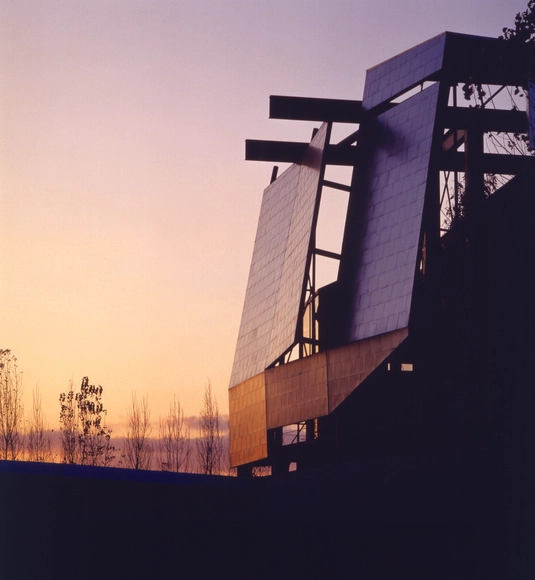
Carlson-Reges House (1992-1996). Image Courtesy of Michael Rotondi
Michael Rotondi’s buildings—museums, civic centers, education facilities, monasteries, restaurants, and residences—evoke kinetic mechanisms that fold, hinge, twist, and split open. They express the architect’s feelings, thinking, and mood at the time they had been designed, and, on some occasions, during their assembly and construction. Rotondi was born in 1949 in Los Angeles.
He established his RoTo Architects, a research-based firm in his native city, in 1991 after co-heading Morphosis for 16 years with Thom Mayne. Parallel to his practicing career, the architect has been teaching and lecturing at SCI-Arc, Southern California Institute of Architecture, which he co-founded in 1972, led its graduate program from 1978-1987, and was the school’s second director for a decade from 1987 to 1997.
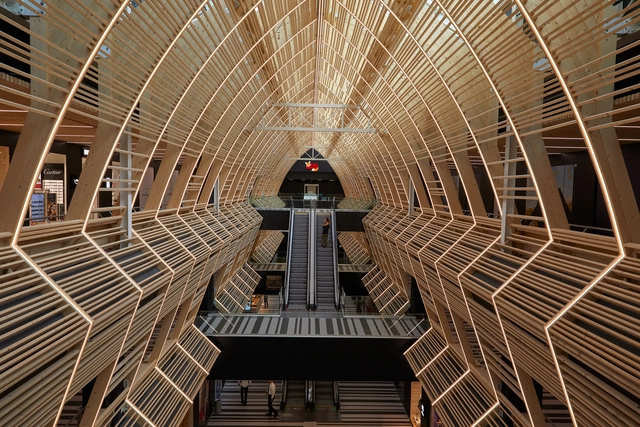
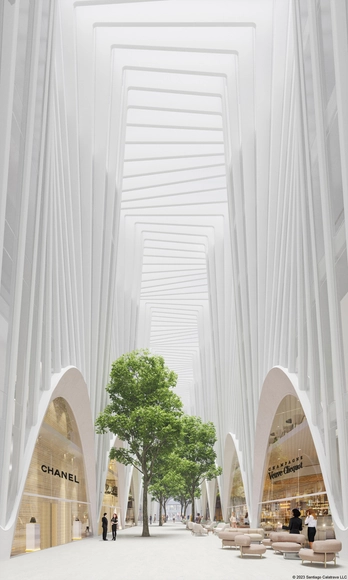
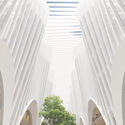
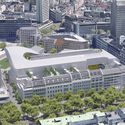
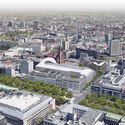
Spanish architect and engineer Santiago Calatrava has unveiled the design of the Calatrava Boulevard, a complex offering upmarket restaurants, retail, and office spaces in Düsseldorf, Germany. Located on a highly visible site between Königsallee boulevard, Königstrasse, and Steinstrasse, the new complex features a curved and vaulted 135-foot-tall roof and a flowing interior street, creating the appearance of a sculptural light-filled canyon. The project, done in collaboration with Uwe Reppegather, Founder and Managing Director of the CENTRUM Group, is set to be completed by 2028.
Tu Casa by Lutolli Architects + Partners. Image Courtesy of Lutolli Architects + Partners
Architects play an important role in creating healthy, functional and aesthetically pleasing environments. Interior design represents a natural continuation of the same prerogative, and its importance has been accentuated in recent years, from the lockdown forcing many people to remain indoors for extended periods of time, to the rise of remote work. The task of the interior designer is not decorating spaces, but planning for an effective use of space, understanding the needs of the user and highlighting the intrinsic qualities of a space. Acoustics, lighting, material properties and proportions all play a role in achieving a coherent and enjoyable interior space.
This week’s curated selection of Best Unbuilt Architecture highlights interior design projects submitted by the ArchDaily community. From a pastel-colored library in Turkey to a renovated symphony hall in San Diego, US, this selection of unbuilt projects showcases how architects design interior spaces by integrating textures, materials, light, and color in well-proportioned spaces. The article includes projects from Turkey, US, Switzerland, Indonesia, UK, and Denmark.
Once again in its eighth edition, the Prix Versailles 2022 awards have honored the best achievements in contemporary architecture. A total of 24 projects from different parts of the world have been highlighted paying tribute to innovation, creativity, the reflection of local heritage, eco-efficiency, and the values of social interaction and participation upheld by the United Nations and aligned with the principles of intelligent sustainability considering the ecological, social and cultural impacts that surround the projects.