1. ArchDaily
  2. Reuse

Reuse: The Latest Architecture and News

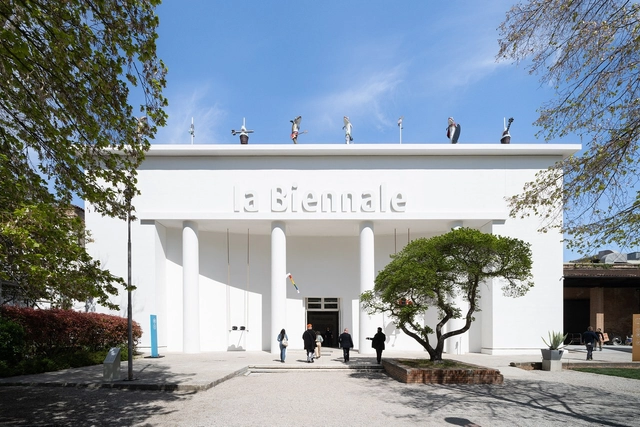
Nothing Is Lost, Everything Transforms: The Reusable Future of the Biennial’s Structures

At the end of each edition of the Architecture Biennale, far from the public eye, tons of exhibition materials are transported across Venice in handcarts and boats. Only a small portion of these materials is reused. The main obstacles are the limited storage space in Venice and the high logistical costs—recurring challenges for circular architecture. As a result, most of the waste ends up in landfills or nearby recycling centers. But this scenario is beginning to change. In response to growing environmental concerns, architects are developing strategies to make reuse more viable. These efforts go beyond architectural and construction decisions—they also involve logistics and international trade.

Nothing Is Lost, Everything Transforms: The Reusable Future of the Biennial’s Structures - Image 1 of 4Nothing Is Lost, Everything Transforms: The Reusable Future of the Biennial’s Structures - Image 2 of 4Nothing Is Lost, Everything Transforms: The Reusable Future of the Biennial’s Structures - Image 3 of 4Nothing Is Lost, Everything Transforms: The Reusable Future of the Biennial’s Structures - Image 4 of 4Nothing Is Lost, Everything Transforms: The Reusable Future of the Biennial’s Structures - More Images+ 9

"Helping the Existing to Reconfigure Itself": In Conversation with Søren Pihlmann, Curator of the Danish Pavilion

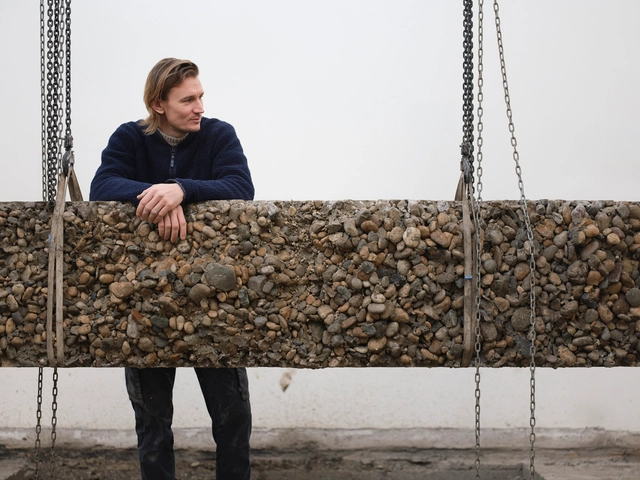
Søren Pihlmann is the curator of the Danish Pavilion at the 2025 Venice Architecture Biennale. The exhibition, commissioned by the Danish Architecture Center, is titled Build of Site, and focuses on exploring sustainable architectural practices through the lens of reuse and resourcefulness. Pihlmann's proposal transforms the existing Danish Pavilion, located within a historic building complex in the Biennale's Giardini, into an active exhibition space for material experimentation. The installation highlights techniques that incorporate recycled and bio-based elements. The Pavilion offers visitors the opportunity to observe ongoing experimental processes, witnessing how building resources are creatively reimagined for new uses. In this on-site interview, ArchDaily editors spoke with the curator about the ideas behind the project and the challenges its execution represents.

"Helping the Existing to Reconfigure Itself":  In Conversation with Søren Pihlmann, Curator of the Danish Pavilion - Image 1 of 4"Helping the Existing to Reconfigure Itself":  In Conversation with Søren Pihlmann, Curator of the Danish Pavilion - Image 2 of 4"Helping the Existing to Reconfigure Itself":  In Conversation with Søren Pihlmann, Curator of the Danish Pavilion - Image 3 of 4"Helping the Existing to Reconfigure Itself":  In Conversation with Søren Pihlmann, Curator of the Danish Pavilion - Image 4 of 4Helping the Existing to Reconfigure Itself:  In Conversation with Søren Pihlmann, Curator of the Danish Pavilion - More Images+ 2

MAST Reveals Floating Neighborhood Design for Rotterdam’s Disused Spoorweghaven Dock

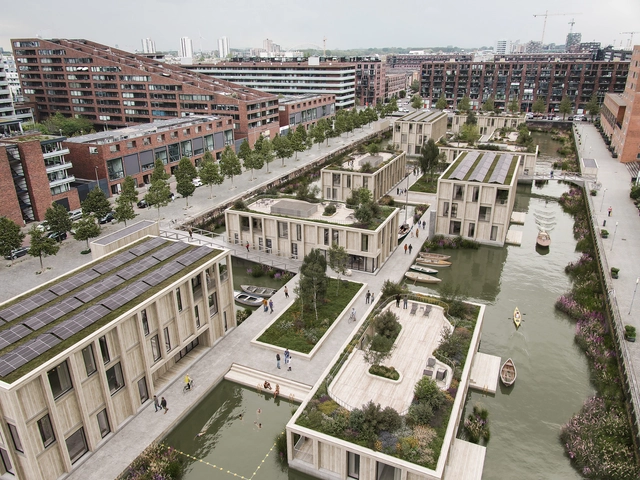
Danish maritime architecture studio MAST, in collaboration with construction company BIK Bouw, has designed a new floating community for the disused Spoorweghaven dock in Rotterdam, Netherlands. The proposed neighborhood, which has received initial support from the Municipality of Rotterdam, includes over 100 apartments, public spaces, commercial units, and a recreational harbor near the city center. Floating architecture is MAST's response to the Netherlands' housing crisis, offering a modular, adaptable solution for building a wide range of structures on water.

MAST Reveals Floating Neighborhood Design for Rotterdam’s Disused Spoorweghaven Dock - Image 1 of 4MAST Reveals Floating Neighborhood Design for Rotterdam’s Disused Spoorweghaven Dock - Image 4 of 4MAST Reveals Floating Neighborhood Design for Rotterdam’s Disused Spoorweghaven Dock - Image 2 of 4MAST Reveals Floating Neighborhood Design for Rotterdam’s Disused Spoorweghaven Dock - Image 3 of 4MAST Reveals Floating Neighborhood Design for Rotterdam’s Disused Spoorweghaven Dock - More Images+ 10

David Chipperfield Architects Presents Plan to Restore and Enhance a Roman Theater in Brescia, Italy

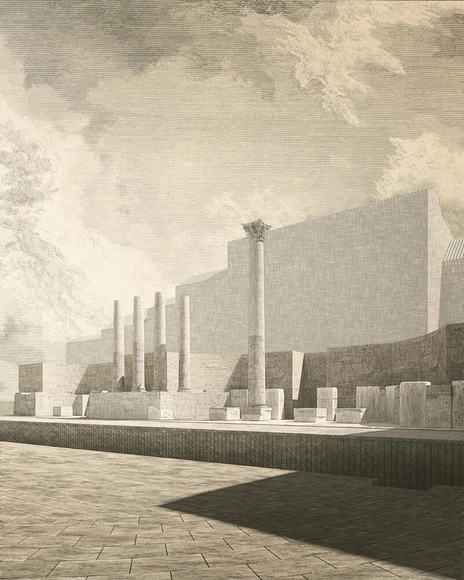
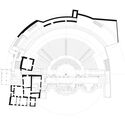
The preliminary design for the architectural restoration and functional redevelopment of the Roman Theatre was presented on Tuesday, April 8, 2025, at the Auditorium of the Santa Giulia Museum in Brescia. The project was developed by the Milan office of David Chipperfield Architects, commissioned by the Fondazione Brescia Musei in collaboration with the Municipality of Brescia and the Brescia Chamber of Commerce, Industry, Handicraft, and Agriculture. Chipperfield was tasked with identifying the essential architectural elements to guide future design phases, leading to the drafting of the Technical-Economic Feasibility Project (PFTE) and the final project, including the necessary authorizations. This initiative is financially supported by the Italian Chamber of Commerce under a 2019 ministerial decree prioritizing cultural heritage, especially where it enhances tourism.

David Chipperfield Architects Presents Plan to Restore and Enhance a Roman Theater in Brescia, Italy - Image 1 of 4David Chipperfield Architects Presents Plan to Restore and Enhance a Roman Theater in Brescia, Italy - Image 2 of 4David Chipperfield Architects Presents Plan to Restore and Enhance a Roman Theater in Brescia, Italy - Image 3 of 4David Chipperfield Architects Presents Plan to Restore and Enhance a Roman Theater in Brescia, Italy - Image 4 of 4David Chipperfield Architects Presents Plan to Restore and Enhance a Roman Theater in Brescia, Italy - More Images+ 5

MAD Architects’ Fenix Museum of Migration Opens in Rotterdam’s City Harbor

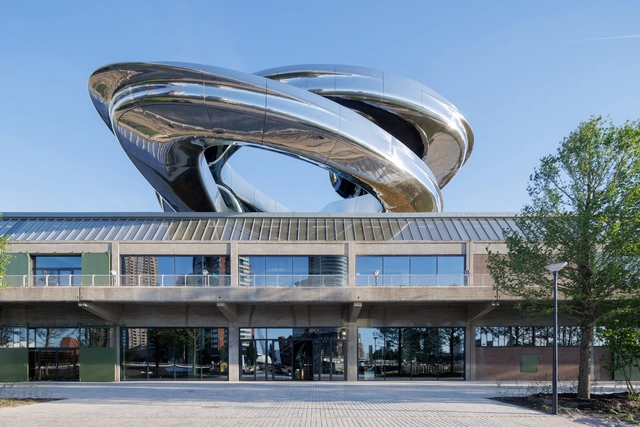
Fenix is a new museum in Rotterdam's City Harbour, dedicated to the collection of historic and contemporary objects that explore migration through art. It is located on the Katendrecht peninsula on the south bank of the River Maas, in a 100-year-old former warehouse recently renovated by MAD Architects and Bureau Polderman. This marks MAD Architects' first commission for a public cultural building in Europe. Recently completed, the building is set to open this Friday, May 16, showcasing three exhibitions: All Directions, featuring over 150 artworks and objects from the Fenix collections; The Family of Migrants, a photographic exhibition by Edward Steichen; and The Suitcase Labyrinth, an interactive installation made up of 2,000 donated suitcases.

MAD Architects’ Fenix Museum of Migration Opens in Rotterdam’s City Harbor - Image 1 of 4MAD Architects’ Fenix Museum of Migration Opens in Rotterdam’s City Harbor - Image 2 of 4MAD Architects’ Fenix Museum of Migration Opens in Rotterdam’s City Harbor - Image 3 of 4MAD Architects’ Fenix Museum of Migration Opens in Rotterdam’s City Harbor - Image 4 of 4MAD Architects’ Fenix Museum of Migration Opens in Rotterdam’s City Harbor - More Images+ 11

Denmark Presents 'Build of Site' by Søren Pihlmann at the 2025 Venice Architecture Biennale

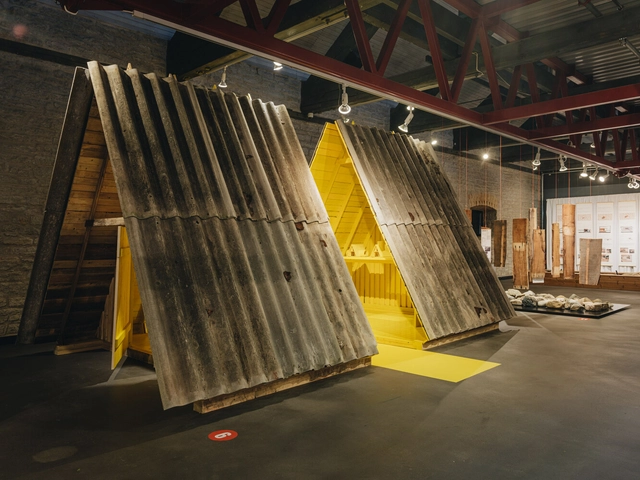
Denmark's contribution to the 19th International Architecture Exhibition – La Biennale di Venezia examines how rethinking and reusing existing buildings and materials can address critical architectural challenges. The exhibition was commissioned by the Danish Architecture Center and curated by architect Søren Pihlmann. Aligning with the Biennale's overarching theme, "Intelligens. Natural. Artificial. Collective.," the Danish pavilion features the exhibition Build of Site, which explores sustainable architectural practices through the lens of reuse and resourcefulness. Build of Site proposes a mindset that prioritizes resource awareness and the potential of existing structures, principles communicated during the opening in a film produced in collaboration with Louisiana Channel.

Denmark Presents 'Build of Site' by Søren Pihlmann at the 2025 Venice Architecture Biennale - Image 1 of 4Denmark Presents 'Build of Site' by Søren Pihlmann at the 2025 Venice Architecture Biennale - Image 2 of 4Denmark Presents 'Build of Site' by Søren Pihlmann at the 2025 Venice Architecture Biennale - Image 3 of 4Denmark Presents 'Build of Site' by Søren Pihlmann at the 2025 Venice Architecture Biennale - Image 4 of 4Denmark Presents 'Build of Site' by Søren Pihlmann at the 2025 Venice Architecture Biennale - More Images+ 25

How to Save a Building from Demolition: Emerging Procedures to Uncover the Potential of Existing Structures

The twentieth century marked a definitive shift in the realm of architecture, as the Modernist movement broke from traditional building styles and encouraged experimentation and innovation. With the help of new materials and technologies, these times represent a crucial moment in the history of architecture as both cities and building styles evolved at an unprecedented rate. The structures that stand testament to this day are, however, nearing the age of a hundred years old. Their stark design features are not always embraced by the public, while the functionalist principles often hinder the adaptability of their interior spaces. Given that they also often occupy central positions within the city, there is increasing pressure to demolish these structures and redevelop the area in its entirety.

How to Save a Building from Demolition: Emerging Procedures to Uncover the Potential of Existing Structures - Image 1 of 4How to Save a Building from Demolition: Emerging Procedures to Uncover the Potential of Existing Structures - Image 2 of 4How to Save a Building from Demolition: Emerging Procedures to Uncover the Potential of Existing Structures - Image 3 of 4How to Save a Building from Demolition: Emerging Procedures to Uncover the Potential of Existing Structures - Image 4 of 4How to Save a Building from Demolition: Emerging Procedures to Uncover the Potential of Existing Structures - More Images+ 8

LAVA Architects' German Pavilion Opens at Expo 2025 Osaka with Focus on Sustainability and Circularity

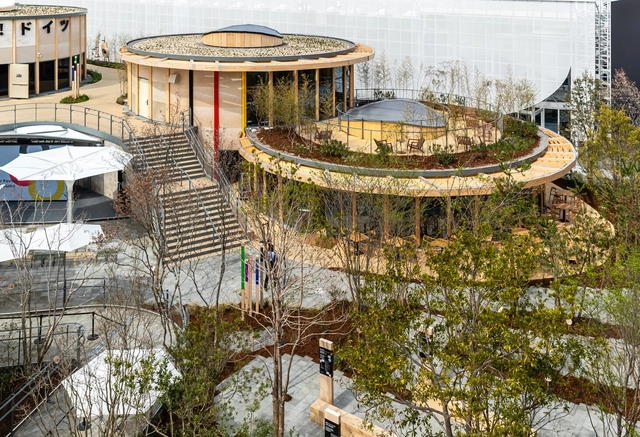
Officially open since April 13 as part of Expo 2025 Osaka, the German Pavilion, designed by LAVA Architects. brings to life the theme of the circular economy. Previously unveiled under the title "Wa! Doitsu" (translated as "Wow! Germany"), the Pavilion explores concepts around circularity, showcasing the "terminological culmination of the sustainability discussion." Focusing on returning all consumable goods to the cycle of the economy, achieving zero waste, and minimizing resource consumption, the theme is visible throughout the entire design.

LAVA Architects' German Pavilion Opens at Expo 2025 Osaka with Focus on Sustainability and Circularity - Image 1 of 4LAVA Architects' German Pavilion Opens at Expo 2025 Osaka with Focus on Sustainability and Circularity - Image 2 of 4LAVA Architects' German Pavilion Opens at Expo 2025 Osaka with Focus on Sustainability and Circularity - Image 3 of 4LAVA Architects' German Pavilion Opens at Expo 2025 Osaka with Focus on Sustainability and Circularity - Image 4 of 4LAVA Architects' German Pavilion Opens at Expo 2025 Osaka with Focus on Sustainability and Circularity - More Images+ 47

BIVAK Studio Designs the Hungarian Architecture Center and Museum

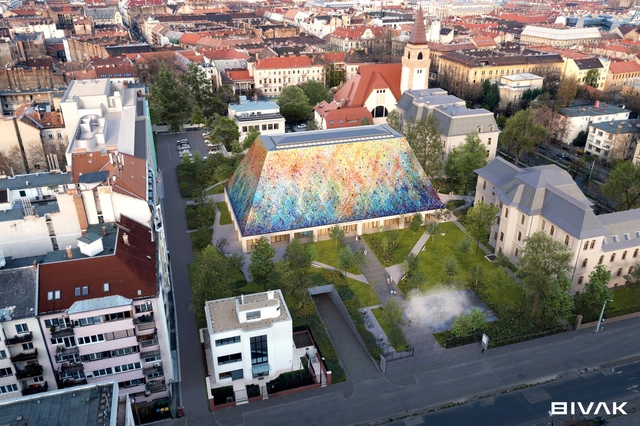
The Hungarian Architecture Center and Museum, designed by BIVAK Studio in collaboration with Tér és Forma Szeged Építéstervező Ltd., has received its building permit, paving the way for construction to begin. Located at the corner of Városligeti Fasor and Bajza Street in Budapest, Hungary, the project aims to establish a cultural and professional hub within an urban context. The proposal was selected as the winning entry in an international two-round open design competition, organized by the Hungarian Academy of Arts, held in December 2023.

BIVAK Studio Designs the Hungarian Architecture Center and Museum - Image 1 of 4BIVAK Studio Designs the Hungarian Architecture Center and Museum - Image 2 of 4BIVAK Studio Designs the Hungarian Architecture Center and Museum - Image 3 of 4BIVAK Studio Designs the Hungarian Architecture Center and Museum - Image 4 of 4BIVAK Studio Designs the Hungarian Architecture Center and Museum - More Images+ 20

Terrazzo’s Sustainable Design Strategy: Integrating Tradition, Reuse, and Innovation

Subscriber Access | 

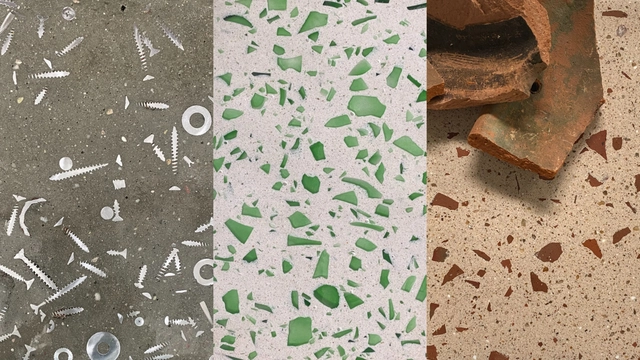
In a context where sustainability and material identity are becoming priorities in architecture, some ancient materials are finding new life. Terrazzo, with origins dating back to the 15th century, stands out as an example of how tradition can fuel innovation. The modern form, as we know it today, emerged in 15th-century Venice, Italy, when Venetian mosaic workers, seeking to make use of marble scraps, began incorporating these irregular fragments into mortar to create durable and visually appealing surfaces for terraces around their homes. This approach not only minimized raw material waste but also led to the development of new surface-finishing techniques, evolving from manual stone rubbing to the use of a heavy, long-handled grinding stone known as a galera.

Reconsidering Brutalist Renovations: A Transformation of the Boston City Hall for the Public

Boston City Hall, one of the most debated examples of Brutalist architecture in the United States, has significantly transformed since its conception. Designed by Kallmann, McKinnell, and Knowles and completed in 1968, the fortress-like concrete exterior and geometric austerity have long divided public opinion. Critics, including a former mayor, called for its demolition for decades arguing that its imposing design was inhospitable, inefficient, and most importantly, not beautiful. However, rather than tearing it down, Boston has chosen to renovate and revitalize the structure, demonstrating that contested Brutalist architectural styles can be adapted for a more sustainable future.

Reconsidering Brutalist Renovations: A Transformation of the Boston City Hall for the Public - Image 1 of 4Reconsidering Brutalist Renovations: A Transformation of the Boston City Hall for the Public - Image 2 of 4Reconsidering Brutalist Renovations: A Transformation of the Boston City Hall for the Public - Image 3 of 4Reconsidering Brutalist Renovations: A Transformation of the Boston City Hall for the Public - Image 5 of 4Reconsidering Brutalist Renovations: A Transformation of the Boston City Hall for the Public - More Images+ 4

Winner Announced: ArchDaily X ICEX's Spanish Refurbishment Competition

 | Sponsored Content

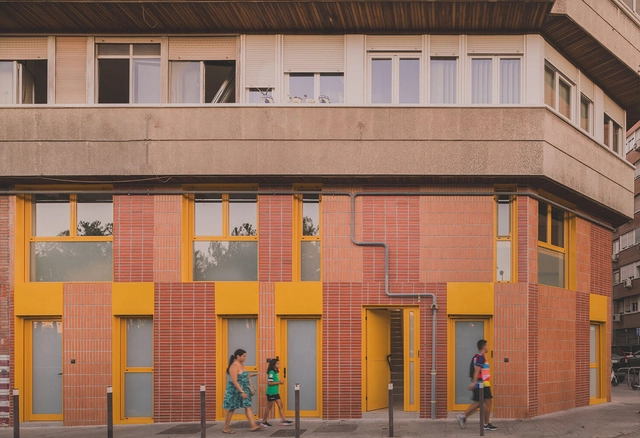
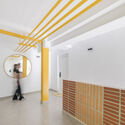
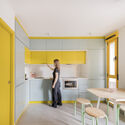
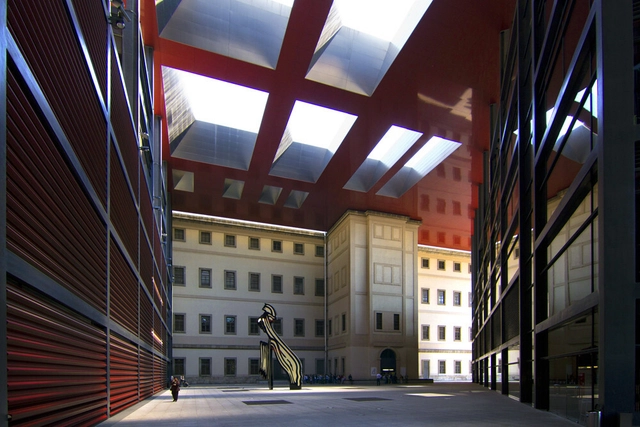
Why demolish when you can embellish? A collaboration between ArchDaily and ICEX highlights the most outstanding remodeling, reuse, extension and renovation works recently built in Spain. This competition focuses on how Spanish architecture values the revitalization of historic buildings and centers, and recovers existing structures promoting a more balanced urban development. In Spain, old casonas become boutique gems, and factories like Madrid's Matadero morph into cultural havens—a clever mix of tradition and modern flair. After all, good design isn't built—it's built upon.

Winner Announced: ArchDaily X ICEX's Spanish Refurbishment Competition - Image 1 of 4Winner Announced: ArchDaily X ICEX's Spanish Refurbishment Competition - Image 2 of 4Winner Announced: ArchDaily X ICEX's Spanish Refurbishment Competition - Image 3 of 4Winner Announced: ArchDaily X ICEX's Spanish Refurbishment Competition - Image 4 of 4Winner Announced: ArchDaily X ICEX's Spanish Refurbishment Competition - More Images+ 7

Architectural Grafting: A Strategy for Sustainable Design

Subscriber Access | 

Architectural grafting, a concept recently popularized by Jeanne Gang in The Art of Architectural Grafting, presents a transformative approach to urban regeneration and sustainability. Drawing inspiration from botanical and horticultural practices — where new growth is added to existing plants for enhanced resilience — this architectural method integrates new structures with existing ones, allowing them to coexist and adapt. Rather than pursuing demolition, grafting prioritizes adaptation, extending the life of buildings while safeguarding their cultural and historical significance.

While Studio Gang has played a pivotal role in advancing this method, architectural grafting embodies a broader principle that architects have long used to enhance sustainability, conserve resources, and honor heritage. Across scales — from individual buildings to urban landscapesgrafting reshapes the relationship between past and present, adapting existing structures for contemporary needs while addressing environmental demands. By reimagining historic buildings for modern use, this approach fosters a sustainable evolution of cityscapes.

Architectural Grafting: A Strategy for Sustainable Design - Image 1 of 4Architectural Grafting: A Strategy for Sustainable Design - Image 2 of 4Architectural Grafting: A Strategy for Sustainable Design - Image 3 of 4Architectural Grafting: A Strategy for Sustainable Design - Image 4 of 4Architectural Grafting: A Strategy for Sustainable Design - More Images+ 59

From Favela to the World: The Story Behind the Lá da Favelinha Cultural Center

In Belo Horizonte’s Aglomerado da Serra, Brazil’s third-largest favela complex with 50,000 residents, the Lá da Favelinha Cultural Center stands out as a vibrant hub of art and education. Founded in 2015 by the multifaceted artist Kdu do Anjos, the striking red building that stands out in the outskirts has gained recognition in both national and international architectural circles, earning several prestigious awards Yet, the recent renovation by Coletivo LEVANTE—honored as one of the Best New Architectural Practices of 2024—represents far more than vivid colors and bold design. It symbolizes the creativity and potential of the community itself. As a space for support and inspiration, Lá da Favelinha reflects a collective, democratic vision that merges the community’s dreams with the dedication of its founders.

From Favela to the World: The Story Behind the Lá da Favelinha Cultural Center - Image 4 of 4From Favela to the World: The Story Behind the Lá da Favelinha Cultural Center - Image 1 of 4From Favela to the World: The Story Behind the Lá da Favelinha Cultural Center - Image 5 of 4From Favela to the World: The Story Behind the Lá da Favelinha Cultural Center - Image 2 of 4From Favela to the World: The Story Behind the Lá da Favelinha Cultural Center - More Images+ 15

Focused on Future Resources, the Tallinn Architecture Biennale 2024 Opens in Estonia

Tallinn Architecture Biennale 2024 has officially opened to the public. Hosted at the Museum of Estonian Architecture and across multiple venues in the center of the city, the event is centered around the theme "Resources For a Future." The head curator Anhelina L. Starkova along with co-curators Daniel A. Walser and Jaan Kuusemets hope to open up conversations about emerging approaches to designing and building architecture, including the potential of reused and repurposed materials. The event is held between October and November 2024, with free participation.

Focused on Future Resources, the Tallinn Architecture Biennale 2024 Opens in Estonia - Featured ImageFocused on Future Resources, the Tallinn Architecture Biennale 2024 Opens in Estonia - Image 1 of 4Focused on Future Resources, the Tallinn Architecture Biennale 2024 Opens in Estonia - Image 2 of 4Focused on Future Resources, the Tallinn Architecture Biennale 2024 Opens in Estonia - Image 3 of 4Focused on Future Resources, the Tallinn Architecture Biennale 2024 Opens in Estonia - More Images+ 12

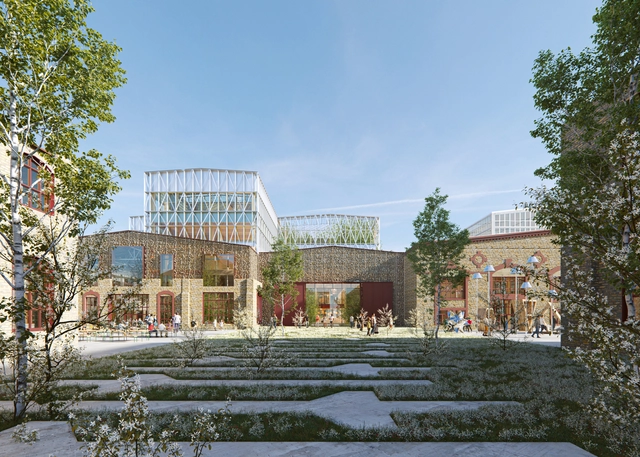
Cobe's Creative Reuse Strategy Set to Transform Tallinn's Industrial Site into a New City District

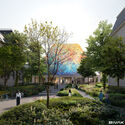
Danish architecture firm Cobe has announced a new project to transform the historic 'Krulli' steelworks, a large-scale former industrial site in Estonia's capital, into a mixed-use city district. The strategy for the project is developed to optimize for material reuse, as materials, components and even entire buildings have been evaluated for their potential to be reintegrated into the scheme. This way, the decommissioned industrial area provides the foundation for an innovation hub, maintaining its history while adapting to the necessities of modern workspaces and city life.

Cobe's Creative Reuse Strategy Set to Transform Tallinn's Industrial Site into a New City District - Image 1 of 4Cobe's Creative Reuse Strategy Set to Transform Tallinn's Industrial Site into a New City District - Image 2 of 4Cobe's Creative Reuse Strategy Set to Transform Tallinn's Industrial Site into a New City District - Image 3 of 4Cobe's Creative Reuse Strategy Set to Transform Tallinn's Industrial Site into a New City District - Image 4 of 4Cobe's Creative Reuse Strategy Set to Transform Tallinn's Industrial Site into a New City District - More Images+ 5

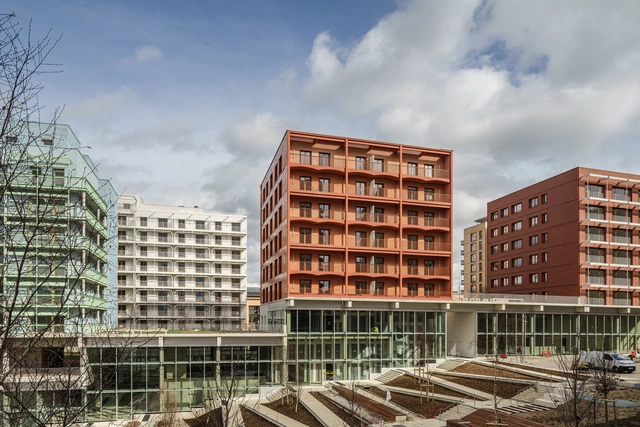
Beyond Sports: 10 Reversible and Multifunctional Olympic Villages

The first Olympic village was built for the 1924 Summer Games in Paris. Before this, athletes stayed in hotels, hostels, schools, headquarters, and even on the ships that brought them to the host cities. Pierre de Coubertin, co-founder of the International Olympic Committee (IOC), proposed the idea of an Olympic village. He realized it would be more cost-effective to house athletes in temporary structures rather than hotels. He believed the village would also create a sense of community among the international competitors.

Beyond Sports: 10 Reversible and Multifunctional Olympic Villages - Image 1 of 4Beyond Sports: 10 Reversible and Multifunctional Olympic Villages - Image 2 of 4Beyond Sports: 10 Reversible and Multifunctional Olympic Villages - Image 3 of 4Beyond Sports: 10 Reversible and Multifunctional Olympic Villages - Image 4 of 4Beyond Sports: 10 Reversible and Multifunctional Olympic Villages - More Images+ 7

Reimagining an Abandoned Urban Landmark: The Story Behind the Piraeus Tower in Athens, Greece

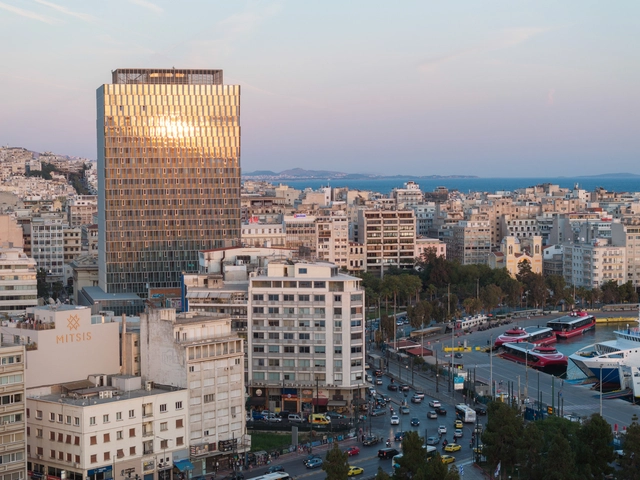
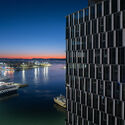
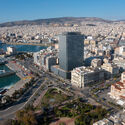
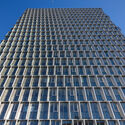
The landmark of Piraeus, located in the heart of the largest passenger port in Europe, began construction in 1972 but remained unfinished and vacant for decades. Finally completed in 2023, after an international competition, it now stands as Greece's first green and digital skyscraper. The architectural firm PILA took on the design of the facades, while the office ASPA-KST designed the commercial spaces, and the new general architectural study was entrusted to Betaplan. After over four years of renovation, Piraeus Tower officially opened its doors to tenants and visitors on June 4th with a night of celebrations, establishing itself as a bustling hub and injecting vitality into the area.


Reimagining an Abandoned Urban Landmark: The Story Behind the Piraeus Tower in Athens, Greece - Image 1 of 4Reimagining an Abandoned Urban Landmark: The Story Behind the Piraeus Tower in Athens, Greece - Image 2 of 4Reimagining an Abandoned Urban Landmark: The Story Behind the Piraeus Tower in Athens, Greece - Image 3 of 4Reimagining an Abandoned Urban Landmark: The Story Behind the Piraeus Tower in Athens, Greece - Image 4 of 4Reimagining an Abandoned Urban Landmark: The Story Behind the Piraeus Tower in Athens, Greece - More Images+ 14