1. ArchDaily
  2. Ruy Ohtake

Ruy Ohtake: The Latest Architecture and News

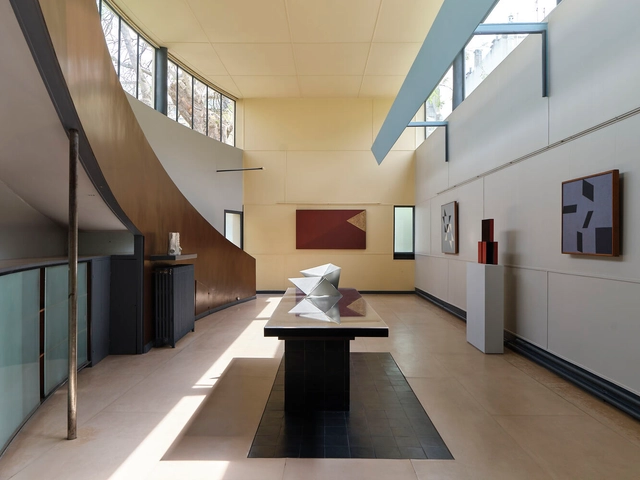
Le Corbusier and Brazilian Modernism: ABERTO4 Exhibition Opens at Maison La Roche in Paris

Founded in 2022 by art advisor Filipe Assis, ABERTO is an exhibition platform celebrating the convergence of art, design, and architecture in Brazil and beyond. Staging exhibitions in private and public modernist spaces, its past editions have highlighted the global connections forged by Brazilians from the 20th century onwards. Following three exhibitions in São Paulo, "ABERTO 4 – Brazil After Le Corbusier" marks its first international edition, taking place at Le Corbusier's Maison La Roche in Paris, from 14 May to 8 June 2025. The exhibition presents around 35 design and art pieces by Brazilian artists, spotlighting Le Corbusier's seminal connection to Brazilian modernist architecture and exploring his influence on contemporary Brazilian creatives. Previous editions of ABERTO have featured over 100 artists from Brazil and abroad in houses designed by Oscar Niemeyer (2022), Vilanova Artigas (2023), and Ruy Ohtake and Chu Ming Silveira (2024).
Le Corbusier and Brazilian Modernism: ABERTO4 Exhibition Opens at Maison La Roche in Paris - Image 1 of 4Le Corbusier and Brazilian Modernism: ABERTO4 Exhibition Opens at Maison La Roche in Paris - Image 2 of 4Le Corbusier and Brazilian Modernism: ABERTO4 Exhibition Opens at Maison La Roche in Paris - Image 3 of 4Le Corbusier and Brazilian Modernism: ABERTO4 Exhibition Opens at Maison La Roche in Paris - Image 4 of 4Le Corbusier and Brazilian Modernism: ABERTO4 Exhibition Opens at Maison La Roche in Paris - More Images+ 44

Living and Creating: 12 Homes with Art Studios in Latin America

Subscriber Access | 

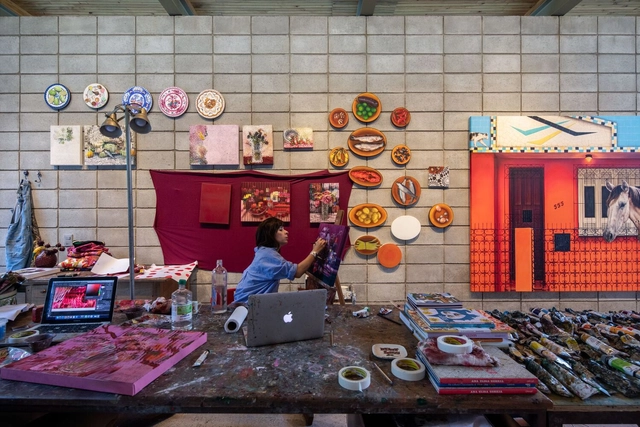
The spaces where artists create their work reveal a great deal about their creative journey—their techniques, themes, and inspirations. These places hold memories, intimacy, and emotional connections. For some artists, the studio is a secluded space, free from distractions. For others, it is a place for openness and freedom. Often, the studio becomes the home—or the home becomes the studio—blending function, desire, and necessity. Positioned at the crossroads of living and creating, leisure and work, these spaces fascinate art lovers. Many are later recreated in galleries or transformed into museums. Regardless of the artist’s fame, these spaces offer a unique look into the creative process, the artwork, and the artist's identity.

Living and Creating: 12 Homes with Art Studios in Latin America - Image 1 of 4Living and Creating: 12 Homes with Art Studios in Latin America - Image 2 of 4Living and Creating: 12 Homes with Art Studios in Latin America - Image 3 of 4Living and Creating: 12 Homes with Art Studios in Latin America - Image 4 of 4Living and Creating: 12 Homes with Art Studios in Latin America - More Images+ 12

Paul Clemence Documents Ruy Ohtake's Bioparque Pantanal in Brazil's Wetland

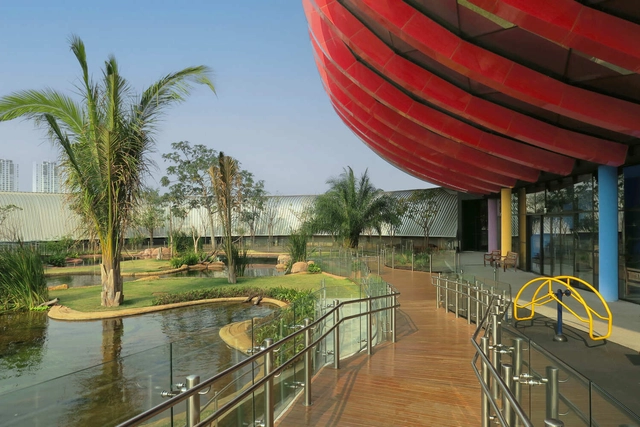
Photographer Paul Clemence captured a striking photo series of the Bioparque Pantanal, also known as the Pantanal Aquarium, a recently completed architectural project in Campo Grande, Brazil, designed by the late architect Ruy Ohtake. Located within the Parque das Nações Indígenas, one of the largest urban parks in the country, the structure serves as a centerpiece for cultural, scientific, and ecological exploration in the state of Mato Grosso do Sul. Clemence's photography highlights the interplay between the aquarium's architectural design and its surrounding environment, providing a visual documentation of the project's form, materials, and spatial organization.

Paul Clemence Documents Ruy Ohtake's Bioparque Pantanal in Brazil's Wetland - Image 1 of 4Paul Clemence Documents Ruy Ohtake's Bioparque Pantanal in Brazil's Wetland - Image 2 of 4Paul Clemence Documents Ruy Ohtake's Bioparque Pantanal in Brazil's Wetland - Image 3 of 4Paul Clemence Documents Ruy Ohtake's Bioparque Pantanal in Brazil's Wetland - Image 4 of 4Paul Clemence Documents Ruy Ohtake's Bioparque Pantanal in Brazil's Wetland - More Images+ 51

“Color Is Life!”: Series of Photos Shows the Importance of Colors and Shapes in Ruy Ohtake’s Architecture

Subscriber Access | 

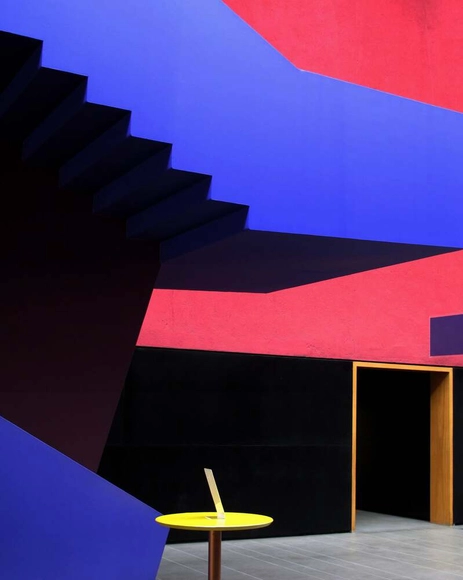
"I'm interested in creating shapes that surprise people, that are bold," Ruy Ohtake used to say. With a career of over six decades and around 420 works built – almost three hundred only in São Paulo – Ohtake leaves a prolific and inspiring legacy to Brazilian architecture.

Besides São Paulo, his projects are spread over places as far away as Brasília, Mato Grosso do Sul and Rio de Janeiro, states where he designed and built residences, transport equipment, headquarters of cultural institutions, hotels, banks, sports arenas and corporate towers. In many of these, it is possible to recognize the architect's resistance to leaning towards the straight line, one that offers no surprises, and the desire to thrill with its shapes and colors.

“Color Is Life!”: Series of Photos Shows the Importance of Colors and Shapes in Ruy Ohtake’s Architecture - Image 1 of 4“Color Is Life!”: Series of Photos Shows the Importance of Colors and Shapes in Ruy Ohtake’s Architecture - Image 2 of 4“Color Is Life!”: Series of Photos Shows the Importance of Colors and Shapes in Ruy Ohtake’s Architecture - Image 3 of 4“Color Is Life!”: Series of Photos Shows the Importance of Colors and Shapes in Ruy Ohtake’s Architecture - Image 4 of 4“Color Is Life!”: Series of Photos Shows the Importance of Colors and Shapes in Ruy Ohtake’s Architecture - More Images+ 14

Social Architecture: The Misunderstanding That Led Ruy Ohtake To Improve Brazil’s Second Largest Favela

Subscriber Access | 

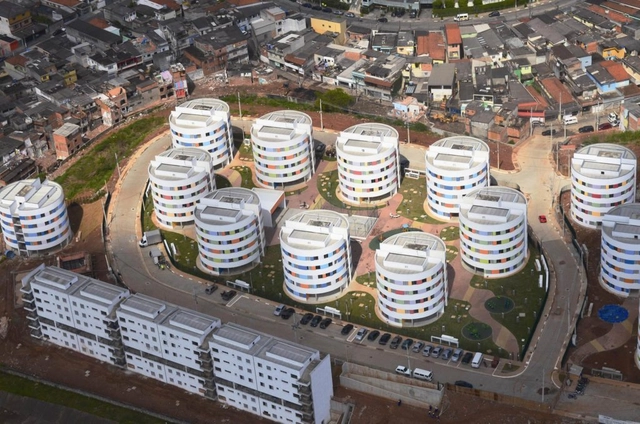
The story of the "Redondinhos" housing project in Heliópolis, São Paulo began with a misinterpreted quote by Ruy Ohtake. In 2003, a magazine published the following statement attributed to the prestigious architect and urban planner: "What I find most ugly in São Paulo is Heliopolis." After seeing the report, Ohtake clarified that his intention was to say that the ugliest in the city is the difference between rich and poor neighborhoods - "the difference between the Morumbi neighborhood and Heliopolis, the largest favela," he corrected.

Furniture Designed by Brazilian Architects

Subscriber Access | 

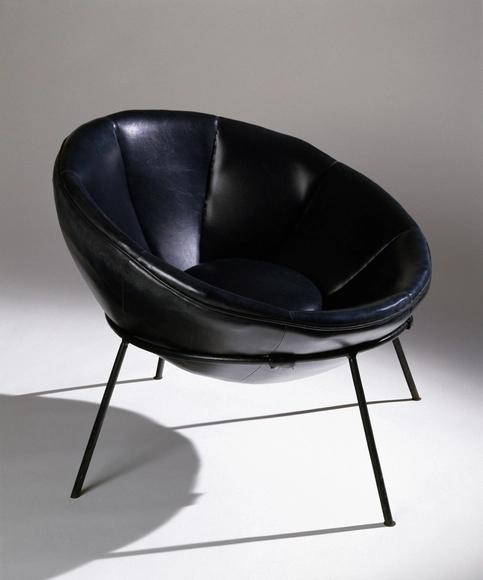
For some practitioners of architecture, the insatiable desire to draw everything, from the largest to the smallest to take full control of the project, echoes the famous phrase uttered by Mies Van Der Rohe: "God is in the details." Similarly, designing furniture provides another creative outlet for in-depth exploration of human-scale works of architecture.

Throughout the history of the Brazilian Architecture, and especially since the modernist movement, architects not only became known for their building designs, but also for their detailed chairs and tables. Several of these pieces of furniture were initially designed for a specific project and then went into mass production due to their popularity. 

Furniture Designed by Brazilian Architects - Image 1 of 4Furniture Designed by Brazilian Architects - Image 2 of 4Furniture Designed by Brazilian Architects - Featured ImageFurniture Designed by Brazilian Architects - Image 3 of 4Furniture Designed by Brazilian Architects - More Images+ 50