1. ArchDaily
  2. San Francisco

San Francisco: The Latest Architecture and News

The Embarcadero Freeway: Elevated Infrastructure and Urban Regeneration in San Francisco

Subscriber Access | 

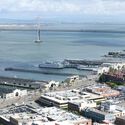
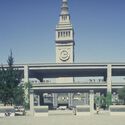
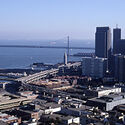
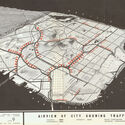
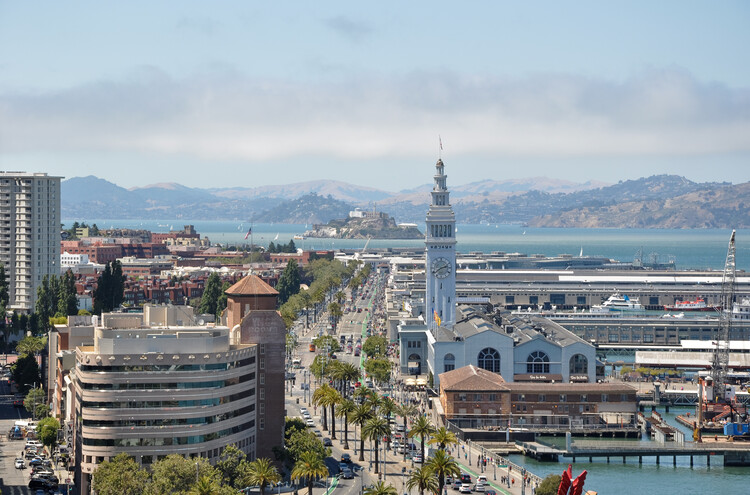
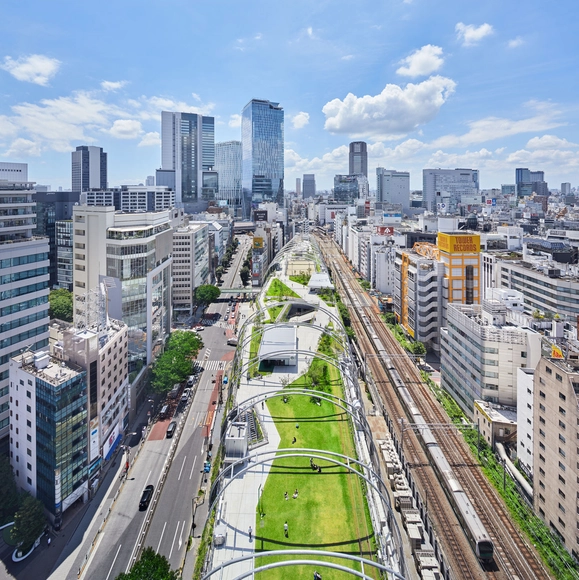
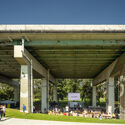
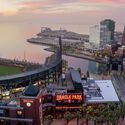
In recent decades, cities across the world have seen an increase in the demolition of elevated concrete freeways. Taipei, Seoul, Portland, and Boston, for example, have all seen the rise and fall of these infrastructures to give way to parks and new urban regeneration ideas. In other cases, like Montreal in Canada, some people opposed the freeways even before they were built, effectively rerouting viaducts, preserving heritage, and freeing waterfront views. For San Francisco, in the United States, the story of the Embarcadero Freeway is one of those narratives that serves as a case study of the city's mid-century infrastructural ambition, people's reaction to the project, and its eventual reversal in favor of urban connectivity.

The Embarcadero Freeway: Elevated Infrastructure and Urban Regeneration in San Francisco - Image 1 of 4The Embarcadero Freeway: Elevated Infrastructure and Urban Regeneration in San Francisco - Image 2 of 4The Embarcadero Freeway: Elevated Infrastructure and Urban Regeneration in San Francisco - Image 3 of 4The Embarcadero Freeway: Elevated Infrastructure and Urban Regeneration in San Francisco - Image 4 of 4The Embarcadero Freeway: Elevated Infrastructure and Urban Regeneration in San Francisco - More Images+ 3

Form, Function, and Funding: The High-Tech Urbanism of San Francisco

Subscriber Access | 

San Francisco is a city that has always remade itself under pressure. Its Victorian streetscapes have survived seismic retrofits and glass towers, its neighborhoods defined as much by change as by its resistance to change. But no force in the city's history has reshaped the built environment as completely, or as quickly, as the technology economy. What began in the postwar sprawl of Silicon Valley migrated north and inscribed its logic onto the skyline and the lives of residents. The result of this logic is an architectural culture of considerable technical refinement and refined material palettes, yet one that remains largely indifferent to the existing population.

The cost of indifference is measurable and mounting. San Francisco must accommodate more than 82,000 additional housing units by 2031 under California's Regional Housing Needs Allocation framework, in a city where median rent already ranks among the highest of any American metropolitan area. Teachers, healthcare workers, and service employees are actively displaced by a real estate market calibrated to a single sector's income levels rather than the city's largest workforce.

Form, Function, and Funding: The High-Tech Urbanism of San Francisco - Image 1 of 4Form, Function, and Funding: The High-Tech Urbanism of San Francisco - Image 2 of 4Form, Function, and Funding: The High-Tech Urbanism of San Francisco - Image 3 of 4Form, Function, and Funding: The High-Tech Urbanism of San Francisco - Image 4 of 4Form, Function, and Funding: The High-Tech Urbanism of San Francisco - More Images+ 25

Edwin M. Lee Apartments / LMS Architects

Edwin M. Lee Apartments  / LMS Architects - Exterior Photography, Coliving, CourtyardEdwin M. Lee Apartments  / LMS Architects - Interior Photography, ColivingEdwin M. Lee Apartments  / LMS Architects - Interior Photography, ColivingEdwin M. Lee Apartments  / LMS Architects - ColivingEdwin M. Lee Apartments  / LMS Architects - More Images+ 16

Flower House / Craig Steely Architecture

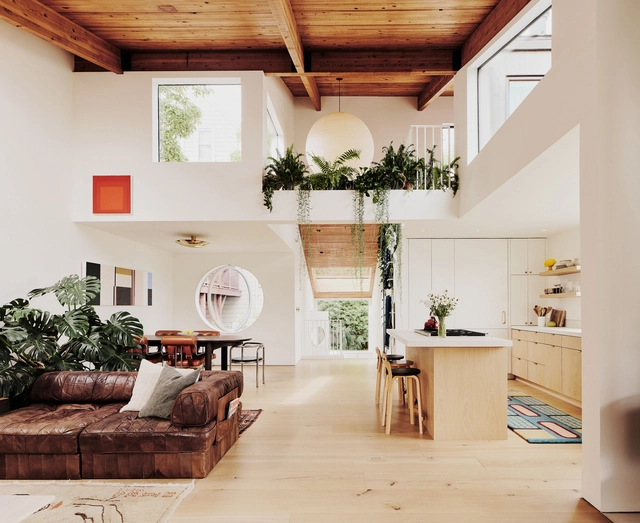
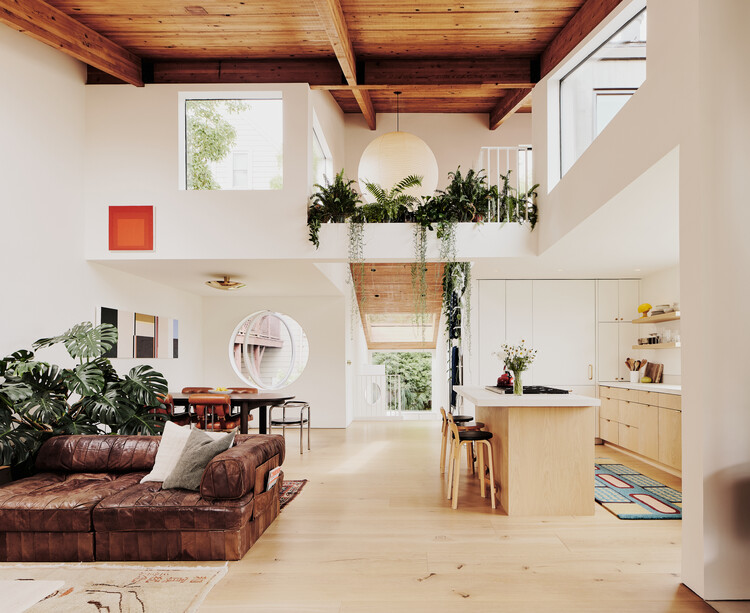
Flower House / Craig Steely Architecture - Exterior Photography, HousesFlower House / Craig Steely Architecture - Exterior Photography, HousesFlower House / Craig Steely Architecture - Interior Photography, Houses, Stairs, ChairFlower House / Craig Steely Architecture - Interior Photography, Houses, Bedroom, LightingFlower House / Craig Steely Architecture - More Images+ 22

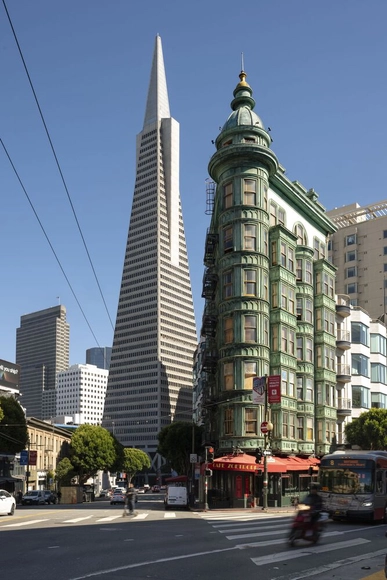
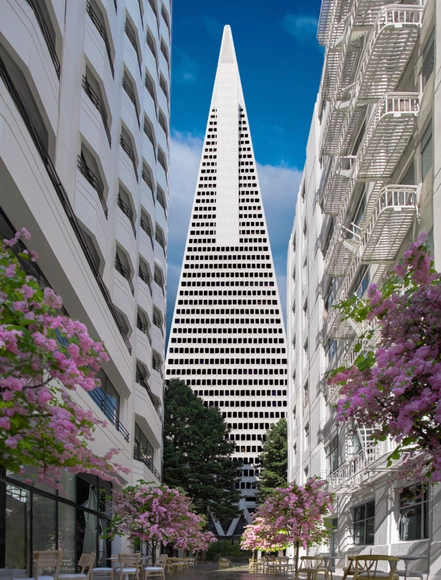
Transamerica Pyramid Center / Foster + Partners

Transamerica Pyramid Center / Foster + Partners - Exterior Photography, SkyscrapersTransamerica Pyramid Center / Foster + Partners - Interior Photography, SkyscrapersTransamerica Pyramid Center / Foster + Partners - Interior Photography, SkyscrapersTransamerica Pyramid Center / Foster + Partners - Exterior Photography, Skyscrapers, CityscapeTransamerica Pyramid Center / Foster + Partners - More Images+ 18

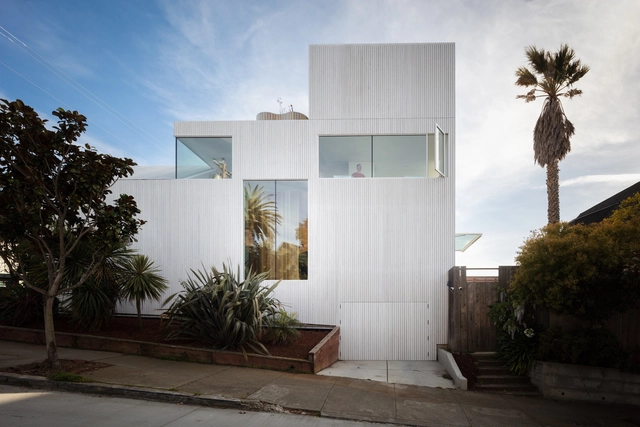
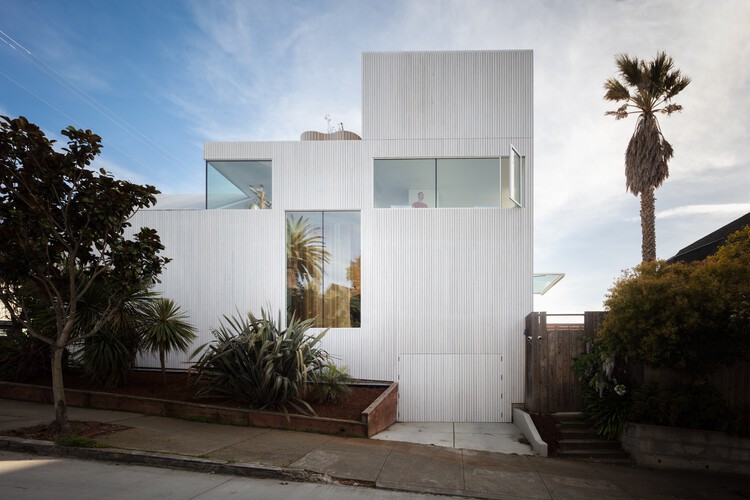
Hosono House / Ryan Leidner Architecture

Hosono House / Ryan Leidner Architecture - HousesHosono House / Ryan Leidner Architecture - HousesHosono House / Ryan Leidner Architecture - HousesHosono House / Ryan Leidner Architecture - HousesHosono House / Ryan Leidner Architecture - More Images+ 19

San Francisco, United States

On Juneteenth, Discover 8 Museums and Cultural Institutions Dedicated to African American History and Culture

Subscriber Access | 

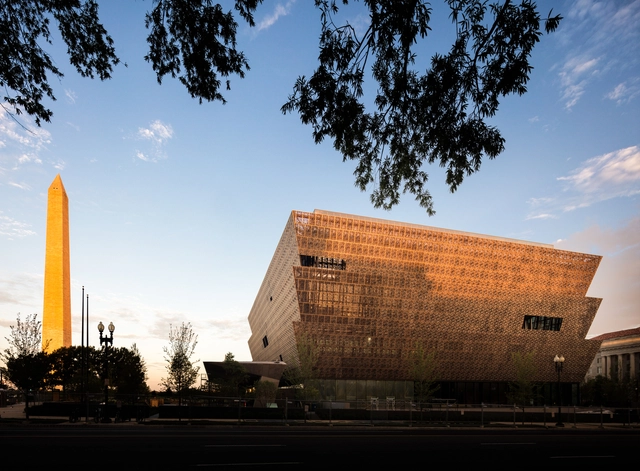
Juneteenth, observed annually on June 19th, commemorates the emancipation of enslaved African Americans in the United States, marking a moment of liberation and reflection on a complex and often overlooked history. Originally celebrated in Texas, Juneteenth has grown to symbolize broader themes of freedom, resilience, and cultural identity, fostering conversations about justice and representation. This day also presents an opportunity to highlight the ways in which architecture can serve as a medium for preserving and presenting African American history and cultural values.

Architecture, beyond its functional and aesthetic qualities, can reflect and collect narratives, values, and hidden histories, giving a tangible and visual presence to communities often underrepresented in cityscapes. Buildings dedicated to African American history and culture become physical landmarks that anchor these stories within the daily life of cities. They serve as places of learning, reflection, and celebration, creating meaningful spaces that engage the public and foster a sense of communal identity.

On Juneteenth, Discover 8 Museums and Cultural Institutions Dedicated to African American History and Culture - Image 1 of 4On Juneteenth, Discover 8 Museums and Cultural Institutions Dedicated to African American History and Culture - Image 2 of 4On Juneteenth, Discover 8 Museums and Cultural Institutions Dedicated to African American History and Culture - Image 3 of 4On Juneteenth, Discover 8 Museums and Cultural Institutions Dedicated to African American History and Culture - Image 4 of 4On Juneteenth, Discover 8 Museums and Cultural Institutions Dedicated to African American History and Culture - More Images+ 9

Brutalism and Bureaucracy: An Architectural Language of Authority in the Postwar United States

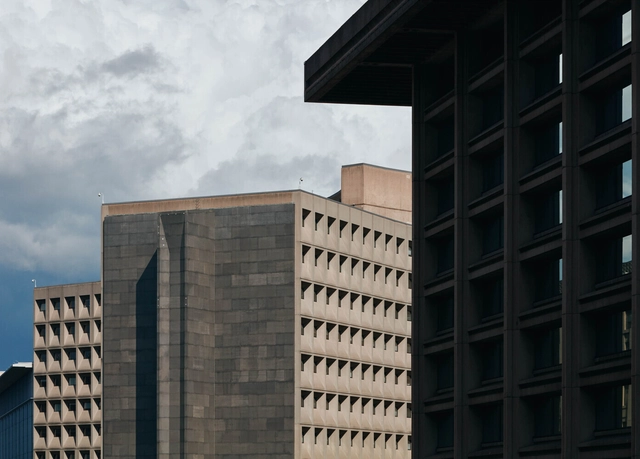
Brutalist architecture in the United States is a monument to collective postwar optimism and reassurance that the city and federal governments are in authority. Conceived as an embodiment of strength and efficiency, Brutalist structures were quickly adopted for the architectural language of civic and governmental institutions in the mid-to-late twentieth century in the United States. Towering monoliths of raw concrete rose across the nation, projecting an image of institutional permanence while simultaneously provoking debate over their social and psychological impact.

Brutalism and Bureaucracy: An Architectural Language of Authority in the Postwar United States - Image 1 of 4Brutalism and Bureaucracy: An Architectural Language of Authority in the Postwar United States - Image 2 of 4Brutalism and Bureaucracy: An Architectural Language of Authority in the Postwar United States - Image 3 of 4Brutalism and Bureaucracy: An Architectural Language of Authority in the Postwar United States - Image 4 of 4Brutalism and Bureaucracy: An Architectural Language of Authority in the Postwar United States - More Images+ 7

Waterfronts, Heritage, and Innovation: Recent Highlights from BIG, Gehl, and More in Architecture Now

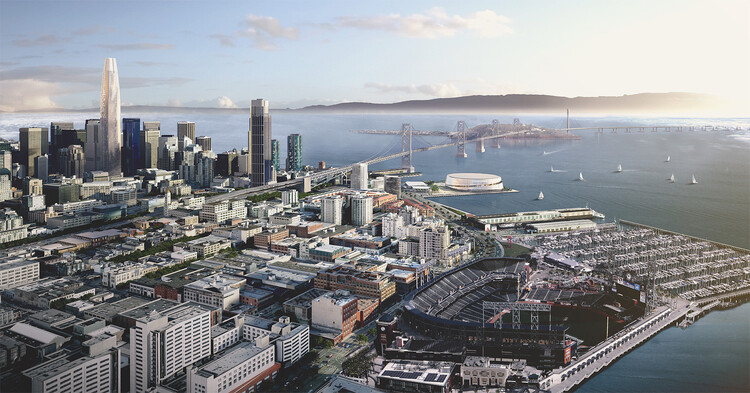
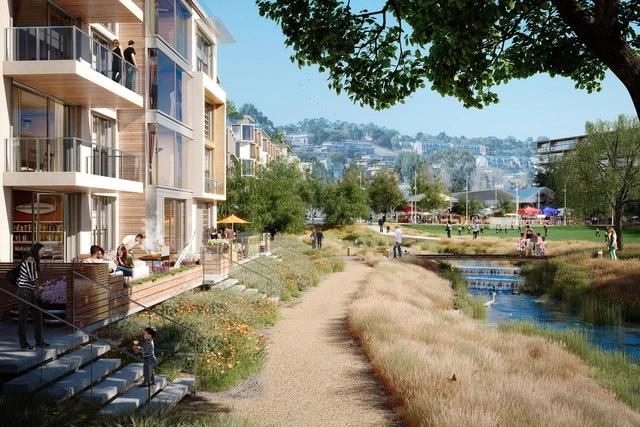
This month, architecture has addressed a wide array of themes, from preserving cultural heritage to designing for adaptability. Around the world, architects are responding to changing needs with solutions that aim to prioritize both functionality and the environment. Notable examples include Gehl, SOM, and Bionic's ambitious redevelopment of San Francisco's India Basin waterfront, which reimagines urban living in harmony with nature, and VOID Studios' collaboration on Kenya's Masai Mara Conservation Centre, a project deeply rooted in ecological and cultural sensitivity. Elsewhere, Nokken and BIG unveiled their "Softshell structure," offering a flexible option for hospitality and residential markets. Meanwhile, the transformation of The Raleigh in Miami Beach by Peter Marino aims to preserve the site's heritage while introducing new standards. These projects, among others, reflect the ever-evolving priorities of the field. Read on to discover the latest news shaping the architectural world.

Waterfronts, Heritage, and Innovation: Recent Highlights from BIG, Gehl, and More in Architecture Now - Image 1 of 4Waterfronts, Heritage, and Innovation: Recent Highlights from BIG, Gehl, and More in Architecture Now - Image 2 of 4Waterfronts, Heritage, and Innovation: Recent Highlights from BIG, Gehl, and More in Architecture Now - Image 3 of 4Waterfronts, Heritage, and Innovation: Recent Highlights from BIG, Gehl, and More in Architecture Now - Featured ImageWaterfronts, Heritage, and Innovation: Recent Highlights from BIG, Gehl, and More in Architecture Now - More Images+ 4

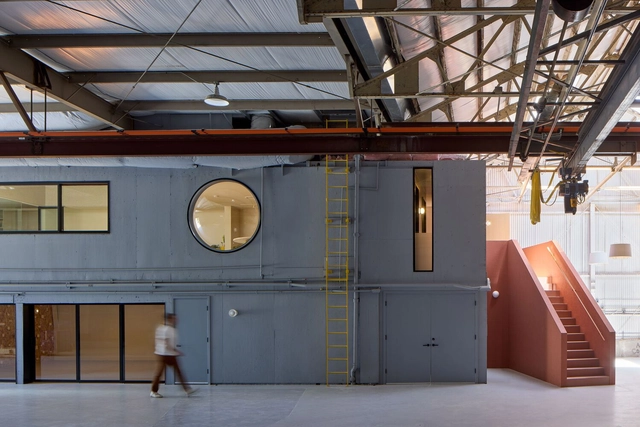
Crane Cove Warehouse / Obata Noblin Office

Crane Cove Warehouse / Obata Noblin Office - Interior Photography, Office Buildings, Stairs, Beam, LightingCrane Cove Warehouse / Obata Noblin Office - Interior Photography, Office Buildings, Lighting, TableCrane Cove Warehouse / Obata Noblin Office - Interior Photography, Office Buildings, Bedroom, Lighting, BedCrane Cove Warehouse / Obata Noblin Office - Interior Photography, Office Buildings, LightingCrane Cove Warehouse / Obata Noblin Office - More Images+ 24

  • Area Area of this architecture project Area:  10750 ft²
  • Year Completion year of this architecture project Year:  2024

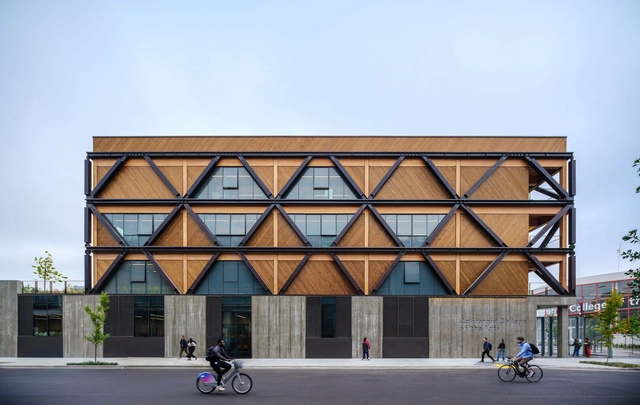
California College of the Arts / Studio Gang

California College of the Arts / Studio Gang - UniversityCalifornia College of the Arts / Studio Gang - Exterior Photography, University, FacadeCalifornia College of the Arts / Studio Gang - UniversityCalifornia College of the Arts / Studio Gang - UniversityCalifornia College of the Arts / Studio Gang - More Images+ 19

San Francisco, United States

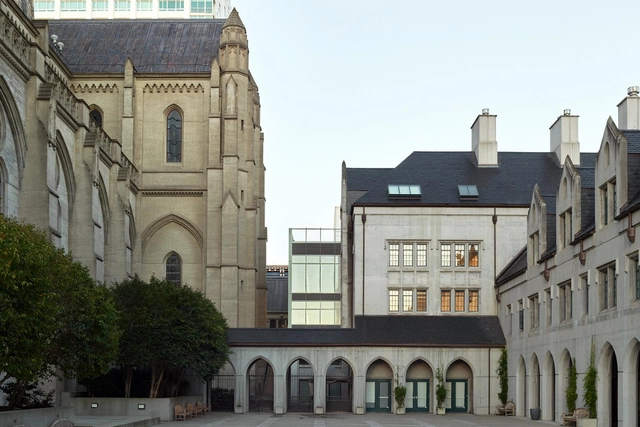
Cathedral School for Boys / The Office of Charles F. Bloszies

Cathedral School for Boys / The Office of Charles F. Bloszies - Exterior Photography, Educational Architecture, FacadeCathedral School for Boys / The Office of Charles F. Bloszies - Educational ArchitectureCathedral School for Boys / The Office of Charles F. Bloszies - Interior Photography, Educational Architecture, Table, Chair, LightingCathedral School for Boys / The Office of Charles F. Bloszies - Interior Photography, Educational ArchitectureCathedral School for Boys / The Office of Charles F. Bloszies - More Images+ 13

  • Area Area of this architecture project Area:  18000 ft²
  • Year Completion year of this architecture project Year:  2022
  • Manufacturers Brands with products used in this architecture project
    Manufacturers:  Interface, Armstrong Woodworks, Caesarstone, Mecho Systems, NanaWall, +5

Architecture Collaborations: What are Public-Private-Partnerships?

In recent years, Public-Private Partnerships (PPPs) have become a significant model for delivering large-scale infrastructure projects around the world. These partnerships bring together the strengths of both the public sector, represented by governments or municipalities, and the private sector, combining their resources, expertise, and investment power. In the context of architecture and urban development, PPPs are increasingly being used to address the complex needs of growing cities, helping to finance, build, and maintain critical projects that would be difficult for either sector to accomplish alone. But what exactly are PPPs, and how do they function in the built environment? This article explores the concept of PPPs, providing examples from across the globe to illustrate how these partnerships are shaping the future of urban spaces, sometimes beyond commercial gains. Furthermore, by exploring the different projects, the article aims to develop a framework around PPPs' positive and negative potential impacts.

Architecture Collaborations: What are Public-Private-Partnerships? - Image 1 of 4Architecture Collaborations: What are Public-Private-Partnerships? - Image 2 of 4Architecture Collaborations: What are Public-Private-Partnerships? - Image 3 of 4Architecture Collaborations: What are Public-Private-Partnerships? - Image 4 of 4Architecture Collaborations: What are Public-Private-Partnerships? - More Images+ 3

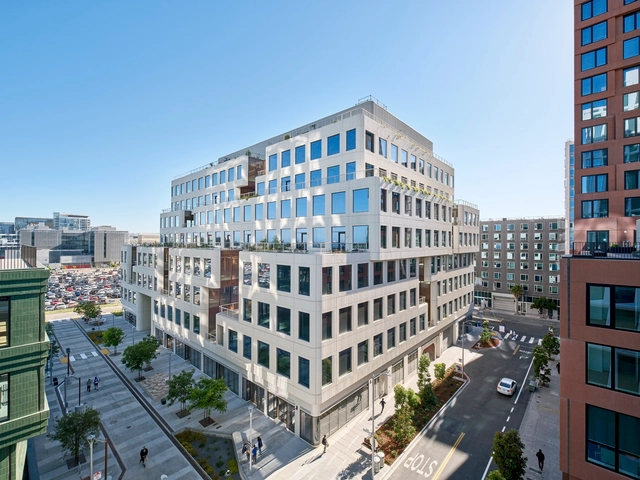
Mission Rock Building B / WORKac

Mission Rock Building B / WORKac - Exterior Photography, Residential Architecture, FacadeMission Rock Building B / WORKac - Exterior Photography, Residential Architecture, FacadeMission Rock Building B / WORKac - Exterior Photography, Residential Architecture, FacadeMission Rock Building B / WORKac - Interior Photography, Residential Architecture, Kitchen, FacadeMission Rock Building B / WORKac - More Images+ 34

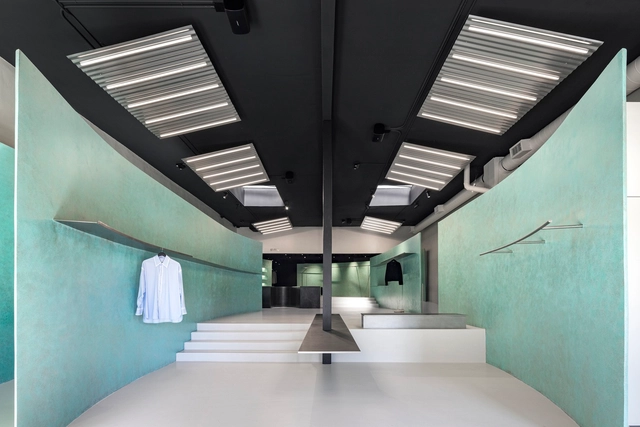
SVRN San Francisco / WGNB

SVRN San Francisco / WGNB - Retail InteriorsSVRN San Francisco / WGNB - Interior Photography, Retail Interiors, LightingSVRN San Francisco / WGNB - Interior Photography, Retail Interiors, StairsSVRN San Francisco / WGNB - Retail InteriorsSVRN San Francisco / WGNB - More Images+ 25

  • Architects: WGNB
  • Area Area of this architecture project Area:  200
  • Year Completion year of this architecture project Year:  2024

Zero Waste Cities: Urban Strategies from San Francisco and Singapore

Subscriber Access | 

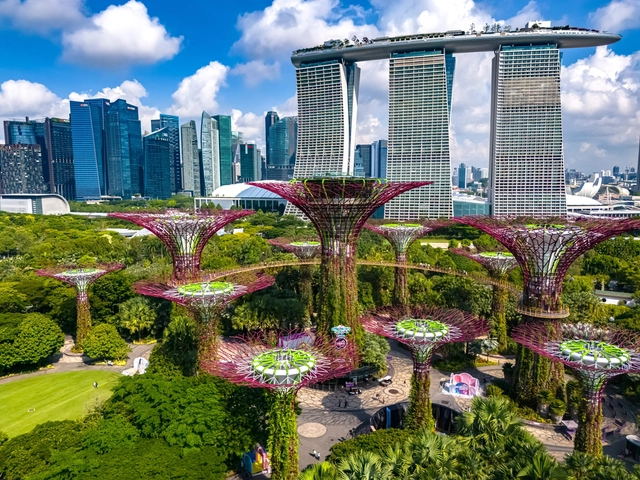
With expanding urban populations and evolving consumption patterns, cities are faced with challenges pertaining to waste management. Traditional approaches centered on collection and disposal currently seem inadequate in the face of serious environmental concerns and resource scarcity. Waste management has become a focused topic to address, being introduced as a key strategy towards circular economies. The Zero Waste concept hopes to transform the way cities manage urban waste and build supportive cultures around it.

Zero Waste Cities: Urban Strategies from San Francisco and Singapore  - Image 1 of 4Zero Waste Cities: Urban Strategies from San Francisco and Singapore  - Image 2 of 4Zero Waste Cities: Urban Strategies from San Francisco and Singapore  - Image 3 of 4Zero Waste Cities: Urban Strategies from San Francisco and Singapore  - Image 4 of 4Zero Waste Cities: Urban Strategies from San Francisco and Singapore  - More Images+ 5

Foster + Partners' Completes Long-Awaited Renovation of Transamerica Pyramid in San Fransisco, United States

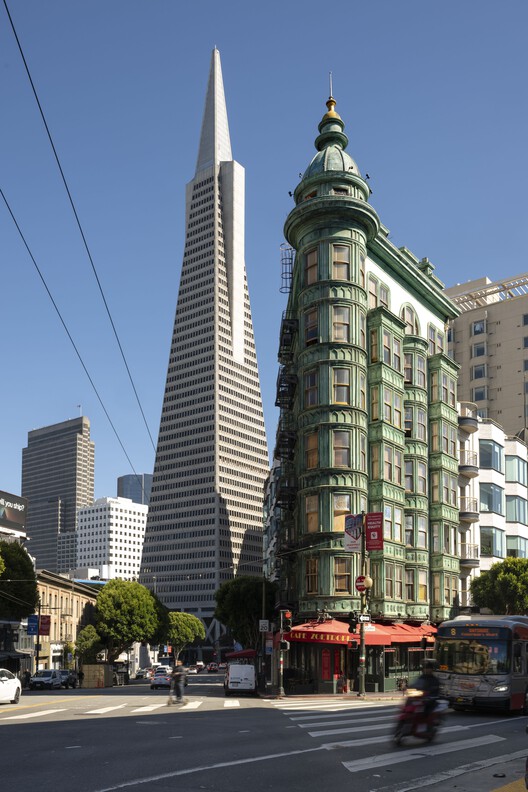
The Transamerica Pyramid Center has just announced the completion of the long-awaited Foster + Partners led renovation in San Francisco, United States. An iconic landmark of San Francisco's skyline since its completion in 1972, has been undergoing its most significant renovation to date. Originally designed by American architect William Pereira in a Brutalist style, the 48-story tower was the tallest building in San Francisco for nearly 50 years. This renovation will also include enhancements to the adjacent buildings.

Foster + Partners' Completes Long-Awaited Renovation of Transamerica Pyramid in San Fransisco, United States - Image 1 of 4Foster + Partners' Completes Long-Awaited Renovation of Transamerica Pyramid in San Fransisco, United States - Image 2 of 4Foster + Partners' Completes Long-Awaited Renovation of Transamerica Pyramid in San Fransisco, United States - Image 3 of 4Foster + Partners' Completes Long-Awaited Renovation of Transamerica Pyramid in San Fransisco, United States - Image 4 of 4Foster + Partners' Completes Long-Awaited Renovation of Transamerica Pyramid in San Fransisco, United States - More Images+ 3

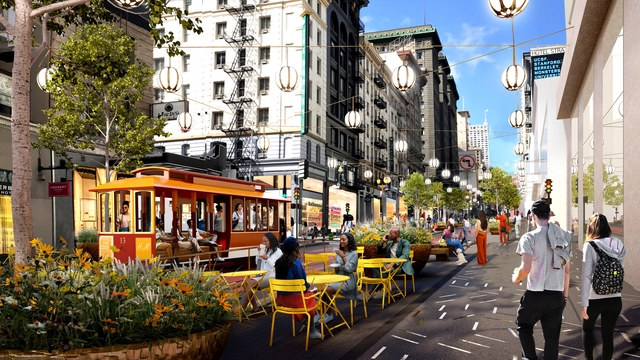
Field Operations and SITELAB Reveal Urban Design Plan to Revive One of San Francisco’s Iconic Streets

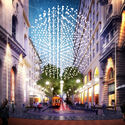
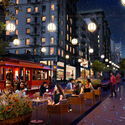
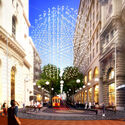
SITELAB urban studio and Field Operations have revealed a design proposal to reimagine San Francisco’s iconic Powell Street. The street used to be one of the busiest pedestrian corridors in its district and a popular tourist attraction, with cable cars running up and down the street and connecting Union Square and Hallidie Plaza. Across the most popular three-block stretch, the storefronts have become mostly vacant. According to the San Francisco Chronicle, one of the reasons was the Covid pandemic, which led to a further decrease in tourism and in commercial activities. Now a new project led by designers SITELAB urban studio and Field Operations aims to revive the now underutilized transit corridor and to catalyze a renewed interest in the area.


Field Operations and SITELAB Reveal Urban Design Plan to Revive One of San Francisco’s Iconic Streets - Image 1 of 4Field Operations and SITELAB Reveal Urban Design Plan to Revive One of San Francisco’s Iconic Streets - Image 2 of 4Field Operations and SITELAB Reveal Urban Design Plan to Revive One of San Francisco’s Iconic Streets - Image 3 of 4Field Operations and SITELAB Reveal Urban Design Plan to Revive One of San Francisco’s Iconic Streets - Image 4 of 4Field Operations and SITELAB Reveal Urban Design Plan to Revive One of San Francisco’s Iconic Streets - More Images+ 1