The future of cities has long been defined by intelligence: networks of sensors, data, and engineered systems. From traffic-flow algorithms to climate dashboards, the smart city promised to make urban life optimized, measurable, and predictable. Yet amid this technological abundance, something essential feels absent: sensitivity. Cities are becoming increasingly equipped to process information but less able to perceive atmosphere, emotion, or care.
As recent global debates on urban innovation reveal, the next challenge is not about adding more devices but cultivating new forms of awareness. A sensitive city listens to its climate, adapts to its inhabitants, and responds to the subtle rhythms of the environment. In this shift from computation to perception, architecture and urban design are rediscovering intelligence as a form of empathy.
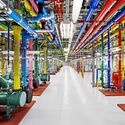
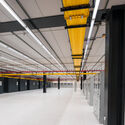
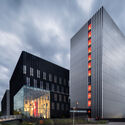
As the AI fervor continues to reshape how people see the world, 2025 looms as yet another year in the march toward technological advancement. While some worry about the dominance of technology in society, architects are shifting their attention to the foundations of a digital future: data centers. The design of data centers challenges designers to reconcile the demands of technological functionality with the principles of architectural excellence. As the dependence on cloud computing, IoT ecosystems, and big data analytics deepens, data center architecture demands more attention. As data consumption skyrockets, data center consumption rates match the demand. These structures were once relegated to nondescript industrial zones, but are now becoming integral components of urban and suburban environments. While some community members are upset about the encroachment of data centers in their localities, others see them as indicators of economic development.
"The limits of our design language are the limits of our design thinking". Patrik Schumacher's statement subtly hints at a shift occurring in the built environment, moving beyond technological integration to embrace intelligence in the spaces and cities we occupy. The future proposes a possibility of buildings serving functions beyond housing human activity to actively participate in shaping urban life.
Caleb Whiting dogbear869, CC0, via Wikimedia Commons
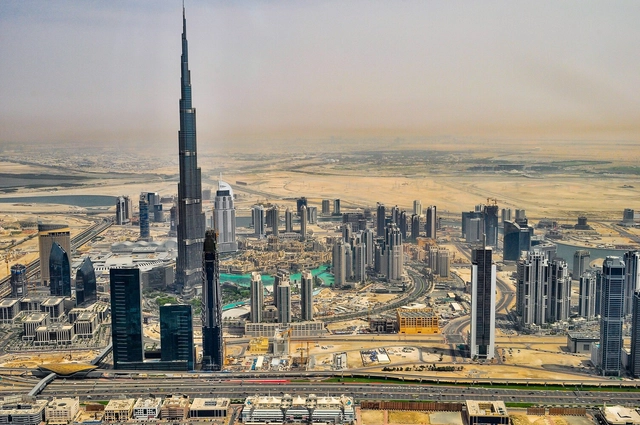
Dubai has evolved from a humble trading port into a global metropolis renowned for its futuristic skyline and pioneering architectural feats. In the early 20th century, its landscape was shaped by traditional Arab homes featuring internal courtyards and wind towers, designed to endure the harsh arid climate. The discovery of oil in the 1960s marked a turning point, triggering rapid urbanization. Throughout the 1970s and 1980s, a surge in construction, fueled by oil revenues, led to the rise of concrete tower blocks and low-rise apartment complexes, accommodating an influx of expatriates drawn to UAE's booming economy. By the 21st century, the UAE witnessed unparalleled architectural advancements. Landmark projects like the Burj Khalifa—the world's tallest building—and the Palm Jumeirah—an artificial archipelago—transformed the country's skyline, solidifying the UAE's reputation as a global hub of architectural ambition and innovation.
This rapid growth has also brought diverse challenges across the UAE, particularly in housing and the difficulty of ensuring dignified living conditions for the working class. Dubai serves as a striking example of how urban expansion has transformed the country, but different geographies and regions within the UAE have distinct needs, shaped by their local environments and communities. The House of the Future competition—organized by Buildner in partnership with the Sheikh Zayed Housing Programme—calls on visionaries to rethink residential architecture across the UAE. With submissions open until April 30, the competition offers a platform for bold ideas that could shape the homes of tomorrow, addressing the varied demands of different locations.
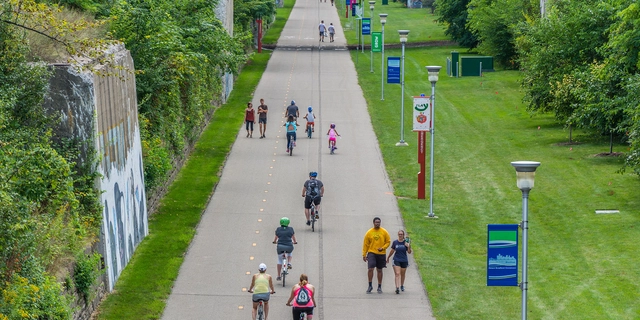
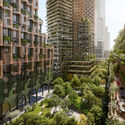
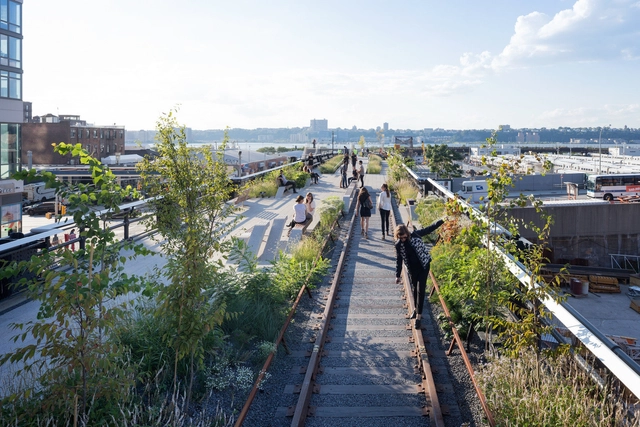
Dequindre Cut, Detroit / The High Line Network, SmithGroup. Image Courtesy of The Dirt
Throughout history, it has become clear that the key to long-lasting and sustainable projects is to lay solid foundations. Our society is headed towards a more urban future in which the density of metropolises will be ever greater. That is why this more urban tomorrow requires modern urban planning capable of building innovative, sustainable and flexible structures. Because the only way to make our society live better is to build better.
Tomorrow.Building World Congress (Barcelona, 5-7 November 2024) is the global event empowering the green and digital transition of buildings and urban infrastructures.
As the world witnesses an unprecedented exodus from rural to urban areas, cities face a monumental challenge: how to accommodate a constantly growing population? This phenomenon, characterized by rapid population growth and increasing density, puts pressure on resources, infrastructure, and urban services. As significant problems demand even larger solutions, it becomes necessary, more than ever, to rethink the tools at our disposal. In this challenging context, the rise of emerging technologies such as the Internet of Things (IoT), data analytics, and artificial intelligence (AI) presents itself as a light at the end of the tunnel. These technologies, initially conceived to simplify everyday tasks and facilitate communication, are potential instruments that enable an effective response to contemporary urban challenges.
Modular construction is a process in which a building is constructed away from its actual site, within controlled factory settings, using identical materials, and adhering to a set of codes and regulations. The methodology was first introduced as a solution in the search for efficient, quality-controlled, and cost-effective building systems. The industrialized building method evolved to meet historical demands and has recently been met with renewed interest. These “modules” are then transported to the construction site and assembled into the final structure, adhering to the same building standards as conventionally built facilities. With potential benefits in terms of waste reduction, energy efficiency, emergency responses, and fast-tracked development, the methodology is gaining traction worldwide.
In recent years, modular construction has emerged as a game-changer in the construction industry, particularly in the Middle East and the Gulf Cooperation Council (GCC) region. With a growing embrace of innovative solutions to address the region’s evolving needs, modular construction has emerged as a compelling alternative. As awareness increases and technological advancements increase, modular construction may offer a viable alternative to traditional building practices in the GCC region.
Cities are a canvas for architectural creativity and the dynamism of urban life. In recent years, they have taken on an additional role: that of living laboratories for innovative architecture and urban design. International cities have become experimental grounds for architectural technology, sustainable practices, and human-centered design principles to be tested and refined. This paradigm shift has not only transformed the physical aspects of urban environments but has also redefined the relationship between architecture, community, and the built environment.
In April 2023, India achieved a significant milestone that will shape the trajectory of its urbanization going forward. According to data from the United Nations, the South Asian subcontinent is now home to over 1.4286 billion people, overtaking the former leader China’s count of 1.4257 billion. With a population boom that is estimated to grow at a 0.7% rate annually, India faces several challenges and opportunities in its path to becoming a global power.How will India’s rising demography influence its built environment?
Everyone’s experience of a city is unique. Whether one is visiting a place for the first time or has lived there all their life, their experiences are shaped by their personal interactions with the built environment. Buildings, landscapes, and streets come together to offer an opportunity for sensory stimulation, however, most of them are unable to provide inspiration. While a city’s infrastructure accounts for livability, equal importance isn’t given to enjoyability. Play and games embedded in the city’s fabric can help improve user engagement with urban spaces.
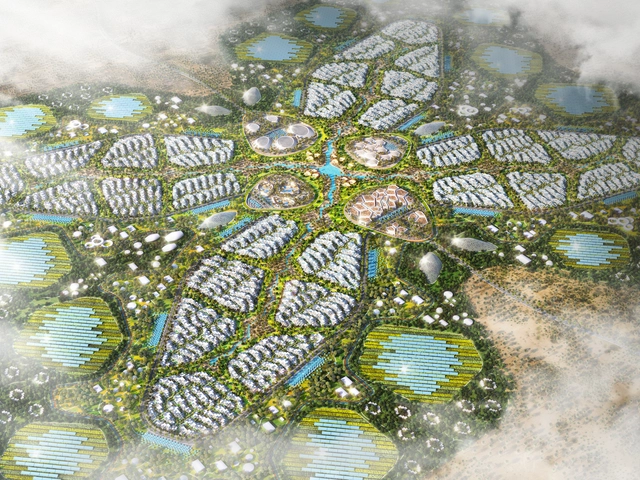
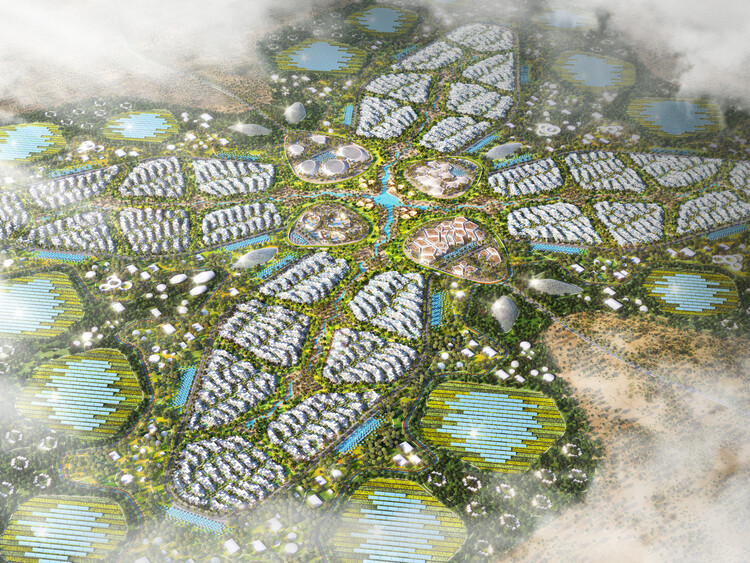
Kuwait is planning a 1,600-hectare development that will provide residential units, jobs, and amenities for 100,000 residents. Developed by URB, the ambitious project aims to promote a sustainable lifestyle with high standards of living, yet a low impact on the environment. The masterplan for the smart city is designed to optimize density and amenities distribution to create a walkable city, while also optimizing the green space ratio. This will help mitigate the effects of rising temperatures and the urban heat island effect. The green transportation systems and dedicated cycling tracks will make this a car-free city, apart from a ring road that allows for limited vehicular access. The city also promotes a circular economy that aims to provide food and energy security for the residents.
If you’re reading this right now, or have read an article on ArchDaily, it’s because you were in a place that enabled you to connect to the internet. Think about a time when you found yourself in a dead zone, where the internet was lagging and you were unable to connect your computer to WiFi to finish an assignment or even without the ability to connect your phone to quickly Google something. You likely dashed to the nearest coffee shop, or place where WiFi was more reliable, just to have the feeling of being online again. The internet, in an ideal world, is equally open to all providing access to knowledge and the ability to easily connect with others. But what happens when you don’t have internet? How is your life impacted if you’re on the wrong side of the digital divide and live in an area without broadband access?
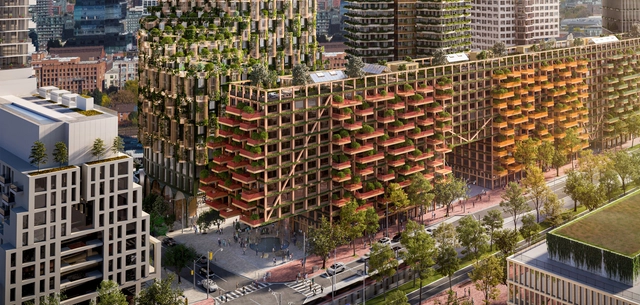
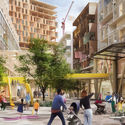
Alison Brooks Architects, Adjaye Associates, Henning Larsen and SLA to Develop Toronto's Waterfront. Image Courtesy of Waterfront Toronto
As more smart cities make their way across the globe, whether it being in countries of the Far East, Latin America, or the Middle East, Toronto is stepping back from the smart city bandwagon, and reassessing its substantial contribution to the community. The Canadian city, which ranked 15th on Global Finance's ranking of the world's best cities to live in for the year 2022, plans on "killing the smart city forever", especially after Quayside's controversial cancellation reasons, questioning its lack of privacy, necessity on an urban scale, and whether people truly want to live in a tech-driven environment.
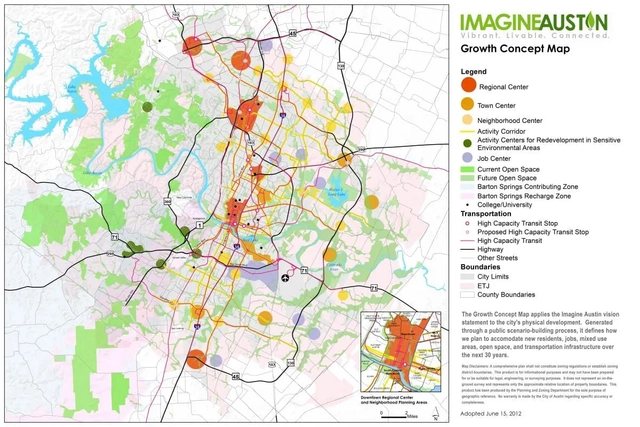
Imagine Austin Growth Concept Map / City of Austin. Image Courtesy of The Dirt
“The planning practices of the past are inadequate for today’s challenges,” said David Rouse, ASLA, a landscape architect and planner, at the American Planning Association‘s National Planning Conference in San Diego. Rapid technological change, socio-economic inequities, natural resource depletion, and climate change are forcing planning and design professionals to adapt. “How can the practice of planning evolve to be more sustainable and equitable?”
https://www.archdaily.com/982475/planners-must-now-anticipate-the-unanticipatedJared Green
Ethical practice spans all parts of architecture. From intersectionality and labor to the climate crisis, a designer must work with a range of conditions and contexts that inform the built environment and the process of its creation. Across cultures, policies and climates, architecture is as much functional and aesthetic as it is political, social, economic, and ecological. By addressing the ethics of practice, designers can reimagine the discipline's impact and who it serves.
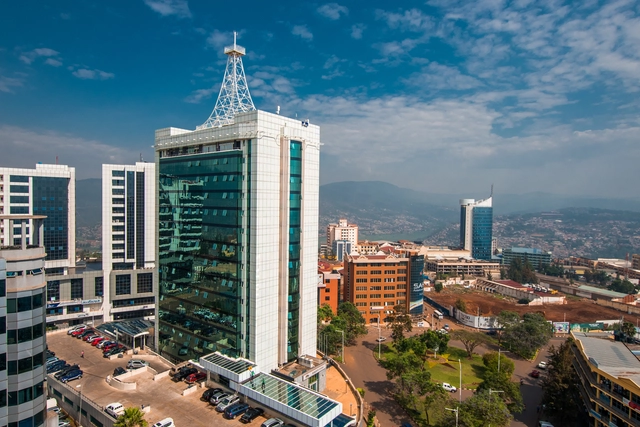
Kigali, Rwanda - September 21, 2018: a wide view looking down on the city centre with Pension Plaza in the foreground and Kigali City Tower in the background against a backdrop of distant blue hills. Image via Shutterstock/ By Jennifer Sophie
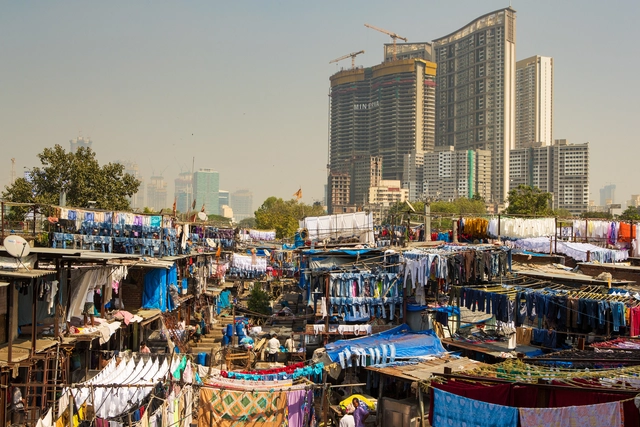
The urban metropolises of our planet are home to an abundance of stories. They are home to stories of wealth, of innovation, and of architectural marvels. They are home, too, to stories of inequality, inequity and of urban divides – places where one’s income determines the quality of the spatial environment around them. Within these stories has developed an increasing advocation for making cities “smarter”, the goal being to use data and digital technology to build more efficient and convenient urban environments.
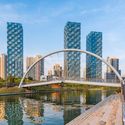
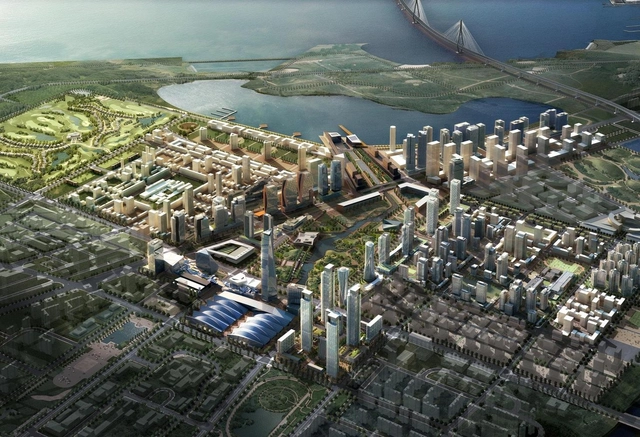
What does it take to build a smart city from nothing? Or maybe the better question is, what does it take to build a smart city from nothing and make it successful? For over a decade, architects and urban planners worked hand in hand to create Songdo, a brand new business district that sought to represent South Korean advancements in technology and infrastructure. Songdo was once a model for how we would live in cities of the future- but now, the reality of what this smart city quickly became has us rethinking how the combination of technology and community might have gone wrong.