1. ArchDaily
  2. Spatial Practice

Spatial Practice: The Latest Architecture and News

Curatorial Work as City-Making: Design Trust’s Marisa Yiu on Exhibitions and Spatial Agency

Subscriber Access | 

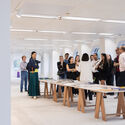
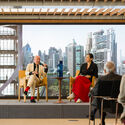
In Hong Kong, where architecture is often driven by real estate logic, infrastructure, and accelerated development, the space for bodily-scaled civic experimentation can be surprisingly narrow. This is where Design Trust has become distinctive. As a grant-making and project-enabling platform, it supports spatial interventions that sit between architecture, research, and public programming—work that is often too modest, collective, or uncertain to fit conventional client–architect pipelines.

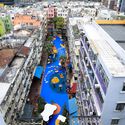
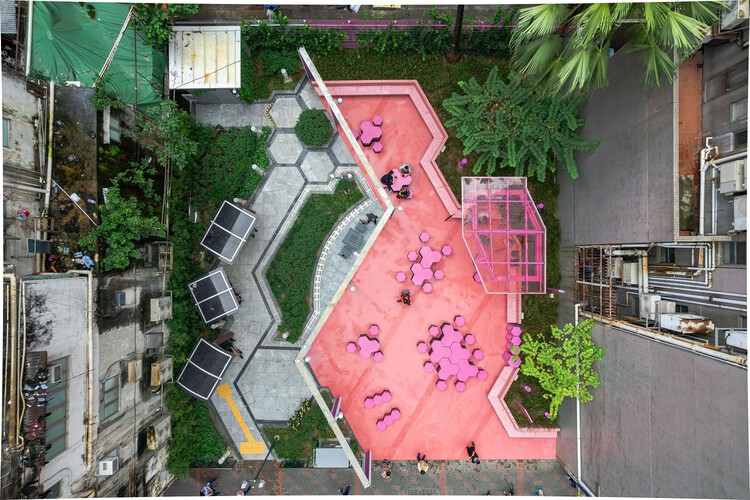
At the center of this work is Marisa Yiu, whose leadership positions Design Trust as both an enabler and a cultural actor. Through initiatives such as Micro-Parks Hong Kong, alongside exhibitions and public programs, the organization treats discourse and prototyping as forms of spatial agency, linking designers, communities, institutions, and policy conversations while foregrounding questions of stewardship, maintenance, and the "afterlife" of public space.
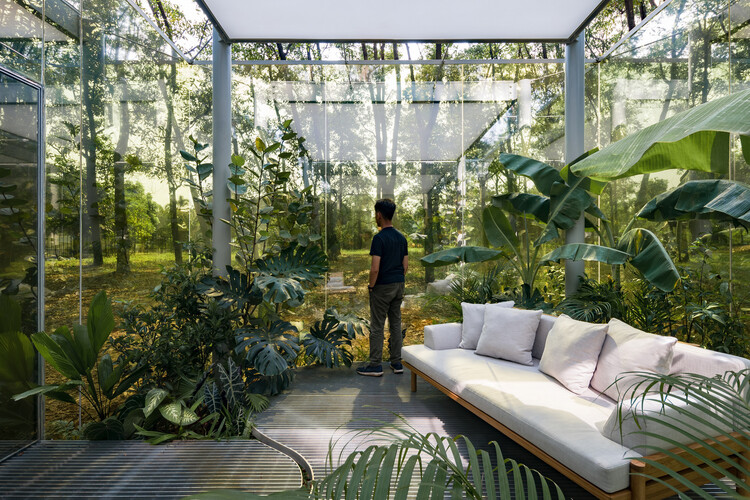
Curatorial Work as City-Making: Design Trust’s Marisa Yiu on Exhibitions and Spatial Agency - Image 1 of 4Curatorial Work as City-Making: Design Trust’s Marisa Yiu on Exhibitions and Spatial Agency - Image 2 of 4Curatorial Work as City-Making: Design Trust’s Marisa Yiu on Exhibitions and Spatial Agency - Image 3 of 4Curatorial Work as City-Making: Design Trust’s Marisa Yiu on Exhibitions and Spatial Agency - Image 4 of 4Curatorial Work as City-Making: Design Trust’s Marisa Yiu on Exhibitions and Spatial Agency - More Images+ 19

Coffee or Tea: Third Places, Kiosks, and the Retail Architecture of Duration

Subscriber Access | 

"Coffee or tea?" is one of those phrases that follows you across contexts: asked on airplanes, after a meal, in hotel lounges, and in meeting rooms. It sounds like a small question—mere preference, a quick fork in the service script. Yet it also carries a quiet cultural inheritance. Tea arrives with the long history of ritual and domestic pacing, tied to older geographies of trade and everyday etiquette. Coffee arrives with a different lineage of circulation, later industrialized into the modern café and its public-facing rituals. In both cases, the drink is never only a drink; it is a practiced relationship to time and space.
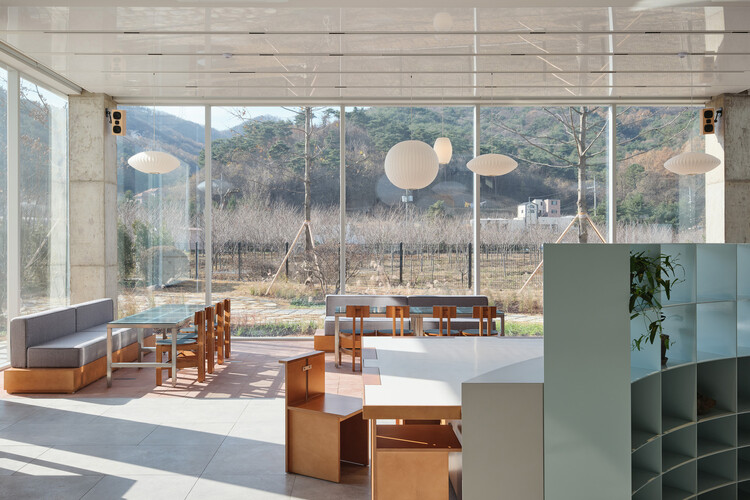
In contemporary East Asia, however, "coffee or tea" increasingly reads as something else: imperceptibly or subconsciously, it is becoming more of a choice about where you want to be. Each beverage now carries a spatial expectation. Coffee implies a room you can occupy—often a place to pause, work, meet, or cool down. Tea, despite being culturally pervasive, appears more diffusely across the city—sometimes as a dedicated destination, sometimes as a high-frequency kiosk, and very often as an embedded default within dining typologies. The result is that a question posed as taste has begun to operate as a subtle indicator of spatial preference: whether you are seeking duration or velocity, enclosure or flow, a third place or a quick node on the street.

Coffee or Tea: Third Places, Kiosks, and the Retail Architecture of Duration  - Image 1 of 4Coffee or Tea: Third Places, Kiosks, and the Retail Architecture of Duration  - Image 2 of 4Coffee or Tea: Third Places, Kiosks, and the Retail Architecture of Duration  - Image 3 of 4Coffee or Tea: Third Places, Kiosks, and the Retail Architecture of Duration  - Image 4 of 4Coffee or Tea: Third Places, Kiosks, and the Retail Architecture of Duration  - More Images+ 28

Evolving Classrooms for Diverse Minds and Futures

 | In Collaboration

Learning something new is, biologically, a transformation of the brain. With each experience, neural connections are reorganized, creating and strengthening synapses. Far more than simply accumulating information, learning is about reconfiguring internal structures, a process that can reshape individuals and societies alike. The environment in which this takes place can cultivate curiosity, adaptability, and emotional resilience, thus supporting our next generation of leaders, or suppress those qualities, leading to withdrawal and isolation.

With the rise of modern schooling during the Industrial Revolution, a standardized model emerged, defined by rows of desks, simultaneous instruction, and visual supervision. Often compared to a factory system, this model still persists in many places despite profound technological shifts. These rigid environments remain even as modern learning demands experimentation and adaptability.

Moving Beyond Metrics Toward Neuroinclusive Daylighting

 | In Collaboration

Loud noises, the continuous hum of equipment, abrupt changes in light, or intense reflections often go unnoticed. For neurodivergent individuals, these stimuli can provoke significant discomfort or even intense physical and cognitive reactions. The term "neurodivergent" refers to people whose neurological functioning differs from what is considered typical, encompassing conditions such as autism, ADHD, and dyslexia, as their brain  processes information differently, particularly in relation to sensory input, attention and emotional regulation. 

Yet light is not only visual, it is neurological. How it enters a space, moves across surfaces, and changes over time can profoundly affect cognitive comfort. Extreme contrasts, glare, direct beam penetration, and rapid variations in brightness require constant adjustment from the visual systems and, for individuals with greater sensory sensitivity, this effort can translate into fatigue, distraction, or discomfort.

Designing for Presence: When Architecture Invites Us to Stay

Architecture is increasingly asked to do less, not more. In environments shaped by constant movement, noise, and expectation, spaces that allow people to stay, pause, and be present have become both rarer and more necessary. Many public and semi-public places are designed to keep people moving, consuming, or reacting, leaving little room for lingering, observation, or simply being without a reason.

In response, a growing body of work is shifting attention away from activation and toward presence. Rather than asking users to interact or participate, these spaces create conditions that support staying. Comfort, continuity, and openness allow people to remain without pressure or obligation, making presence a spatial quality rather than an activity.

Designing for Presence: When Architecture Invites Us to Stay - Image 1 of 4Designing for Presence: When Architecture Invites Us to Stay - Image 2 of 4Designing for Presence: When Architecture Invites Us to Stay - Image 3 of 4Designing for Presence: When Architecture Invites Us to Stay - Image 4 of 4Designing for Presence: When Architecture Invites Us to Stay - More Images+ 25

When Eating Becomes Spatial: 14 Projects Built Around Shared Meals

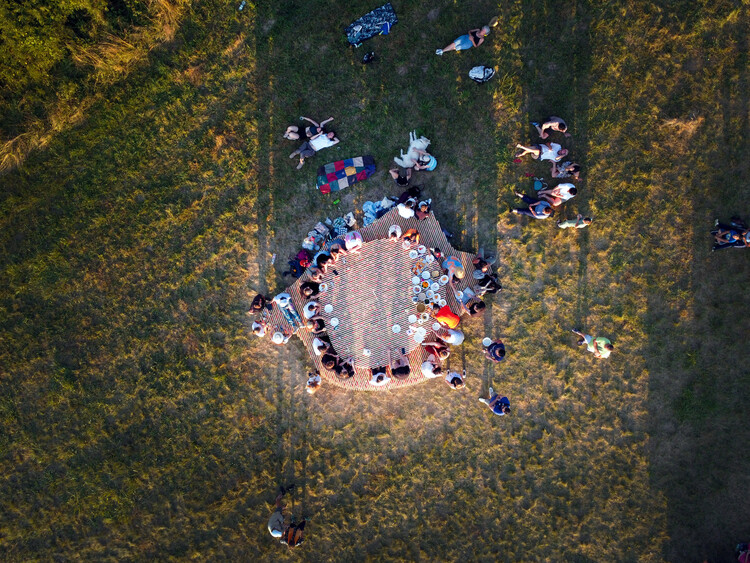
In recent years, food has taken on a renewed role within architecture, not simply as a program or typology, but as a shared spatial practice. Beyond restaurants or dining design, communal eating spaces are increasingly understood as environments where presence, ritual, and time intersect, allowing people to gather, stay, and coexist. In these settings, eating does not just happen within space; it actively shapes it, temporarily transforming ordinary, borrowed, or improvised environments into places of exchange.

This shift is visible across a wide range of built projects, installations, and community spaces that use shared meals as a way of bringing people together. Initiatives such as Fondo Supper Club frame dining as a social platform, using food to connect artists, designers, and local communities through conversation and collaboration. Similarly, sit.feast, presented during Milan Design Week 2024, approached the table as a spatial installation, one where sitting and eating together became the primary means of collectively producing space.

When Eating Becomes Spatial: 14 Projects Built Around Shared Meals - Image 1 of 4When Eating Becomes Spatial: 14 Projects Built Around Shared Meals - Image 2 of 4When Eating Becomes Spatial: 14 Projects Built Around Shared Meals - Image 3 of 4When Eating Becomes Spatial: 14 Projects Built Around Shared Meals - Image 4 of 4When Eating Becomes Spatial: 14 Projects Built Around Shared Meals - More Images+ 16

Architectural Authorship in the Age of the Collective Practices

Subscriber Access | 

This article is part of our new Opinion section, a format for argument-driven essays on critical questions shaping our field.

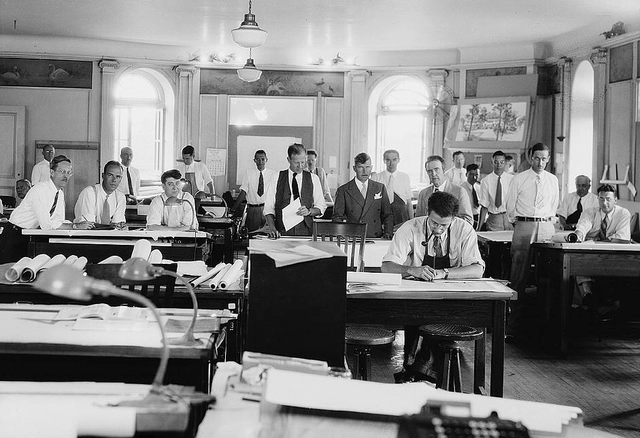
Who designs architecture today? In a professional landscape increasingly defined by collaborative workflows, generative software, and distributed teams, the figure of the architect as a singular creative author feels both anachronistic and inadequate. This article argues that architectural authorship is no longer an individual act, but a collective and distributed condition shaped by institutions, technologies, and shared forms of labor. The transition from individual to collective authorship is not simply a consequence of larger offices or digital tools; it signals a deeper structural shift in how architecture is produced, communicated, and validated.

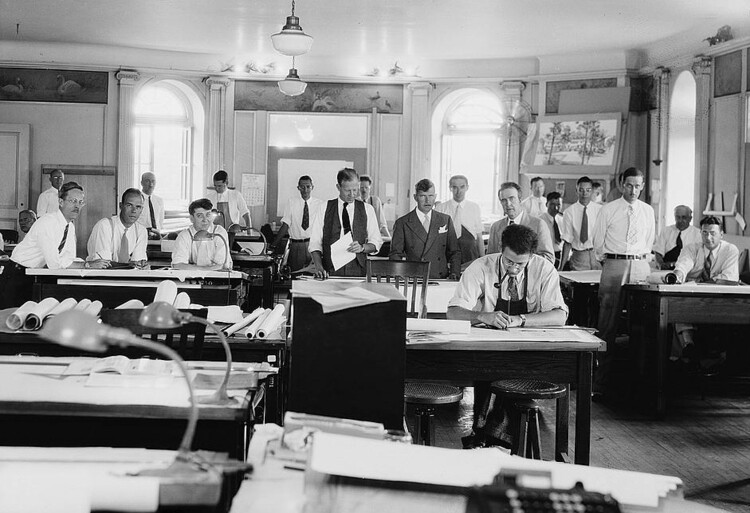
Architectural Authorship in the Age of the Collective Practices - Image 1 of 4Architectural Authorship in the Age of the Collective Practices - Image 2 of 4Architectural Authorship in the Age of the Collective Practices - Image 3 of 4Architectural Authorship in the Age of the Collective Practices - Image 5 of 4Architectural Authorship in the Age of the Collective Practices - More Images+ 23

Learning from Artists: New Perspectives on Public Space

Public space has long been central to architectural thought, often framed in terms of planning, infrastructure, and regulation. From Haussmann's Paris to contemporary masterplans, architects have worked to define and formalise collective life through spatial tools. Yet, outside of these frameworks, artists have continuously offered alternative ways of understanding and inhabiting public space—ways that rely not on construction or permanence, but on presence, perception, and participation. Through actions, objects, or atmospheres, artists engage the city as a site of friction and imagination. These gestures challenge architectural conventions and invite artists to reconsider public space not as a solved form, but as a contingent and open process.

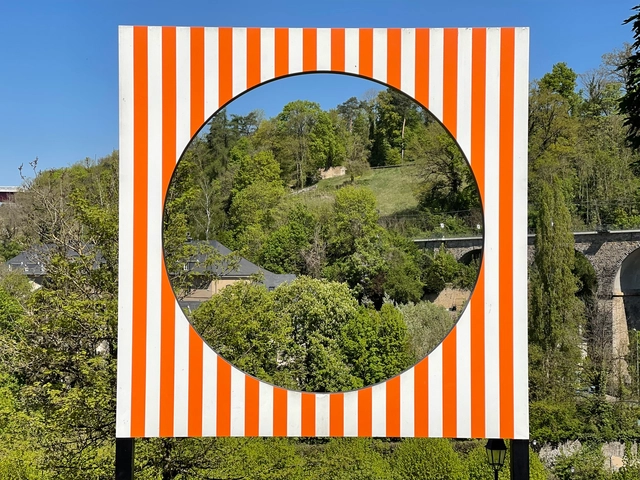
Learning from Artists: New Perspectives on Public Space - Image 1 of 4Learning from Artists: New Perspectives on Public Space - Image 2 of 4Learning from Artists: New Perspectives on Public Space - Image 3 of 4Learning from Artists: New Perspectives on Public Space - Image 4 of 4Learning from Artists: New Perspectives on Public Space - More Images+ 18

Leading with Daylight: A Glimpse Inside the House by the Garden of Venus

 | Sponsored Content

An ancestral house in the rural village of Willendorf in der Wachau stands watch over a grove of fruit trees. The trees have stood for generations and, to this day, provide the fruit which is the basis of the family business. Bound on one side by the river Danube and the other by valley's edge, both house and grove have witnessed the passage of countless seasons together. With each progression between darkness and light, from winter to summer, comes the inevitability of change.

Netherlands on the Drawing Board: Exploring the Past and Present Futures of Dutch Architecture and Planning

Internationally, the Netherlands is recognized as a country willing to experiment at a large scale, to devise state-wide systems to protect its land and improve the quality of life for its citizens. Provocative proposals from architects and urban planners such as Gerrit Rietveld, Piet Blom, Rem Koolhaas, and the Office for Metropolitan Architecture (OMA), have had an international impact, as they often challenge traditional ways of practice.

Still, the country faces expected and unexpected challenges, from an acute housing shortage to raising concerns regarding climate change and shifting ideas of ecology. In the words of curator Suzanne Mulder, the country is “once again on the drawing board,” as architects, urban planners, and designers are reopening conversations about the future by looking at past lessons. To come to their help, Rotterdam’s Nieuwe Instituut is organizing the exhibition ‘Designing the Netherlands: 100 Years of Past & Present Futures.’

Netherlands on the Drawing Board: Exploring the Past and Present Futures of Dutch Architecture and Planning - Image 1 of 4Netherlands on the Drawing Board: Exploring the Past and Present Futures of Dutch Architecture and Planning - Image 2 of 4Netherlands on the Drawing Board: Exploring the Past and Present Futures of Dutch Architecture and Planning - Image 3 of 4Netherlands on the Drawing Board: Exploring the Past and Present Futures of Dutch Architecture and Planning - Image 4 of 4Netherlands on the Drawing Board: Exploring the Past and Present Futures of Dutch Architecture and Planning - More Images+ 29

Spacon & X: Pioneering Experience-Based Architecture Through Defying Industry Norms

Spacon & X is a Copenhagen-based design and architecture studio that works to create spatial identity across different mediums. Their cross-disciplinary work boasts a fusion between traditionally separated fields, contributing to a holistic physical brand experience. Chosen by ArchDaily as part of our 2023 New Practices, the studio works with an explorative approach to architecture, design, event planning, and production.
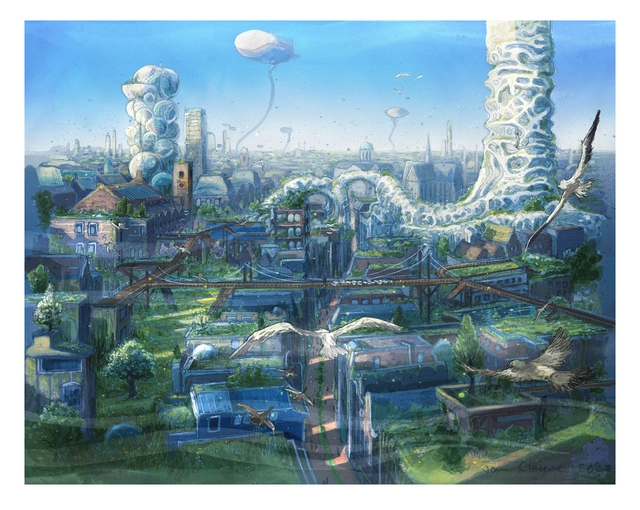
The studio is run by three partners who each come from different backgrounds: Architecture, Fashion Design, and Scenographic Design. In an interview with Nikoline Dyrup Carlsen, Svend Jacob Pedersen, and Malene Hvidt, ArchDaily delves into their practice, exploring their distinct skill sets and their collaborative and exploratory work ethic. The interview also goes beyond the practice, discussing their unique methodology and commercial business development strategy. Housing 25 employees with various backgrounds, the studio includes architects, carpenters, building constructors, and craft makers and is dedicated to pushing the boundaries of design and architecture.

Spacon & X: Pioneering Experience-Based Architecture Through Defying Industry Norms - Image 1 of 4Spacon & X: Pioneering Experience-Based Architecture Through Defying Industry Norms - Image 2 of 4Spacon & X: Pioneering Experience-Based Architecture Through Defying Industry Norms - Image 3 of 4Spacon & X: Pioneering Experience-Based Architecture Through Defying Industry Norms - Image 4 of 4Spacon & X: Pioneering Experience-Based Architecture Through Defying Industry Norms - More Images+ 3

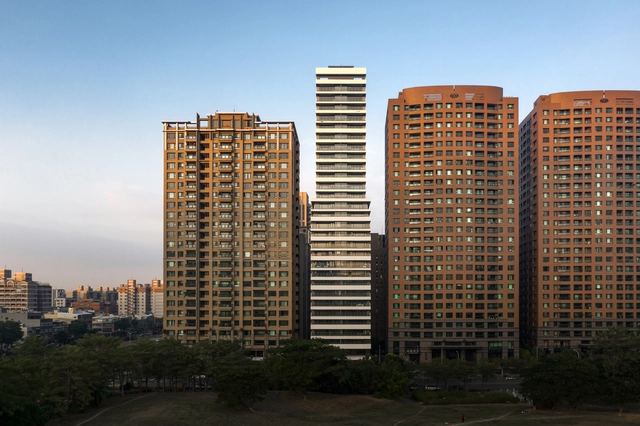
Taiwan's One More Residential Tower by Spatial Practice Captured Through the Lens of Kris Provoost

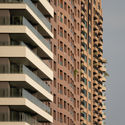
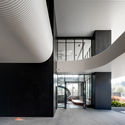
Taiwan's One More residential tower by Spatial Practice has been captured through a series of new photographs by Kris Provoost. The 100 meter tall concrete tower is composed of 53 two-bedroom units with open kitchen and living room views toward the nearby park. The design was made to break from the monotony of the neighboring typical residential typology with simple bands that vary in height.

Taiwan's One More Residential Tower by Spatial Practice Captured Through the Lens of Kris Provoost - Image 1 of 4Taiwan's One More Residential Tower by Spatial Practice Captured Through the Lens of Kris Provoost - Image 2 of 4Taiwan's One More Residential Tower by Spatial Practice Captured Through the Lens of Kris Provoost - Image 3 of 4Taiwan's One More Residential Tower by Spatial Practice Captured Through the Lens of Kris Provoost - Image 4 of 4Taiwan's One More Residential Tower by Spatial Practice Captured Through the Lens of Kris Provoost - More Images+ 14