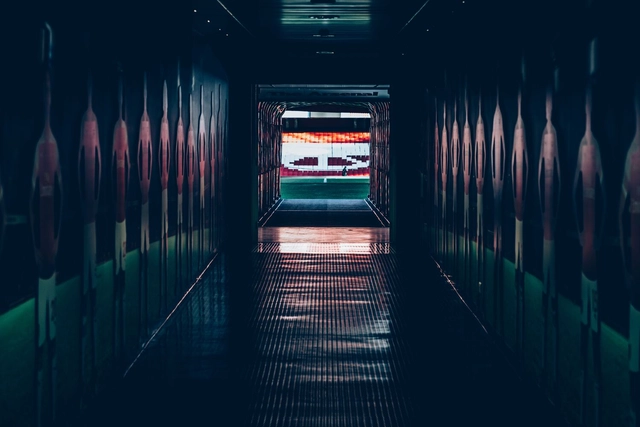
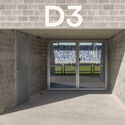
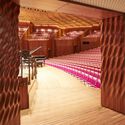
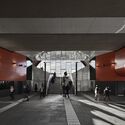
The vomitorium and its purpose is one of historical architecture’s most common misconceptions. It’s said that the vomitorium was a room that neighbored Roman feasts, where guests could socially eject the contents of their stomach before returning to the feast with renewed capacity. Although this theory was not entirely based on fiction – as Romans are known to have indeed taken up habitual regurgitation, possibly as a sign of excess wealth – there’s no reason to believe there was a specific room dedicated to the practice.
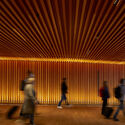
The original usage of the term ‘vomitorium’ – taken from the same Latin root ‘vomere’ – in fact refers to a room that allows a large building to disgorge itself of its contents. A vomitorium, therefore, is nothing more than a corridor. Specifically, a wide, arterial corridor leading to or from a high-capacity public space such as a theatre, arena, or stadium, designed with the intention to get as many people in or out of the venue as quickly as possible. A well-designed vomitorium, for example, is essential for efficient emergency evacuation procedures, but even during day-to-day activity, the ability to move large numbers of people quickly helps with a venue’s turnover and creates a more pleasant crowd experience.
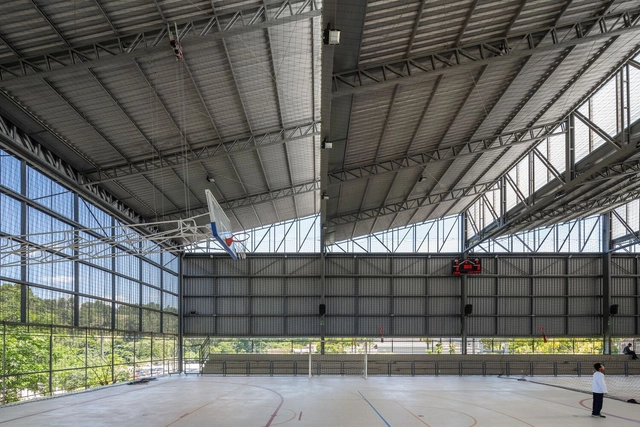
Sports arenas hold significant relevance in society as they serve as vital meeting places for sports and cultural activities. They play a role in enhancing overall well-being, encouraging an active lifestyle, and fostering social inclusion. Within these projects, architects assume the responsibility of designing spaces that seamlessly accommodate athletes and the community. Moreover, architects must actively engage with the surroundings to create a harmonious dialogue and establish a distinct identity for the arena.
Sporting facilities can play a vital role in the lives of cities by providing multifunctional public spaces where the people can join in large-scale events providing entertainment and spectacle while also promoting well-being and enhancing community engagement. Additionally, well-designed sporting arenas can become icons for a city, creating a sense of pride and identity and attracting visitors and residents. One such example is the Grand Slam tennis tournaments, which take over cities like Paris, London or New York, attracting fans from all around the world. The Philippe Chatrier and greenhouse transformed into the Simonne-Mathieu Tennis Court in Paris have become architectural landmarks, serving as catalysts for urban development and cultural exchange.
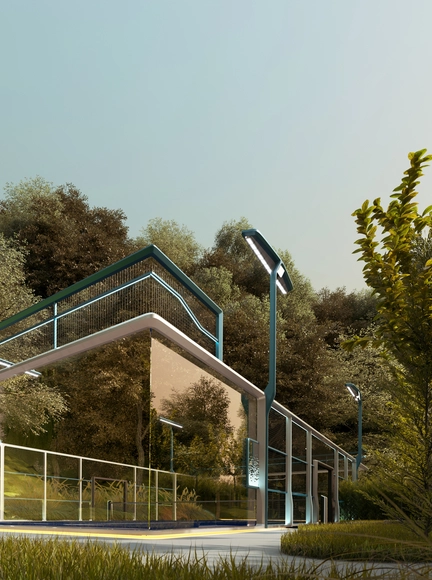
Other small-scale venues also play a role in the lives of communities, acting as gathering places for people with shared interests, fostering a sense of belonging and contributing to the overall health of the neighborhoods. This week's curated selection of Best Unbuilt Architecture highlights projects submitted by the ArchDaily community that showcase both large and small scale sporting venues. From a ‘box in a box’ basketball pavilion in Greece, to a translucent multi-sports arena in El Salvador or a dune-line arena in Morocco, this selection features projects that encourage and celebrate movement, athleticism and fair play competition.
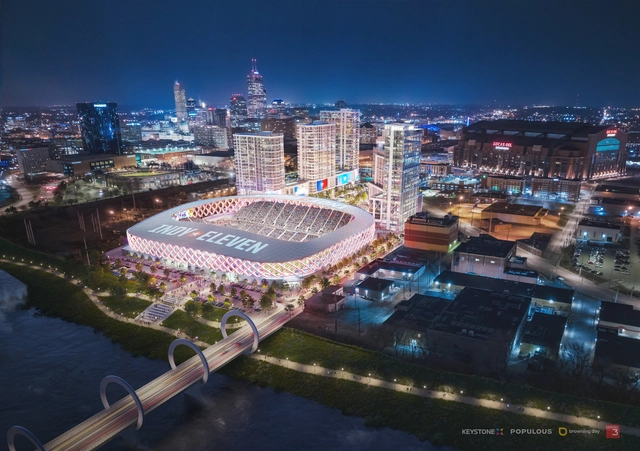
US-based architecture firm Populous has unveiled the design of a new multipurpose stadium in Indianapolis, US, planned to serve as the new home for the Indy Eleven professional soccer team. The 20,000-seat arena is situated in the center of the Eleven Park neighborhood development, set to transform the city’s southwest quadrant by introducing office spaces, residential units, retail spaces, parking garages, and amenities such as restaurants, a hotel, and green spaces.
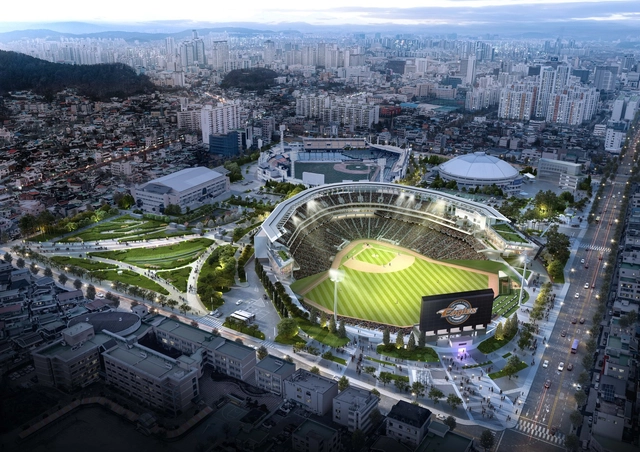
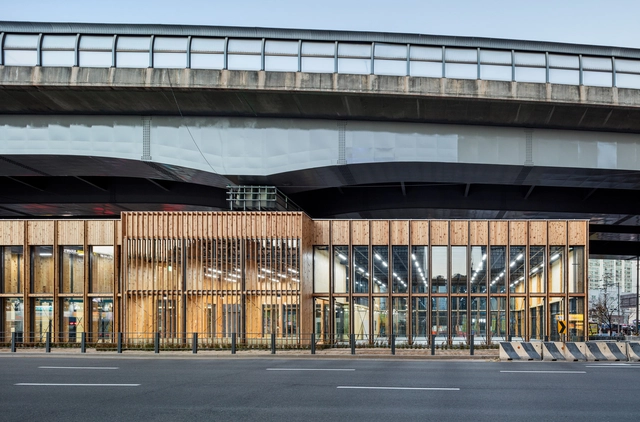
Baseball Dream Park / HAEAHN Architecture, Inc.. Image Courtesy of HAEAHN Architecture
Sport plays an important role in the life of every city, yet the buildings housing these activities pose a particular set of challenges to the architects. Scale and dimensions need to be adapted to allow for unrestricted movement, heights are adjusted to the force of an athlete’s throw, and lighting, surface, and finishes require careful consideration. The matter becomes even more complex if these activities become the center of large-scale events. The flow of people becomes an integral part of the design, as different types of users require separate circulation paths.
This week’s curated selection of Best Unbuilt Architecture highlights the design of sports centers submitted by the ArchDaily community. From a tennis stadium in Italy, to a yoga pavilion on the cliffs of Portugal, this selection features projects centered around movement, practicing, following, and enjoying sports, be it tennis, baseball, yoga or football. The article presents projects from various counties, such as South Korea, Canada, Portugal, and Argentina.
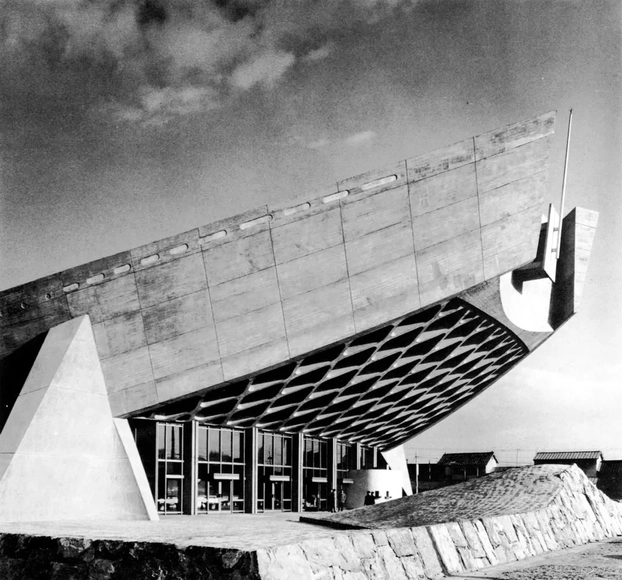
Local governor Toyohito Ikeda of Takamatsu, in Japan, announced that the famous Kagawa Gymnasium will be demolished. Built between 1961 and 1964 by the Pritzker Prize winnerKenzo Tange, the structure is a landmark of the modernist post-war era in Japan. This news has sparked the creation of a petition in an effort to save this 47-year-old monument.
After two weeks of voting in our 14th edition of the Building of the Year Awards, our readers have narrowed down over 4,500 projects to just 75 finalists across 15 categories, casting over 100,000 votes. This year's awards celebrate the very best in design, innovation, and sustainability from around the globe, with the shortlist featuring an exceptional range of projects, from a house in a favela to cutting-edge cultural centers and innovative public spaces that are sure to impress. As a crowdsourced award, we are proud to say that your selections are a true reflection of the state of architecture, and this year's finalists are no exception.
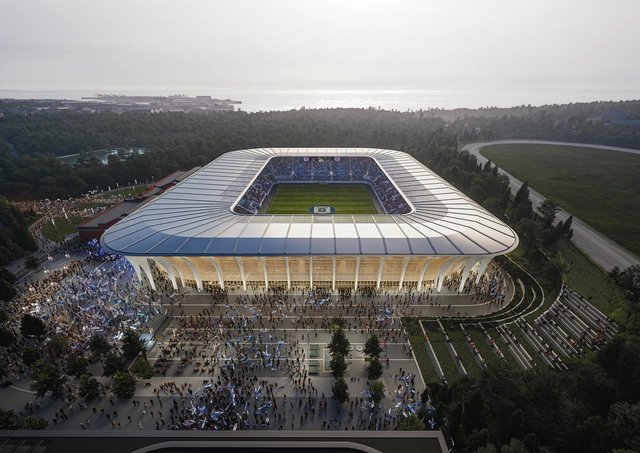
In collaboration with architecture and engineering consultancy Sweco and landscape architects Tredje Natur, Zaha Hadid Architects was selected to deliver the new Aarhus football stadium in Denmark. Dubbed the "Arena of the Forest," the stadium will be embedded within the city's Marselisborg forest, offering public and ticketed spaces all year round while revealing glimpses of the surrounding landscape. Scheduled for opening in 2026, the complex will cover 69,912 square meters, including the Aarhus arena and the renovation of the adjacent 'Stadionhallerne' building completed in 1918 by architect Axel Høgh-Hansen.
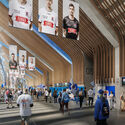
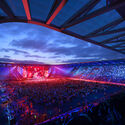
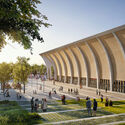
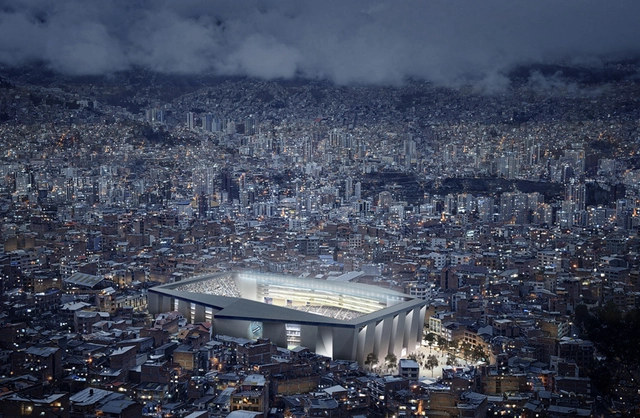
Not only is L35 Architects currently renovating Real Madrid's Santiago Bernabeu stadium in Spain, it has also designed a new stadium in the capital of Bolivia. Selected through an international competition organized in 2021 by Club Bolivar and its partner City Football Group, construction is about to begin and completion is expected in 2025.
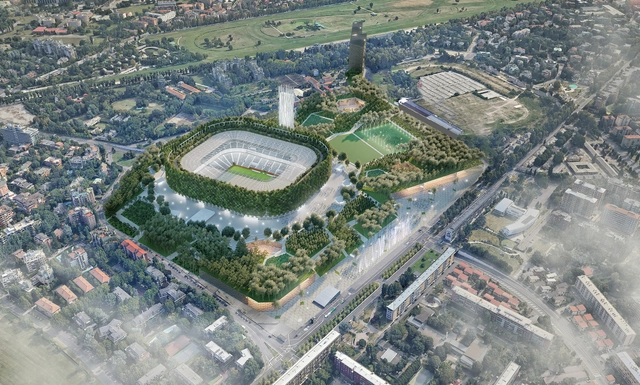
Stefano Boeri Architetti, together with a multidisciplinary team including ARUP, Fabio Novembre, and Balich Wonder Studio, has unveiled the design for the new Milan Stadium, named the International Forest Stadium. The project, located in the San Siro area of the city, was presented to the public on the occasion of the competition announced in 2019 by the Inter and Milan teams. The stadium is envisioned as an integral part of the “Sport and leisure district” system, an extensive masterplan measuring over 800 hectares, planned to transform the San Siro district into a center for excellence in the context of European sports.
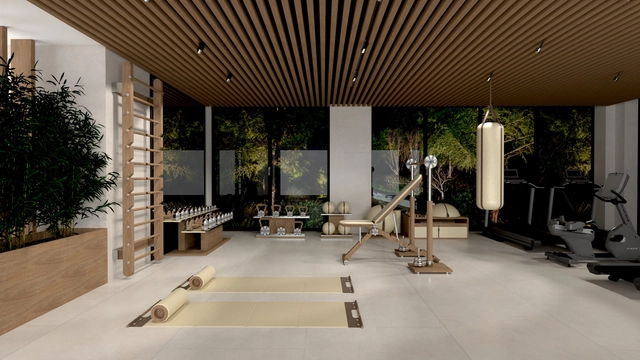
The World Health Organization defines health as “a state of complete physical, mental and social well-being.” If one or more of these aspects are compromised, quality of life and happiness can be severely affected. In recent years, and particularly during the COVID-19 pandemic, this has proved to be especially challenging. Commuting restrictions forced many to stay indoors and businesses to pause in-person operations, aiming to prevent the virus from spreading but inevitably sacrificing psychological, emotional, and even physical health in the process. As a result, people’s lifestyles shifted to find new ways to address their well-being, including adapting their living spaces accordingly. Home gyms, for example, became a popular initiative.
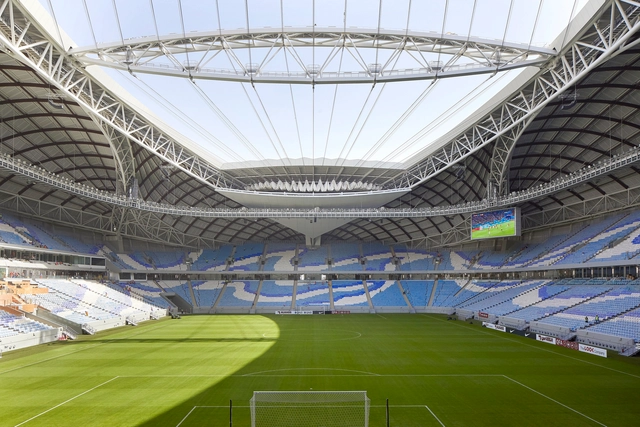
The World Cup will take place between November and December. This is due to the host country’s climate in June and July when Qatar can reach average temperatures of 40 to 50°C.
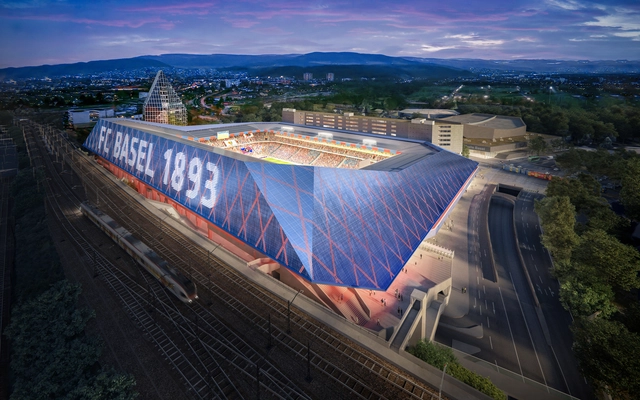
The Jakob-Park Stadium, home of FC Basel, is getting an update to extend its lifespan after 20 years of use. Originally designed by Herzog & de Meuron, the architecture reform aims to provide better hospitality to visitors by restructuring the access and optimizing security to keep the stadium open even on non-match days. The proposal also contemplates replacing the iconic facade with a sweeping roof to give the stadium a unified appearance and broadcast the events outside.
At the end of the 19th century, skateboarding emerged in the United States. Officially patented in 1936, the sport has already faced several prejudices, but like the social and urban dynamics of which it is a part, it has lasted to demonstrate that its experience goes far beyond conservative views and brought a new way of experiencing the city by trying movements of our own bodies in light of the urban or architectural design.
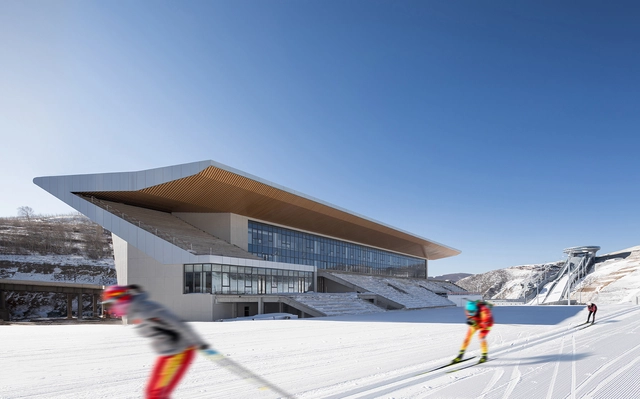
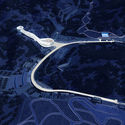
Beijing 2022 Winter Olympic Games and Paralympic Games have officially opened on February 4, 2022. The Winter Olympics made a brave move by adding two snow zones in Zhangjiakou and Yanqing to the ice zone in Beijing, creating an unprecedented three-zone system for the Winter Olympics.
Architectural Design & Research Institute of Tsinghua University (THAD), has led the planning and architectural design of the whole and all venues in Zhangjiakou Zone and Shougang Venue in Beijing Zone. Planning and Venue design for Yanqing Zone was elaborated by the China Architectural Design & Research Group. Chinese architects took the initiative to create while serving the principle of sustainable development and closely integrating architectural planning methodologies and architectural design during the approximately six-year construction cycle. They proposed the design framework of "full-scale spatial intervention" based on the "General Plan, Regulatory Plan, Urban Design, Architecture Design and Equipment System Design," completing the Chinese practice of sustainable Winter Olympics.
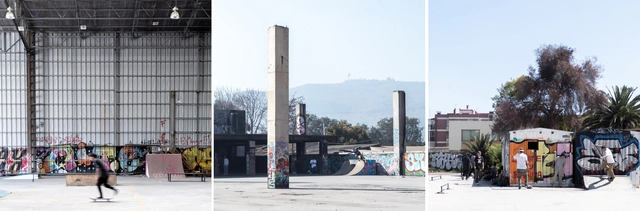
Yesporciento is an architecture and research studio founded by Sebastián Castro, architect and skateboarder. From Chile, his interests lie around strategies to maximise and strengthen the public and collective space through the Skateboarding phenomenon. Next, Castro presents his most recent analysis focused on observing, registering and presenting some cultural manifestations related to the recovery and occupancy of disused urban spaces, defining three case studies within the urban area of Santiago.
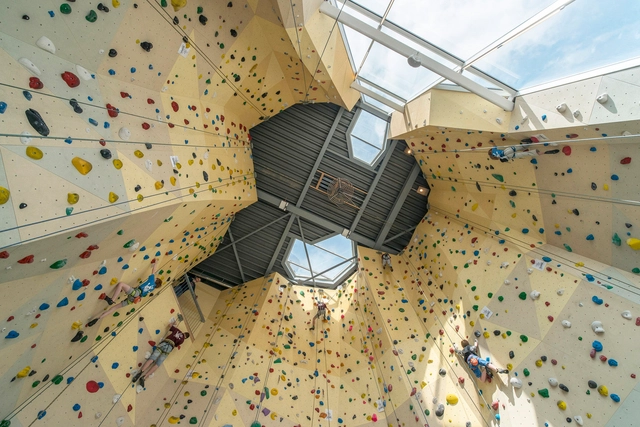
Climbers embrace their own type of architecture. Between barn doors, mantels and multi-pitch routes, rock climbing and bouldering take on a range of surfaces, materials and structures, whether outside or indoors. Today, more recreational centers and sports facilities are including climbing walls as the sport grows in popularity. As spaces to build strength and unwind, climbing gyms are built as their own interior worlds to explore.