


-
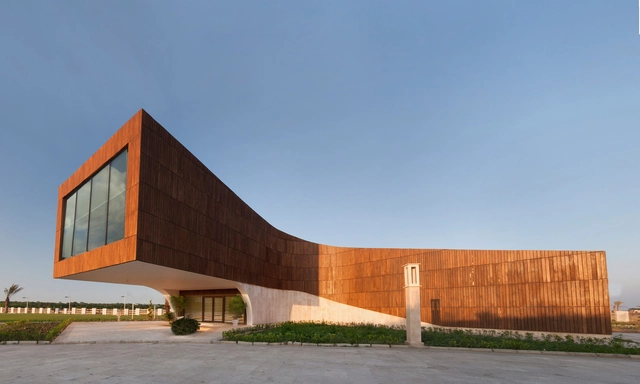
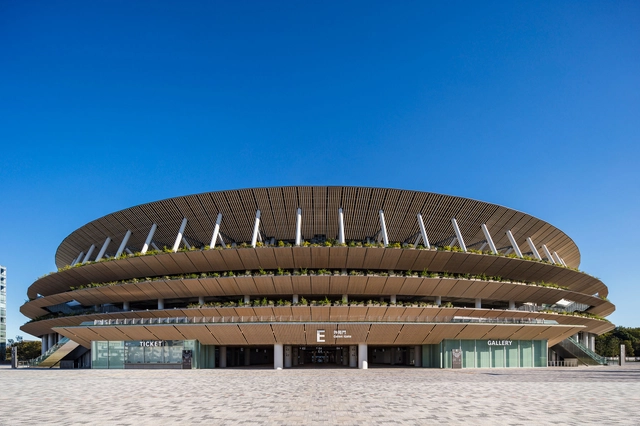
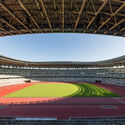
Architects: AZUSA SEKKEI, Kengo Kuma & Associates, Taisei Corporation
- Area: 192000 m²
- Year: 2019
-
Professionals: Taisei Corporation


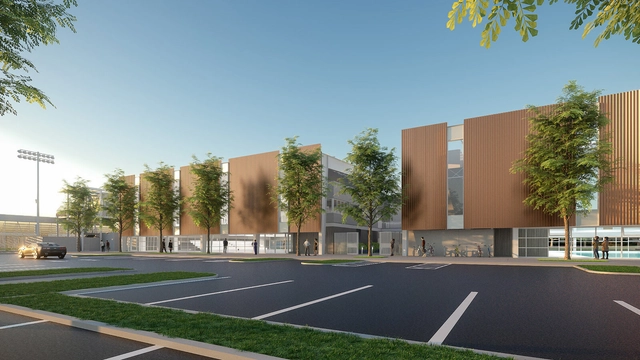
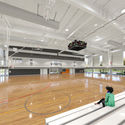
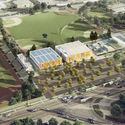
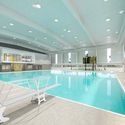
Designed by SPF:architects, the Michelle and Barack Obama Sports Center in Baldwin Hills, Los Angeles, celebrates the center’s rich history and community commitment in an eco-friendly, prefabricated facility. Formerly known as the Rancho Cienega Sports Complex, the center will expand the pre-existing structure and provide additional recreational facilities but in a cost-effective way. Construction has been ongoing since 2018 and is set to be complete mid-summer of 2021.
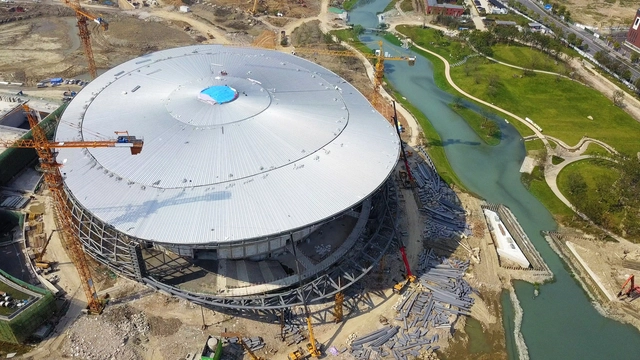
Archi-Tectonics has designed the master plan for the Hangzhou Asian Games Park for the 2022 Asian Games, as well as two arenas. Nearing completion, the tennis table and field hockey stadiums have topped out bringing the 116-acre complex into its final phases. Once the Games end, the new interventions will adapt to new uses, “becoming a signature public recreation complex for the city”.
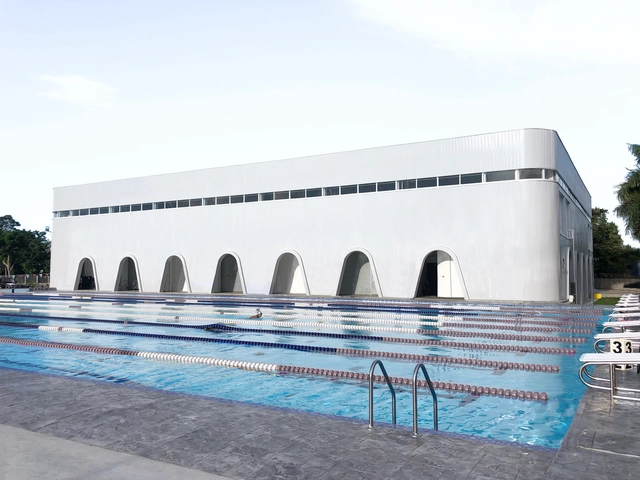
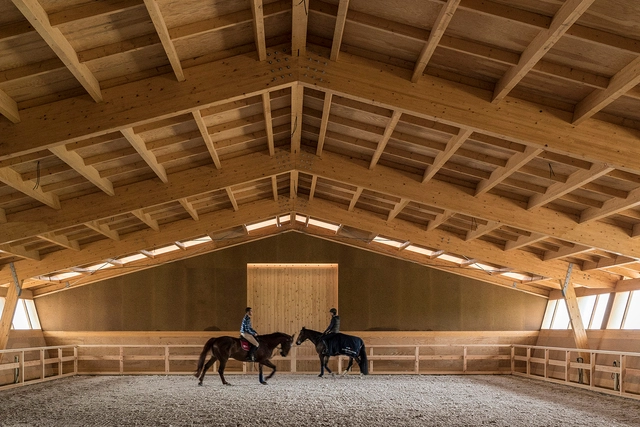

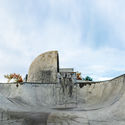
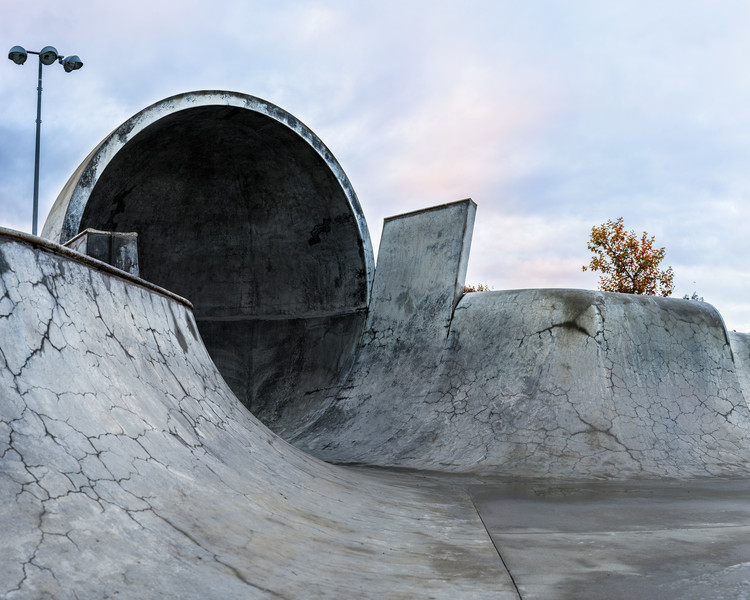
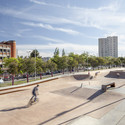
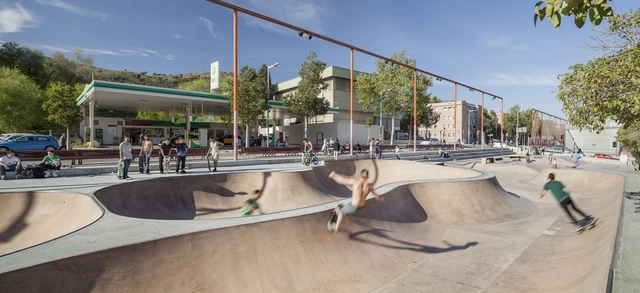
Skating took root as a sport in California during the 1960s and 70s, a time when extreme activities like surfing found their niche among the United States populace. Beginning as an urban adaptation of surfing, skateboarding became the pastime of choice for adolescents and, by the 1980s, acquired a worldwide following. Soon, city-scapes across the globe began transforming as spaces were created for people to engage in this uniquely urban sport.
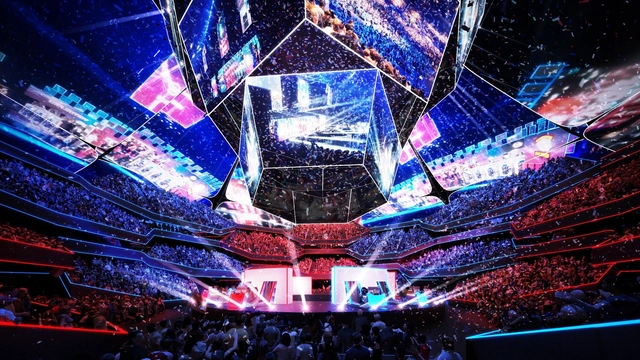
When Rashed Singaby, Principal at HOK, was contacted by a former client about how an existing stadium could be retrofitted to host esports events, he immediately knew this was an opportunity to create a blueprint for a type of space that has never existed before. Singaby and his team formulated a small research group to test and understand both the standards for each type of esports game and classify them into operational substructures. Since each game requires its own type of setup, it was important to ultimately conceptualize the design ideas and make recommendations for how existing spaces could be modified in order to best consume and be involved in the experience of esports activities.

When the groundbreaking ceremony for the world’s largest soccer stadium in Guangzhou was announced on April 16th, the most controversial aspect of the project was not its $1.7 billion price tag, but its bold lotus shape causing a backlash from the local architectural community but praise from the general public.

On April 16, a ground-breaking ceremony was held in the city of Guangzhou, China, for what is to be the world’s largest soccer stadium. The most controversial aspect of the project was not its $1.7 billion price tag, but its bold lotus shape causing a backlash from the local architectural community but praise from the general public.
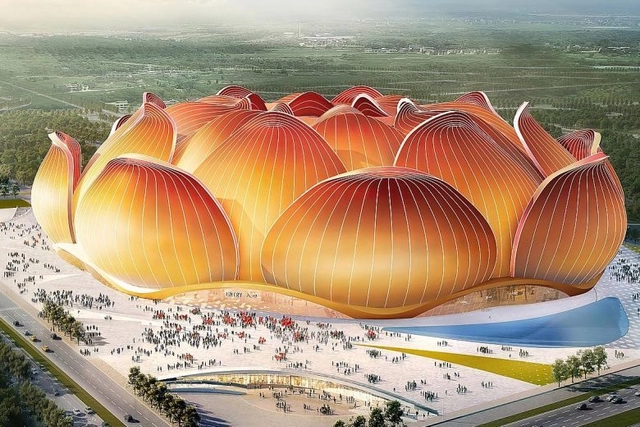
On April 16, a ground-breaking ceremony was held in the city of Guangzhou, China, for what is to be the world’s largest soccer stadium. The most controversial aspect of the project was not its $1.7 billion price tag, but its bold lotus shape causing a backlash from the local architectural community but praise from the general public.
This article was originally published on May 9, 2016. To read the stories behind other celebrated architecture projects, visit our AD Classics section.
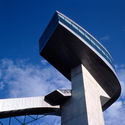
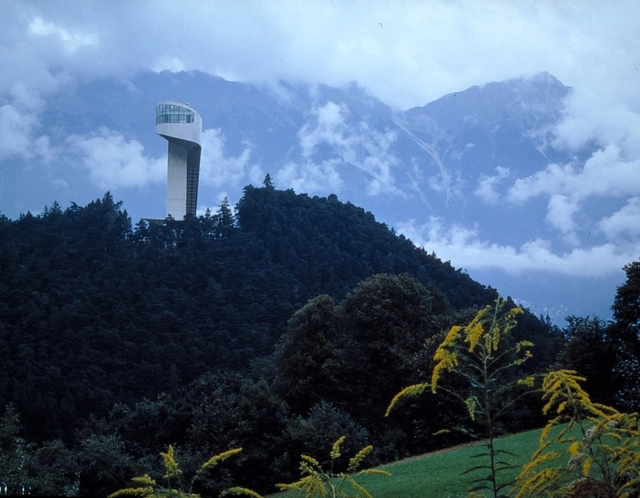
Situated on the peak of Bergisel Mountain above the picturesque alpine city of Innsbruck, Austria, the Bergisel Ski Jump represents the contemporary incarnation of a historic landmark. Designed by Zaha Hadid between 1999 and 2002, the Ski Jump is a study in formal expression: its sweeping lines and minimalist aesthetic create a sense of graceful, high-speed motion, reflecting the dynamic sensation of a ski jump in a monumental structure that stands above the historic center of Innsbruck and the mountain slopes around.
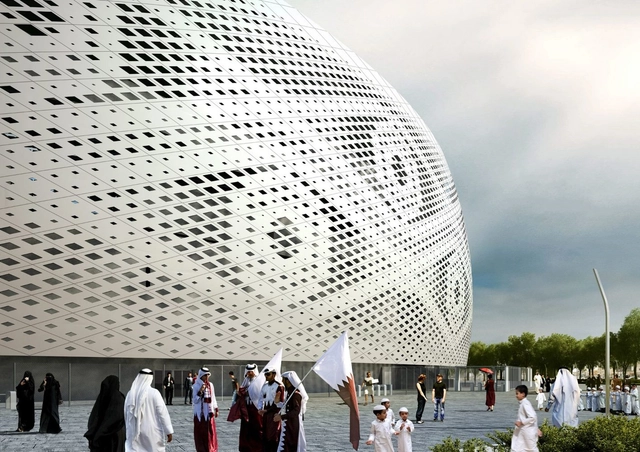
France took home the gold in this year's World Cup, however, in four years time, the world will turn its eyes to Qatar for another round of soccer mania. Preparations for the 2022 World Cup are already in full swing, with the construction and restoration of 8 stadiums that will host teams and fans from across the globe.
Get to know the 8 Qatar 2022 World Cup stadiums below.

Hungarian architects Paradigma Ariadné push the concepts of progression and growth to a literal spatial extreme in their proposal for a new sport complex for the MTK Football Academy. Drawing inspiration from the diagram of traditional European peasant houses, the design stretches into a kind of visual infinity, stacking all the rooms in the building along a single horizontal axis.
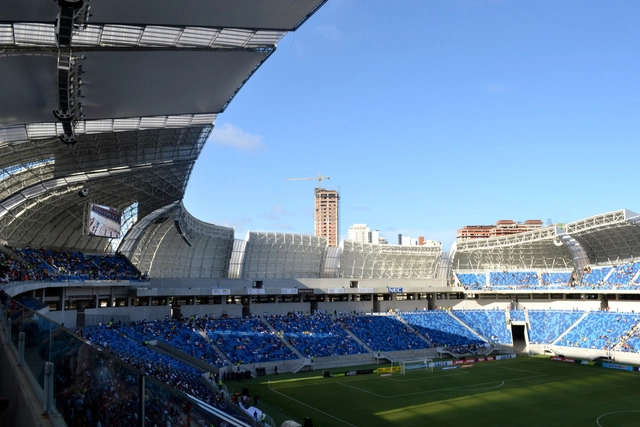
As an industry populated by creators, the business of design is continually reconsidered and reshaped by processes of reinvention and experimentation. Rarely content with yesterday’s innovations in anything from modeling software to building materials, architects naturally look for strategic ways to gain maximum advantage in both building and business. Taking just such a creative approach to the challenge of improving athletic venues within the stringent time frame of a team’s offseason, the dominant Kansas City-based sports architecture firm Populous recently launched a standalone service that employs the efficiency advantages of a design-build firm to simplify and expand the process of implementing stadium upgrades without any disruption to the fan experience.
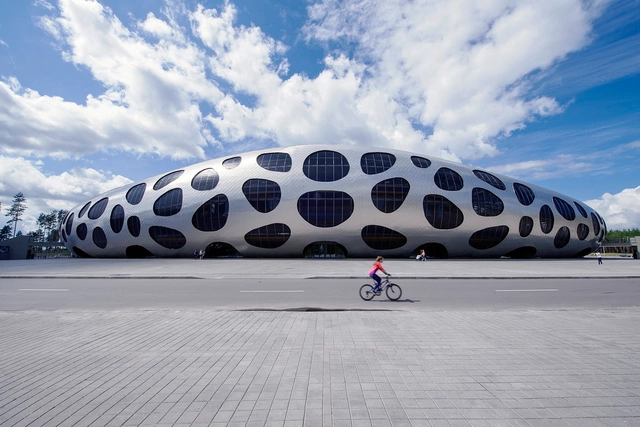
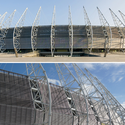
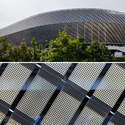
Stadiums —new or remodeled— provide excellent and innovative examples of architecture on a large scale; they are required to shelter thousands of people, including the athletes of the games they host. In addition to the technical aspects and considerations related to sports, these structures apply interesting cladding systems, with some stadiums even generating the energy needed to function.
Read on for more about stadiums and their structures in detail.