1. ArchDaily
  2. Synthetic

Synthetic: The Latest Architecture and News

Unwrapped Interiors: A Case for Material Authenticity and Clarity

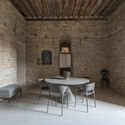
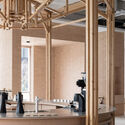
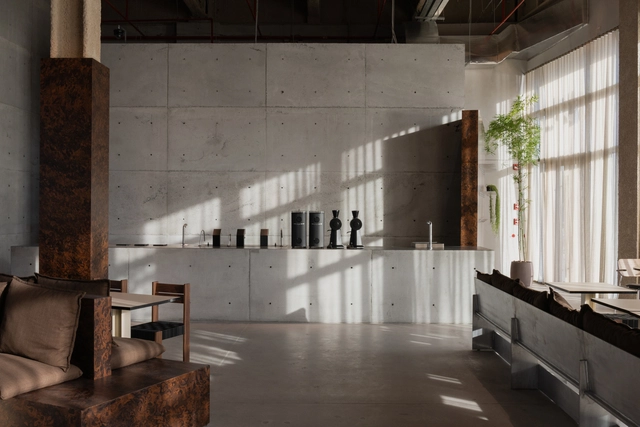
When designing a space—whether at the scale of interiors, architecture, or infrastructure—materiality is a central concern. Beyond aesthetics, materials determine how a project functions, ages, and endures. Some architects—such as Wang Shu and Kengo Kuma—have built their practices on a deep sensitivity to the potential and limits of materials. But even in the most pragmatic sense, the question arises: What lasts? What doesn't? And how do materials change over time? Naturally, materials shape atmosphere and appearance—qualities that often matter most to clients. Yet increasingly, the discourse around materiality has shifted from structural substance to surface treatment. When did we start focusing more on "decorating" our spaces by layering one material over another, rather than relying on the inherent beauty and performance of the building fabric itself?

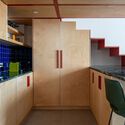
Unwrapped Interiors: A Case for Material Authenticity and Clarity - Image 1 of 4Unwrapped Interiors: A Case for Material Authenticity and Clarity - Image 2 of 4Unwrapped Interiors: A Case for Material Authenticity and Clarity - Image 3 of 4Unwrapped Interiors: A Case for Material Authenticity and Clarity - Image 4 of 4Unwrapped Interiors: A Case for Material Authenticity and Clarity - More Images+ 10

Mesmerizing Zigzags: Exploring the Herringbone Pattern in Architecture

Subscriber Access | 

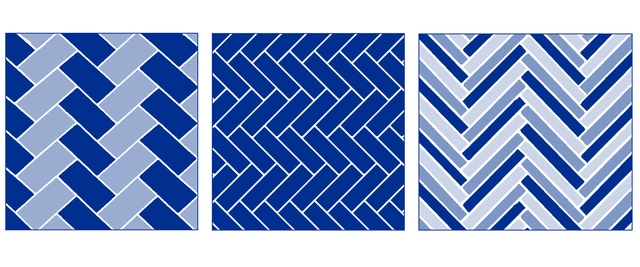
Created by a series of angled parallel lines that form a mesmerizing zigzag, the herringbone pattern has withstood the test of time and remains present in diverse design styles. Named after the resemblance to a fish's bones –a herring, for instance–, this classic V-shaped pattern arranges rectangular blocks in different proportions. With varying block edge length ratios, such as 2:1 or sometimes 3:1, the versatile design adapts to a wide range of uses, dimensions and materials. 

The arrangement of the blocks, even when used in single colors, creates a subtle texture and adds visual interest. While the herringbone arrangement may seem simple at first glance, the strong directional quality of the typically 45-degree angle lines requires a careful design process for a seamless and consistent look. The pattern can be found in walls and floors, from fabrics to wood and tiles. By playing with geometric shapes, it continues to be a trend that infuses style and structure into interior design while complementing a space's overall aesthetic. Below we dive into Architonic’s catalog to present different ways to apply it, exploring ceramic, wood, and synthetic herringbone patterns.