1. ArchDaily
  2. Tabulla

Tabulla: The Latest Architecture and News

How to Adapt Cities to Extreme Heat

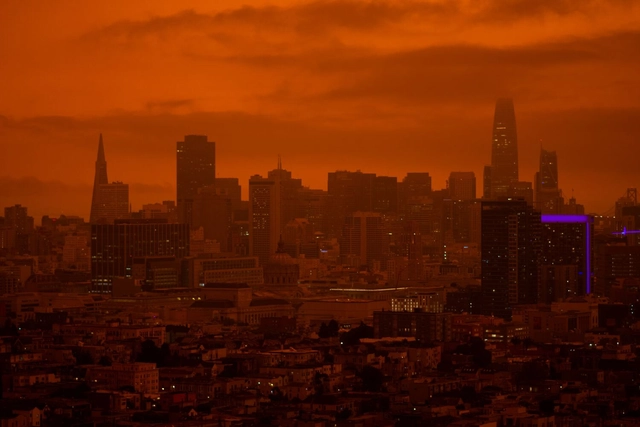
In June 2023, the planet experienced its hottest month on record. In Iran, the heat index reached a staggering 66.7 degrees Celsius, pushing the boundaries of human endurance. This alarming trend is not an anomaly. It is a stark reminder that temperatures will continue to rise as climate change intensifies.

Scientists are linking the rise to human-induced climate change and the El Niño phenomenon. Additionally, the natural warming of Pacific Ocean waters is being further intensified by global warming.

How to Adapt Cities to Extreme Heat - Image 1 of 4How to Adapt Cities to Extreme Heat - Image 2 of 4How to Adapt Cities to Extreme Heat - Image 3 of 4How to Adapt Cities to Extreme Heat - Image 4 of 4How to Adapt Cities to Extreme Heat - More Images+ 1

Will Artificial Intelligence Replace Architects?

Subscriber Access | 

Will Artificial Intelligence replace architects in their roles? In the May 2023 edition of Building magazine, Thomas Lane suggests that AI has the potential to automate up to 37% of the tasks typically carried out by architects and engineers. This automation, though, is likely to target routine and less creative tasks, allowing professionals to concentrate on more strategic and imaginative aspects of their work.

Just as Revit and 3D software did not replace architects but only transformed their workflows, the same principle holds for AI tools. AI is poised to bring about new tasks, such as AI management, alongside existing responsibilities, signaling a shift in how architects work.

Maximalism: What It Is and Why You Need to Know It

Subscriber Access | 

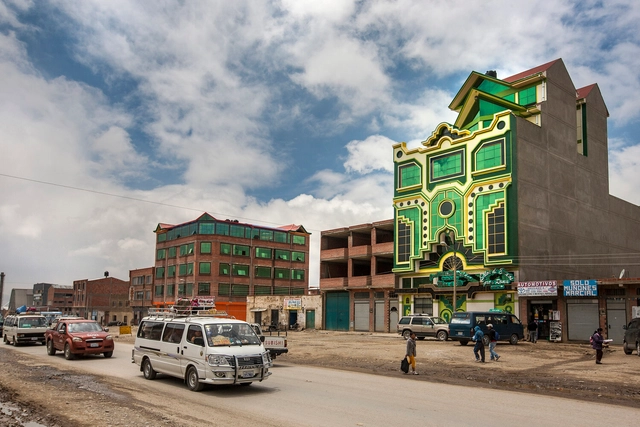
Maximalism is an artistic movement that stands in stark contrast to minimalism. While minimalism famously preaches "Less is more," maximalism embraces the opposite mantra of "More is more."

Within the broader context of the postmodern movement, which encompasses the social and aesthetic shifts occurring after World War II, maximalism can be characterized by its rejection of rigid values and rules. Instead, it celebrates imprecision, embraces diversity, blurs the lines between reality and fantasy, encourages spontaneity, and champions freedom of expression.

Gas Stations and Electric Cars: How Do They Change Cities

Subscriber Access | 

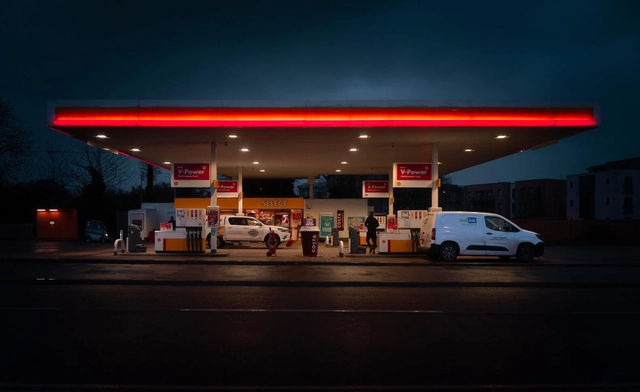
The era of petrol cars is coming to an end with the advent of batteries and electric cars – and so is the era of gas stations and the pollution they bring to communities.

Gas stations, by their very nature, are environmental hazards. Of the 450,000 hazardous locations in the US alone, half are contaminated by oil, with much of it coming from underground tanks leaking from former gas stations, creating risks of leaks and explosions.