1. ArchDaily
  2. Theater

Theater: The Latest Architecture and News

The Delay of Meaning: On the Architecture of Smiljan Radić

Subscriber Access | 

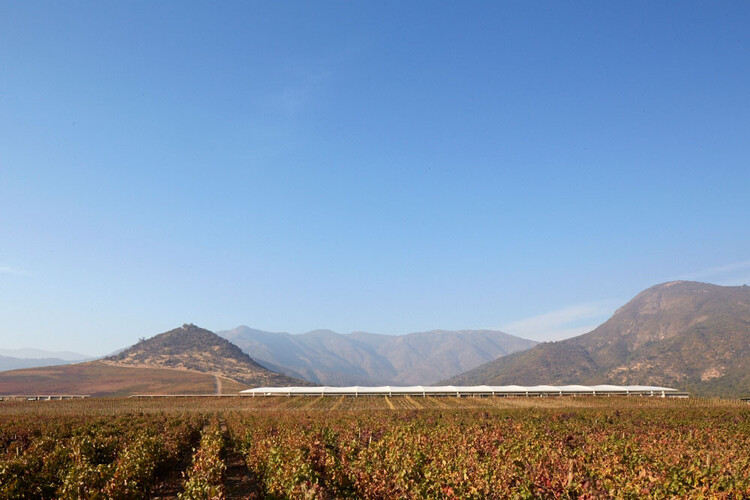
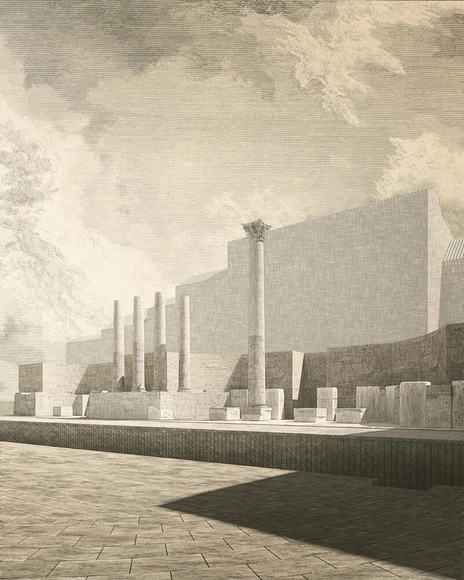
Smiljan Radić's architecture often begins elsewhere: in a memory, a journey, a material, a stone, a half-seen structure, or a situation not yet organized as an architectural idea. In "Architecture: Distraction and Knowledge," his 2026 Pritzker Architecture Prize Laureate Lecture, distraction does not appear as a lack of focus, but as a way of receiving the world. It is through these peripheral encounters — travel, ruins, cities, stories, industries, and materials — that architectural knowledge slowly accumulates.

When Radić was announced as the 2026 Pritzker Architecture Prize laureate, the recognition did not simply confirm a body of work already known for its material strangeness. It also clarified an architectural position that has long resisted easy translation into theory, or style, or spectacle. Radić's work is often described through oppositions: heavy and light, primitive and industrial, fragile and monumental, shelter and object, ruin and apparition. Yet these terms only partially account for the force of his architecture. What makes the work difficult, and increasingly necessary, is its refusal to become fully legible as a claim of certainty.

The Delay of Meaning: On the Architecture of Smiljan Radić - Image 1 of 4The Delay of Meaning: On the Architecture of Smiljan Radić - Image 2 of 4The Delay of Meaning: On the Architecture of Smiljan Radić - Image 3 of 4The Delay of Meaning: On the Architecture of Smiljan Radić - Image 4 of 4The Delay of Meaning: On the Architecture of Smiljan Radić - More Images+ 24

Historic Entertainment Venues in Oxford, Valparaíso, and Osaka Reflect Growing Pressures on Cultural Infrastructure

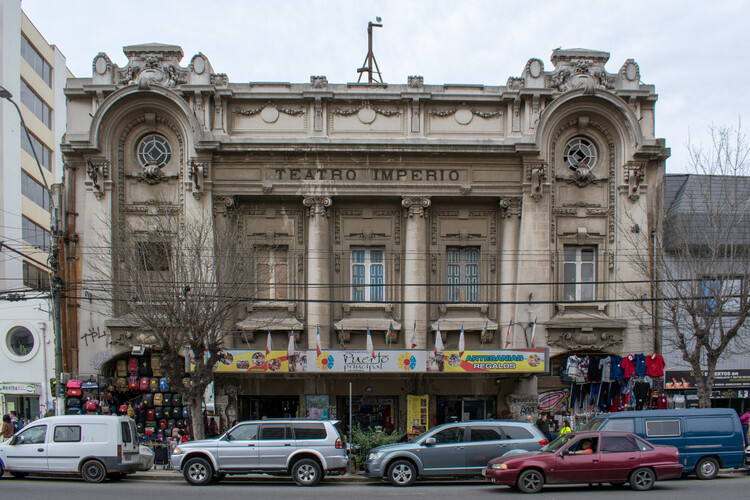
Between 2005 and 2021, French photographers Yves Marchand and Romain Meffre developed a long-term project titled Theaters. Recently exhibited at KYOTOGRAPHIE 2026, the work documents a phenomenon that continues to unfold gradually around the world: the decline of infrastructure originally designed for public entertainment in the early twentieth century. Theaters, cinemas, and performance venues that once accompanied the modernization of cities are increasingly being abandoned, repurposed, or "left suspended as hybrid ruins." This process is often associated with the growing individualization of cultural consumption, from the widespread adoption of television to the rise of the streaming industry, as well as the impact of the COVID-19 pandemic on cultural institutions. Below are three cases located in England, Chile, and Japan that illustrate different stages in this transformation, while also highlighting community-led efforts to preserve modern cultural heritage.

Historic Entertainment Venues in Oxford, Valparaíso, and Osaka Reflect Growing Pressures on Cultural Infrastructure - Image 1 of 4Historic Entertainment Venues in Oxford, Valparaíso, and Osaka Reflect Growing Pressures on Cultural Infrastructure - Image 2 of 4Historic Entertainment Venues in Oxford, Valparaíso, and Osaka Reflect Growing Pressures on Cultural Infrastructure - Image 3 of 4Historic Entertainment Venues in Oxford, Valparaíso, and Osaka Reflect Growing Pressures on Cultural Infrastructure - Image 4 of 4Historic Entertainment Venues in Oxford, Valparaíso, and Osaka Reflect Growing Pressures on Cultural Infrastructure - More Images+ 1

Studio Gang Completes the Samuel H. Scripps Theater Center for Hudson Valley Shakespeare in New York

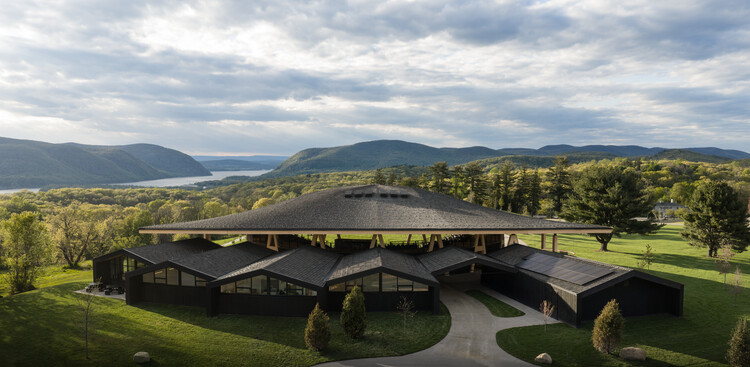
Hudson Valley Shakespeare has opened the Samuel H. Scripps Theater Center in Garrison, New York, marking the completion of a six-year project that establishes the company's first permanent home. The new campus, designed by Studio Gang in collaboration with Nelson Byrd Woltz Landscape Architects, expands the organization's long-standing open-air performance model into a permanent cultural and educational facility integrated within the Hudson Valley landscape. Construction began in September 2024 following several years of planning and fundraising.

Studio Gang Completes the Samuel H. Scripps Theater Center for Hudson Valley Shakespeare in New York - Image 1 of 4Studio Gang Completes the Samuel H. Scripps Theater Center for Hudson Valley Shakespeare in New York - Image 2 of 4Studio Gang Completes the Samuel H. Scripps Theater Center for Hudson Valley Shakespeare in New York - Image 3 of 4Studio Gang Completes the Samuel H. Scripps Theater Center for Hudson Valley Shakespeare in New York - Image 4 of 4Studio Gang Completes the Samuel H. Scripps Theater Center for Hudson Valley Shakespeare in New York - More Images+ 5

BIG Reveals Design for Tennessee Performing Arts Center in Nashville, United States

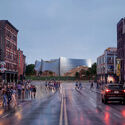
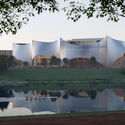
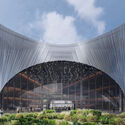
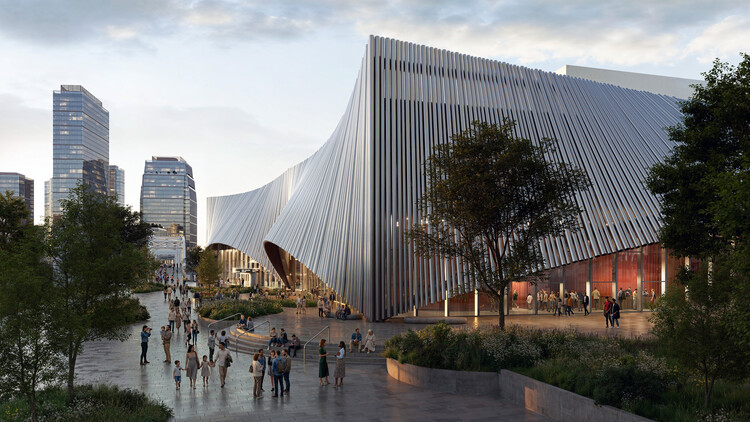
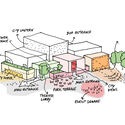
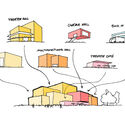
BIG – Bjarke Ingels Group, in collaboration with William Rawn Associates (WRA) and HASTINGS Architecture, has revealed the design for the new Tennessee Performing Arts Center (TPAC), a 307,000-square-foot cultural complex planned for Nashville's East Bank, with construction expected to begin in 2027 and completion anticipated in 2030. Located along the Cumberland River, adjacent to Cumberland Park and Nissan Stadium, the project brings together four performance venues within a unified architectural framework, establishing a new civic anchor that extends the cultural life of downtown across the waterfront.

BIG Reveals Design for Tennessee Performing Arts Center in Nashville, United States - Image 1 of 4BIG Reveals Design for Tennessee Performing Arts Center in Nashville, United States - Image 2 of 4BIG Reveals Design for Tennessee Performing Arts Center in Nashville, United States - Image 3 of 4BIG Reveals Design for Tennessee Performing Arts Center in Nashville, United States - Image 4 of 4BIG Reveals Design for Tennessee Performing Arts Center in Nashville, United States - More Images+ 27

MVRDV and Buro Happold Reveal Design for the Lampegiet Theatre in Veenendaal, Netherlands

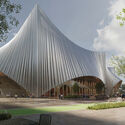
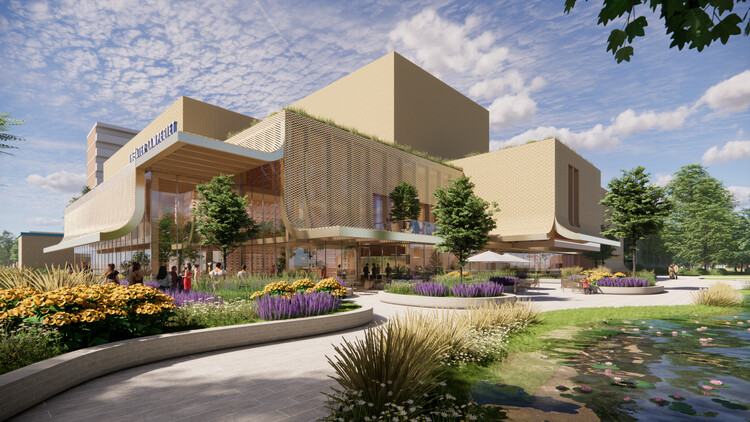
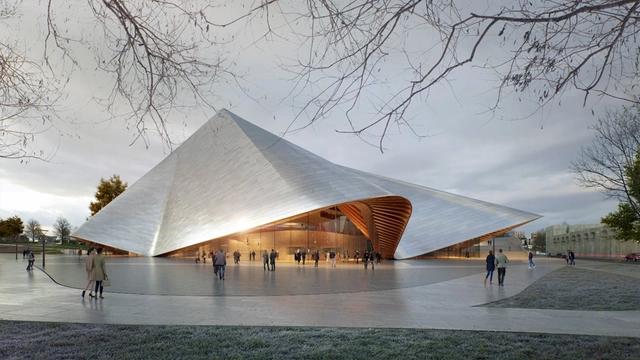
Designed by MVRDV in collaboration with Buro Happold, the new Lampegiet Theatre in Veenendaal, the Netherlands, is scheduled to replace the existing theatre building from 1988. Approved by the Veenendaal City Council in January 2026, the project is expected to begin construction in 2027 and reach completion in 2029. Conceived as a contemporary cultural venue that responds to both current performance requirements and the city's historical identity, the new theatre introduces a compact, multi-volume composition wrapped in a porous ceramic facade that allows the building to act as an illuminated urban landmark.

MVRDV and Buro Happold Reveal Design for the Lampegiet Theatre in Veenendaal, Netherlands - Image 1 of 4MVRDV and Buro Happold Reveal Design for the Lampegiet Theatre in Veenendaal, Netherlands - Image 2 of 4MVRDV and Buro Happold Reveal Design for the Lampegiet Theatre in Veenendaal, Netherlands - Image 3 of 4MVRDV and Buro Happold Reveal Design for the Lampegiet Theatre in Veenendaal, Netherlands - Image 4 of 4MVRDV and Buro Happold Reveal Design for the Lampegiet Theatre in Veenendaal, Netherlands - More Images+ 3

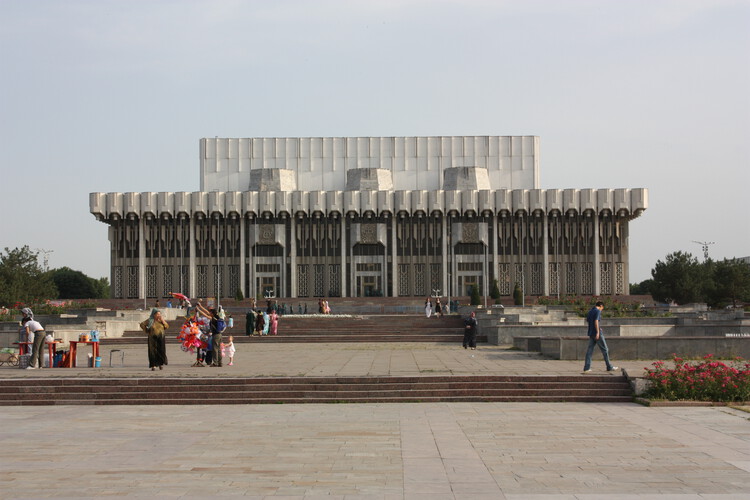
The Aesthetics of Power: Soviet Modernism Meets Uzbek Tradition in Tashkent’s Palace of Peoples’ Friendship

Subscriber Access | 

Tashkent, the capital of Uzbekistan and one of the oldest cities in Central Asia, has long been shaped by a hybrid culture. Located at a strategic point along the Silk Road, the city developed an architectural tradition defined by inner courtyards, domes, decorative ceramics, and Islamic geometric patterns. The annexation by the Russian Empire in the 19th century introduced administrative buildings, orthogonal squares, and straight avenues, creating a dual urban fabric — between the “old” Eastern city and the “new” European one — in which contrasts and overlaps became the norm.

During the Soviet period, when Tashkent became the capital of the Uzbek Soviet Socialist Republic and received intense migration from across the union, the city was transformed into a modernist showcase. The coexistence between Islamic heritage and the ideology of socialist progress found a new inflection point with the 1966 earthquake, whose destruction triggered a large-scale reconstruction effort involving architects from across the USSR. Massive housing complexes, cultural institutions, and monumental buildings emerged, reinterpreting local motifs through ideological and technological language. It was in this context that the Palace of Peoples’ Friendship took shape.

The Aesthetics of Power: Soviet Modernism Meets Uzbek Tradition in Tashkent’s Palace of Peoples’ Friendship - Image 1 of 4The Aesthetics of Power: Soviet Modernism Meets Uzbek Tradition in Tashkent’s Palace of Peoples’ Friendship - Image 2 of 4The Aesthetics of Power: Soviet Modernism Meets Uzbek Tradition in Tashkent’s Palace of Peoples’ Friendship - Image 3 of 4The Aesthetics of Power: Soviet Modernism Meets Uzbek Tradition in Tashkent’s Palace of Peoples’ Friendship - Image 4 of 4The Aesthetics of Power: Soviet Modernism Meets Uzbek Tradition in Tashkent’s Palace of Peoples’ Friendship - More Images+ 3

Refurbishing Theater Spaces: Adapting Cultural Landmarks for Modern Audiences

Subscriber Access | 

Theaters serve as cultural and social institutions, shaping society by providing spaces where stories of identity, race, and justice are brought to life. These venues foster community through shared, live experiences, sparking conversations that resonate beyond the stage. Architecturally, theaters are more than performance spaces—they are landmarks that embody both the history and future of the arts. Their design often reflects the cultural importance of storytelling, while their refurbishments ensure they remain relevant in a modern context.

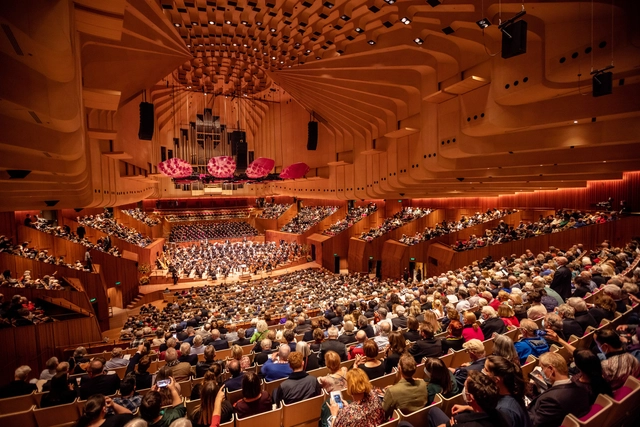
In this week's AD Interior Focus, ArchDaily explores how the refurbishment of iconic theaters like the Royal Opera House in London, United Kingdom, and Sydney Opera House in Australia goes beyond modernizing comfort and accessibility. It delves into how these projects preserve the architectural integrity of these historic landmarks, ensuring their design continues to serve as a backdrop for both artistic expression and social discourse.

Refurbishing Theater Spaces: Adapting Cultural Landmarks for Modern Audiences - Image 1 of 4Refurbishing Theater Spaces: Adapting Cultural Landmarks for Modern Audiences - Image 2 of 4Refurbishing Theater Spaces: Adapting Cultural Landmarks for Modern Audiences - Image 3 of 4Refurbishing Theater Spaces: Adapting Cultural Landmarks for Modern Audiences - Image 4 of 4Refurbishing Theater Spaces: Adapting Cultural Landmarks for Modern Audiences - More Images+ 12

From Thessaloniki to Augsburg: Architecture Now and New Project Announcements by Populous, HENN, SLA, and More

Subscriber Access | 

As cities worldwide navigate evolving social, environmental, and cultural priorities, recent project announcements showcase how architecture is increasingly conceived as both civic infrastructure and a catalyst for collective identity. From Populous' new stadium design in Thessaloniki that blurs the lines between sport and urban life, to HENN's transparent cultural stage in Augsburg that invites community participation, these projects illustrate architecture's expanding role beyond its immediate function. In Luxembourg, Schmidt Hammer Lassen's work for the European Investment Bank reimagines institutional spaces through sustainability and heritage, while SLA and GHD's new island community in Toronto pushes forward nature-based, climate-adaptive urbanism. This edition of Architecture Now brings together diverse yet interconnected efforts to shape how architecture can support long-term ecological, cultural, and civic impact.

From Thessaloniki to Augsburg: Architecture Now and New Project Announcements by Populous, HENN, SLA, and More - Image 1 of 4From Thessaloniki to Augsburg: Architecture Now and New Project Announcements by Populous, HENN, SLA, and More - Image 2 of 4From Thessaloniki to Augsburg: Architecture Now and New Project Announcements by Populous, HENN, SLA, and More - Image 3 of 4From Thessaloniki to Augsburg: Architecture Now and New Project Announcements by Populous, HENN, SLA, and More - Image 4 of 4From Thessaloniki to Augsburg: Architecture Now and New Project Announcements by Populous, HENN, SLA, and More - More Images+ 8

Between Fantasy and Reality: Aldo Rossi's Floating Teatro del Mundo for the First Venice Architecture Biennale

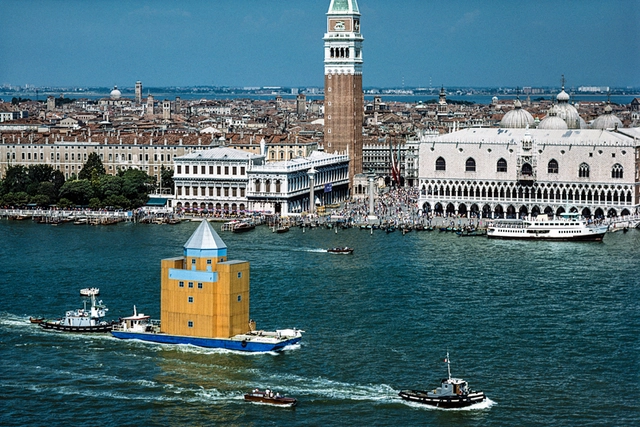
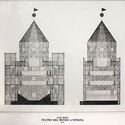
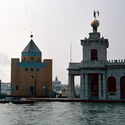
The first edition of the Venice Architecture Biennale took place in 1980, immediately revealing its role as a platform for images and ideas that would become essential references in contemporary architectural theory and practice. This disruptive character was embodied from the very beginning by the strangely familiar floating structure designed by Aldo Rossi, titled Teatro del Mondo. At once temporary and archetypal, the project introduced central themes that would shape Italian architectural discourse in the years that followed. To this day, it continues to inspire reflections on timelessness, imagination, and the memory embedded in cities.

Between Fantasy and Reality: Aldo Rossi's Floating Teatro del Mundo for the First Venice Architecture Biennale - Image 1 of 4Between Fantasy and Reality: Aldo Rossi's Floating Teatro del Mundo for the First Venice Architecture Biennale - Image 2 of 4Between Fantasy and Reality: Aldo Rossi's Floating Teatro del Mundo for the First Venice Architecture Biennale - Image 3 of 4Between Fantasy and Reality: Aldo Rossi's Floating Teatro del Mundo for the First Venice Architecture Biennale - Image 4 of 4Between Fantasy and Reality: Aldo Rossi's Floating Teatro del Mundo for the First Venice Architecture Biennale - More Images

David Chipperfield Architects Presents Plan to Restore and Enhance a Roman Theater in Brescia, Italy

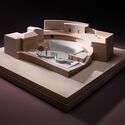
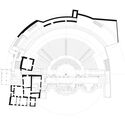
The preliminary design for the architectural restoration and functional redevelopment of the Roman Theatre was presented on Tuesday, April 8, 2025, at the Auditorium of the Santa Giulia Museum in Brescia. The project was developed by the Milan office of David Chipperfield Architects, commissioned by the Fondazione Brescia Musei in collaboration with the Municipality of Brescia and the Brescia Chamber of Commerce, Industry, Handicraft, and Agriculture. Chipperfield was tasked with identifying the essential architectural elements to guide future design phases, leading to the drafting of the Technical-Economic Feasibility Project (PFTE) and the final project, including the necessary authorizations. This initiative is financially supported by the Italian Chamber of Commerce under a 2019 ministerial decree prioritizing cultural heritage, especially where it enhances tourism.

David Chipperfield Architects Presents Plan to Restore and Enhance a Roman Theater in Brescia, Italy - Image 1 of 4David Chipperfield Architects Presents Plan to Restore and Enhance a Roman Theater in Brescia, Italy - Image 2 of 4David Chipperfield Architects Presents Plan to Restore and Enhance a Roman Theater in Brescia, Italy - Image 3 of 4David Chipperfield Architects Presents Plan to Restore and Enhance a Roman Theater in Brescia, Italy - Image 4 of 4David Chipperfield Architects Presents Plan to Restore and Enhance a Roman Theater in Brescia, Italy - More Images+ 5

Bofill Taller de Arquitectura Reveals Construction Images of the Royal Arts Complex in Riyadh

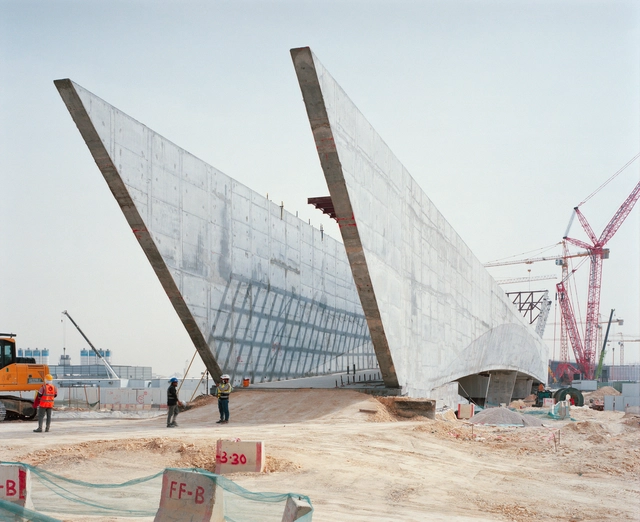
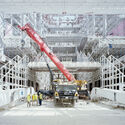
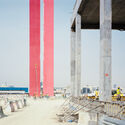
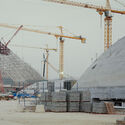
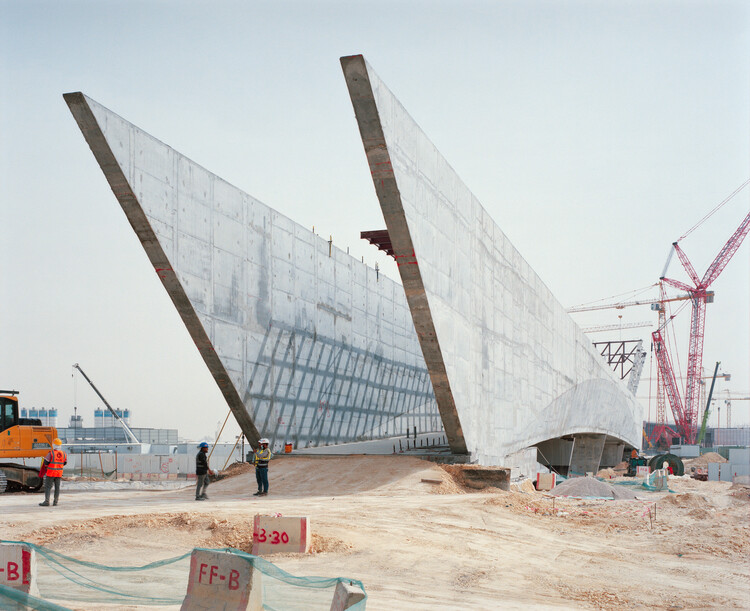
Barcelona-based architecture studio Bofill Taller de Arquitectura was commissioned to design the Royal Arts Complex (RAC) by the Royal Commission for Riyadh City in 2019. Currently under construction, the 320,000-square-meter building complex comprises thirteen structures, each contributing to the promotion of artistic expression. The project is located within King Salman Park, a 13.3-square-kilometer park being developed on the site of Riyadh's former airport. The broader development includes mixed-use projects to transform the area into a major recreational district. The overall masterplan also features a stadium by Populous, planned for the FIFA 2034 World Cup.

Bofill Taller de Arquitectura Reveals Construction Images of the Royal Arts Complex in Riyadh - Image 1 of 4Bofill Taller de Arquitectura Reveals Construction Images of the Royal Arts Complex in Riyadh - Image 2 of 4Bofill Taller de Arquitectura Reveals Construction Images of the Royal Arts Complex in Riyadh - Image 3 of 4Bofill Taller de Arquitectura Reveals Construction Images of the Royal Arts Complex in Riyadh - Image 4 of 4Bofill Taller de Arquitectura Reveals Construction Images of the Royal Arts Complex in Riyadh - More Images+ 18

Designing for the Performing Arts: Architecture as a Stage for Experience

Subscriber Access | 

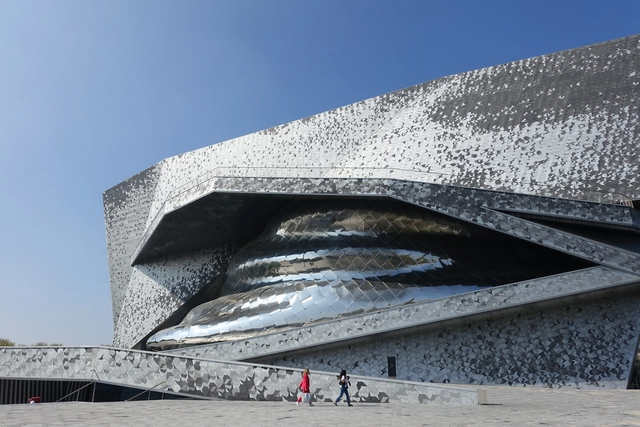
Theaters, concert halls, and opera houses are more than just venues — they are meticulously orchestrated environments where architecture, technology, and human emotion converge. Unlike conventional buildings, these spaces must accommodate a dynamic interplay between acoustics, sightlines, stage mechanics, and audience engagement, all while maintaining an architectural identity that resonates with performers and spectators alike. Whether it is the immersive embrace of a vineyard-style concert hall or the grandeur of a proscenium theater, every design decision shapes how performances are experienced and remembered.

The recently published SET PIECES: Architecture for the Performing Arts in Fifteen Fragments by Diamond Schmitt Architects explores these complexities through case studies and reflections. Inspired by its insights, this article examines essential design considerations for performance spaces, from acoustic engineering to the evolving role of theaters in urban life.

Designing for the Performing Arts: Architecture as a Stage for Experience - Image 1 of 4Designing for the Performing Arts: Architecture as a Stage for Experience - Image 2 of 4Designing for the Performing Arts: Architecture as a Stage for Experience - Image 3 of 4Designing for the Performing Arts: Architecture as a Stage for Experience - Image 4 of 4Designing for the Performing Arts: Architecture as a Stage for Experience - More Images+ 60

Following Oscar Niemeyer's Legacy: The Story Behind the Araras State Theater in Brazil

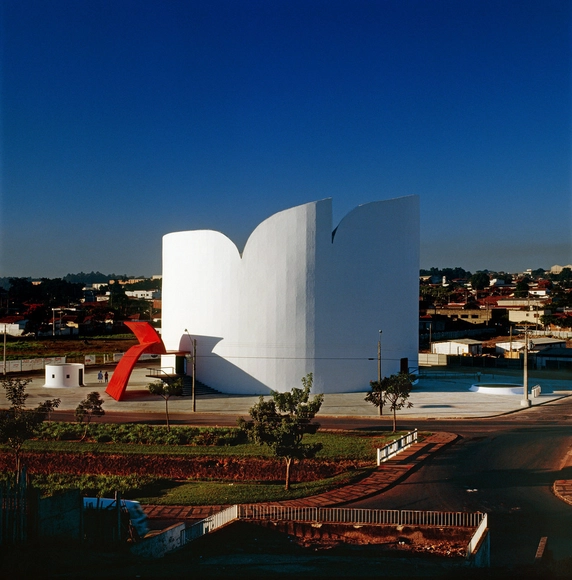
Inaugurated in 1991, the Maestro Francisco Paulo Russo State Theater in Araras is considered one of the city's and the region's main cultural venues. Designed by architect Oscar Niemeyer, one of the leading figures of the Modern Movement, the theater was equipped with all the necessary infrastructure to host local, national, and international cultural events between 1995 and 2005. Niemeyer left behind a legacy in which his signature free-form architectural style integrates influences from various sources while also engaging in a dialogue with the identity of a tropical country.

Following Oscar Niemeyer's Legacy: The Story Behind the Araras State Theater in Brazil - Image 1 of 4Following Oscar Niemeyer's Legacy: The Story Behind the Araras State Theater in Brazil - Image 2 of 4Following Oscar Niemeyer's Legacy: The Story Behind the Araras State Theater in Brazil - Image 3 of 4Following Oscar Niemeyer's Legacy: The Story Behind the Araras State Theater in Brazil - Image 4 of 4Following Oscar Niemeyer's Legacy: The Story Behind the Araras State Theater in Brazil - More Images+ 8

BIG Unveils Design for Kosovo’s First Opera House with Undulating Photovoltaic Roof

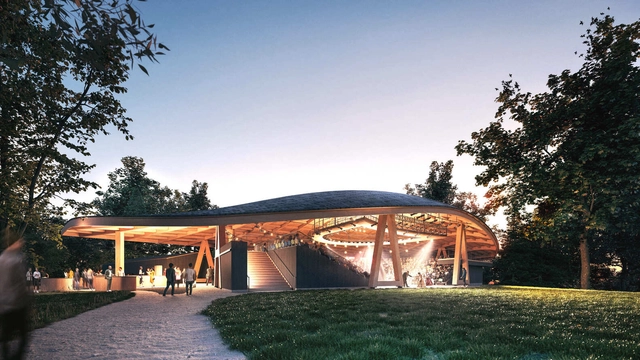
Bjarke Ingels Group (BIG), in collaboration with ALB-Architect, has unveiled the design for the Opera & Ballet Theatre of Kosovo, a new cultural venue set to reshape Prishtina's performing arts landscape. As the first opera house in the Republic of Kosovo, the theatre will serve as a home for the country's Philharmonic, Ballet, and Opera, marking a significant step in the development of Kosovo's artistic institutions. The project includes multiple performance halls and a public plaza, reinforcing its role as a cultural hub within the capital.

BIG Unveils Design for Kosovo’s First Opera House with Undulating Photovoltaic Roof - Image 1 of 4BIG Unveils Design for Kosovo’s First Opera House with Undulating Photovoltaic Roof - Image 2 of 4BIG Unveils Design for Kosovo’s First Opera House with Undulating Photovoltaic Roof - Image 3 of 4BIG Unveils Design for Kosovo’s First Opera House with Undulating Photovoltaic Roof - Image 4 of 4BIG Unveils Design for Kosovo’s First Opera House with Undulating Photovoltaic Roof - More Images+ 4

Mecanoo's Reimagined Doris Duke Theater to Open in Massachusetts in July 2025

Jacob's Pillow, a historic hub for dance in the United States, will open the new Doris Duke Theatre on July 9, 2025. As of November 2024, construction is progressing on schedule, with the theater taking shape on the original site of the initial structure lost to a devastating fire in November 2020 in Massachusetts, United States. Designed by the Dutch firm Mecanoo, led by Francine Houben, in collaboration with New York-based Marvel, helmed by Jonathan Marvel, the project blends innovation with a deep reverence for the site's historic legacy.

Mecanoo's Reimagined Doris Duke Theater to Open in Massachusetts in July 2025 - Image 1 of 4Mecanoo's Reimagined Doris Duke Theater to Open in Massachusetts in July 2025 - Image 2 of 4Mecanoo's Reimagined Doris Duke Theater to Open in Massachusetts in July 2025 - Image 3 of 4Mecanoo's Reimagined Doris Duke Theater to Open in Massachusetts in July 2025 - Image 4 of 4Mecanoo's Reimagined Doris Duke Theater to Open in Massachusetts in July 2025 - More Images+ 5

Personalized and Ornamental Modernism: The Story of the Lithuanian Opera and Ballet Theater in Vilnius

Subscriber Access | 

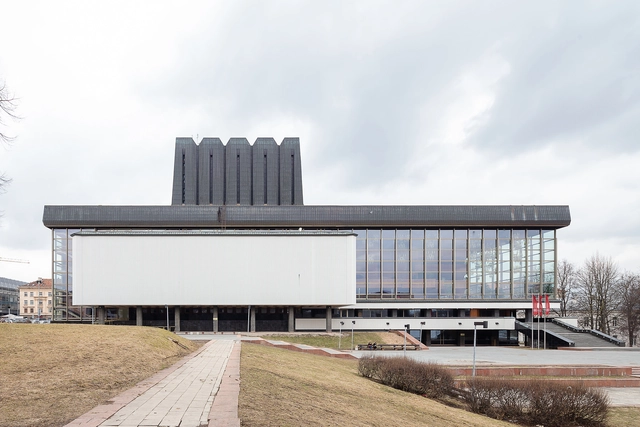
Standing out among the array of cultural programs, the opera and theater typology is often understood as encompassing the luxurious and elitist spirit of a bourgeois society focused on entertainment. Across the Soviet Union, this represented the opposite of the principles to be promoted. However, despite the opposition of the political class, the program remained widely popular. As the historical structures, symbols of the previous regime could no longer be promoted, the search began for a new image of the Opera House, one aligned with Socialist ideals and the concept of "art belonging to the masses."

This is the case of Soviet Lithuania, which, in the 1940s, began the process of developing a new Opera and Ballet Theater in Vilnius to replace the theatre in Pohulianka. The process resulted in an unusual commission, as young architect Elena Nijolė Bučiūtė won the 1960s competition for architectural design, turning the initial socialist realist proposals into a welcoming and expressive design, blending elements of early and late modernism. This also represents a surprising accomplishment for a young architect who was a woman and not a member of the Communist Party. Open House Vilnius featured the project in its program for several editions.

Personalized and Ornamental Modernism: The Story of the Lithuanian Opera and Ballet Theater in Vilnius - Image 1 of 4Personalized and Ornamental Modernism: The Story of the Lithuanian Opera and Ballet Theater in Vilnius - Image 2 of 4Personalized and Ornamental Modernism: The Story of the Lithuanian Opera and Ballet Theater in Vilnius - Image 3 of 4Personalized and Ornamental Modernism: The Story of the Lithuanian Opera and Ballet Theater in Vilnius - Image 4 of 4Personalized and Ornamental Modernism: The Story of the Lithuanian Opera and Ballet Theater in Vilnius - More Images+ 23

Nová Scéna: The Story Behind the Iconic Brutalist Extension of the National Theatre in Prague

Subscriber Access | 

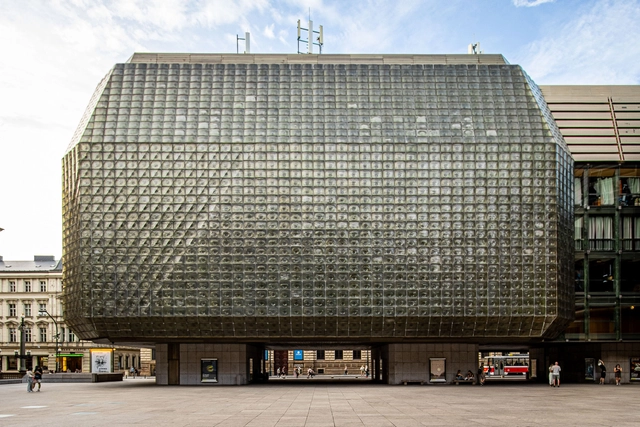
From 1977 to 1983, the National Theatre in Prague underwent a major transformation with the opening of Nová Scéna, a modern counterpart to the traditional Neo-Renaissance theatre. For many years, Nová Scéna hosted the renowned Laterna Magika, the world’s first multimedia theatre. This groundbreaking performance style combined classical theatre with computer-generated visual effects, creating a unique dramatic experience. The striking glass building, a symbol of the communist era, became an iconic representation of the political power of the time. In recognition of its significance, this building was part of the Open House Prague festival in 2024—an annual event that invites the public to explore and appreciate the value of architecture.


Nová Scéna: The Story Behind the Iconic Brutalist Extension of the National Theatre in Prague - Image 1 of 4Nová Scéna: The Story Behind the Iconic Brutalist Extension of the National Theatre in Prague - Image 2 of 4Nová Scéna: The Story Behind the Iconic Brutalist Extension of the National Theatre in Prague - Image 3 of 4Nová Scéna: The Story Behind the Iconic Brutalist Extension of the National Theatre in Prague - Image 4 of 4Nová Scéna: The Story Behind the Iconic Brutalist Extension of the National Theatre in Prague - More Images+ 9

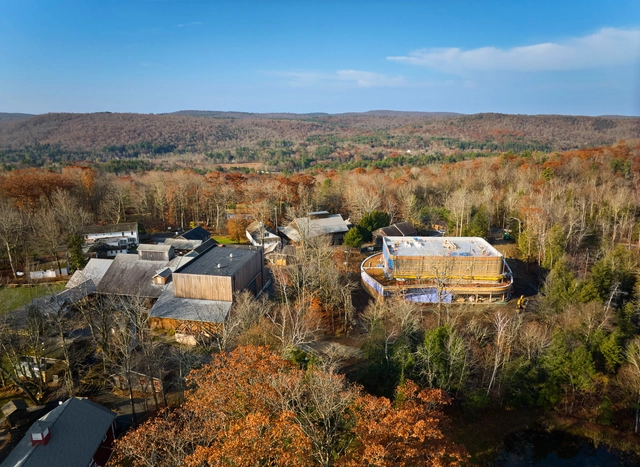
Studio Gang Breaks Ground on Hudson Valley Shakespeare Theater in Garrison, New York

Studio Gang's Samuel H. Scripps Theater Center has officially broken ground in Garrison, New York. Designed as the new permanent home for Hudson Valley Shakespeare (HVS), this 14,850-square-foot venue marks a significant development for the theater company, which is known for its open-air productions. The facility will be the first purpose-built, LEED Platinum-certified theater in the U.S., reflecting a strong commitment to environmental sustainability. It is located on a 98-acre campus along the Hudson River, providing a natural setting that integrates architecture with the surrounding landscape.
Studio Gang Breaks Ground on Hudson Valley Shakespeare Theater in Garrison, New York - Image 1 of 4Studio Gang Breaks Ground on Hudson Valley Shakespeare Theater in Garrison, New York - Image 2 of 4Studio Gang Breaks Ground on Hudson Valley Shakespeare Theater in Garrison, New York - Image 3 of 4Studio Gang Breaks Ground on Hudson Valley Shakespeare Theater in Garrison, New York - Image 4 of 4Studio Gang Breaks Ground on Hudson Valley Shakespeare Theater in Garrison, New York - More Images