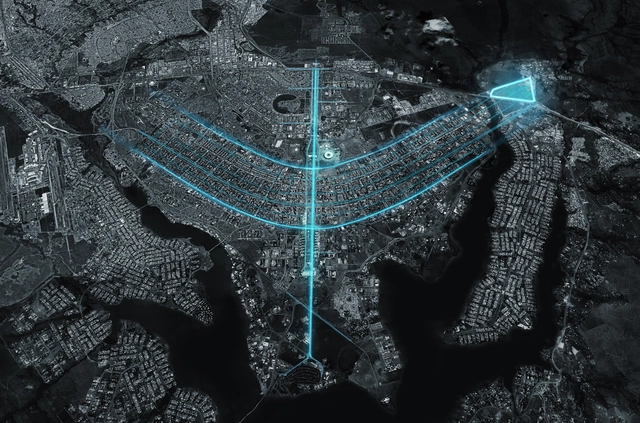
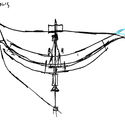
CRA - Carlo Ratti Associati has unveiled a major extension for Brazilia, reinterpreting “Lúcio Costa and Oscar Niemeyer’s modernist master plan for Biotic - a high-tech innovation district immersed in nature”. Developed in collaboration with Ernst&Young, the project that started in 2018 reimagines primarily the superblocks.
World Heritage Site is the title given to specific places on the globe (landscapes, cultural routes, cities, or architectural structures) by the United Nations Educational, Scientific, and Cultural Organization, or UNESCO, as a way to recognize their natural or cultural relevance and to encourage their preservation. Up to 2019, 1121 places in over 167 countries have been declared World Heritage Sites, of which 869 are cultural, 213 natural and 39 are mixed category.
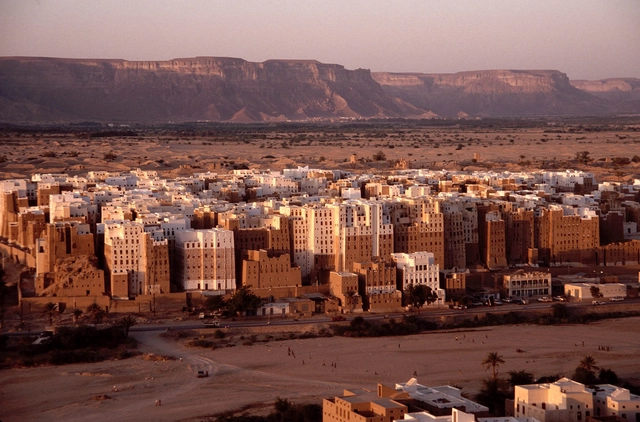
Walking through narrow chaotic alleys dwarfed by soaring towers, few would estimate the age of Yemen's city of Shibam at nearly 1,700 years. Located in Yemen's central Hadhramaut district, Shibam has roots in the pre-Islamic period, and evidence of construction dating from the 9th century.
Shibam is known as the first city on earth with a vertical masterplan. A protected UNESCO World Heritage Site since 1982, the city is home to densely packed buildings ranging from four to eight storeys, beginning in 300 AD but now mostly built after 1532. Thanks to a fortified ring wall, the city has survived nearly two thousand years despite its precarious position adjacent to the wadi floodplain.
Enter the ancient walled world of Shibam after the break
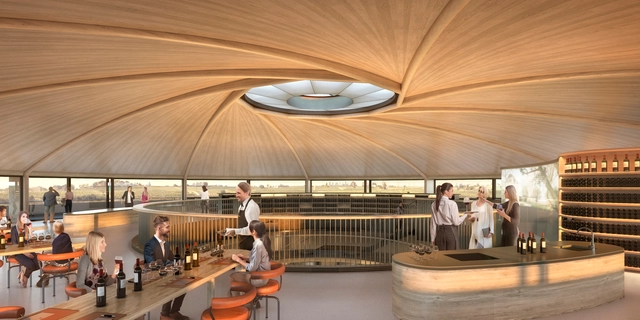
Le Dome Winery, Bordeaux, France. Image Courtesy of Foster + Partners
Foster + Partners have released images for their proposal for the new Le Dôme winery in Saint-Émilion, the firm’s second winery in the Bordeaux area, the first being Château Margaux in 2015. Located in a UNESCO World Heritage Cultural Landscape, the design blends seamlessly with the topography.
The Latvian city of Riga, the largest between the three Baltic states, is undergoing a cultural and urban renaissance. The city's pedestrian-only Old Town is a UNESCO World Heritage Site with several museums, cultural centers, and restaurants, attracting thousands of new visitors every year.
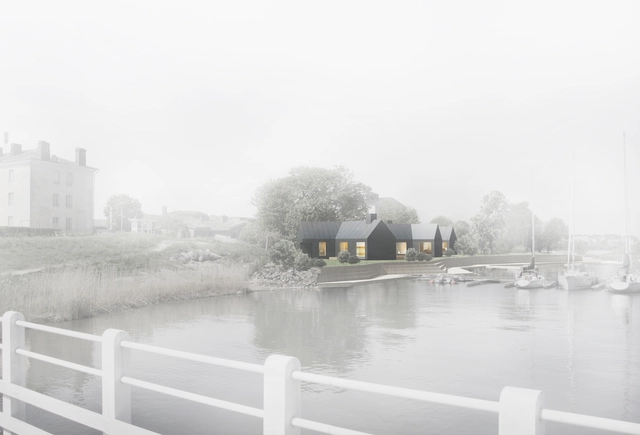
Feilden Clegg Bradley Studios has received unanimous planning approval for the third phase of work in Cornwall. Called Hayle North Quay, the 20 acre mixed use regeneration project was made to create a contemporary harbourside as part of the region's UNESCO World Heritage Site. The scheme draws inspiration from Cornish coal wharf heritage and the natural landscape to creating a vibrant vision for Cornwall's coast.
After carefully deliberating in their annual session, UNESCO's World Heritage Committee selected 19 new sites to inscribe on the World Heritage List in the city of Manama in Bahrain. Featuring 13 cultural sites such as Buddhist mountain monasteries in Korea, the industrial city of Ivrea in Italy, and the Caliphate city of Medina Azahara in Spain, alongside three natural sites and three mixed sites (classified as both cultural and natural heritage), the list now aggregates to 1092 sites in 167 countries.
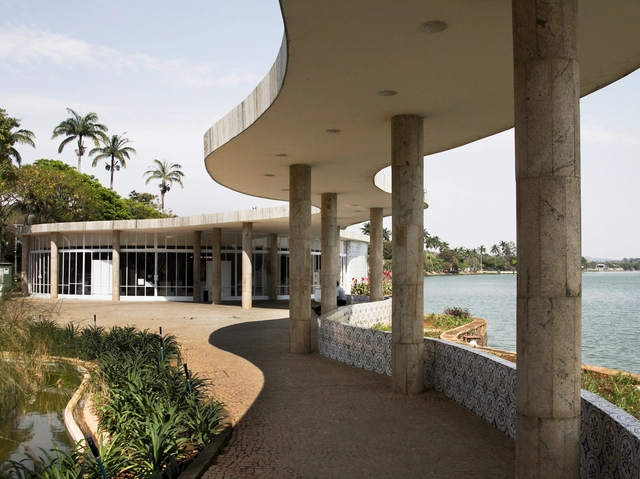
From the historical Sultan Ahmed Mosque in Istanbul to the contemporary city of Brasilia orchestrated by Oscar Niemeyer, the World Heritage List has continuously exhibited varied examples of architecture and urban planning from different eras and movements from around the world. Amongst the new additions, there are several sites of religious importance, city organization, and natural conservation.
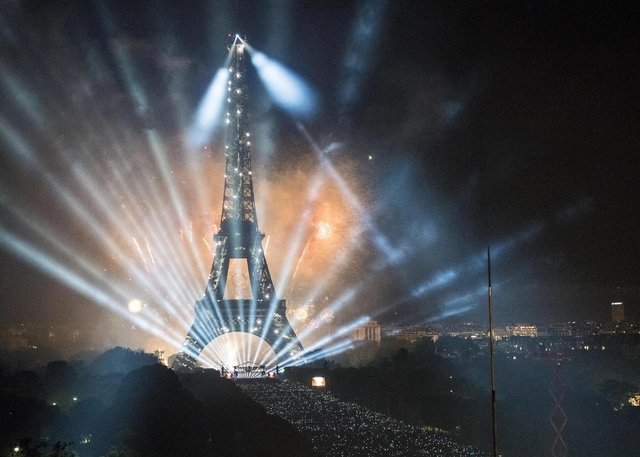
Thanks to their loud, brash, and nocturnal nature, rock concerts are often held in dark bars and nightclubs designed to withstand the abuse of rowdy fans and guitar-smashing rockers. But as musicians earn a following, they eventually graduate from beer-soaked basements to prestigious theaters, outdoor amphitheaters, arenas, and stadiums. For performers and music fans alike, playing or attending a show in a space like Carnegie Hall, the Royal Albert Hall, Madison Square Garden or Colorado’s Red Rocks Amphitheater can be a momentous, once-in-a-lifetime opportunity that ties together the sublime power that great music and architecture can both evoke. As rare as these opportunities are, an exclusive group of iconic musicians have managed to reach an even higher level of prestige by organizing one-off performances amid humanity’s most treasured historical sites—from the Acropolis and ancient Mayan cities to the Colosseum and the Eiffel Tower.
While these special concerts have given fans the chance to experience music history firsthand, many have also been mired in scandal as local officials and residents have raised concerns about potential damage to the sites or inappropriate commercial misuse of treasured cultural landmarks. Despite these legitimate and often justified concerns, these nine iconic sites have hosted some of the most ambitious concerts in the history of popular music:
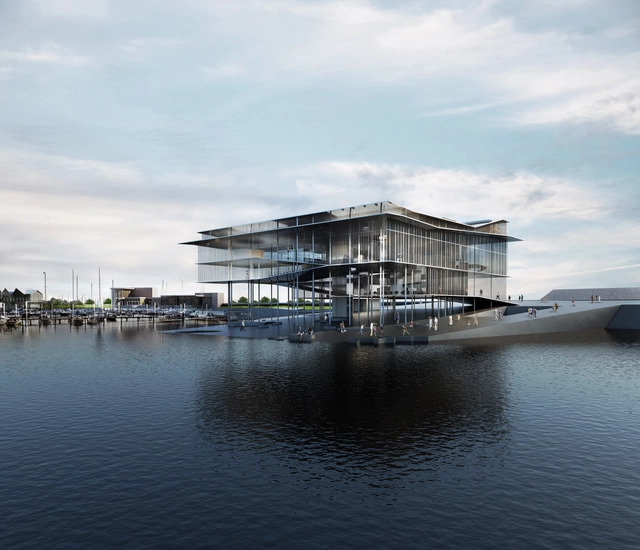
Denmark-based architect Dorte Mandrup has won her third UNESCO World Heritage Center project, with her design of the Trilateral Wadden Sea World Heritage Partnership Centre. The project was the winner in a contest to design a new headquarters for the Centre, an organization that aims to protect the Wadden Sea and is jointly run by Denmark, Germany, and the Netherlands.
With the completion of the citywide light-rail expected in 2020, connecting Tel Aviv’s city center to neighboring Ramat Gan, Ramat HaHayal, Bat Yam, Jaffa, and Givatayim brings a new wave of residential architecture to transform the skyline. The city of Tel Aviv boasts the highest land value in the Middle East, and with this new connectivity it is only projected to increase demand and value.
The city Tel Aviv is deemed a UNESCO World Heritage Site for its collection of over 4,000 Bauhaus and Eclectic Architecture-style builds. The original city plan was made in 1925 by Sir Patrick Geddes, and is about to witness a significant shift. To promote density, the “TAMA 38” policy gives developers the opportunity to add additional units and floors in exchange for updating the existing units and infrastructure.
The Pavilion d’Eau, designed by EPFL architecture student Alexander Wolhoff, was constructed in Lake Geneva, Switzerland. The pavilion is a product of six months of research, prototyping, and coordination with different local and academic organizations done in conjunction with LHT3 labs. The exterior of the octagon pavilion has a structural aesthetic, while the interior -- only accessed by wading in the water -- is ornamental, clad in handmade ceramic tiles.
The UNESCOWorld Heritage Site municipality of Saint-Saphorin en Lavaux allowed for the temporary pavilion in the waters of Lake Geneva. The project is designed to touch the landscape lightly, not affecting the natural lake bed. The pavilion is comprised of materials including lake stones, wood, and porcelain tiles. To ensure a minimal and reversible impact on the site, the footings of the pavilion are made of seven gabions, metal cages filled with stones collected from the lake.
Kotor is an ancient fortified city located in a secluded bay on Montenegro's Adriatic coast. It has been Venetian, Austrian and—most recently—part of the former Yugoslavia. Today, as part of an independent nation, it's narrow streets, small squares, and warm stone buildings define the character of a UNESCO World Heritage Site which, each summer, becomes one vast cruise terminal as tourists arrive in their droves to bask in it's dry heat and spectacular natural environment. At this time, however, it also plays host to KotorAPSS (Architectural Prison Summer School) – an eight day-long gathering dedicated to infusing contemporary cultural life into the city by means of temporary architectural installations.
The white plaster walls and sweeping terraces of Himeji-jo inspire its other name, “Castle of the White Heron.” . ImageCourtesy of Wikimedia user Oren Rozen (licensed under CC BY-SA 4.0)
With its gleaming white walls and elegantly terraced roofs, it is easy to forget that HimejiCastle was built as a fortress . Standing on two hilltops in the city of Himeji, the old fortress, also known as Himeji-jo, is the greatest surviving example of Japanese castle architecture from the early years of the Shogunate, which governed the island nation from the late 1500s to the 19th Century. Although never tested in battle, the castle’s elaborate defensive measures represent the best strategic design the period produced. While these measures have since been rendered obsolete, the same cannot be said for the castle’s soaring, pristine aesthetic, which earned it the nickname Shirasagi-jo – “Castle of the White Heron.”
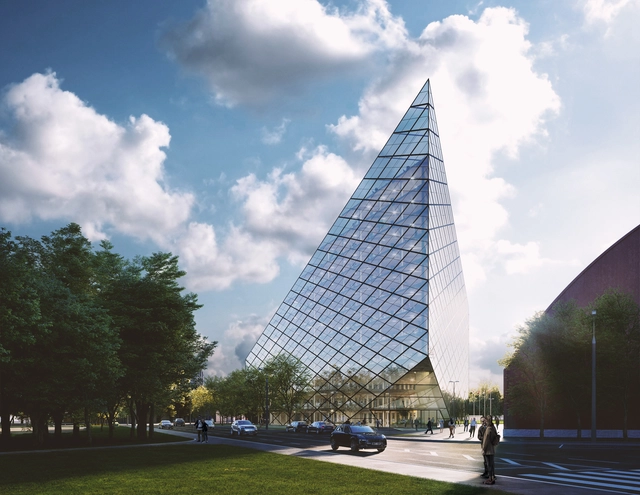
Perspective view. Image Courtesy of Heikkinen & Kangasaho
When placed in a historic landscape, contemporary architecture requires a layered approach. It must often strike a respectful, vernacular tone, whilst embracing the innovative, functional hallmarks of a modern building. This balance has particular relevance at Suomenlinna Sea Fortress, located off the coast of Helsinki, Finland. Throughout its 300-year history, it was once occupied by the armies of Sweden, Russia and Finland – a rich history attracting UNESCO World Heritage status, and almost one million annual visitors. The site is more than a museum, however, but a living district of Helsinki with 800 inhabitants and 500 jobs.
Against the prerequisites of past and present, Heikkinen & Kangasaho Architects have combined sharp, functional modernity with respectful, restrained simplicity in a new housing scheme to sit amongst Suomenlinna’s historic fortifications.
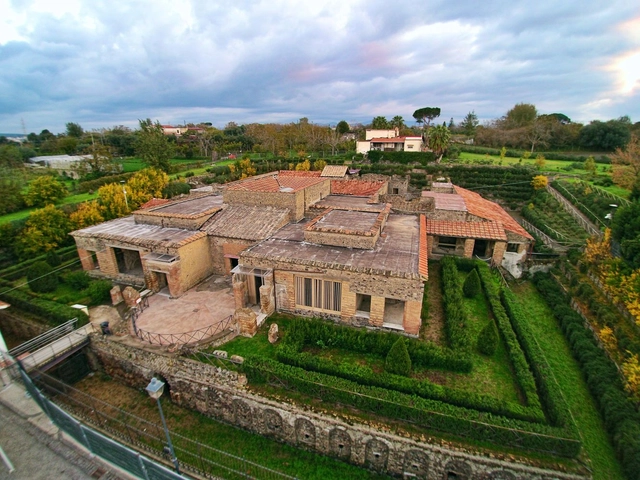
One of Pompeii’s most precious gems, the Villa of Mysteries, is now at risk of collapse due to seismic activity in the Bay of Naples, as well as vibrations from a nearby train line transporting tourists. That's the conclusion of a recent study conducted by Italy’s National Agency for New Technologies, Energy and Sustainable Economic Development (ENEA). The news comes only a few months after the reopening of the house, whose stunning frescoes had just been restored.
As The Telegraph reports, the high-tech study showed that “in addition to the vibrations from the Vesuvius light railway commuter trains, which ferry tourists to Pompeii from Naples, the protective structure around the villa, built in armored cement, wood and steel 50 years ago is threatened by its own weight and water ingress.”
















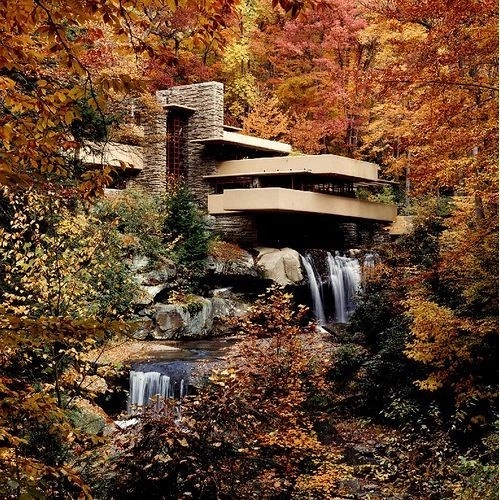















.jpg?1499781753 "Asmara. Image© <a href='https://commons.wikimedia.org/wiki/File:Asmara_(8351468351).jpg'>Wikimedia user David Stanley</a> licensed under <a href='https://creativecommons.org/licenses/by/2.0/deed.en'>CC BY 2.0</a>")











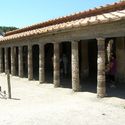
-19.jpg?1468604454 "© User:MatthiasKabel [CC BY-SA 3.0], via Wikimedia Commons")
-03.jpg?1468604394 "© User:MatthiasKabel [CC BY-SA 3.0], via Wikimedia Commons")
-16.jpg?1468604611 "© User:MatthiasKabel [CC BY-SA 3.0], via Wikimedia Commons")
