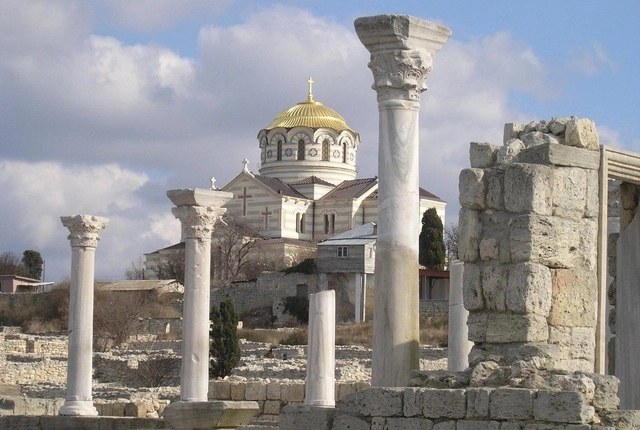
An International European cultural project, U-RE-HERIT, launched an initiative to protect Ukraine’s architecture, heritage, and memory. This wide consortium of architectural institutions came together to reach a common goal of preserving Ukrainian culture. With the ongoing crisis, the project aims to address heritage as a resource for cultural, social, environmental, and economic recovery. Moreover, the project hopes to redefine local cultural identity and rebuild the city with the sensitivity of collective memory.
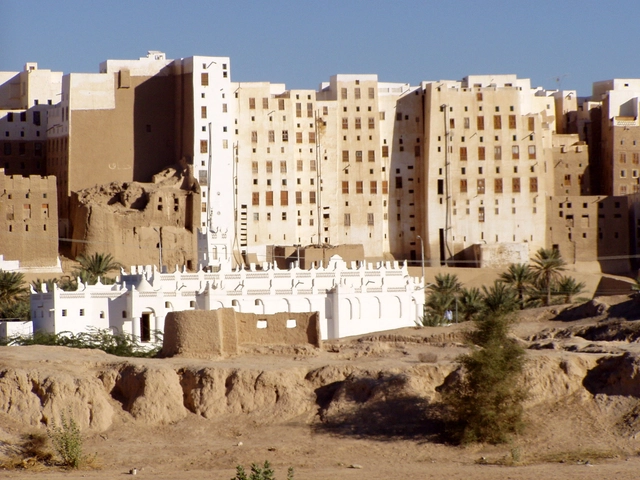
Skyscrapers are an unmissable characteristic of contemporary settlements. From São Paolo to New York, from Seoul to Dubai – these towering structures are a ubiquitous part of the urban fabric. The conventional image one has of these structures is of curtain-walled facades, but in Yemen – an ancient example goes against this trend. Central Yemen is home to the city of Shibam, surrounded by a fortified wall. It’s also home to a dazzling example of architectural ingenuity – tower houses that date back to the 16th century, stretching up to seven stories high.
Videos
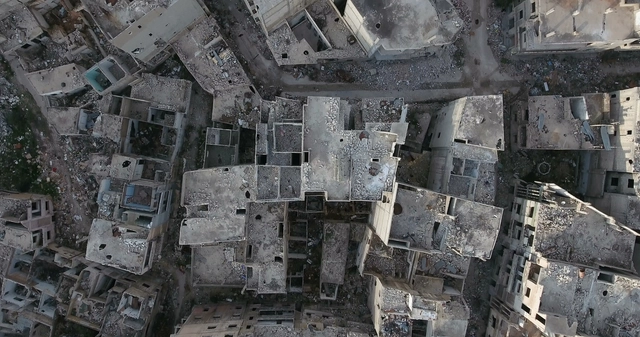
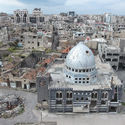
the city of Homs in Syria. Image via Shutterstock/ By Fly_and_Dive
In a world devastated by war and destruction, new ideas for future reconstruction of cities are emerging. The latest technologies are creating opportunities to shape better built environments and better urban experiences. While the world has had its fair share of failed attempts of post-war reconstruction, the 21st century is promising concepts more in touch with culture, integration, and sustainability.
As we all know, technology is the game-changer of this century. It has ultimately modified how we design and build, and with the development of Artificial Intelligence, boundaries have been pushed furthermore. Able to transform the environment we live in, AI can also help shape a better version of the environment we have lost.
Islam, other than describing a religious belief, is a word that identifies a unique type of architecture that dates back thousands of years. It has been formed by a civilization that transformed the qualities of this belief into visible and tangible material, building structures with a striking focus on details and experiences within enclosed spaces.
Islamic architecture is an architecture that does not change its form easily. In fact, its principles have been more or less the same since thousands of years ago, with minor changes based on functional adaptations. To this day, hundreds of buildings still stand as a representation of the history of Islamic architecture and are still used just as they have been in the past.
War, however, has no religion or cultural nostalgia, and even the holiest, most historically-significant sites are threatened with complete destruction. The Great Umayyad Mosque in Aleppo, originally built by the first imperial Islamic dynasty and currently situated within a UNESCO World Heritage Site, stood yet again as a battlefield during the recent Syrian War, but this time, lost its most significant and resilient element, an 11th-century Seljuk Minaret.
















.jpg?1563871474 "Courtesy of SSNP Media Wars")
.jpg?1563871762 "Courtesy of SSNP Media Wars")
.jpg?1563871762)