1. ArchDaily
  2. water management

water management: The Latest Architecture and News

The 2026 Edition of the UIA 2030 Award Honors Built Projects Advancing the UN Sustainable Development Goals

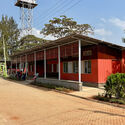
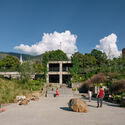
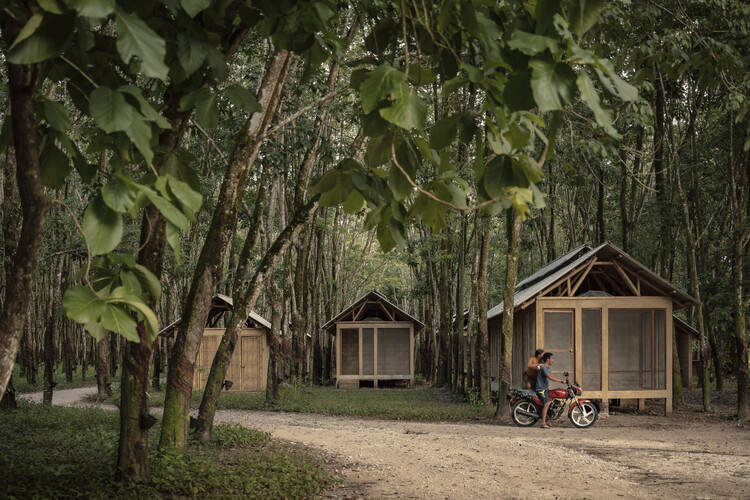
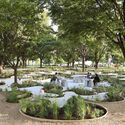
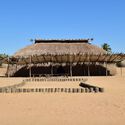
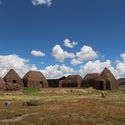
During a ceremony held at the World Urban Forum (WUF) in Baku, Azerbaijan, on May 20, 2026, the International Union of Architects (UIA) and UN-Habitat announced the winners of the third cycle of the UIA 2030 Award. The biennial award recognizes built projects that make meaningful contributions to achieving the United Nations Sustainable Development Goals (SDGs). Architects were invited to submit architecture, landscape, and urban design projects addressing pressing environmental, social, and economic challenges across six categories: sustainable water management, the promotion of safe working environments, adequate and affordable housing, efficient and inclusive planning, access to green and public space, and climate resilience.

The third cycle launched in July 2025, and regional finalists from the UIA's five global regions were announced in January. In the final stage, the jury selected winning, highly commended, and commended projects in each category, recognizing works in China, Bangladesh, India, Thailand, Mexico, Peru, Colombia, Spain, Kenya, Morocco, and the United States.
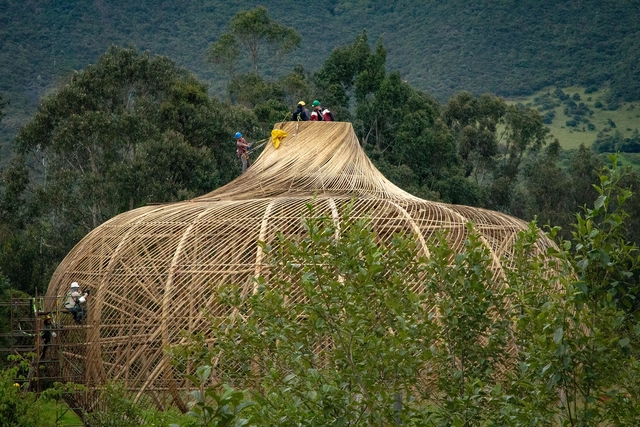
The 2026 Edition of the UIA 2030 Award Honors Built Projects Advancing the UN Sustainable Development Goals - Image 1 of 4The 2026 Edition of the UIA 2030 Award Honors Built Projects Advancing the UN Sustainable Development Goals - Image 2 of 4The 2026 Edition of the UIA 2030 Award Honors Built Projects Advancing the UN Sustainable Development Goals - Image 3 of 4The 2026 Edition of the UIA 2030 Award Honors Built Projects Advancing the UN Sustainable Development Goals - Image 4 of 4The 2026 Edition of the UIA 2030 Award Honors Built Projects Advancing the UN Sustainable Development Goals - More Images+ 119

On International Mother Earth Day: Urban Rewilding, Aquatic Ecosystems, and Ancestral Practices for Biodiversity

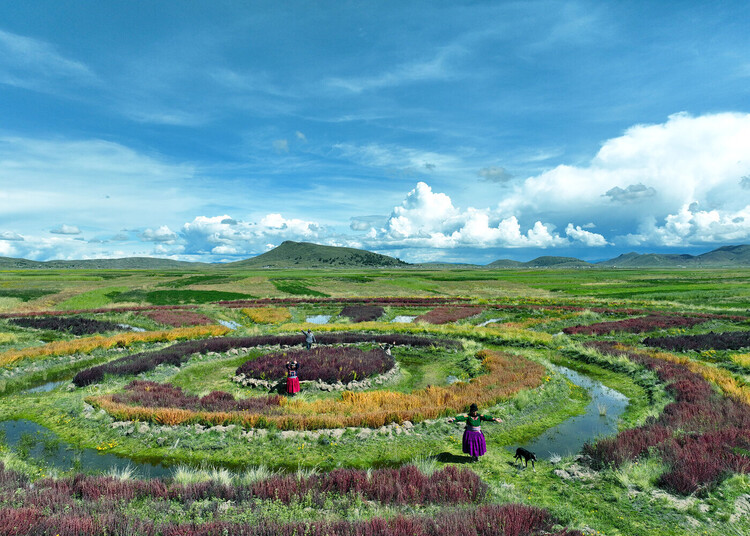
The United Nations' International Mother Earth Day, observed annually on April 22, aims to "promote harmony with nature and the Earth." In light of the urgency posed by climate change, it seeks to raise awareness of the challenges of preserving all forms of life supported by the planet. It is a call to the global community to safeguard biodiversity while striving to balance economic, social, and ecological systems. Crimes against biodiversity include large-scale practices such as deforestation, land-use change, intensified agriculture, livestock production, and illegal wildlife trade, all considered by the UN to be accelerating factors in the destruction of the planet.

On International Mother Earth Day: Urban Rewilding, Aquatic Ecosystems, and Ancestral Practices for Biodiversity - Image 1 of 4On International Mother Earth Day: Urban Rewilding, Aquatic Ecosystems, and Ancestral Practices for Biodiversity - Image 2 of 4On International Mother Earth Day: Urban Rewilding, Aquatic Ecosystems, and Ancestral Practices for Biodiversity - Image 3 of 4On International Mother Earth Day: Urban Rewilding, Aquatic Ecosystems, and Ancestral Practices for Biodiversity - Image 4 of 4On International Mother Earth Day: Urban Rewilding, Aquatic Ecosystems, and Ancestral Practices for Biodiversity - More Images+ 6

'All Architecture is Water Architecture': Eva Franch i Gilabert, Mireia Luzárraga and Alejandro Muiño on Catalonia's Pavilion in Venice

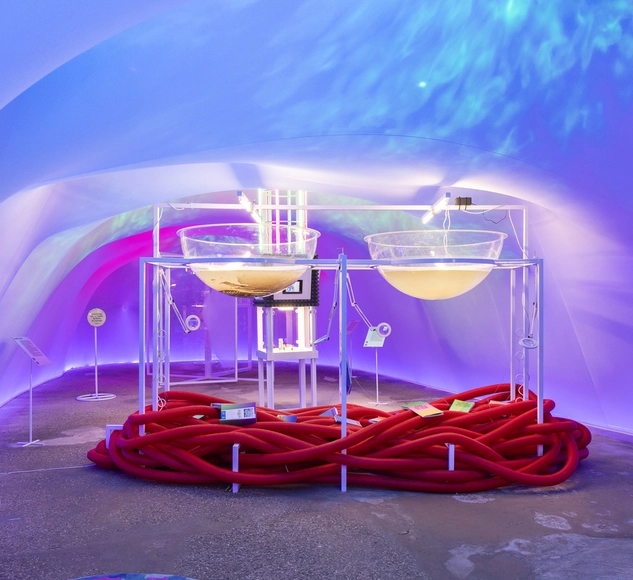
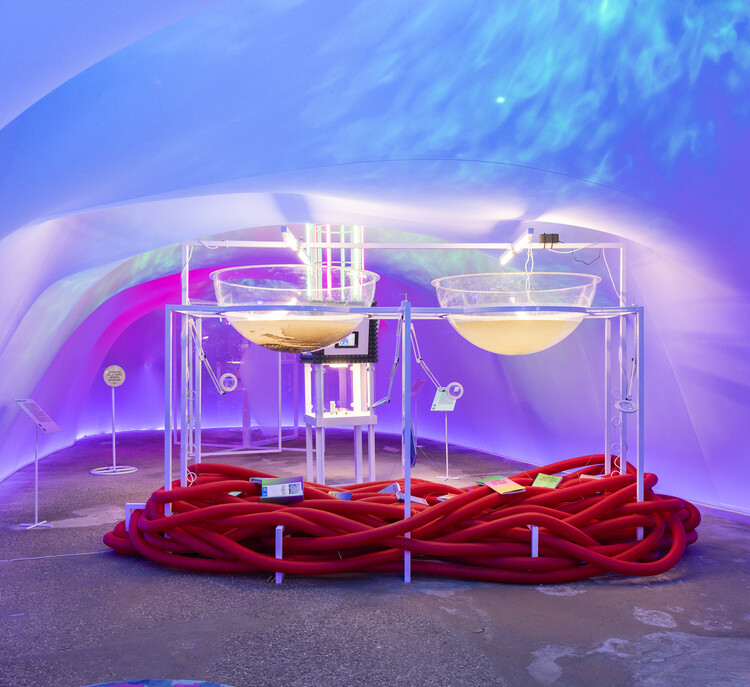
As part of the collateral events of the 2025 Venice Architecture Biennale, the Institut Ramon Llull presents the project "Water Parliaments: Projective Ecosocial Architectures", bringing together the waters of Lleida, Girona, Tarragona, Barcelona, Valencia, the Balearic Islands, and beyond to address the water crisis as an interconnected ecosocial, cultural, and political issue. Framing architecture as a tool for critical speculation and collective action, the project advocates for the imagining of future scenarios grounded in coexistence—interweaving the human and non-human, the natural and artificial, the technological and vernacular, the global and the local.

'All Architecture is Water Architecture': Eva Franch i Gilabert, Mireia Luzárraga and Alejandro Muiño on Catalonia's Pavilion in Venice - Image 1 of 4'All Architecture is Water Architecture': Eva Franch i Gilabert, Mireia Luzárraga and Alejandro Muiño on Catalonia's Pavilion in Venice - Image 2 of 4'All Architecture is Water Architecture': Eva Franch i Gilabert, Mireia Luzárraga and Alejandro Muiño on Catalonia's Pavilion in Venice - Image 3 of 4'All Architecture is Water Architecture': Eva Franch i Gilabert, Mireia Luzárraga and Alejandro Muiño on Catalonia's Pavilion in Venice - Image 4 of 4'All Architecture is Water Architecture': Eva Franch i Gilabert, Mireia Luzárraga and Alejandro Muiño on Catalonia's Pavilion in Venice - More Images+ 27

Zaha Hadid Architects Reveals Climate-Resilient Design for Al Khuwair Waterfront in Oman

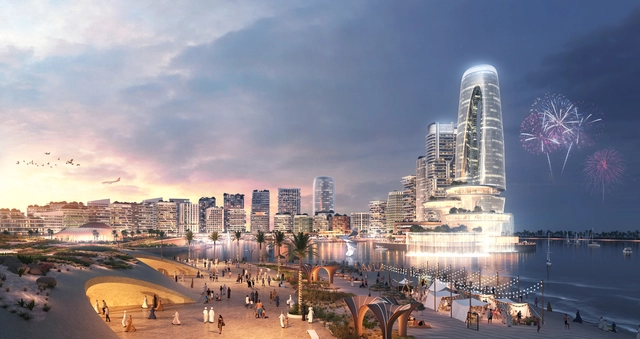
Zaha Hadid Architects have unveiled a large-scale project for the redevelopment of the Al Khuwair waterfront in downtown Muscat, the capital of Oman. The $1.3bn project covers an area of 3.3 million square meters. It aims to revitalize the area through sustainability-led design principles to accommodate the expected population growth, which is expected to almost double by 2040. The plans are developed in collaboration with Buro Happold to incorporate and transform the existing buildings on site, introduce coastal and climate resilience measures, and create an efficient transit-oriented infrastructure.

Zaha Hadid Architects Reveals Climate-Resilient Design for Al Khuwair Waterfront in Oman - Image 1 of 4Zaha Hadid Architects Reveals Climate-Resilient Design for Al Khuwair Waterfront in Oman - Image 2 of 4Zaha Hadid Architects Reveals Climate-Resilient Design for Al Khuwair Waterfront in Oman - Image 3 of 4Zaha Hadid Architects Reveals Climate-Resilient Design for Al Khuwair Waterfront in Oman - Image 4 of 4Zaha Hadid Architects Reveals Climate-Resilient Design for Al Khuwair Waterfront in Oman - More Images+ 1

Landscape Architect Sara Zewde Reimagines the Land at Dia Beacon, New York

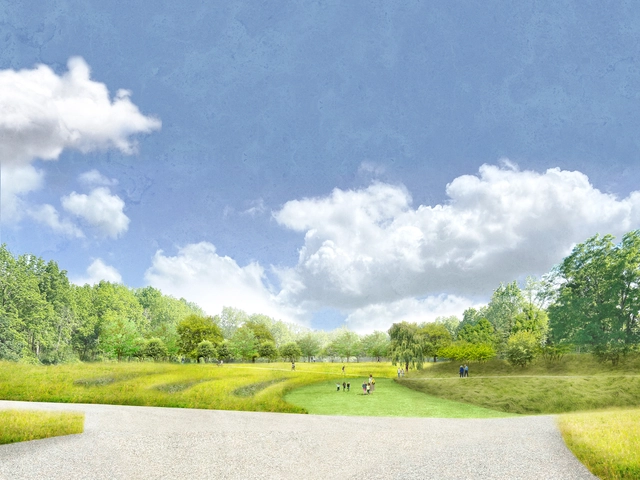
Dia Art Foundation announced a major landscape project to reimagine the land at Dia Beacon, New York. Commissioned landscape architect Sara Zewde of Studio Zewde aims to go beyond the simple arrangement of attractive plants and integrate ideas of ecology, culture, and people into the design. Taking over the museum’s 32-acre campus, the project will create an expanded outdoor park, free to access for visitors and locals alike, complete with native meadows, sculptural landforms, and winding pathways. The project, which has been recently extended to also include the museum’s eight back acres, is expected to open to the public in 2025.

Landscape Architect Sara Zewde Reimagines the Land at Dia Beacon, New York - Image 1 of 4Landscape Architect Sara Zewde Reimagines the Land at Dia Beacon, New York - Image 2 of 4Landscape Architect Sara Zewde Reimagines the Land at Dia Beacon, New York - Image 3 of 4Landscape Architect Sara Zewde Reimagines the Land at Dia Beacon, New York - Image 4 of 4Landscape Architect Sara Zewde Reimagines the Land at Dia Beacon, New York - More Images+ 14

Indonesia Plans to Build Its New Capital from the Ground Up to Replace the Sinking City of Jakarta

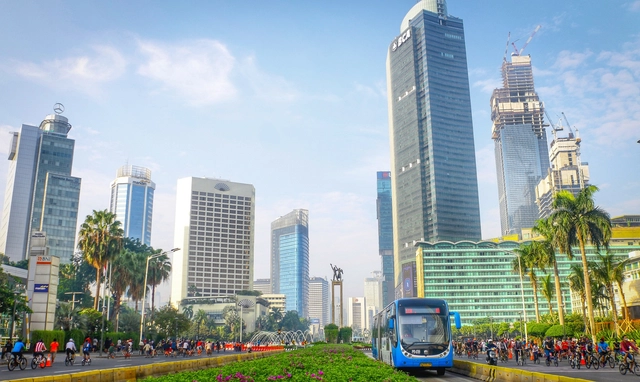
The Indonesian parliament has approved a bill to relocate the capital from the city of Jakarta to a completely new city to be built on the island of Borneo, 1,300 kilometers from the current capital. The decision, first announced in 2019, comes as a reaction to the myriad of challenges faced by Jakarta, including pollution, traffic congestion, and, perhaps the most threatening, rising sea waters. As a consequence of excessive groundwater extraction, rapid urbanization, and rising sea levels, 40% of the city is currently below sea level, making it increasingly difficult for the infrastructure to protect the residents. President Joko Widodo proposes an alternative: relocating the administrative center of the country to a new green metropolis, to be named Nunsantara, meaning ‘archipelago’ in ancient Javanese.

Indonesia Plans to Build Its New Capital from the Ground Up to Replace the Sinking City of Jakarta - Image 1 of 4Indonesia Plans to Build Its New Capital from the Ground Up to Replace the Sinking City of Jakarta - Image 2 of 4Indonesia Plans to Build Its New Capital from the Ground Up to Replace the Sinking City of Jakarta - Image 3 of 4Indonesia Plans to Build Its New Capital from the Ground Up to Replace the Sinking City of Jakarta - Image 4 of 4Indonesia Plans to Build Its New Capital from the Ground Up to Replace the Sinking City of Jakarta - More Images+ 1

Architecture Philanthropy re:arc institute Announces the 2023–24 Grants, Practice Lab Collaborators, and Initiatives

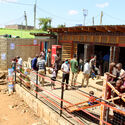
Copenhagen-based philanthropic association re:arc institute has announced the cohort of nonprofit organizations, people, and practices they will support throughout 2024. The organization founded in 2022 works at the intersection of climate action and architectural philanthropy, aiming to support the development of solutions that address the root causes and consequences of climate change.

The architectural field often adheres to conventional industry models, either client-based or competition-based, which can perpetuate problematic or extractive motivations. The re:arc institute hopes to rethink the architecture discipline’s potential for addressing social and environmental concerns by providing a blueprint for pioneering philanthropic projects. To do so, they provide funding to nonprofits, individuals, and community-led projects exploring innovative approaches that prioritize planetary well-being. Their focus is on hyper-local, grassroots initiatives that address climate crises with a strong emphasis on the unique needs of specific places and communities.
Architecture Philanthropy re:arc institute Announces the 2023–24 Grants, Practice Lab Collaborators, and Initiatives - Image 1 of 4Architecture Philanthropy re:arc institute Announces the 2023–24 Grants, Practice Lab Collaborators, and Initiatives - Image 2 of 4Architecture Philanthropy re:arc institute Announces the 2023–24 Grants, Practice Lab Collaborators, and Initiatives - Image 3 of 4Architecture Philanthropy re:arc institute Announces the 2023–24 Grants, Practice Lab Collaborators, and Initiatives - Image 4 of 4Architecture Philanthropy re:arc institute Announces the 2023–24 Grants, Practice Lab Collaborators, and Initiatives - More Images+ 12

Wenk Associates: Working with Water

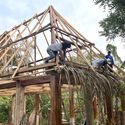
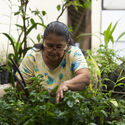
The need to rapidly adapt to climate change has rightfully taken center stage. But the connections between climate change and stormwater management are often overlooked. Climate change impacts the hydrological cycle by increasing water scarcity and the frequency and intensity of flooding while contaminating waterways. Better managing stormwater is key to managing water resources and protecting our safety and the health of our environment.
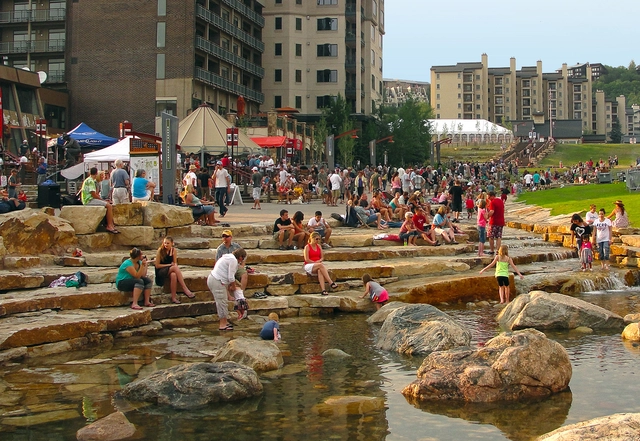
Wenk Associates: Working with Water - Image 1 of 4Wenk Associates: Working with Water - Image 2 of 4Wenk Associates: Working with Water - Image 3 of 4Wenk Associates: Working with Water - Image 4 of 4Wenk Associates: Working with Water - More Images+ 5

How to Save Water with a Smart Water-Management System

 | Sponsored Content

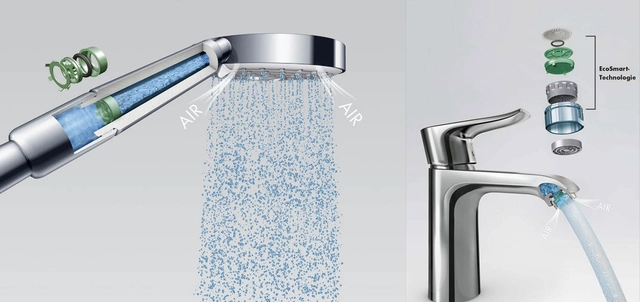
Water scarcity will directly affect nearly 20% of the human population by 2025, according to several UN reports, and indirectly influence the rest of the planet’s inhabitants as well as economies and the whole ecosystems. Designing effective water management systems is an important process that encompasses the planning, developing, and managing of water resources, in terms of both water quantity and quality, across all water uses. It includes the institutions, infrastructure, incentives, and information systems that support and guide water management.

The Trends that Will Influence Architecture in 2019

It is, once again, the time of year where we look towards the future to define the goals and approaches that we will take for our careers throughout the upcoming year. To help the millions of architects who visit ArchDaily every day from all over the world, we compiled a list of the most popular ideas of 2018, which will continue to be developed and consolidated throughout 2019.

Over 130 million users discovered new references, materials, and tools in 2018 alone, infusing their practice of architecture with the means to improve the quality of life for our cities and built spaces. As users demonstrated certain affinities and/or demonstrated greater interest in particular topics, these emerged as trends.