1. ArchDaily
  2. Waterfront Design

Waterfront Design: The Latest Architecture and News

UNStudio Reveals River-Oriented Master Plan for Former Industrial Site in Cluj-Napoca, Romania

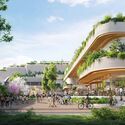
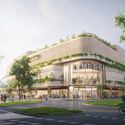
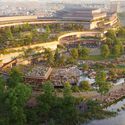
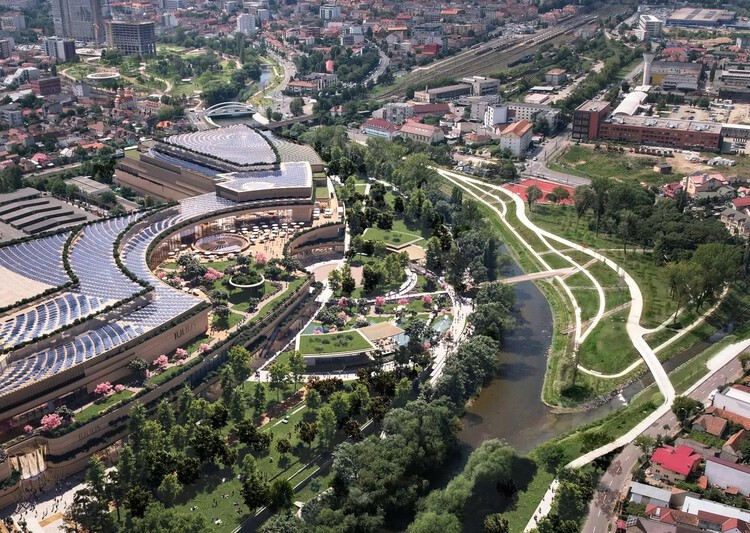
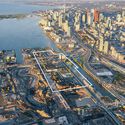
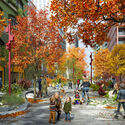
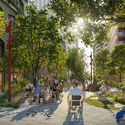
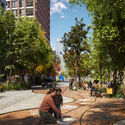
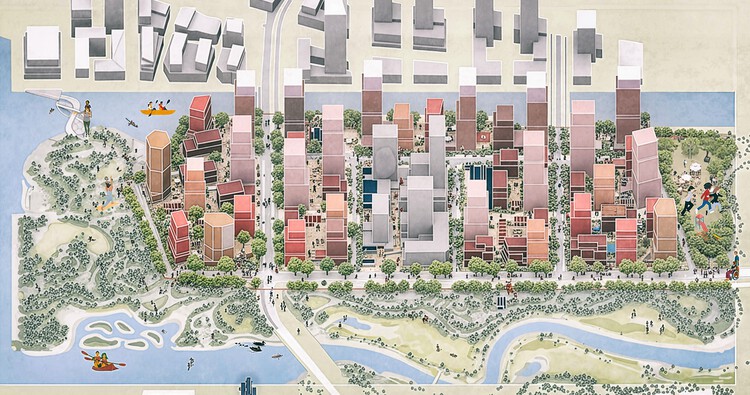
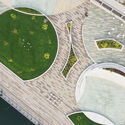
A former industrial site along the Someș River in Cluj-Napoca, Romania, is being transformed into a large-scale mixed-use district that reconnects the city with its waterfront. Designed by UNStudio in collaboration with Felixx Landscape Architects and Planners for developers IULIUS and Atterbury Europe, the RIVUS project combines urban regeneration, adaptive reuse, landscape design, and new public infrastructure within a single framework. Developed through a public participation process involving local residents, the proposal will transform the former Carbochim industrial platform into a river-oriented district organized around public space, mobility, and everyday urban activity.

UNStudio Reveals River-Oriented Master Plan for Former Industrial Site in Cluj-Napoca, Romania - Image 1 of 4UNStudio Reveals River-Oriented Master Plan for Former Industrial Site in Cluj-Napoca, Romania - Image 2 of 4UNStudio Reveals River-Oriented Master Plan for Former Industrial Site in Cluj-Napoca, Romania - Image 3 of 4UNStudio Reveals River-Oriented Master Plan for Former Industrial Site in Cluj-Napoca, Romania - Image 4 of 4UNStudio Reveals River-Oriented Master Plan for Former Industrial Site in Cluj-Napoca, Romania - More Images+ 1

SLA Designs Public Spaces and Streetscapes for Toronto's New Island Community in the Port Lands

Landscape and urban design studio SLA has unveiled the design for the public realm and streetscapes of Toronto's new 39.8-hectare waterfront community. The urban landscape project "Ookwemin Minising" is located in the Port Lands, an industrial and recreational district southeast of downtown Toronto, currently undergoing urban revitalization to transform the area from a former industrial zone into a naturalized river valley, mixed-use neighbourhoods, and public parkland. The overall transformation is being led by Waterfront Toronto, a publicly funded, not-for-profit corporation established in 2001 to oversee the regeneration of the area, as part of a broader government initiative to renaturalize urban areas and increase housing density. The redevelopment of Ookwemin Minising is expected to be completed in phases between 2031 and 2040.

SLA Designs Public Spaces and Streetscapes for Toronto's New Island Community in the Port Lands - Image 1 of 4SLA Designs Public Spaces and Streetscapes for Toronto's New Island Community in the Port Lands - Image 2 of 4SLA Designs Public Spaces and Streetscapes for Toronto's New Island Community in the Port Lands - Image 3 of 4SLA Designs Public Spaces and Streetscapes for Toronto's New Island Community in the Port Lands - Image 4 of 4SLA Designs Public Spaces and Streetscapes for Toronto's New Island Community in the Port Lands - More Images+ 6

The Embarcadero Freeway: Elevated Infrastructure and Urban Regeneration in San Francisco

Subscriber Access | 

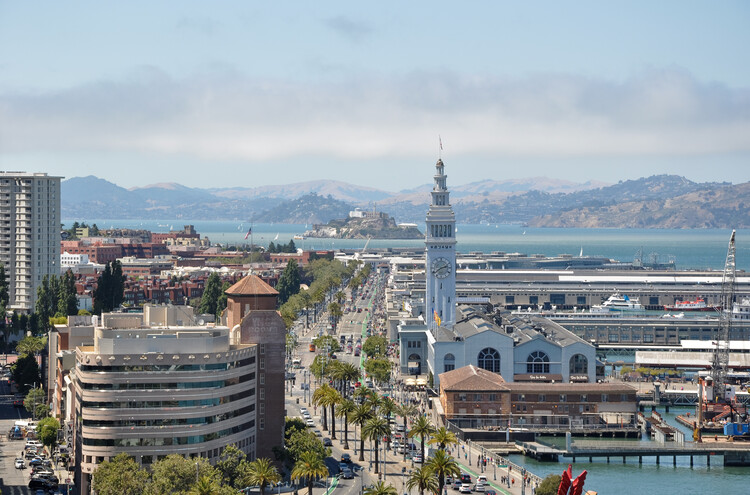
In recent decades, cities across the world have seen an increase in the demolition of elevated concrete freeways. Taipei, Seoul, Portland, and Boston, for example, have all seen the rise and fall of these infrastructures to give way to parks and new urban regeneration ideas. In other cases, like Montreal in Canada, some people opposed the freeways even before they were built, effectively rerouting viaducts, preserving heritage, and freeing waterfront views. For San Francisco, in the United States, the story of the Embarcadero Freeway is one of those narratives that serves as a case study of the city's mid-century infrastructural ambition, people's reaction to the project, and its eventual reversal in favor of urban connectivity.

The Embarcadero Freeway: Elevated Infrastructure and Urban Regeneration in San Francisco - Image 1 of 4The Embarcadero Freeway: Elevated Infrastructure and Urban Regeneration in San Francisco - Image 2 of 4The Embarcadero Freeway: Elevated Infrastructure and Urban Regeneration in San Francisco - Image 3 of 4The Embarcadero Freeway: Elevated Infrastructure and Urban Regeneration in San Francisco - Image 4 of 4The Embarcadero Freeway: Elevated Infrastructure and Urban Regeneration in San Francisco - More Images+ 3

Zaha Hadid Architects Designs Cultural District Along the Qiantang Bay Central Water Axis in Hangzhou, China

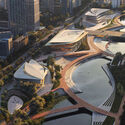
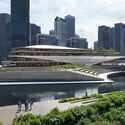
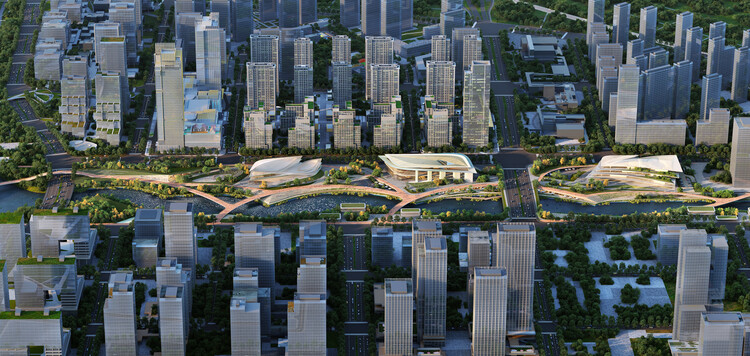
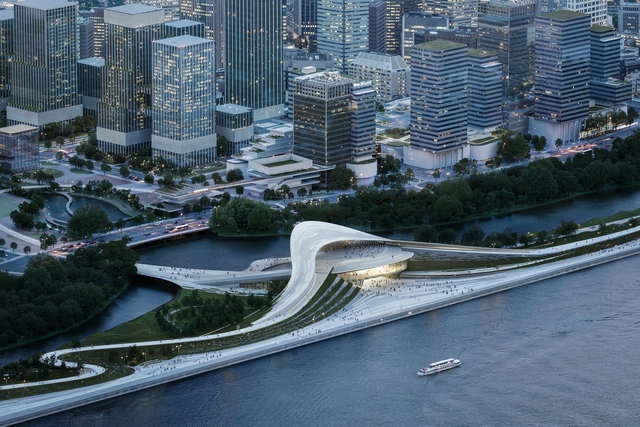
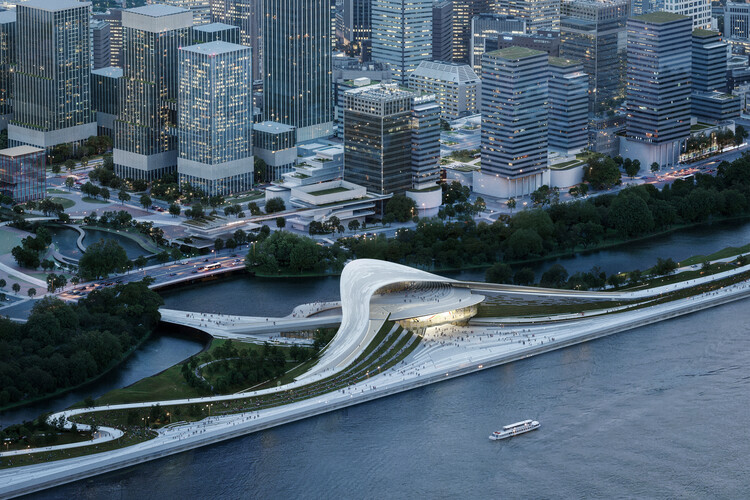
Zaha Hadid Architects has released images of its design for the redevelopment of the waterfront along the Zhedong Canal in Hangzhou's Xiaoshan District, China. The Qiantang Bay Central Water Axis project envisions a sequence of landscaped parklands, terraces, and gardens along the canal basin, proposing the transformation of former industrial areas into a green corridor extending toward the city center. The proposal adds to other recent design initiatives in the area, including Snøhetta's Qiantang Bay Art Museum, planned at the confluence of the Qiantang River and the Central Water Axis, as well as Zaha Hadid Architects' Grand Canal Gateway Bridge, a pedestrian bridge intended to connect the firm's 800,000-square-meter Seamless City masterplan on the east and west banks of the Grand Canal.

Zaha Hadid Architects Designs Cultural District Along the Qiantang Bay Central Water Axis in Hangzhou, China - Image 1 of 4Zaha Hadid Architects Designs Cultural District Along the Qiantang Bay Central Water Axis in Hangzhou, China - Image 2 of 4Zaha Hadid Architects Designs Cultural District Along the Qiantang Bay Central Water Axis in Hangzhou, China - Image 3 of 4Zaha Hadid Architects Designs Cultural District Along the Qiantang Bay Central Water Axis in Hangzhou, China - Image 4 of 4Zaha Hadid Architects Designs Cultural District Along the Qiantang Bay Central Water Axis in Hangzhou, China - More Images+ 2

Building at the Edge: New York and Hong Kong’s Competing Waterfront Logics

Subscriber Access | 

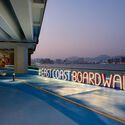
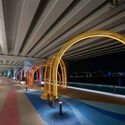
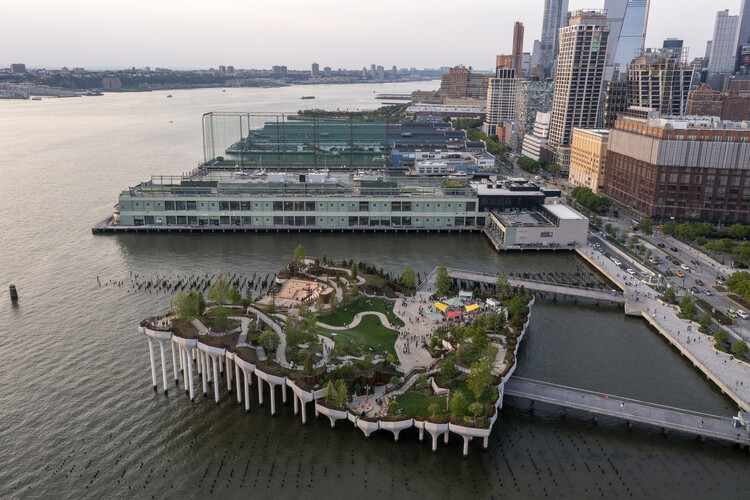
Coastal development in major cities has long been a terrain of opportunity and contention—shaped at once by the pursuit of capital (premium views, scarce land, and the promise of reclamation), by civic demands for public access and collective waterfront life, and by contemporary aspirations for sustainability and place-defining urban identity. Precisely because these agendas rarely align, extracting the full potential of waterfront sites is never straightforward.

Yet in New York City and Hong Kong, we can trace each city's ambitions—despite differing strategies, priorities, and political logics—through a set of keystone projects that anchor their coastlines. Read together, these projects reveal not only what each city chooses to value, but also what it is willing to trade off in order to build at the edge.

Building at the Edge: New York and Hong Kong’s Competing Waterfront Logics - Image 1 of 4Building at the Edge: New York and Hong Kong’s Competing Waterfront Logics - Image 2 of 4Building at the Edge: New York and Hong Kong’s Competing Waterfront Logics - Image 3 of 4Building at the Edge: New York and Hong Kong’s Competing Waterfront Logics - Image 4 of 4Building at the Edge: New York and Hong Kong’s Competing Waterfront Logics - More Images+ 15

Frida Escobedo to Design Qatar’s New Ministry Building with Adaptive Reuse of a Modernist Landmark in Doha

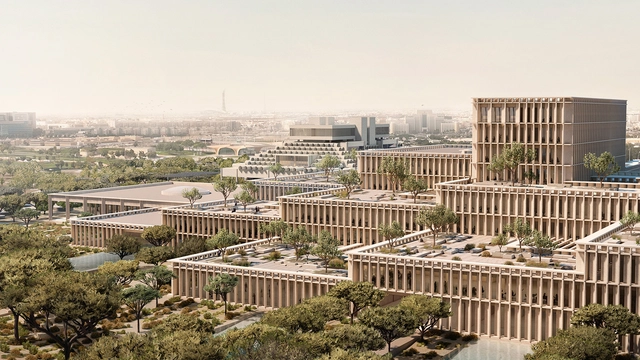
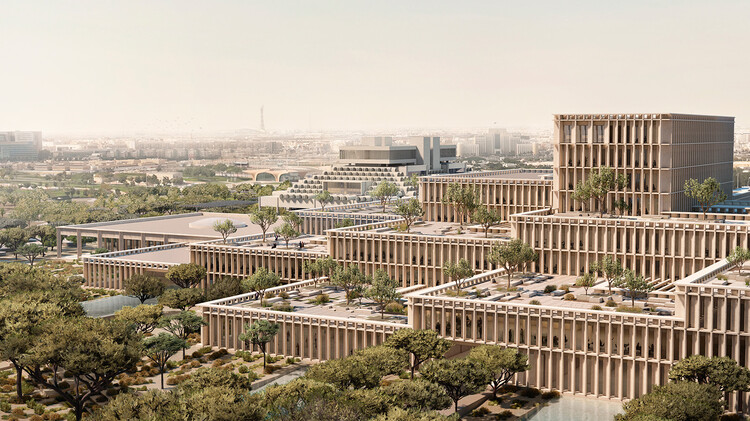
The State of Qatar announced on December 4, 2025, the selection of Frida Escobedo Studio, with Buro Happold engineers and Studio Zewde landscape designers, to design the new headquarters for the Ministry of Foreign Affairs. Intended to establish a more visible civic presence for the Qatari diplomatic service and provide public access to the Ministry complex, the project is planned for a prominent site along Doha's waterfront, transforming a significant section of the city's Corniche. Situated beside Doha Bay, the 70,000-square-meter (750,000-square-foot) project is conceived as a combination of new construction and the adaptive reuse of the historic modernist General Post Office currently on the site.

Frida Escobedo to Design Qatar’s New Ministry Building with Adaptive Reuse of a Modernist Landmark in Doha - Image 1 of 4Frida Escobedo to Design Qatar’s New Ministry Building with Adaptive Reuse of a Modernist Landmark in Doha - Image 2 of 4Frida Escobedo to Design Qatar’s New Ministry Building with Adaptive Reuse of a Modernist Landmark in Doha - Image 3 of 4Frida Escobedo to Design Qatar’s New Ministry Building with Adaptive Reuse of a Modernist Landmark in Doha - Image 4 of 4Frida Escobedo to Design Qatar’s New Ministry Building with Adaptive Reuse of a Modernist Landmark in Doha - More Images

BIG Wins International Competition to Design the New Hamburg State Opera on HafenCity’s Waterfront

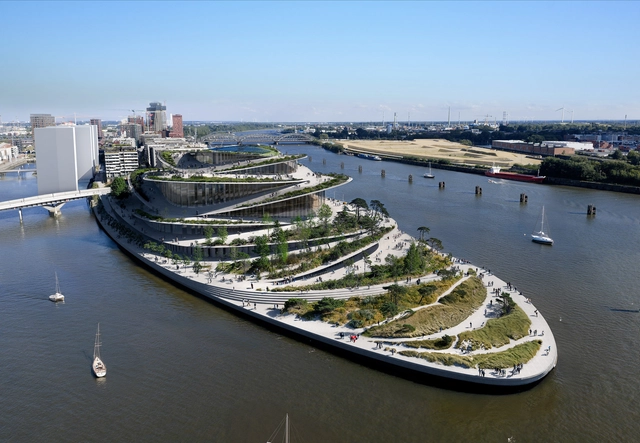
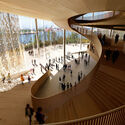
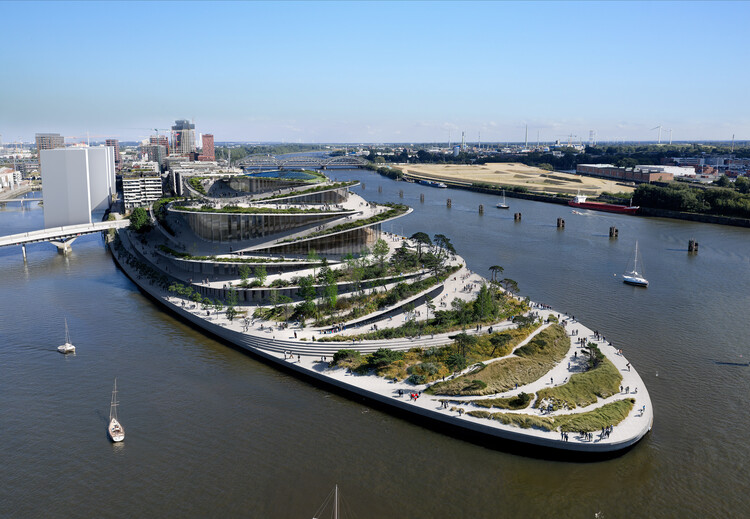
BIG – Bjarke Ingels Group has been selected as the winner of the international competition to design the new Hamburg State Opera, a major cultural project planned for the Baakenhöft peninsula in HafenCity, Hamburg, Germany. The building will consolidate the city's opera and ballet companies under one roof, introducing new performance spaces, production facilities, and public amenities along the Elbe. The project replaces the mid-20th-century opera house on Dammtorstraße, responding to the city's call for a venue that reflects contemporary standards in acoustics, stagecraft, and audience experience.

BIG Wins International Competition to Design the New Hamburg State Opera on HafenCity’s Waterfront - Image 1 of 4BIG Wins International Competition to Design the New Hamburg State Opera on HafenCity’s Waterfront - Image 2 of 4BIG Wins International Competition to Design the New Hamburg State Opera on HafenCity’s Waterfront - Image 3 of 4BIG Wins International Competition to Design the New Hamburg State Opera on HafenCity’s Waterfront - Image 4 of 4BIG Wins International Competition to Design the New Hamburg State Opera on HafenCity’s Waterfront - More Images+ 2

Snøhetta Selected to Design the New Qiantang Bay Art Museum in Hangzhou, China

Snøhetta has been selected to design the Qiantang Bay Art Museum, a new cultural landmark within the Qiantang Bay Future Headquarters development in Xiaoshan District, Hangzhou, China. Conceived in collaboration with the Architectural Design & Research Institute of Zhejiang University Co., Ltd. and Buro Happold, the project encompasses architecture, landscape architecture, and interior design over 18,000 square meters. The museum will form part of Hangzhou's expanding downtown area along the Qiantang River, serving as an important destination for art, culture, and public life.

Snøhetta Selected to Design the New Qiantang Bay Art Museum in Hangzhou, China - Image 1 of 4Snøhetta Selected to Design the New Qiantang Bay Art Museum in Hangzhou, China - Image 2 of 4Snøhetta Selected to Design the New Qiantang Bay Art Museum in Hangzhou, China - Image 3 of 4Snøhetta Selected to Design the New Qiantang Bay Art Museum in Hangzhou, China - Image 4 of 4Snøhetta Selected to Design the New Qiantang Bay Art Museum in Hangzhou, China - More Images+ 2

Shifting Sediments: Rivers as an Architectural and Cultural Catalyst

Subscriber Access | 

Rivers generate a distinct typology of architecture bound by design threads of material practice, environmental adaptation, cultural symbolism, and imagination. Each river system produces a unique ecosystem where water, soil, vegetation, and settlement converge to form a living network. Designing within this environment requires a capacity to read movement rather than resist it, to build on uncertain ground, and to understand permanence as a balance in motion. Unlike the fixed horizon of the sea, the river is never still. It teaches architects to think in gradients rather than boundaries, and to design as part of an evolving landscape.

Shifting Sediments: Rivers as an Architectural and Cultural Catalyst - Image 1 of 4Shifting Sediments: Rivers as an Architectural and Cultural Catalyst - Image 2 of 4Shifting Sediments: Rivers as an Architectural and Cultural Catalyst - Image 3 of 4Shifting Sediments: Rivers as an Architectural and Cultural Catalyst - Image 4 of 4Shifting Sediments: Rivers as an Architectural and Cultural Catalyst - More Images+ 8

Renzo Piano Building Workshop Designs Curved Concrete Opera Hall Rising from Hanoi’s West Lake

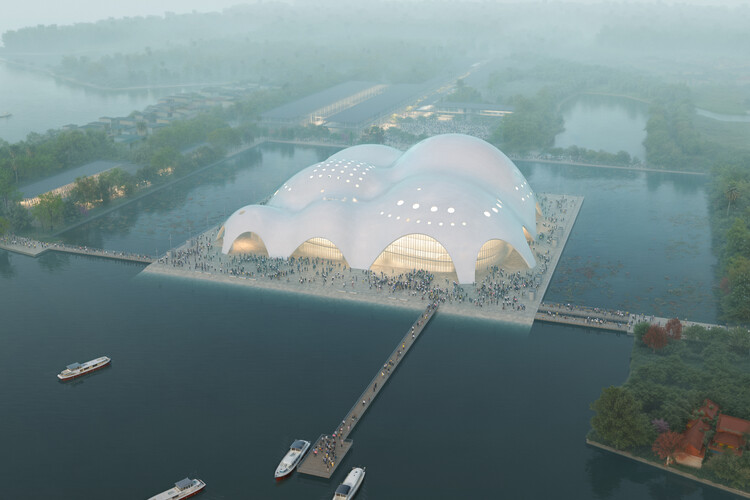
Renzo Piano Building Workshop (RPBW), in collaboration with Sydney and Hanoi-based PTW Architects, has begun construction of the Isola della Musica, a new opera house and convention center in Hanoi, Vietnam. Commissioned by Sun Group, the project was first conceived in 2017 and forms part of a broader masterplan that reshapes the existing boundary between West Lake and Đầm Trị Lake. Inspired by the region's history of pearl cultivation, the building features a series of curved concrete shells whose forms and surfaces evoke the texture and luminosity of mother-of-pearl.

Renzo Piano Building Workshop Designs Curved Concrete Opera Hall Rising from Hanoi’s West Lake - Image 1 of 4Renzo Piano Building Workshop Designs Curved Concrete Opera Hall Rising from Hanoi’s West Lake - Image 2 of 4Renzo Piano Building Workshop Designs Curved Concrete Opera Hall Rising from Hanoi’s West Lake - Image 3 of 4Renzo Piano Building Workshop Designs Curved Concrete Opera Hall Rising from Hanoi’s West Lake - Image 4 of 4Renzo Piano Building Workshop Designs Curved Concrete Opera Hall Rising from Hanoi’s West Lake - More Images+ 6

Why Sit by the Dock of the Bay? Designing Thresholds to the Water

Subscriber Access | 

Boat docks and harbors are liminal spaces where the shore marks the meeting of land and water, and serve as a space for the convergence of culture, industry, and community. For those who work at sea, from commercial fishers to marine freight operators, the dock is a threshold between labor and rest, between oceanic uncertainty and terrestrial stability. For others, the dock serves as a gateway to recreation, sport, and adventure, accommodating everything from rowing clubs to family sailing trips. And for many who never board a vessel, the dock offers a powerful connection to the marine environment where one can pause, observe, and engage with the rhythmic tides.

Why Sit by the Dock of the Bay? Designing Thresholds to the Water - Image 1 of 4Why Sit by the Dock of the Bay? Designing Thresholds to the Water - Image 2 of 4Why Sit by the Dock of the Bay? Designing Thresholds to the Water - Image 3 of 4Why Sit by the Dock of the Bay? Designing Thresholds to the Water - Image 4 of 4Why Sit by the Dock of the Bay? Designing Thresholds to the Water - More Images+ 48

MVRDV Designs Masterplan with Rock-Inspired Tourist Facilities for Jialeshui, Taiwan

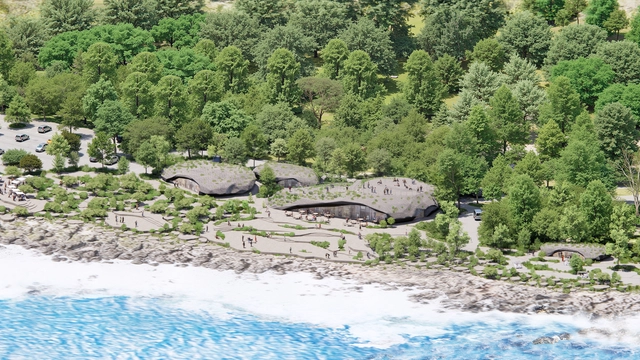
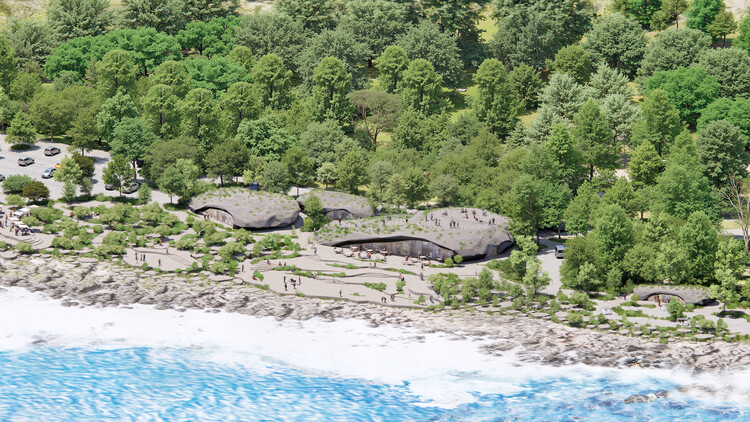
MVRDV revealed the design of rock-like tourist facilities and infrastructure for the Taiwanese coastal area of Jialeshui, a scenic destination in the southernmost part of Taiwan. The Pingtung County Government recently selected the design proposal submitted by MVRDV in collaboration with HWC Architects for the transformation of an area known for its rock formations shaped by wind and water, including a series of structures inspired by these natural forms. The project, a masterplan titled Nature Rocks, introduces a network of new pathways and public spaces and adds small-scale buildings, including a central visitor centre and three lookout points, within the existing built footprint.

MVRDV Designs Masterplan with Rock-Inspired Tourist Facilities for Jialeshui, Taiwan - Image 1 of 4MVRDV Designs Masterplan with Rock-Inspired Tourist Facilities for Jialeshui, Taiwan - Image 2 of 4MVRDV Designs Masterplan with Rock-Inspired Tourist Facilities for Jialeshui, Taiwan - Image 3 of 4MVRDV Designs Masterplan with Rock-Inspired Tourist Facilities for Jialeshui, Taiwan - Image 4 of 4MVRDV Designs Masterplan with Rock-Inspired Tourist Facilities for Jialeshui, Taiwan - More Images+ 16

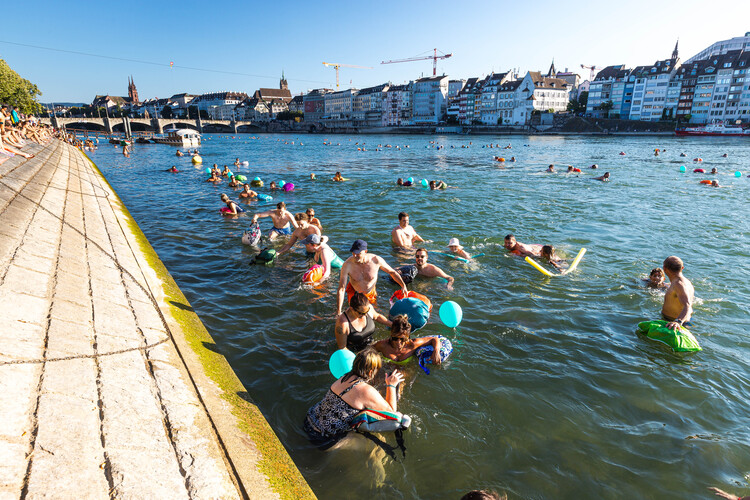
Swimmable Cities International Movement Advocates for the Right to Swim in Urban Waterways

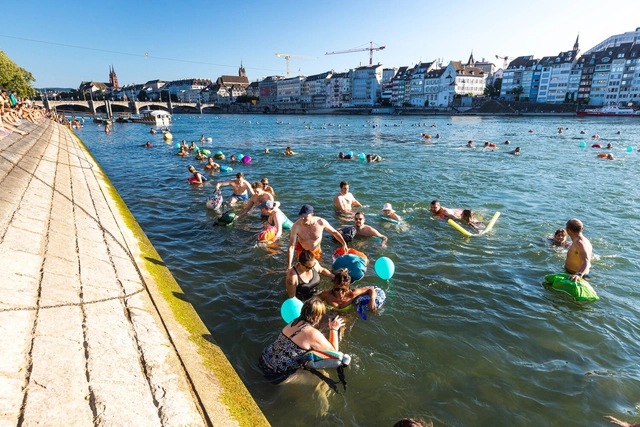
Swimmable Cities is an alliance of 153 signatory organizations across 59 cities in 22 countries, supporting the global movement for swimmable urban waterways. In the context of increasing urbanization, climate change, and biodiversity loss, the initiative aims to reclaim rivers and harbors as public spaces for communities to enjoy and benefit from bathing. It advocates for urban waterways to be made safe, healthy, and accessible for both swimmers and wildlife, calling for cross-border collaboration to develop improvement strategies and collect data to evaluate "swimmability." This call becomes especially relevant amid rising global temperatures and growing inequalities in access to public infrastructure in major cities. The movement's 10-point charter begins with the affirmation of "the right to swim," celebrating urban swimming culture and recognizing the historical significance of water.

Swimmable Cities International Movement Advocates for the Right to Swim in Urban Waterways - Image 4 of 4Swimmable Cities International Movement Advocates for the Right to Swim in Urban Waterways - Featured ImageSwimmable Cities International Movement Advocates for the Right to Swim in Urban Waterways - Image 2 of 4Swimmable Cities International Movement Advocates for the Right to Swim in Urban Waterways - Image 5 of 4Swimmable Cities International Movement Advocates for the Right to Swim in Urban Waterways - More Images+ 4

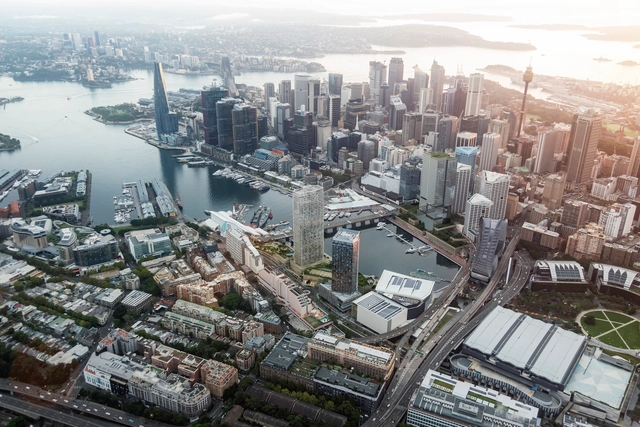
Snøhetta and Hassell’s Harbourside Redevelopment Moves Forward with Public Domain Approval in Sydney

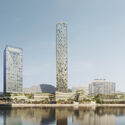
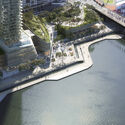
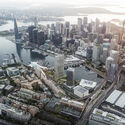
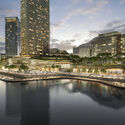
The NSW Independent Planning Commission has approved the public domain works for Sydney's Harbourside redevelopment, marking a significant milestone for the project designed by Snøhetta in collaboration with Hassell and Mirvac. First unveiled in December 2021 as the winning entry in an international design excellence competition, the scheme aims to transform Harbourside at Darling Harbour into a new, iconic destination at the heart of the city. The proposal reimagines the waterfront at Tumbalong / Darling Harbour with more than 11,200 square meters of renewed public space, featuring significant trees, planted areas, sculptural sandstone pathways, and integrated public artworks.

Snøhetta and Hassell’s Harbourside Redevelopment Moves Forward with Public Domain Approval in Sydney - Image 1 of 4Snøhetta and Hassell’s Harbourside Redevelopment Moves Forward with Public Domain Approval in Sydney - Image 2 of 4Snøhetta and Hassell’s Harbourside Redevelopment Moves Forward with Public Domain Approval in Sydney - Featured ImageSnøhetta and Hassell’s Harbourside Redevelopment Moves Forward with Public Domain Approval in Sydney - Image 3 of 4Snøhetta and Hassell’s Harbourside Redevelopment Moves Forward with Public Domain Approval in Sydney - More Images

BIG and Dencityworks Design New Mixed-Use Waterfront Tower in Brooklyn, New York

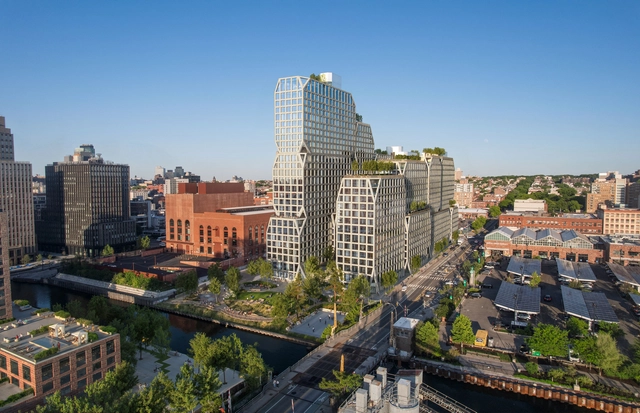
The proposed mixed-use tower at 175 Third Street is the fifth building planned across four sites within the Gowanus Wharf development in Brooklyn, New York. With views toward Manhattan and the Statue of Liberty, the 1,080,000 sq ft proposal includes affordable housing, retail and artist spaces, fitness areas, social and entertainment spaces, culminating in a rooftop with lounging zones and an outdoor pool. The project also envisions a 28,000-sq-ft public waterfront esplanade designed by Field Operations, intended to contribute to the ecological rehabilitation of the Gowanus Canal, continuing the broader transformation of this industrial neighborhood. Other project collaborators include dencityworks | architecture, AKRF, bucharest.studio, DeSimone, Ettinger Engineering Associates, Fried Frank, Hatfield Group, Impact Environmental, and Jenkins and Huntington.

BIG and Dencityworks Design New Mixed-Use Waterfront Tower in Brooklyn, New York - Image 1 of 4BIG and Dencityworks Design New Mixed-Use Waterfront Tower in Brooklyn, New York - Image 2 of 4BIG and Dencityworks Design New Mixed-Use Waterfront Tower in Brooklyn, New York - Image 3 of 4BIG and Dencityworks Design New Mixed-Use Waterfront Tower in Brooklyn, New York - Image 4 of 4BIG and Dencityworks Design New Mixed-Use Waterfront Tower in Brooklyn, New York - More Images+ 2

MAST Reveals Floating Neighborhood Design for Rotterdam’s Disused Spoorweghaven Dock

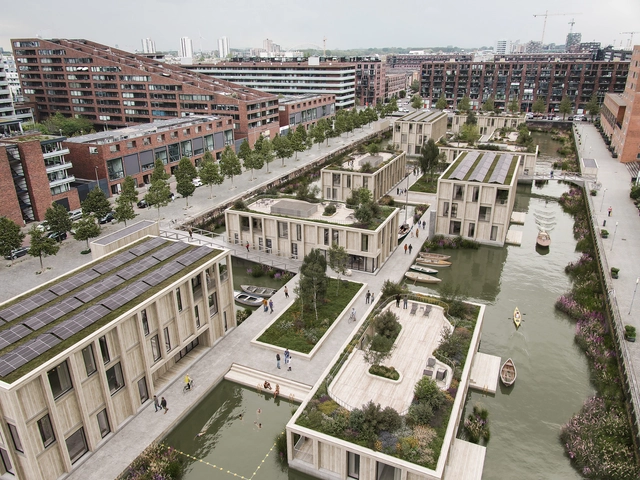
Danish maritime architecture studio MAST, in collaboration with construction company BIK Bouw, has designed a new floating community for the disused Spoorweghaven dock in Rotterdam, Netherlands. The proposed neighborhood, which has received initial support from the Municipality of Rotterdam, includes over 100 apartments, public spaces, commercial units, and a recreational harbor near the city center. Floating architecture is MAST's response to the Netherlands' housing crisis, offering a modular, adaptable solution for building a wide range of structures on water.

MAST Reveals Floating Neighborhood Design for Rotterdam’s Disused Spoorweghaven Dock - Image 1 of 4MAST Reveals Floating Neighborhood Design for Rotterdam’s Disused Spoorweghaven Dock - Image 4 of 4MAST Reveals Floating Neighborhood Design for Rotterdam’s Disused Spoorweghaven Dock - Image 2 of 4MAST Reveals Floating Neighborhood Design for Rotterdam’s Disused Spoorweghaven Dock - Image 3 of 4MAST Reveals Floating Neighborhood Design for Rotterdam’s Disused Spoorweghaven Dock - More Images+ 10

Transforming Portland: How a Demolished Highway Became a Pioneering Waterfront Park

Subscriber Access | 

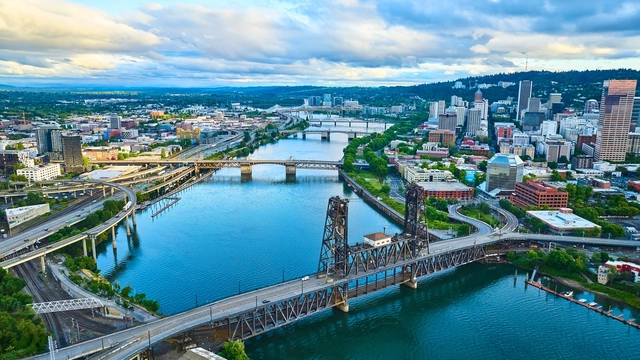
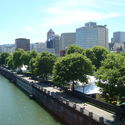
Urban landscapes are shaped by the infrastructure we prioritize, reflecting the needs and values of society at a given moment in time. One striking example of this evolution is Portland's Harbor Drive—a highway that was once an artery of heavy automobile traffic but was later demolished to make way for a waterfront park. This transformation not only reshaped downtown Portland, Oregon, United States but also marked a significant milestone in urban planning: the removal of a major highway in favor of public space. Harbor Drive's story set the stage for a growing trend of reducing urban traffic infrastructure and reimagining cities for people rather than cars.

Transforming Portland: How a Demolished Highway Became a Pioneering Waterfront Park - Image 1 of 4Transforming Portland: How a Demolished Highway Became a Pioneering Waterfront Park - Image 2 of 4Transforming Portland: How a Demolished Highway Became a Pioneering Waterfront Park - Image 3 of 4Transforming Portland: How a Demolished Highway Became a Pioneering Waterfront Park - Image 4 of 4Transforming Portland: How a Demolished Highway Became a Pioneering Waterfront Park - More Images+ 5

The European Prize for Public Urban Space Announces Warsaw Park and Porto do Son Beach Design as 2024 Winners

The 2024 European Prize for Urban Public Space has announced the overall winners for the 12th edition: For the General Category, the "Park at the Warsaw Uprising Mound" in Poland by studios topoScape and Archigrest received recognition its ability to honor the site's historical significance; while the Seafront Category prize was given to the "Beach Improvement and Redevelopment of the Harbour Edge" in Porto do Son, Spain, designed by CREUSeCARRASCO and RVR Arquitectos for its careful integration of natural and manmade elements. Selected from a list of 10 finalists, the projects were appreciated for their sensible response to local memory and an understanding of the interplay between various elements that interact with urban life.


The European Prize for Public Urban Space Announces Warsaw Park and Porto do Son Beach Design as 2024 Winners - Image 1 of 4The European Prize for Public Urban Space Announces Warsaw Park and Porto do Son Beach Design as 2024 Winners - Image 2 of 4The European Prize for Public Urban Space Announces Warsaw Park and Porto do Son Beach Design as 2024 Winners - Image 3 of 4The European Prize for Public Urban Space Announces Warsaw Park and Porto do Son Beach Design as 2024 Winners - Image 4 of 4The European Prize for Public Urban Space Announces Warsaw Park and Porto do Son Beach Design as 2024 Winners - More Images+ 12