1. ArchDaily
  2. wayfinding

wayfinding: The Latest Architecture and News

From Bangkok to Florence: 6 Unbuilt Public Space Projects Rethinking Community, Ecology, and Urban Identity

Subscriber Access | 

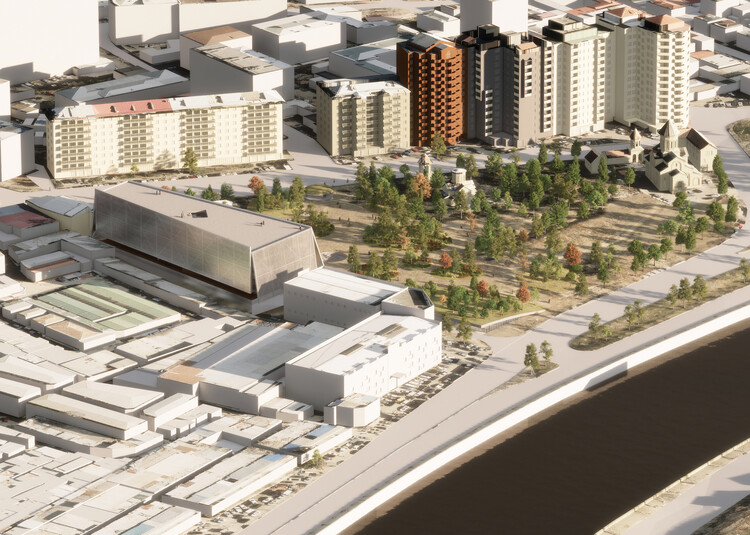
Public spaces remain some of the most dynamic sites for unbuilt architectural experimentation, revealing how cities and architects can imagine accessibility, gathering, and civic identity. In this curated Unbuilt edition, submitted by the ArchDaily community, the selected proposals examine parks, pedestrian corridors, cultural landscapes, and open-access urban environments that invite people to meet, move, rest, and participate in collective life. Rather than treating public space as leftover terrain, these projects position it as essential infrastructure—shaping urban health, memory, and social interaction.
From Bangkok to Florence: 6 Unbuilt Public Space Projects Rethinking Community, Ecology, and Urban Identity - Image 19 of 4From Bangkok to Florence: 6 Unbuilt Public Space Projects Rethinking Community, Ecology, and Urban Identity - Image 22 of 4From Bangkok to Florence: 6 Unbuilt Public Space Projects Rethinking Community, Ecology, and Urban Identity - Image 32 of 4From Bangkok to Florence: 6 Unbuilt Public Space Projects Rethinking Community, Ecology, and Urban Identity - Image 26 of 4From Bangkok to Florence: 6 Unbuilt Public Space Projects Rethinking Community, Ecology, and Urban Identity - More Images+ 30

Architecture for Neurodiversity: Designing for Control, Choice, and the Senses

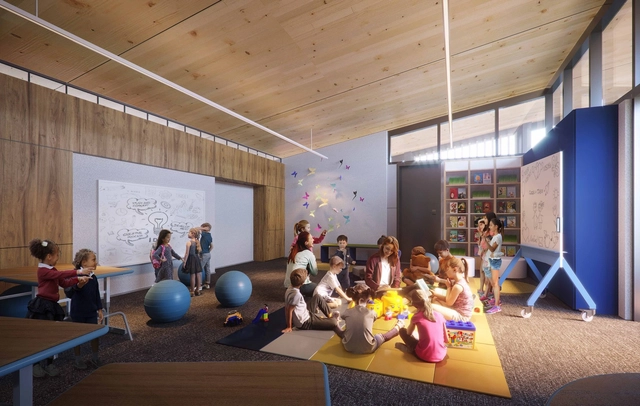
Publicly occupied spaces can be overwhelming. Airports, schools, stadiums, and workplaces all feature environments with visual chaos that can be disorienting and stressful for individuals, especially those who are neurodiverse. The bombardment of stimuli, unpredictable movements, and competing visual information can create barriers to occupant comfort. Architects are regularly encouraged to create spaces that recognize and honor individual differences. Designing for neurodiversity is one way of championing inclusivity and extending principles of universal design.

Architecture for Neurodiversity: Designing for Control, Choice, and the Senses - Image 1 of 4Architecture for Neurodiversity: Designing for Control, Choice, and the Senses - Image 2 of 4Architecture for Neurodiversity: Designing for Control, Choice, and the Senses - Image 3 of 4Architecture for Neurodiversity: Designing for Control, Choice, and the Senses - Image 4 of 4Architecture for Neurodiversity: Designing for Control, Choice, and the Senses - More Images+ 3

The City as Interface: How Legible Cities Rethink Wayfinding Using UX Design

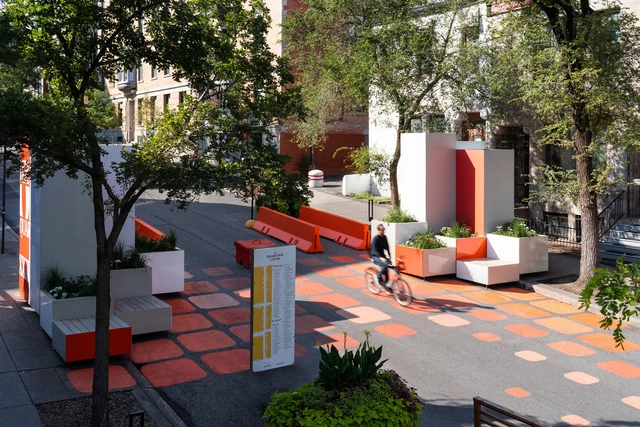
Design disciplines, like user experience (UX) design, have evolved to excel at devising experiences that make digital interfaces navigable. They accomplish this through a deep understanding of user needs and by mapping user journeys with meticulous attention to detail. The city represents a physical interface experienced by multiple users - residents, tourists, people of various ages and genders each experiencing it uniquely. In a time where digital interfaces are crafted for frictionless user experiences, why do many cities remain challenging to navigate?

The City as Interface: How Legible Cities Rethink Wayfinding Using UX Design - Image 1 of 4The City as Interface: How Legible Cities Rethink Wayfinding Using UX Design - Image 2 of 4The City as Interface: How Legible Cities Rethink Wayfinding Using UX Design - Image 3 of 4The City as Interface: How Legible Cities Rethink Wayfinding Using UX Design - Image 4 of 4The City as Interface: How Legible Cities Rethink Wayfinding Using UX Design - More Images+ 5

Finding The Right Path: 20 Public Environments That Reveal The Secrets of Successful Wayfinding

Subscriber Access | 

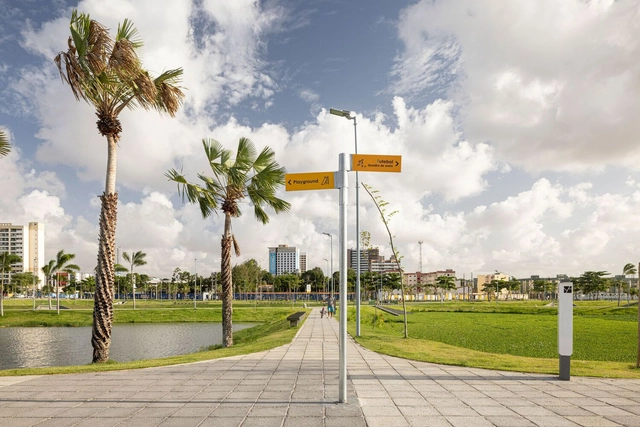
It’s easy to feel lost and anxious in a new environment. Even with the satellite-accurate quality of modern map apps in our back pockets, modern humans still get stressed when their internal map of the immediate area draws a blank. 

While digital maps help us to find the fastest route through streets, when our need for direction is most urgent – such as finding the right department in a vast hospital campus, the relief of a toilet in a foreign airport, or the right platform 30 seconds before a train departs – even with innovative IPS technology, digital interfaces still come a distant second to well-placed signs or other, more intuitive, solutions.

Finding The Right Path: 20 Public Environments That Reveal The Secrets of Successful Wayfinding - Featured ImageFinding The Right Path: 20 Public Environments That Reveal The Secrets of Successful Wayfinding - Image 1 of 4Finding The Right Path: 20 Public Environments That Reveal The Secrets of Successful Wayfinding - Image 2 of 4Finding The Right Path: 20 Public Environments That Reveal The Secrets of Successful Wayfinding - Image 3 of 4Finding The Right Path: 20 Public Environments That Reveal The Secrets of Successful Wayfinding - More Images+ 21

What is Salutogenic Architecture?

Subscriber Access | 

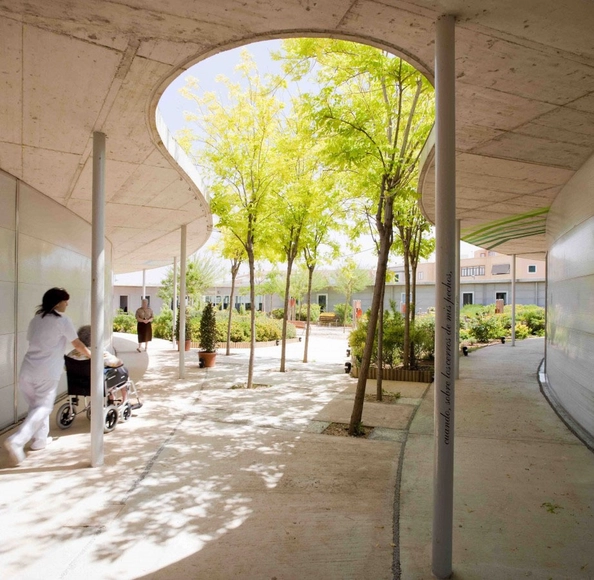
At a hospital, patients are always one conversation away from good or bad news. When not being rushed into treatment rooms, the sick are often left to feel stressed about their health. Healthcare workers have one of the most stressful jobs, with sudden changes in patient conditions. The general atmosphere in traditional hospitals seems tense and worrisome, and this has an adverse effect on patients’ well-being.

What is Salutogenic Architecture? - Image 1 of 4What is Salutogenic Architecture? - Image 2 of 4What is Salutogenic Architecture? - Image 3 of 4What is Salutogenic Architecture? - Image 4 of 4What is Salutogenic Architecture? - More Images+ 1

Tim Fendley Explains why Analog Wayfinding Tools Matter in a Digital World

Subscriber Access | 

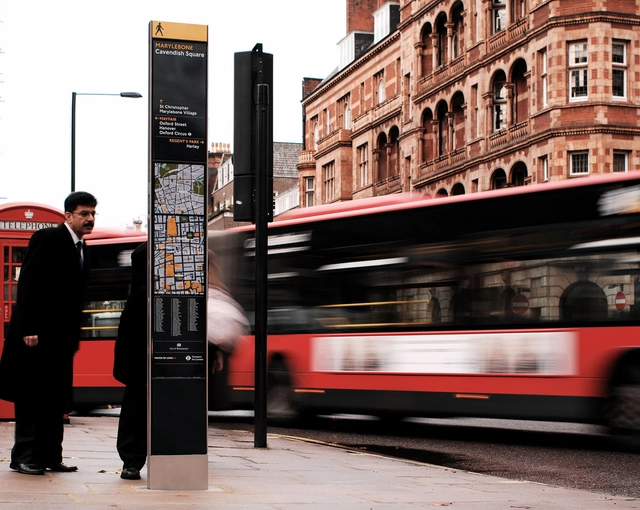
If you have ever walked around the center of London you will have seen those yellow and dark blue panels featuring maps, local attractions, and walking times dotted along the streets and near bus and tube stops. Credited with redefining city wayfinding, Legible London, as the system is called, is now seen as the benchmark for making cities accessible and legible to residents, commuters, and visitors alike. And now Seattle has launched its own version of the London system, and Madrid will do so next year. Giovanna Dunmall asks Tim Fendley, the founder and CEO of Applied, the spatial experience design practice behind all these projects, why analog is often still so superior to digital, and what makes for good wayfinding.

Installations Accent Stuttgart Region During Light Art Festival

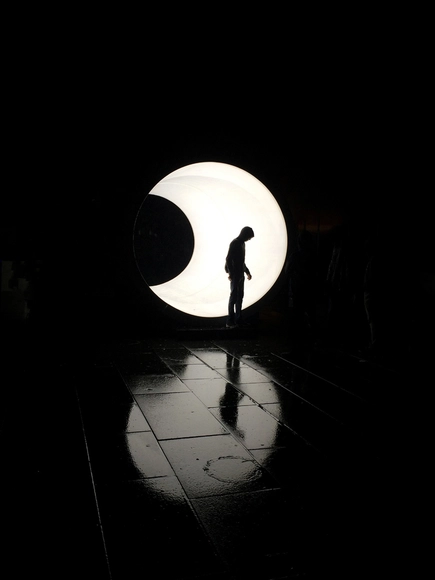
The KulturRegion Stuttgart successfully wrapped its three-week Aufstiege ("Ascents") Light Art Festival in October. Curated by Joachim Fleischer, the festival showcases work by over 40 artists from 10 countries. The 37 installations were available for viewing nightly from 8 p.m. to midnight across 25 cities near Stuttgart, and particularly popular exhibits have been extended.

Installations Accent Stuttgart Region During Light Art Festival - Image 1 of 4Installations Accent Stuttgart Region During Light Art Festival - Image 2 of 4Installations Accent Stuttgart Region During Light Art Festival - Image 3 of 4Installations Accent Stuttgart Region During Light Art Festival - Image 4 of 4Installations Accent Stuttgart Region During Light Art Festival - More Images+ 9