Rio de Janeiro: The Latest Architecture and News


When Modernism Meets Local Resistance: Housing and Urban Friction in Latin America

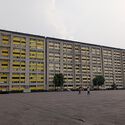
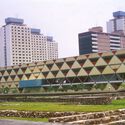
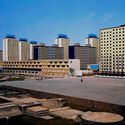
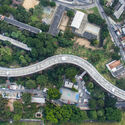
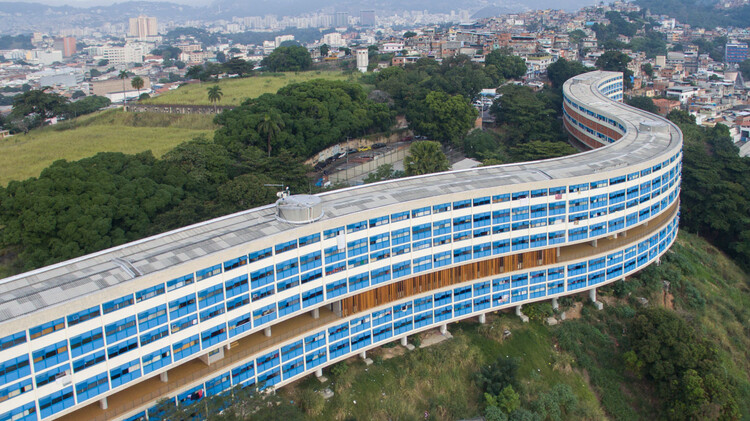
Modern housing was one of the places where modernism made its boldest promise: that architecture could reshape not only the city, but the way people lived within it. As Argentine architectural historian Ramón Gutiérrez has argued, popular housing is "the great unresolved subject, one that usually does not appear in histories of architecture." In Latin America, this absence is significant. Across the 20th century, expanding cities turned housing into one of the clearest ways to imagine urban change, and modernism entered not only plans and drawings, but apartments, neighborhoods, streets, and domestic routines.
Yet once built, these projects entered cities shaped by politics, memory, inequality, and changing ways of occupation. Their meanings no longer belonged only to the original plan, but to the ways they were inhabited, altered, and transformed over time. What this history reveals is not adaptation, but friction: the moment when architecture stops being an ideal model and meets the city it cannot fully control.
https://www.archdaily.com/1041759/when-modernism-meets-local-resistance-housing-and-urban-friction-in-latin-americaDaniela Andino
A Project in Motion: The Story Behind the Market Square in Realengo Park

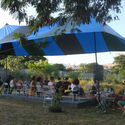
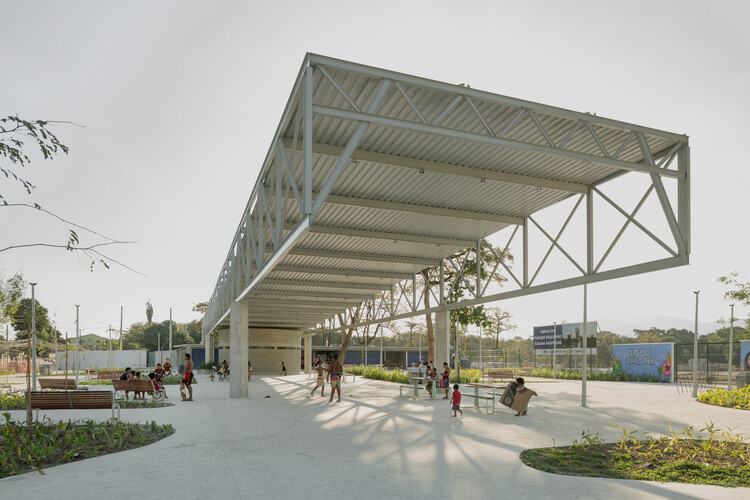
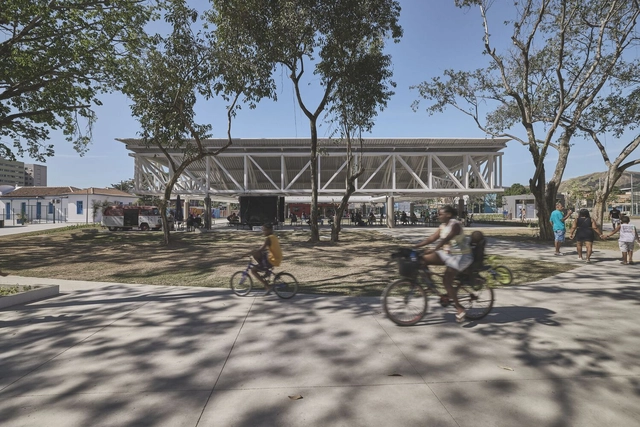
Before any drawing or formal decision, a space in constant motion was already pulsing where the Market Square at Realengo Park stands today in Rio de Janeiro. Improvised stalls, informal gatherings, music, children running, and adults gathered under makeshift shelters made up a living landscape, shaping an ephemeral architecture.
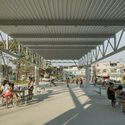
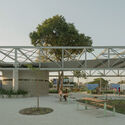
Within this context lies the work developed by Carlos Zebulun, Helena Meirelles, Larissa Monteiro, Rodrigo Messina, Francisco Rivas, and Juliana Ayako, one of the winners of the ArchDaily 2025 Next Practices Awards. Project management, urban planning, and landscape design were carried out by Ecomimesis Soluções Ecológicas, winners of the bidding process held by the City of Rio de Janeiro in 2023.

https://www.archdaily.com/1041147/a-project-in-motion-the-story-behind-realengo-park-market-square-in-rio-de-janeiroCamilla Ghisleni
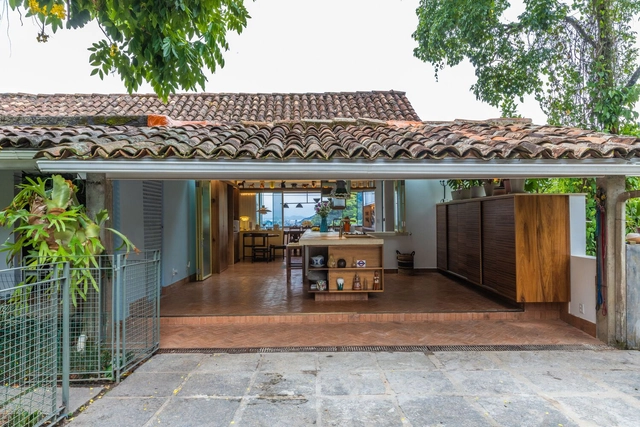
Lúcio Costa House / amanda arcuri



https://www.archdaily.com/1037178/lucio-costa-house-amanda-arcuriSusanna Moreira
Kéré Architecture Reveals Public Library Design in Rio de Janeiro Celebrating Afro-Brazilian Heritage

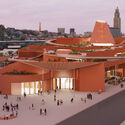
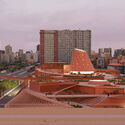
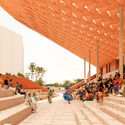
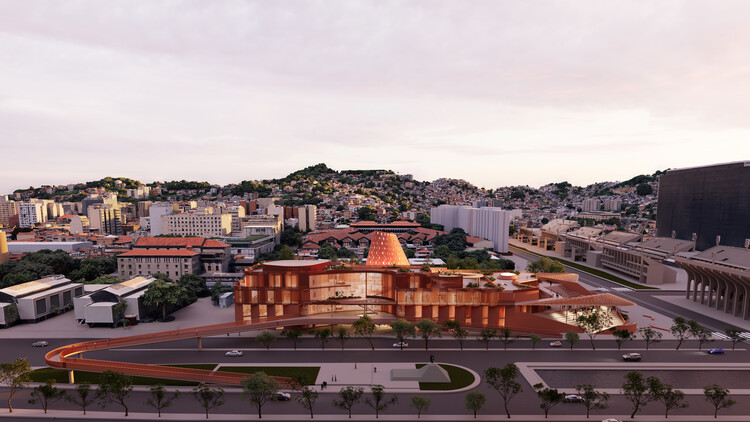
Kéré Architecture has unveiled its proposal for the 40,000-square-meter Biblioteca dos Saberes (House of Wisdom) in Rio de Janeiro's Cidade Nova neighborhood. Designed by Francis Kéré, Mariona Maeso Deitg, and Juan Carlos Zapata, the cultural complex is commissioned by the Rio de Janeiro City Hall and planned for a site near Valongo Wharf and the Little Africa area. The design was presented to members of the community on November 20, the National Day of Zumbi and Black Consciousness in Brazil. Important features include a perforated façade for sun protection, roof gardens, landscaped terraces, shaded courtyards, open-air areas, a canopied amphitheater, and a pedestrian bridge connecting the building to the nearby monument to Zumbi dos Palmares.
https://www.archdaily.com/1036385/kere-architecture-reveals-public-library-design-in-rio-de-janeiro-celebrating-afro-brazilian-heritageAntonia Piñeiro
Sede Ser Headquarters / Atelier 77
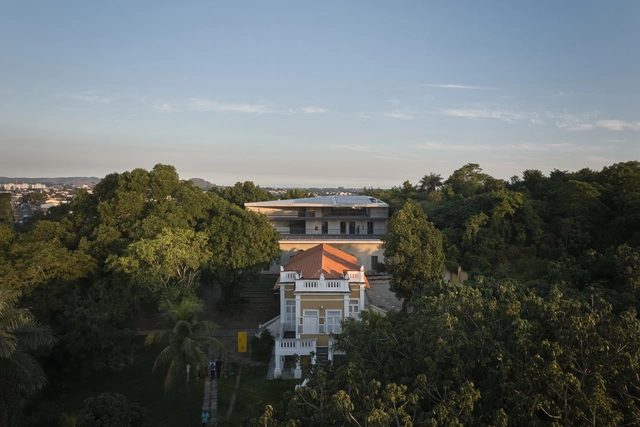


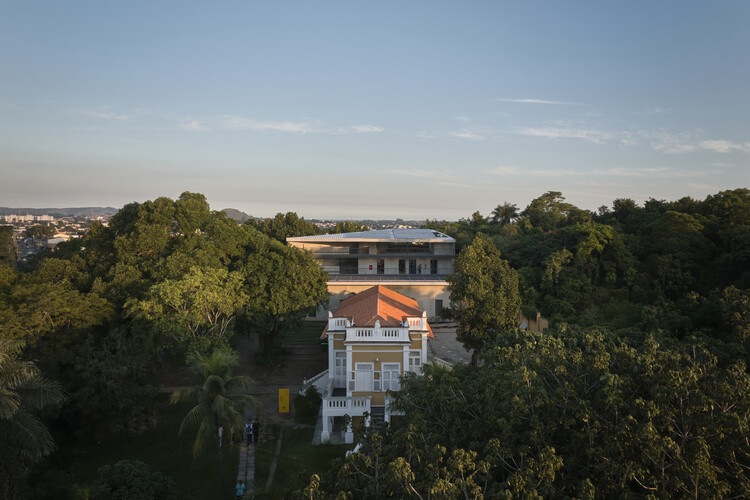
-
Architects: Atelier 77
- Area: 1297 m²
- Year: 2024
-
Manufacturers: Gerdau, Gypsum
https://www.archdaily.com/1036139/sede-ser-headquarters-atelier-77Susanna Moreira
Café So_lo _ Copacabana / Estúdio Chão
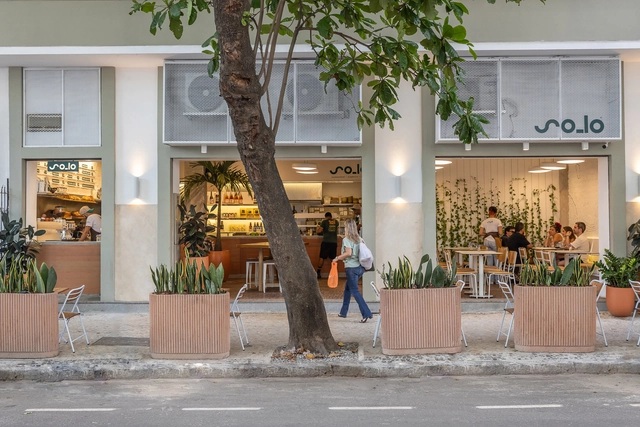




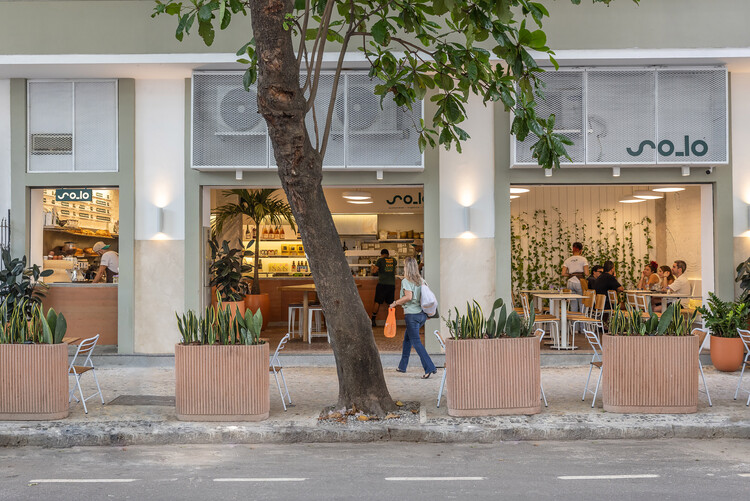
https://www.archdaily.com/1033541/cafe-so-lo-copacabana-estudio-chaoSusanna Moreira
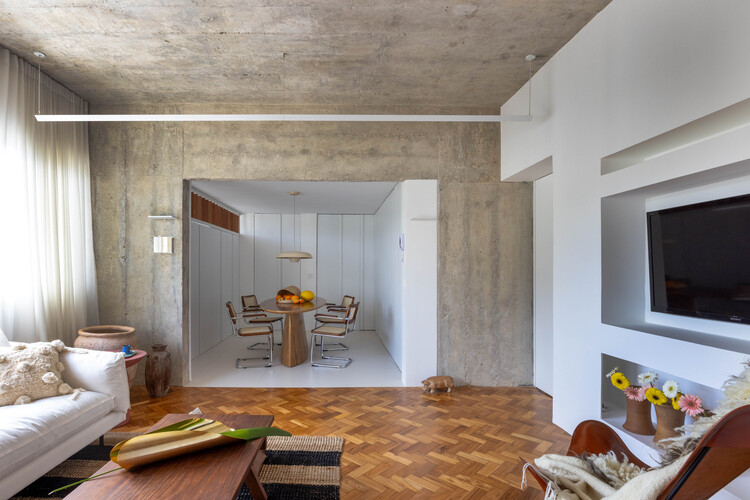
Marquês Project / Bric Arquitectura | Portillo & Pantoja
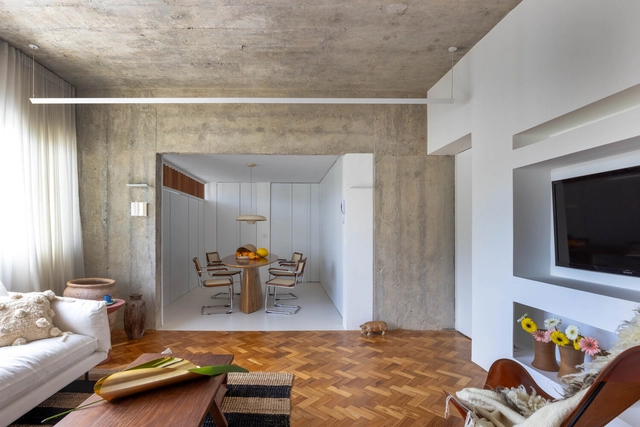


-
Architects: Bric Arquitetura | Portillo e Pantoja
- Area: 904 ft²
- Year: 2025
-
Manufacturers: Cristalux iluminação, Ekko, Lumini, Novo ambiente
https://www.archdaily.com/1032695/marquis-project-bric-arquitectura-portillo-and-pantojaPilar Caballero
Turning Water into Land: Major Landfill Projects Around the World
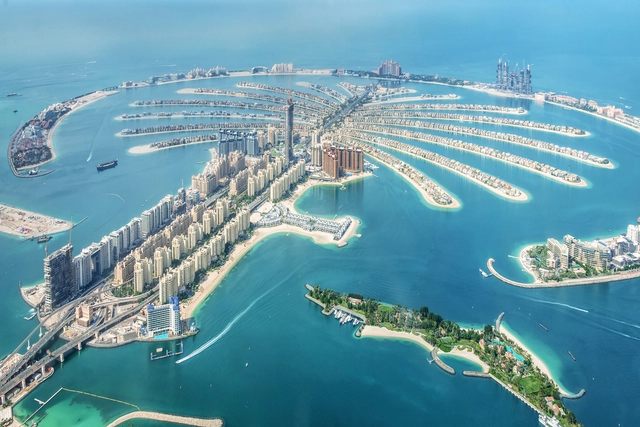
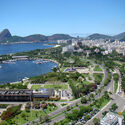
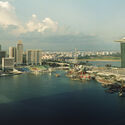
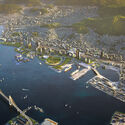
The idea of transforming water into land has captivated humanity for centuries. The Netherlands, for example, is a pioneering nation in this field, where approximately 20% of the territory has been reclaimed from the sea or lakes using dikes to control water flow and dry the surfaces. As technology has advanced, this practice has become more widespread. Today, China leads the way, joined by urban centers in the global south, such as cities in West Africa, East Asia, and the Middle East.
These megalomaniacal land reclamations are primarily undertaken in areas with extensive coastlines but insufficient landmass to meet their needs. In this regard, the newly reclaimed areas serve many purposes, ranging from the development of luxury residential complexes to an entertainment archipelago featuring hotels, restaurants, theaters, and shops.

https://www.archdaily.com/1016218/turning-water-into-land-major-landfill-projects-around-the-worldCamilla Ghisleni
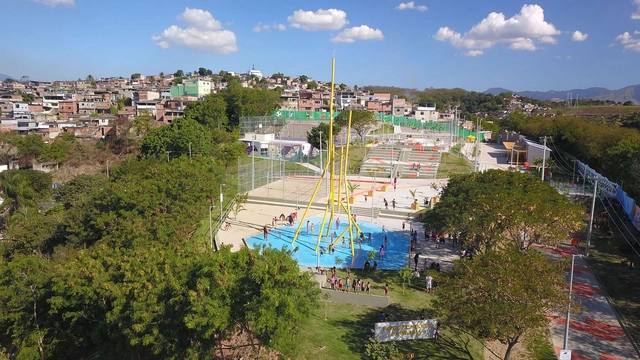
Pavuna Park / Embyá - Paisagismo Ecossistêmico
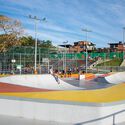
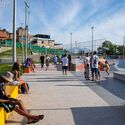
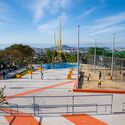
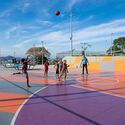

-
Architects: Embyá - Paisagismo Ecossistêmico
- Area: 14434 m²
- Year: 2022
https://www.archdaily.com/1027963/pavuna-park-embya-paisagismo-ecossistemicoSusanna Moreira
I'm Still Here: How Rio de Janeiro’s Architecture and Urbanism Shape the Oscar-Nominated Brazilian Film
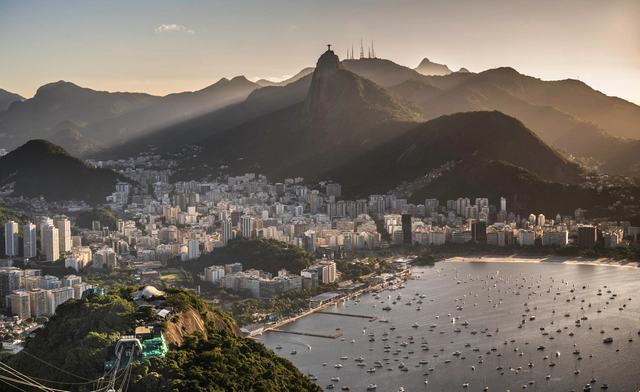
A radiant Rio de Janeiro, bathed in sunlight and carried by the ocean breeze. The beach is full of life—children run across the sand, families enjoy their time together, and laughter drifts through the air. This vibrant postcard from the 1970s, depicting a Cidade Maravilhosa exuding freedom and vitality, sets the stage for "I'm Still Here," a Brazilian film that film which recently won the Oscar for Best International Feature, marking a first for Brazilian cinematography. Further recognizing its merits, the film also received Oscar nominations for Best Actress and Best Picture. The film's setting provides a rich backdrop for exploring the urban landscape of Rio during a pivotal period in its history. As the story unfolds, this bright and open setting gives way to the architectural and urban impacts of the fear and uncertainty of the military dictatorship that ruled Brazil for over two decades.


https://www.archdaily.com/1026951/im-still-here-how-rio-de-janeiros-architecture-and-urbanism-shape-the-oscar-nominated-brazilian-filmCamilla Ghisleni
A Lighthouse in Rio de Janeiro's Landscape: the Niterói Contemporary Art Museum by Oscar Niemeyer
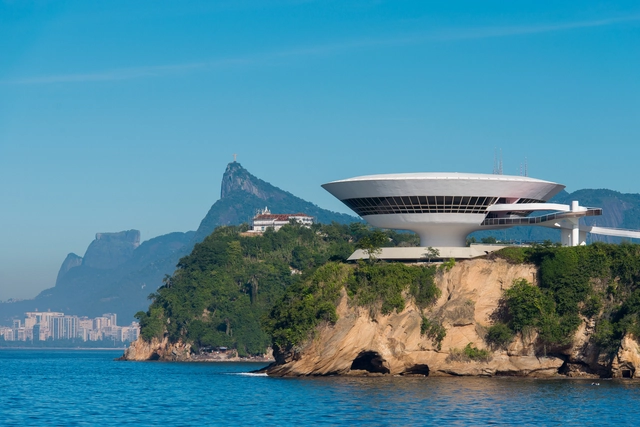
Located on the top of the Boa Viagem viewpoint in the city of Niterói, the Niterói Contemporary Art Museum - MAC was designed by architect Oscar Niemeyer. Inaugurated in 1996, it is a modern architectural masterpiece dedicated to housing a collection of Brazilian contemporary art from the 1960s to the 1990s. Rising above the cliff like a lighthouse, it appears to float in the air, resting on a water basin. Facing Rio de Janeiro’s Guanabara Bay in Brazil, its circular lines and revolutionary double-curved form stand out on the horizon, offering an open plaza of 2,500 square meters alongside a reflective pool that gives the structure a remarkable sense of lightness.


https://www.archdaily.com/1027132/a-lighthouse-in-rio-de-janeiros-landscape-the-niteroi-contemporary-art-museum-by-oscar-niemeyerAgustina Iñiguez
Spaces of Resilience and Culture of Celebration in Rio de Janeiro
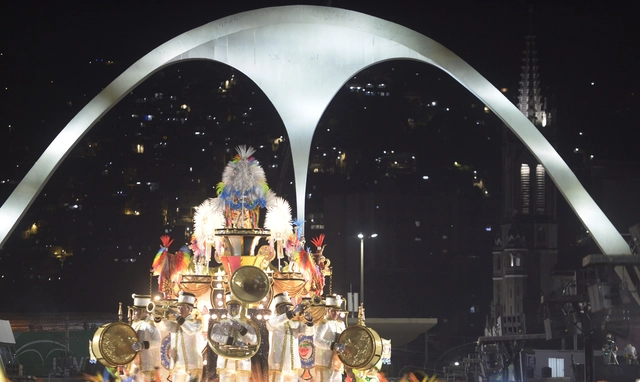
Rio de Janeiro, often called the "Marvelous City," is a vibrant tapestry woven from diverse cultural, historical, and social threads. Its story begins with the indigenous Tupi, Puri, Botocudo, and Maxakalí peoples who originally inhabited the region. The city's name, translating to "River of January," originates from Portuguese explorers who arrived at Guanabara Bay on January 1, 1502, mistakenly believing it to be the mouth of a river.
https://www.archdaily.com/1027040/spaces-of-resilience-and-culture-of-celebration-in-rio-de-janeiroRomullo Baratto
Lota de Macedo Soares and the Flamengo Park Project
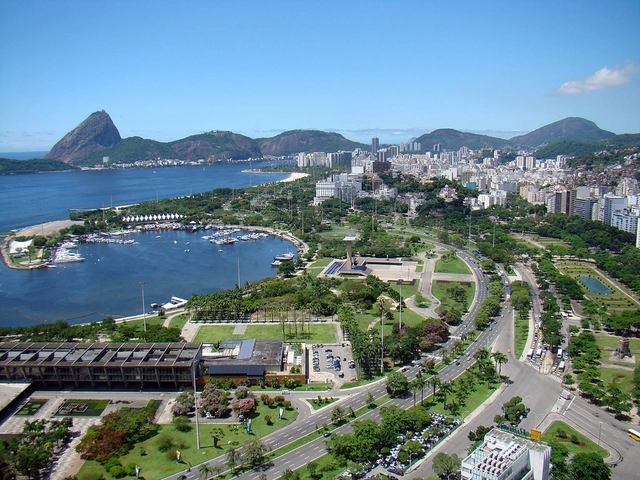
Maria Carlota de Macedo Soares was born in 1910 in Paris, where her father—who ran one of Rio de Janeiro’s most influential newspapers, Diário Carioca—was exiled. Raised among the elite, Lota arrived in Brazil in 1928 at the age of 18. She was often described as a controversial figure, known for her love of race cars, wearing jeans and men’s shirts, and for her discreet yet enduring relationship with the acclaimed American poet Elizabeth Bishop.
https://www.archdaily.com/1027043/lota-de-macedo-soares-and-the-flamengo-park-projectCamilla Ghisleni
Modernism Reconsidered: Revisiting the Movement’s Complex Relationship with Sustainability
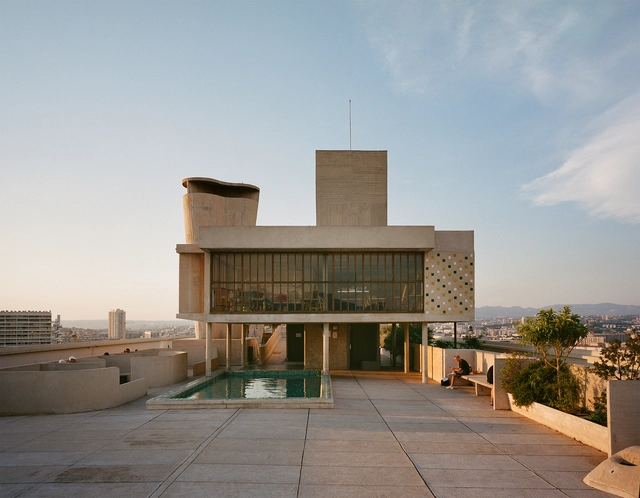
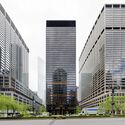
Modernism emerged in the early 20th century as a revolutionary movement that rejected historical styles, prioritizing functionality, innovation, and rationality. Grounded in the promise of industrial progress, architects like Walter Gropius, Le Corbusier, and Ludwig Mies van der Rohe championed using new materials and construction methods, striving for a universal architectural language. Their work introduced radical ideas: open floor plans, expansive glazing for natural light, and pilotis that elevated structures, symbolizing a new architectural era. However, alongside its groundbreaking ideas, modernism's relationship with sustainability has sparked ongoing debates.
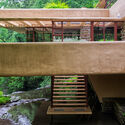
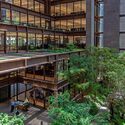
While modernist architects sought to address social and economic challenges through affordable housing and efficient design, their reliance on energy-intensive materials like concrete and steel created unintended environmental consequences. The large-scale industrialization celebrated by modernists often disregarded local climates and ecological systems, leading to inefficiencies. Yet, the principles of functionality and adaptability embedded in modernist architecture laid the groundwork for what we now recognize as sustainable practices. From Le Corbusier's rooftop gardens to Frank Lloyd Wright's integration of nature, the seeds of environmentally conscious design were undeniably present, albeit limited in their execution.

https://www.archdaily.com/1025961/modernism-reconsidered-revisiting-modernisms-complex-relationship-with-sustainabilityDiogo Borges Ferreira
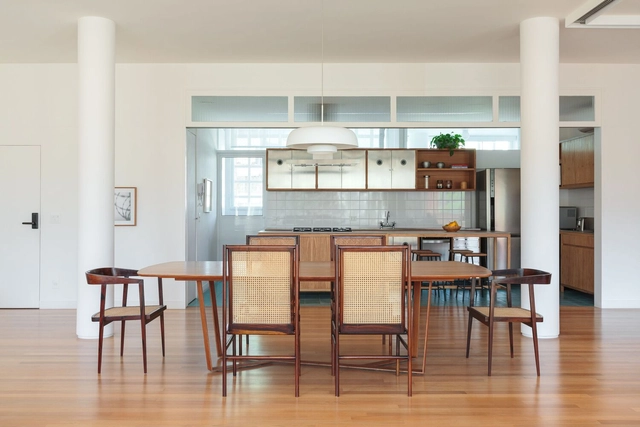
Guinle Park Apartment – Caledônia Building / LINHA Arquitetura


-
Architects: LINHA Arquitetura
- Area: 250 m²
-
Manufacturers: Legado Rio
https://www.archdaily.com/1024618/guinle-park-apartment-caledonia-building-linha-arquiteturaValeria Silva
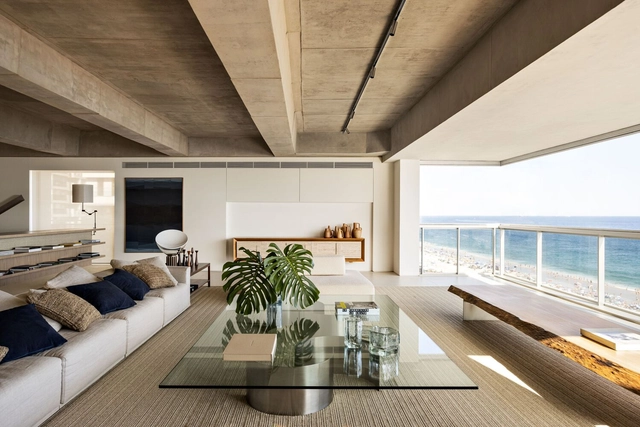
Orla Apartment / Studio Arthur Casas


-
Architects: Studio Arthur Casas
- Area: 405 m²
- Year: 2023
-
Manufacturers: +55design, Atlas Plan , CORE Hakwood, Chinellato, Etel, +7
https://www.archdaily.com/1020643/orla-apartment-factsheetAndreas Luco
Realengo Park Susana Naspolini / Ecomimesis Soluções Ecológicas


https://www.archdaily.com/1019058/realengo-park-susana-naspolini-ecomimesis-solucoes-ecologicasAndreas Luco