1. ArchDaily
  2. News

News

Felt: A Tool That Will Revolutionize Mapping for Architects and Urban Practitioners

Sightseeing is an activity closely intertwined with architecture and cities. So much is that Guiliana Bruno adapts the term to site-seeing in her comprehensive book Atlas of Emotions: Journeys in Art, Architecture and Film, emphasizing the link between tourism and the urban landscape. Traveling and exploring new places is not something only architects like, it's among the most enjoyable activities for anyone. It's no coincidence that city guides are consistently among the most visited articles on ArchDaily, offering curated collections of iconic buildings for people to explore.

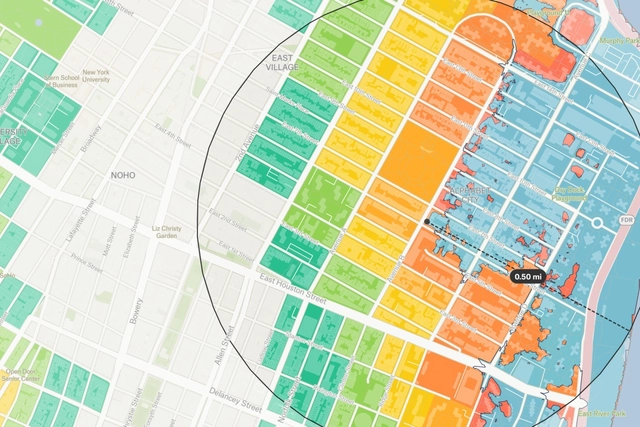
Now, some of our most popular city guides will not only provide a list of buildings, but also feature interactive maps that position each of the architectural masterpieces within the territory. Powered by Felt, these maps cater to the needs of the architects and curious travelers alike.
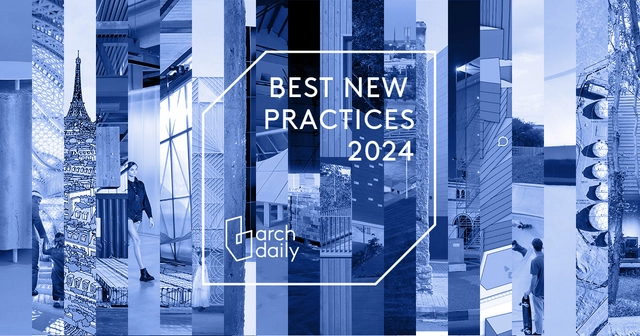
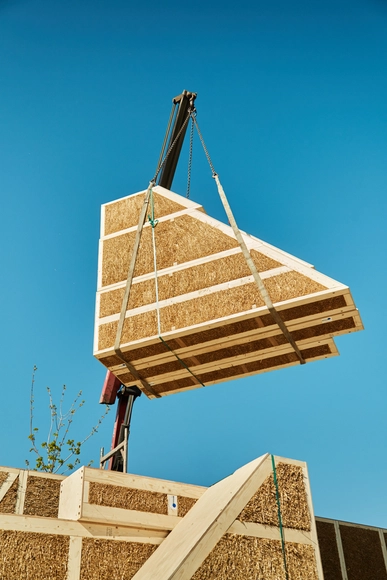
ArchDaily's 2024 Best New Practices

Architecture is about giving form to the places where people live. It is no easier, and no more complicated, than that. There are three key words here: "form," "place," and "life." As soon as one reflects on these terms, one immediately comprehends that these things are not all that easy. - Alejandro Aravena

With this phrase in the foreword to ArchDaily's Guide to Architecture, Alejandro Aravena reflects on the underlying complexity of architecture. Something that is essential to our life, but that with the ever growing complexities of our world, becomes a challenging task.

That is why for the 4th consecutive year we embark on a global survey, evaluating the work, ethos and mission behind innovative practices from all over the world. They represent the diversity that is reshaping our field, working across the spectrum between the essence of architecture and its blurry boundaries, ranging from studios to activists, startups and other forms of production, research, and thinking.

These 20 practices, half led by women or as a mix, coming from Europe, South America, North America, Asia and the Middle East, represent the diversity among those who are setting an example of the direction architecture should be heading. At the center of their mission there is a clear forward looking agenda that shapes their work, that reveal a practical consciousness towards the challenges of our world.

Meet ArchDaily's 2024 Best New Practices:

Sustainable Policy: How Deconstruction Plans Are Revolutionizing Construction Waste Management in the United States

Subscriber Access | 

For a long time, the construction industry has followed a linear process - extract raw materials, build structures, demolish them, and then dispose of the garbage in landfills. This approach has serious negative effects on the environment and society and is inherently unsustainable. Reconsidering traditional methods and workflows requires support from all stakeholders and a sense of urgency proclaimed by authorities. In the United States, city organizations have begun to implement new policies to keep construction waste out of landfills and support circular practices. Several cities like Seattle and Pittsburgh, have started implementing deconstruction ordinances that require older buildings to be carefully deconstructed rather than demolished. How might their key provisions influence circular practices in the country?

Sustainable Policy: How Deconstruction Plans Are Revolutionizing Construction Waste Management in the United States - Image 1 of 4Sustainable Policy: How Deconstruction Plans Are Revolutionizing Construction Waste Management in the United States - Image 2 of 4Sustainable Policy: How Deconstruction Plans Are Revolutionizing Construction Waste Management in the United States - Image 3 of 4Sustainable Policy: How Deconstruction Plans Are Revolutionizing Construction Waste Management in the United States - Image 4 of 4Sustainable Policy: How Deconstruction Plans Are Revolutionizing Construction Waste Management in the United States - More Images+ 1

Riverside Art Studio: A Sustainable Hub Redefining Urban Interaction in Seville

 | Sponsored Content

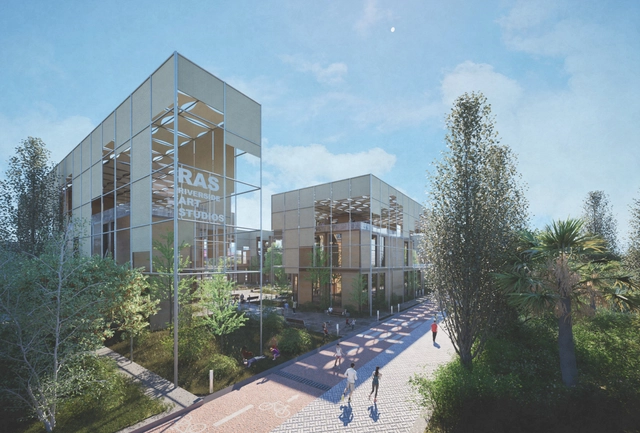
The Sustainable Hub in Seville emerged as an innovative concept through an open idea passive Sustainable Design Competition, launched in October 2023 with submissions received by February 2024. Spearheaded by Dar[e]-Europe, a renowned research firm based in Seville, Spain, the competition aimed to foster sustainable design solutions while promoting comfort for users with minimal reliance on non-renewable energy sources and environmental impact.

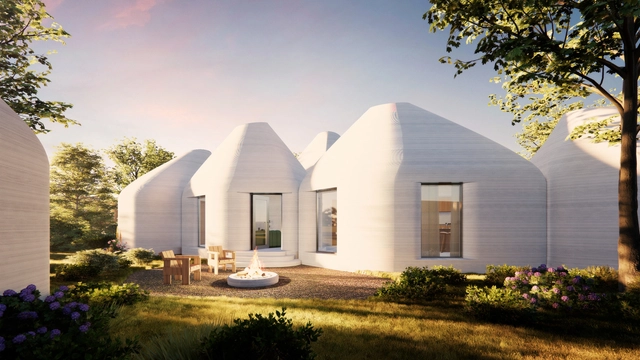
Beta Realities Creates 3D Printed Social Housing System for ICON Technologies' Initiative99

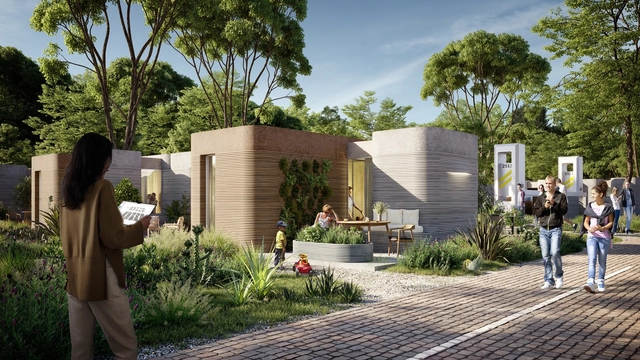
German-based architecture and design studio Beta Realities has developed the “Collective Parts” initiative, a design and technology platform for enabling the construction of affordable 3D printed housing. The project has been recognized as one of the winners of Inititative99 by ICON, a global architecture competition aimed at reimagining affordable housing that can be built for under $99,000. The other winners of the open category are MTspace Studio from New Zealand and For Everyday Life from the United Kingdom. The competition also highlights contributions from students as a separate category, featuring Casa Fami by IAAC from Spain, Juan Felipe Molano from Colombia, and Victoria Roznowski from Germany.

Beta Realities Creates 3D Printed Social Housing System for ICON Technologies' Initiative99 - Image 1 of 4Beta Realities Creates 3D Printed Social Housing System for ICON Technologies' Initiative99 - Image 2 of 4Beta Realities Creates 3D Printed Social Housing System for ICON Technologies' Initiative99 - Image 3 of 4Beta Realities Creates 3D Printed Social Housing System for ICON Technologies' Initiative99 - Image 4 of 4Beta Realities Creates 3D Printed Social Housing System for ICON Technologies' Initiative99 - More Images+ 17

COBE Wins Competition to Design Danish Parliament in Copenhagen

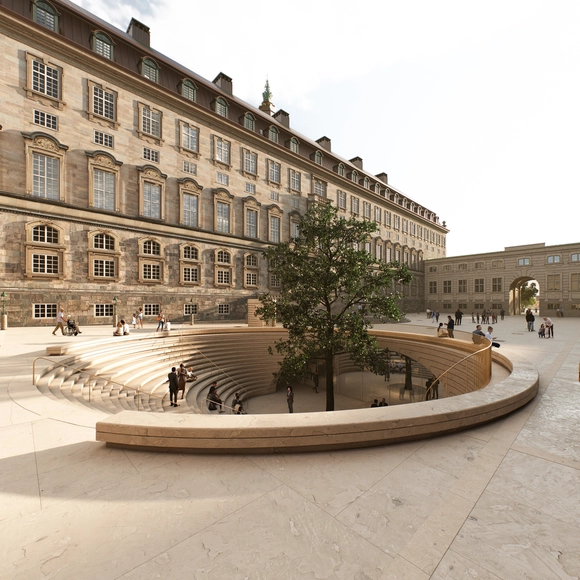
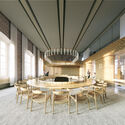
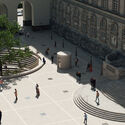
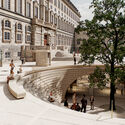
Cobe Architects has just unveiled its winning design for the future Danish Parliament in Copenhagen. Aiming to revitalize Denmark’s historic administrative center, the studio envisioned an inviting, accessible space, “where everyone can experience democracy up close.” The design features an underground visitor center, leading to facilities within the Parliament Courtyard, and an interconnected pathway uniting historic buildings formerly used by the Danish National Archive.

COBE Wins Competition to Design Danish Parliament in Copenhagen - Image 1 of 4COBE Wins Competition to Design Danish Parliament in Copenhagen - Image 2 of 4COBE Wins Competition to Design Danish Parliament in Copenhagen - Image 3 of 4COBE Wins Competition to Design Danish Parliament in Copenhagen - Image 4 of 4COBE Wins Competition to Design Danish Parliament in Copenhagen - More Images+ 2

Reimagining The Mashrabiya: Functionality and Symbolism in Contemporary Architecture

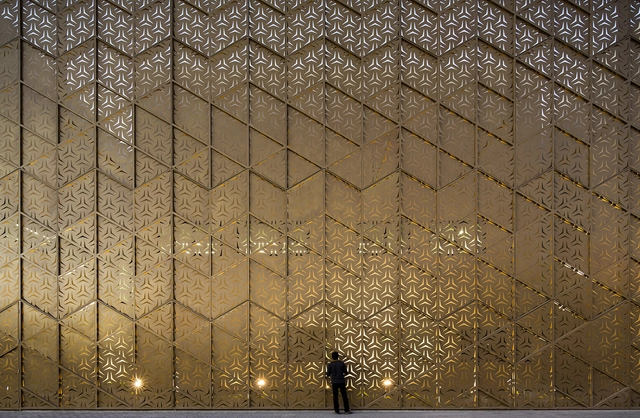
For centuries, arid environments have solved the problem of light, privacy, and heat through a statement architectural feature of Islamic and Arab architecture, the mashrabiya. Crafted from geometric patterns traditionally made from short lengths of turned wood, the mashrabiya features lattice-like patterns that form large areas. Traditionally, it was used to catch wind and offer passive cooling in the dry Middle Eastern desert heat. Frequently used on the side street of a built structure, water jars, and basins were placed inside it to activate evaporative cooling. The cool air from the street would pass through the wooden screen, providing air movement for the occupants.

Similar to the Indian jali, the vernacular language also offers a playful experience with daylight while still maintaining a certain degree of privacy. Traced back to Ottoman origins, the perforated screens protected occupants’ from the sun while simultaneously letting daylight through in calculated doses. Although the mashrabiya was a statement in arab and Islamic architecture languages, it wasn’t until 1987 that the archetypal element began appearing with a revised contemporary application.

Reimagining The Mashrabiya: Functionality and Symbolism in Contemporary Architecture  - Image 1 of 4Reimagining The Mashrabiya: Functionality and Symbolism in Contemporary Architecture  - Image 2 of 4Reimagining The Mashrabiya: Functionality and Symbolism in Contemporary Architecture  - Image 3 of 4Reimagining The Mashrabiya: Functionality and Symbolism in Contemporary Architecture  - Image 4 of 4Reimagining The Mashrabiya: Functionality and Symbolism in Contemporary Architecture  - More Images+ 7

Lasting Elegance: Zinc as a Sustainable Choice in Architecture

 | Sponsored Content

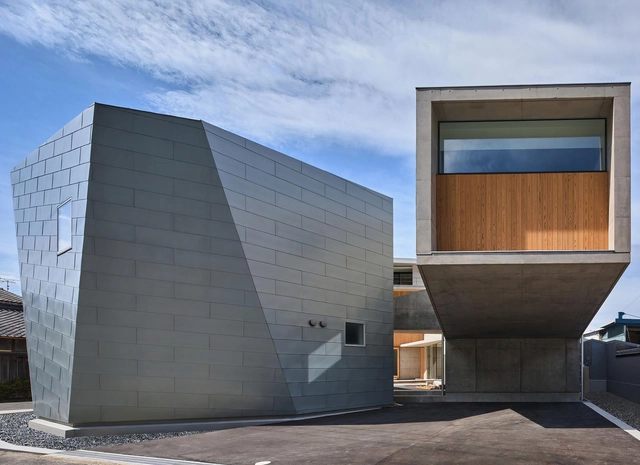
In nature, zinc is mainly found as zinc sulphide ore or zinc carbonate, which is mined to obtain the metal. Once refined, it is used in a variety of applications, including metal alloys, battery manufacturing, medicines and supplements, as well as in the fabrication of pigments, chemical compounds and coatings. In the latter, which is used in architectural applications, zinc is well known for its weather resistance and self-healing properties and is highly durable, with a lifespan of up to 100 years, requiring minimal maintenance. In addition, because it is 100% recyclable and has a low environmental impact during its production, zinc is a sustainable choice for construction projects.

Designing for Plants: The Architecture of Greenhouses and Their Relationship with the Environment

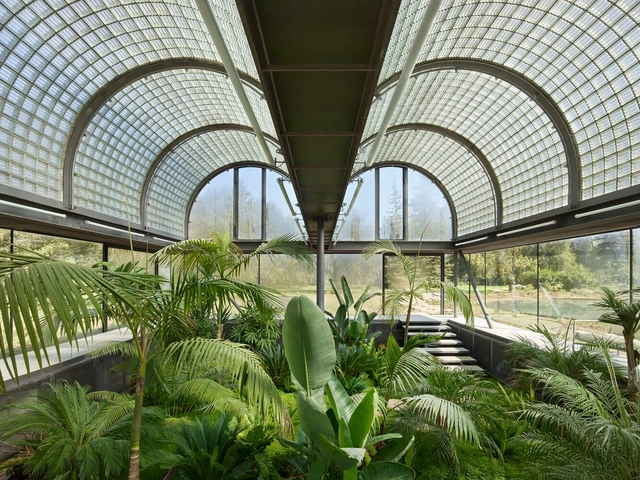
When delving into the envelope of construction and examining how the interior relates to the exterior, the concept of greenhouses emerges as an opportunity to cultivate life indoors, whether dependent on external factors or not. Defined as spaces enclosed by glass or other transparent plastic materials, greenhouses facilitate the growth of vegetables and ornamental plants even during periods of adverse external weather conditions. However, what does designing for plants involve? Climate, species, structural design, and the type of covering are just a few of the considerations to take into account.

Cultural and Community Centers: 12 Examples in Mexico Connecting with their Environment

Subscriber Access | 

Cultural and Community Centers: 12 Examples in Mexico Connecting with their Environment - Image 1 of 4Cultural and Community Centers: 12 Examples in Mexico Connecting with their Environment - Image 2 of 4Cultural and Community Centers: 12 Examples in Mexico Connecting with their Environment - Image 3 of 4Cultural and Community Centers: 12 Examples in Mexico Connecting with their Environment - Image 4 of 4Cultural and Community Centers: 12 Examples in Mexico Connecting with their Environment - More Images+ 14

The architecture of cultural centers in Mexico has gained relevance in recent years. There has been a growing interest in providing spaces for recreation and education, transforming them into urban landmarks that attract visitors from all over the country year after year.

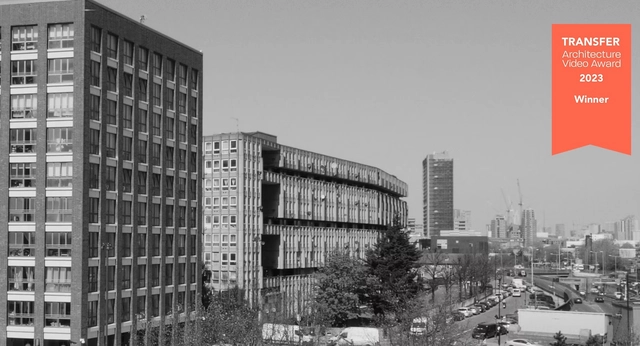
Watch Innovative Architecture Short Films: Winners of TRANSFER Architecture Video Award 2023

TRANSFER Architecture Video Award 2023 has just announced the winners of this year's edition of the innovative architecture short film competition. Due to the high quality and the diversity of the entries, the jury has decided to award 4 winners ex aequo and 2 honorable mentions.

The TRANSFER Architecture Video Award 2023 ceremony took place on February 22 in Lausanne, as part of the film festival Écrans Urbains. You can discover the winning, finalist, and shortlisted videos in TRANSFER.

Film Premiere: "A Voice for the 450 Plus" by Black Females in Architecture

Subscriber Access | 

Black Females in Architecture (BFA) is a social enterprise supporting a membership of more than 450 Black women in built environment professions worldwide. Founded by architects Neba Sere, Selasi Setufe, and Akua Danso, the group advocates for diversity, race and gender equity across all sectors of the built environment, including architecture, urbanism, landscape, engineering, design, and construction.

We are happy to premiere their short film "A Voice for the 450 Plus" to a global audience for the first time since it was shown at the 2023 Venice Architecture Biennale. The film is a celebration of the ongoing contributions of Black women in the built environment fields, showing the world how they contribute to shaping the future of our cities.

Film Premiere: "A Voice for the 450 Plus" by Black Females in Architecture - Image 1 of 4Film Premiere: "A Voice for the 450 Plus" by Black Females in Architecture - Image 2 of 4Film Premiere: "A Voice for the 450 Plus" by Black Females in Architecture - Image 3 of 4Film Premiere: "A Voice for the 450 Plus" by Black Females in Architecture - Image 4 of 4Film Premiere: A Voice for the 450 Plus by Black Females in Architecture - More Images

Beyond Transparency: 5 Buildings Highlighting Glass Brick Facades

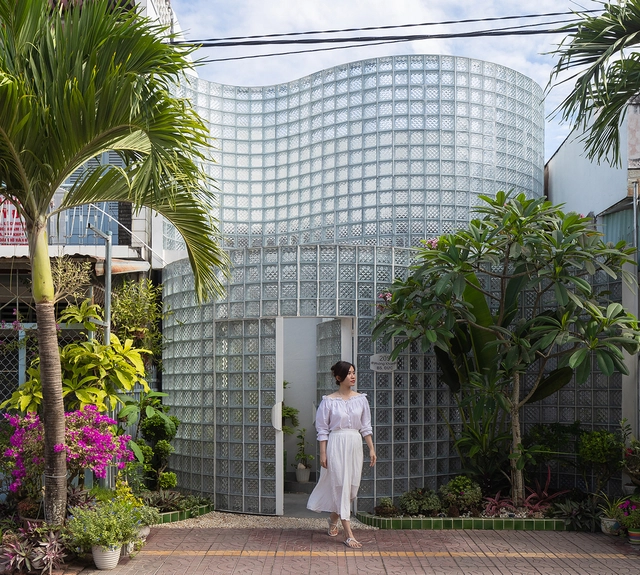
Glass brick facades have emerged as a captivating architectural trend, blending the enduring elegance of glass with the robust strength of bricks. Glass bricks can as well be more thermally resistant than conventional glazing. 

These facades add a pixelated effect that plays with light and shadow,  perfectly transmitting light, while maintaining privacy. The way glass bricks facades soften and blend the views of the outside can increase calmness and focus. From sleek commercial buildings to avant-garde residential projects, glass brick facades continue to push the boundaries of architectural innovation, captivating both designers and observers alike.

Beyond Transparency: 5 Buildings Highlighting Glass Brick Facades  - Image 1 of 4Beyond Transparency: 5 Buildings Highlighting Glass Brick Facades  - Image 2 of 4Beyond Transparency: 5 Buildings Highlighting Glass Brick Facades  - Image 3 of 4Beyond Transparency: 5 Buildings Highlighting Glass Brick Facades  - Image 4 of 4Beyond Transparency: 5 Buildings Highlighting Glass Brick Facades  - More Images+ 11

HKS Architects Unveils Geology-Inspired Design for Sports Arena in Saudi Arabia

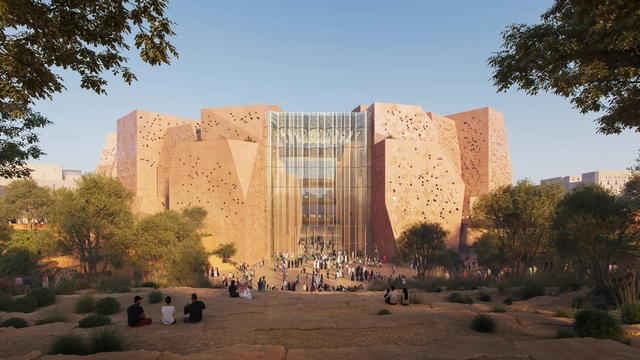
Commissioned by Diriyah Company, HKS Architects have revealed the design for a new multisport arena in Diriyah. Envisioned as a catalyst for the local culture and the entertainment sector, the 20,000-seat venue will be located in the center of The City of Earth, a 76,000-square-meter development aligned with Saudi Vision 2030, aimed at becoming one of the most attractive venues for tourism in the Middle East.

HKS Architects Unveils Geology-Inspired Design for Sports Arena in Saudi Arabia - Image 1 of 4HKS Architects Unveils Geology-Inspired Design for Sports Arena in Saudi Arabia - Image 2 of 4HKS Architects Unveils Geology-Inspired Design for Sports Arena in Saudi Arabia - Image 3 of 4HKS Architects Unveils Geology-Inspired Design for Sports Arena in Saudi Arabia - Image 4 of 4HKS Architects Unveils Geology-Inspired Design for Sports Arena in Saudi Arabia - More Images+ 5

World's First-Ever 3D Printed Mosque Opens in Jeddah, Saudi Arabia

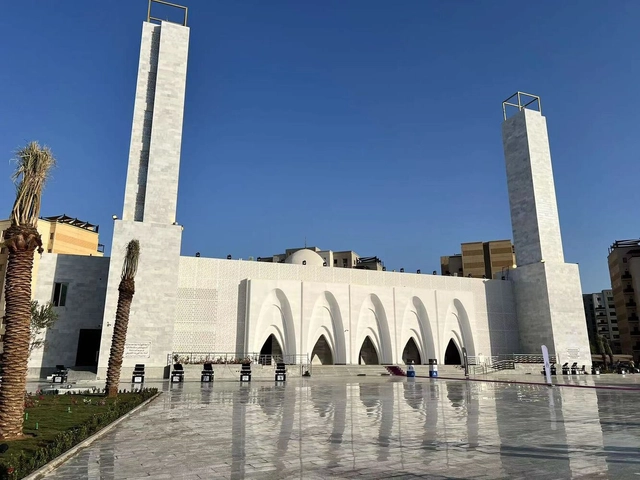
The Kingdom of Saudi Arabia is now home to the world’s first 3D-printed mosque, spanning an area of 5,600 sqm. Located within the Al-Jawhara suburb of Jeddah, the mosque stands as a tribute to the late equestrian Abdulaziz Abdullah Sharbatly. The project by Forsan Real Estate utilizes cutting-edge 3D printing technology from Guanli.

World's First-Ever 3D Printed Mosque Opens in Jeddah, Saudi Arabia - Image 1 of 4World's First-Ever 3D Printed Mosque Opens in Jeddah, Saudi Arabia - Image 2 of 4World's First-Ever 3D Printed Mosque Opens in Jeddah, Saudi Arabia - Image 3 of 4World's First-Ever 3D Printed Mosque Opens in Jeddah, Saudi Arabia - Image 4 of 4World's First-Ever 3D Printed Mosque Opens in Jeddah, Saudi Arabia - More Images+ 1

Social Housing in America: Architects Must Answer the Call

This article was originally published on Common Edge.
If you follow housing policy in America, you may have noticed a particular term cropping up a lot recently: social housing. Maybe you’ve read a longform academic article, live in a city that is codifying a social-housing policy like Seattle or Atlanta, or seen one of the recent mentions in The New York Times, highlighting U.S. and Viennese success stories. On the design front, Dezeen is running a social-housing revival series.
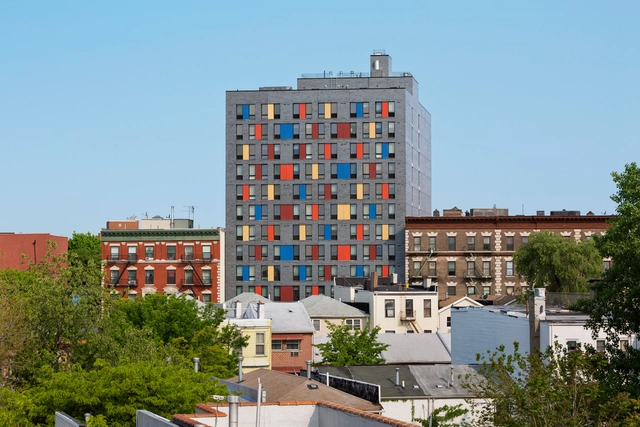
Social Housing in America: Architects Must Answer the Call - Image 1 of 4Social Housing in America: Architects Must Answer the Call - Image 2 of 4Social Housing in America: Architects Must Answer the Call - Image 3 of 4Social Housing in America: Architects Must Answer the Call - Image 4 of 4Social Housing in America: Architects Must Answer the Call - More Images+ 2

What are Curated Widths Wooden Floors? Minimizing Waste with a Natural Aesthetic

 | Sponsored Content

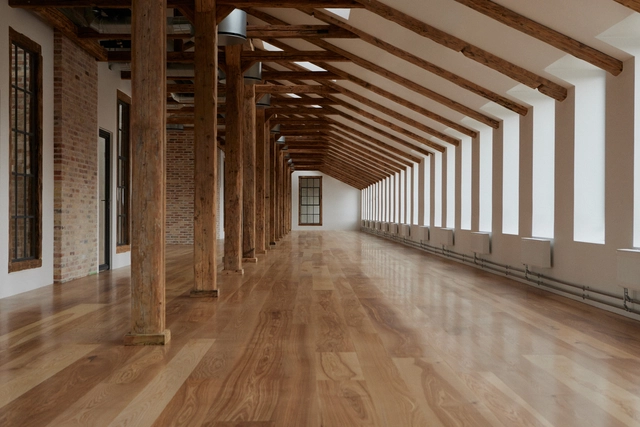
Flooring plays a fundamental role in defining the ambiance and atmosphere of a space. Among the variety of options on the market, solid wood plank flooring stands out as a timeless choice. Known for their classic beauty and enveloping textures, these floors not only enhance the visual aspect of a room but also provide exceptional thermal comfort, resistance, and resilience, able to withstand wear and tear and heavy traffic. Their easy maintenance and durability are further markers of their quality, making them one of the favorite choices of architects, designers, and homeowners in search of long-lasting elegance and functionality for their projects.
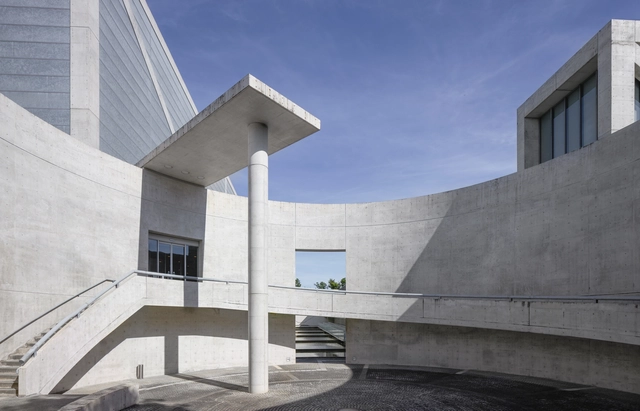
When we look at a meticulously installed floor, we often forget that it was once part of a tree that was taken through a series of processes to eventually become the flooring product beneath our feet. The round trunk of the tree naturally results in boards of different dimensions, from the wide widths of the central core to the narrower dimensions of the outer layers. Various methods can be used to optimize the use of these trunks, each with its advantages and disadvantages.

Balancing Function and Aesthetics: Incorporating Natural Light and Ventilation in Facades

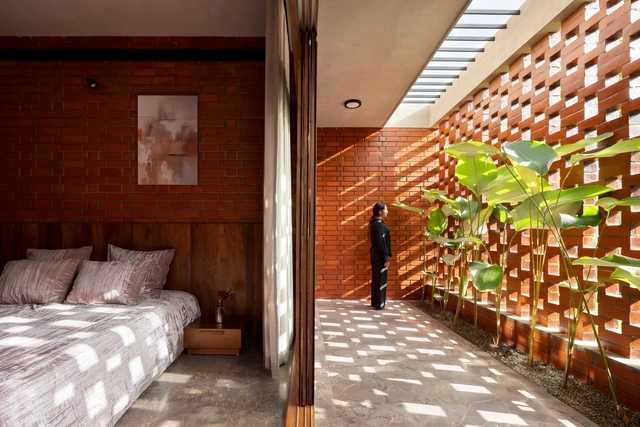
Environmental comfort is one of the aspects that contribute to the good performance of architecture. In project descriptions, the incidence of natural lighting and ventilation is often highlighted as advantageous characteristics that add to the aesthetics and functioning of the program. In a way, environmental comfort is part of the building's function, not necessarily linked to the activities that take place inside the construction but plays a role in its development.

Balancing Function and Aesthetics: Incorporating Natural Light and Ventilation in Facades - Image 1 of 4Balancing Function and Aesthetics: Incorporating Natural Light and Ventilation in Facades - Image 2 of 4Balancing Function and Aesthetics: Incorporating Natural Light and Ventilation in Facades - Image 3 of 4Balancing Function and Aesthetics: Incorporating Natural Light and Ventilation in Facades - Image 4 of 4Balancing Function and Aesthetics: Incorporating Natural Light and Ventilation in Facades - More Images+ 10

Zaha Hadid Architects Reveals Climate-Resilient Design for Al Khuwair Waterfront in Oman

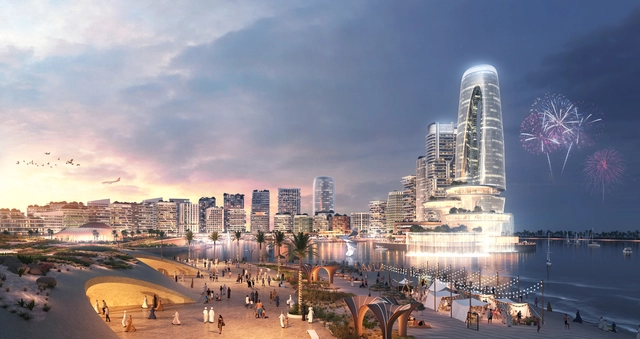
Zaha Hadid Architects have unveiled a large-scale project for the redevelopment of the Al Khuwair waterfront in downtown Muscat, the capital of Oman. The $1.3bn project covers an area of 3.3 million square meters. It aims to revitalize the area through sustainability-led design principles to accommodate the expected population growth, which is expected to almost double by 2040. The plans are developed in collaboration with Buro Happold to incorporate and transform the existing buildings on site, introduce coastal and climate resilience measures, and create an efficient transit-oriented infrastructure.

Zaha Hadid Architects Reveals Climate-Resilient Design for Al Khuwair Waterfront in Oman - Image 1 of 4Zaha Hadid Architects Reveals Climate-Resilient Design for Al Khuwair Waterfront in Oman - Image 2 of 4Zaha Hadid Architects Reveals Climate-Resilient Design for Al Khuwair Waterfront in Oman - Image 3 of 4Zaha Hadid Architects Reveals Climate-Resilient Design for Al Khuwair Waterfront in Oman - Image 4 of 4Zaha Hadid Architects Reveals Climate-Resilient Design for Al Khuwair Waterfront in Oman - More Images+ 1

ICON Unveils Groundbreaking Construction Innovations at SXSW: Revolutionizing Building with Robotics, AI, and Sustainable Materials

Pioneering advanced construction and large-scale 3D Printing, ICON was selected as ArchDaily’s Best New Practices of 2021 due to its boundary-breaking technology that is advancing capability in the built environment. The Texas-based startup has just unveiled various toolkits and products to modernize construction processes further. Dubbed “Domus Ex Machina,” the event showcased a range of innovations, such as an AI Architect created for home design and construction, a digital library containing over 60 pre-designed home plans, a new eco-friendly building material, and a robotic printed facilitating multi-story construction. Together, these developments aim to offer a quicker, more environmentally friendly way to build high-quality, affordable housing globally.

ICON Unveils Groundbreaking Construction Innovations at SXSW: Revolutionizing Building with Robotics, AI, and Sustainable Materials - Image 1 of 4ICON Unveils Groundbreaking Construction Innovations at SXSW: Revolutionizing Building with Robotics, AI, and Sustainable Materials - Image 2 of 4ICON Unveils Groundbreaking Construction Innovations at SXSW: Revolutionizing Building with Robotics, AI, and Sustainable Materials - Image 3 of 4ICON Unveils Groundbreaking Construction Innovations at SXSW: Revolutionizing Building with Robotics, AI, and Sustainable Materials - Image 4 of 4ICON Unveils Groundbreaking Construction Innovations at SXSW: Revolutionizing Building with Robotics, AI, and Sustainable Materials - More Images+ 10

How to Make Bamboo Durable? A Step-By-Step Guide

Subscriber Access | 

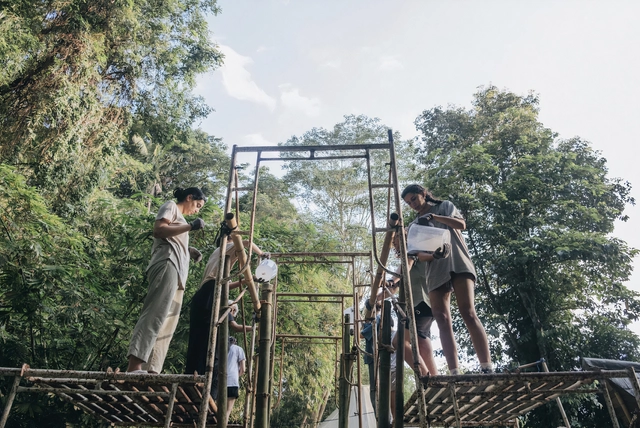
Bamboo, renowned for its strength and eco-friendliness, often faces a formidable adversary: insects and fungi. Despite its resilience, these pests can compromise its durability over time. However, there exists a simple yet effective solution to bolster bamboo's longevity and sturdiness. In this article, we unveil the Vertical Soak Diffusion (VSD) method—a budget-friendly approach that ensures your bamboo projects stand the test of time.

The Metaverse Unleashed: The Rise of Human-Scale Digital Venues

This article is the eighth in a series focusing on the Architecture of the Metaverse. ArchDaily has collaborated with John Marx, AIA, the founding design principal and Chief Artistic Officer of Form4 Architecture, to bring you monthly articles that seek to define the Metaverse, convey the potential of this new realm as well as understand its constraints. In this feature, architect John Marx interviews Heather Gallagher, an international expert in transformative events and the experience economy and former Head of Technology at Burning Man.

The Metaverse Unleashed: The Rise of Human-Scale Digital Venues - Image 1 of 4The Metaverse Unleashed: The Rise of Human-Scale Digital Venues - Image 2 of 4The Metaverse Unleashed: The Rise of Human-Scale Digital Venues - Image 3 of 4The Metaverse Unleashed: The Rise of Human-Scale Digital Venues - Image 4 of 4The Metaverse Unleashed: The Rise of Human-Scale Digital Venues - More Images+ 6

How to Improve Internal and External Environments with Glass Ceilings

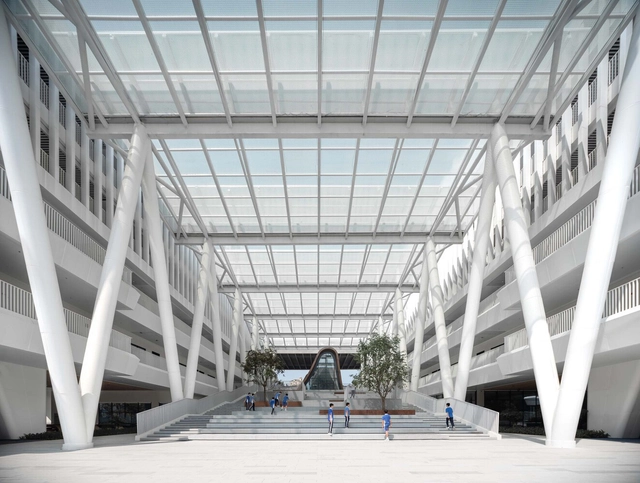
As a highly transparent material that stands up to all but the most extreme of weather conditions, is easily formed into any size or shape, and, once formed, will last for thousands of years, glass is still one of the most innovative and crucial materials used in architecture. Although contemporary building practices allow us to form huge, glittering skyscrapers of glass that rise hundreds of meters into the air, the ancient material’s original purpose – to welcome light into weathertight and secure interiors – remains its most important more than a thousand years on.

As important as glass is to almost every typology of architecture in the form of windows, when it comes to the roof of a building, the use of glass is not so simple. We’ve understood the power and danger of combining light and glass ever since we saw a magnifying glass used to concentrate the heat of sunlight into incredibly high temperatures in children’s cartoons. Under a glass roof, the solar gain can make for uncomfortable internal environments without the correct protective precautions.

How to Improve Internal and External Environments with Glass Ceilings - Image 1 of 4How to Improve Internal and External Environments with Glass Ceilings - Image 2 of 4How to Improve Internal and External Environments with Glass Ceilings - Image 3 of 4How to Improve Internal and External Environments with Glass Ceilings - Image 4 of 4How to Improve Internal and External Environments with Glass Ceilings - More Images+ 10

A Look Back at the 9 Japanese Architects Honored with the Pritzker Prize

Last week, Japanese architect and social advocate Riken Yamamoto was announced as the 2024 Pritzker Architecture Prize Laureate, becoming the 9th Japanese architect honored with the profession's most prestigious award. Throughout the 45-year history of the Pritzker Prize, Japan stands out as the nation with the highest number of laureates. While geography is not a criterion in the selection of the laureates, Japanese architecture consistently impresses with its interplay of light and shadow, the careful composition of spaces, soft transitions between interior and exterior, and attention to detail and materiality. An ingrained culture of building also celebrates diverse designs and encourages global dialogue and the exchange of ideas and best practices. Read on to rediscover the 9 Japanese Pritzker laureates and glimpse into their body of work.

A Look Back at the 9 Japanese Architects Honored with the Pritzker Prize - Image 1 of 4A Look Back at the 9 Japanese Architects Honored with the Pritzker Prize - Image 2 of 4A Look Back at the 9 Japanese Architects Honored with the Pritzker Prize - Image 3 of 4A Look Back at the 9 Japanese Architects Honored with the Pritzker Prize - Image 4 of 4A Look Back at the 9 Japanese Architects Honored with the Pritzker Prize - More Images+ 6

You've started following your first account!

Did you know?

You'll now receive updates based on what you follow! Personalize your stream and start following your favorite authors, offices and users.