A GEO and HAAU collaboration, led by the 2025 Planetary Transitions Artists in Residence Sam Spurr, Eduardo Kairuz, and Angela Lee
Invited guest: Daniel Barber, Professor of Architecture at the Technical University of Eindhoven


A GEO and HAAU collaboration, led by the 2025 Planetary Transitions Artists in Residence Sam Spurr, Eduardo Kairuz, and Angela Lee
Invited guest: Daniel Barber, Professor of Architecture at the Technical University of Eindhoven

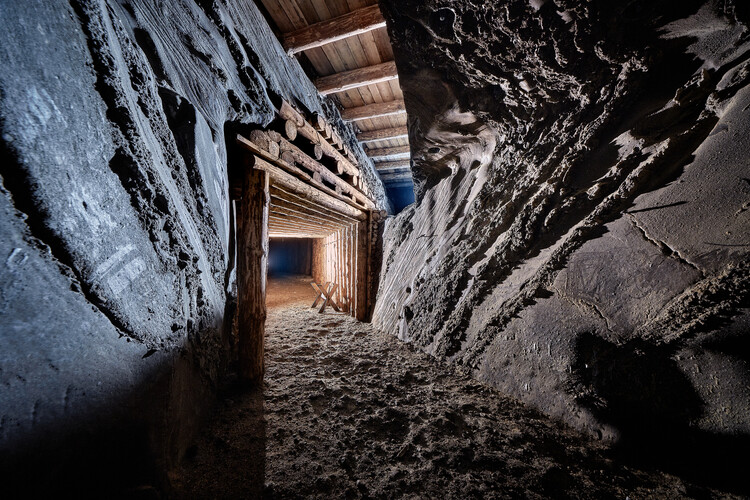
Beneath the visible surface of cities lies an invisible architecture. Subways, tunnels, water systems, data cables, and bunkers form a dense network that sustains urban life while remaining largely unseen. The ground beneath our feet is not a void but a complex territory that holds the infrastructures, memories, and anxieties of our age. In recent years, as land becomes scarce and climate pressures intensify, architects and urbanists have turned their gaze downward, rediscovering the subterranean as both a physical and conceptual frontier. To design underground is to engage with the unseen mechanisms that shape the world above.
The subterranean has long been a site where architecture intersects with politics, technology, and belief. From the catacombs of Rome to the industrial subways of modernity, descent has symbolized both protection and exposure. Twentieth-century urbanism transformed this gesture into a system: metros, shelters, and utilities redefined the city section as an instrument of governance. Beneath the promise of efficiency and progress, the underground absorbed the anxieties of an era of war, surveillance, and collapse. Its evolution reveals not only how societies build, but also how they fear.
Today, the ground has become the new frontier of urban expansion and ecological adaptation. As digital infrastructures, energy systems, and climatic buffers migrate below grade, architecture confronts a space both technical and metaphysical — essential yet marginal, invisible yet decisive. To think in sections rather than in plan is to recognise that contemporary cities no longer exist solely in their skylines but also in their depths. The challenge for architecture is not only to occupy that space, but to render it legible, to turn the unseen into knowledge, and the hidden into a new terrain of design.
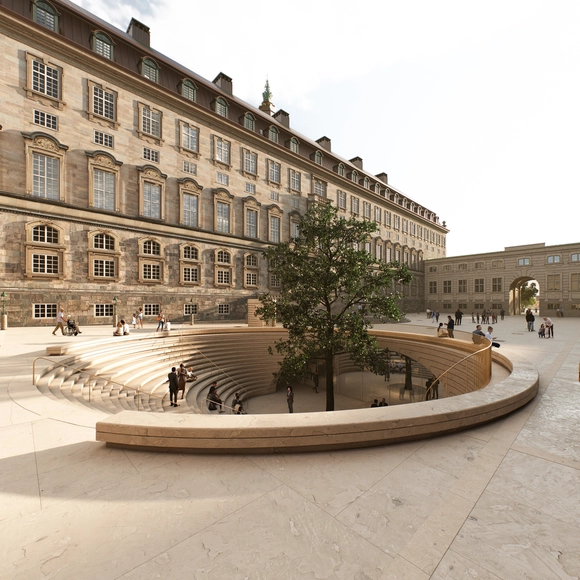
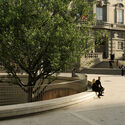
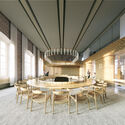
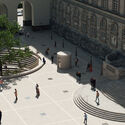
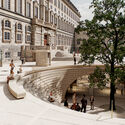
Cobe Architects has just unveiled its winning design for the future Danish Parliament in Copenhagen. Aiming to revitalize Denmark’s historic administrative center, the studio envisioned an inviting, accessible space, “where everyone can experience democracy up close.” The design features an underground visitor center, leading to facilities within the Parliament Courtyard, and an interconnected pathway uniting historic buildings formerly used by the Danish National Archive.
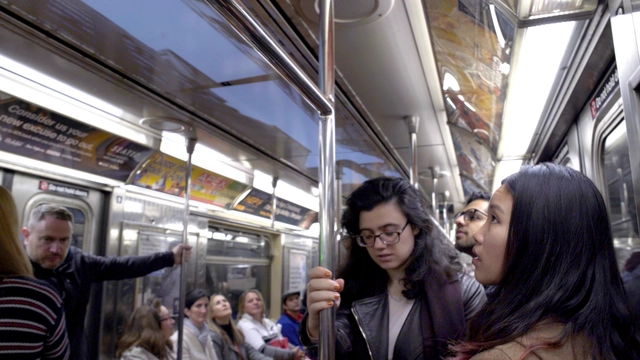
The Media Architecture Biennale 2023 (MAB23) takes place June 14-15 (online) and June 21-23 (in-person) in Toronto, Canada. The event, which features keynotes, roundtables, and awards, aims to offer a platform for communities of research and practice concerned with media and the built environment. MAB23 will bring together students, academics, and professionals from architecture, art, design, urban planning, media and communication, urban informatics, and public policy to share new ideas and shape this evolving field.
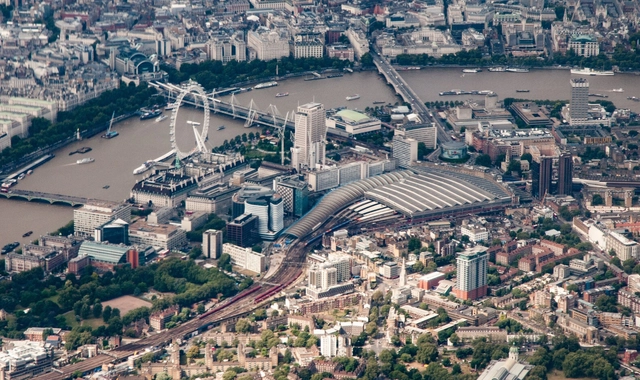
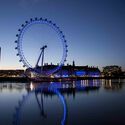
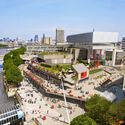
Grimshaw has been commissioned to develop the busiest transport hub in the UK, as well as London's surrounding Southbank area. The master plan will improve the traffic of 5 connections and renovate the terrain, home to world-famous attractions like the London Eye and the Tate Modern. The project is aligned with Lambeth Council's and the Network Rail's commitment to net zero emissions by 2030, through the extension of pedestrian and cycling routes.

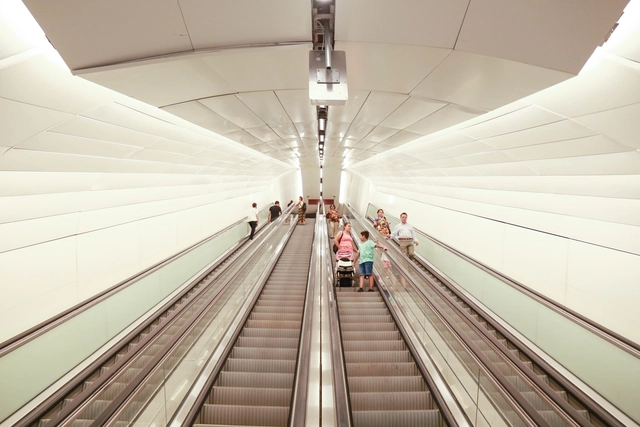
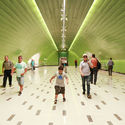
Rumor had it that behind the walls of historic subway station Cal y Canto in Santiago de Chile, a hidden ghost station would eventually link to Line 3—a planned route that was part of the original Metro master plan designed in the 60s. Its construction would have been shelved after the magnitude-7.8 1985 earthquake that forced public resources to be redirected for the reconstruction of the Chilean central valley.
34 years later, the Cal y Canto Metro station finally opened its connection with Line 3, the most recent addition to the rapid transit system, thus becoming the seventh line of Santiago after lines 1, 2, 4, 4A, 5, and 6.
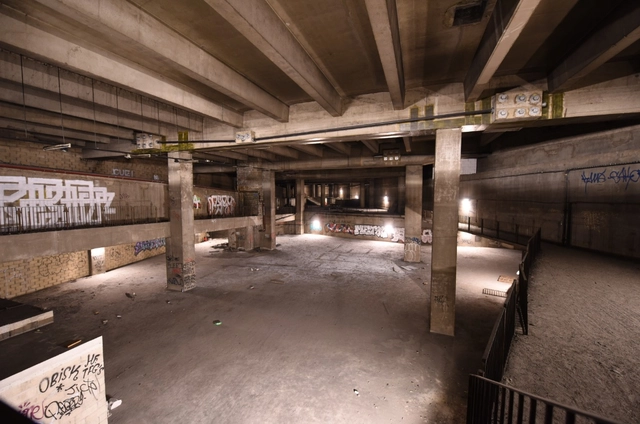
Paris La Défense is seeking to vitalise the ‘interstitial volumes’ that lie beneath its central esplanade, interlocked with underground infrastructures. Located at the heart of La Défense, those spaces are very close to public transport and offer high potential due to their distinctive size and morphology. The aim is to use them to develop a new offering of activities accessible to the public – and see a lively and unusual destination emerge as a result. Paris La Défense, as the urban planner, developer and manager of the business district, is launching a competitive dialogue process. The purpose to this process is to award an architectural, programming, engineering and planning services framework agreement for the vitalisation of the central residual volumes. A bonus of 200 000 € will be given to the selected candidates who will complete the procedure.

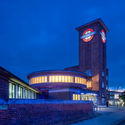
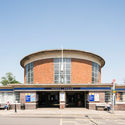
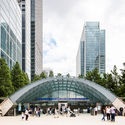
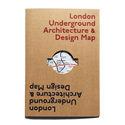
Your obsession with transit-oriented design has been answered with the newest map series by Blue Crow Media. The first in this series, London Underground Architecture and Design Map curates original content by transport design historian, Mark Ovenden paired with photography by Will Scott to depict the London Underground. Mark Ovenden is a specialist in graphic design, cartography, and architecture in public transport with an emphasis on underground rapid transit, making him the natural fit for the design of this map.