1. ArchDaily
  2. Anne Holtrop

Anne Holtrop: The Latest Architecture and News

The UIA World Congress of Architects 2026 Barcelona Unveils Program and Speakers

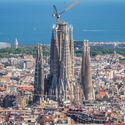
The UIA World Congress of Architects is an international event for architectural dialogue organised by the International Union of Architects (UIA, by its French acronym), a non-governmental organisation that unites national associations of architects from over 100 countries, representing more than one million professionals. The first UIA Congress of Architects, which also marked the institution's founding, was held in Lausanne in 1948 during the post-war reconstruction period. Since then, UIA congresses have been held every three years in a different city within a member country, serving as the organisation's main recurring event. In 2026, the Congress will be held in Barcelona, and UNESCO has consequently designated the city as the World Capital of Architecture 2026. Each Congress focuses on a key topic relevant to the profession, articulated through a central theme. Recent themes include Copenhagen 2023: "Sustainable Futures. Leave no one behind." and Rio 2020–2021: "All the worlds. Just one World." The topic for 2026 is "Becoming. Architectures for a Planet in Transition," welcoming renowned figures in contemporary architectural thought and practice for a broad and critical overview of the possible futures of architecture.
The UIA World Congress of Architects 2026 Barcelona Unveils Program and Speakers - Image 1 of 4The UIA World Congress of Architects 2026 Barcelona Unveils Program and Speakers - Image 2 of 4The UIA World Congress of Architects 2026 Barcelona Unveils Program and Speakers - Image 3 of 4The UIA World Congress of Architects 2026 Barcelona Unveils Program and Speakers - Image 4 of 4The UIA World Congress of Architects 2026 Barcelona Unveils Program and Speakers - More Images+ 7

Choreographing Space: Architecture and Dance as Interdisciplinary Practices

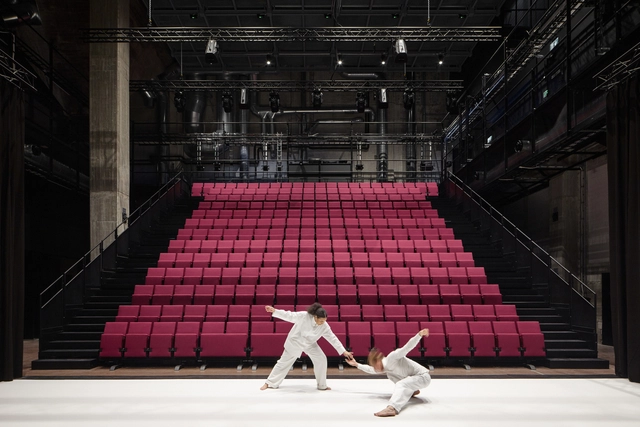
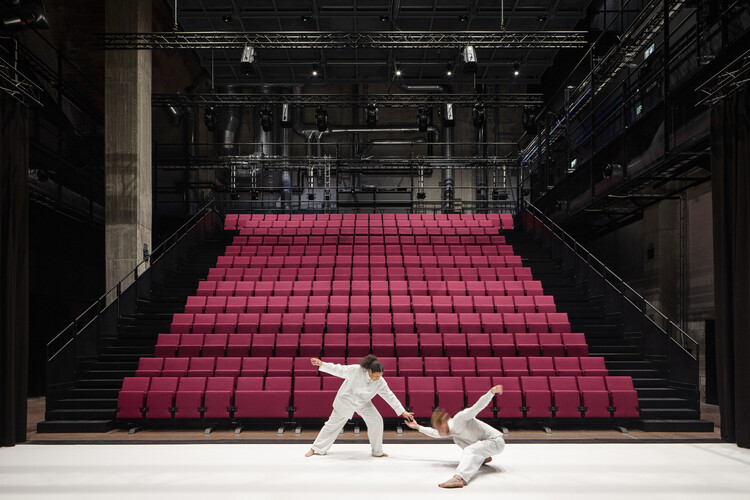
"Dance, dance… otherwise we are lost." This oft-cited phrase by Pina Bausch encapsulates not only the urgency of movement, but its capacity to reveal space itself. In her choreographies, space is never a neutral backdrop, it becomes a partner, an obstacle, a memory. Floors tilt, chairs accumulate, walls oppress or liberate. These are architectural conditions, staged and contested through the body. What Bausch exposes — and what architecture often forgets — is that space is not simply built, it is performed. Her work invites architects to think not only in terms of materials and forms, but of gestures, relations, and rhythms. It suggests that architecture, like dance, is ultimately about how we inhabit, structure, and emotionally charge the spaces we move through.

Historically, architecture and dance have operated in parallel, shaping human experience through the body's orientation in space and time. From the choreographed rituals of classical temples to the axial logics of Baroque palaces, built space has always implied movement. The Bauhaus took this further, as Oskar Schlemmer's Triadic Ballet visualized space as a geometric extension of the body. This was not scenery, but spatial thinking made kinetic. In the 20th century, choreographers like William Forsythe and Anne Teresa De Keersmaeker integrated architectural constraints into their scores, while architects such as Steven Holl, Diller Scofidio + Renfro, and Toyo Ito designed buildings that unfold as spatial sequences, inviting movement, drift, and delay.

Choreographing Space: Architecture and Dance as Interdisciplinary Practices - Image 1 of 4Choreographing Space: Architecture and Dance as Interdisciplinary Practices - Image 2 of 4Choreographing Space: Architecture and Dance as Interdisciplinary Practices - Image 3 of 4Choreographing Space: Architecture and Dance as Interdisciplinary Practices - Image 4 of 4Choreographing Space: Architecture and Dance as Interdisciplinary Practices - More Images+ 35

Seven International Design Teams Shortlisted for Museum of Jesus’ Baptism in Jordan

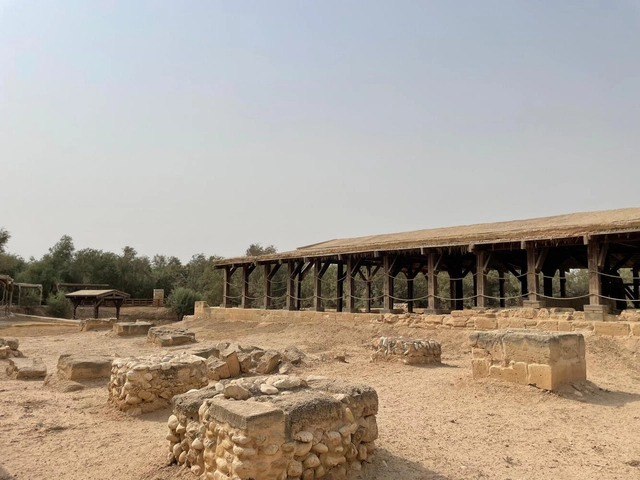
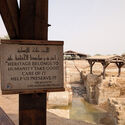
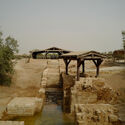
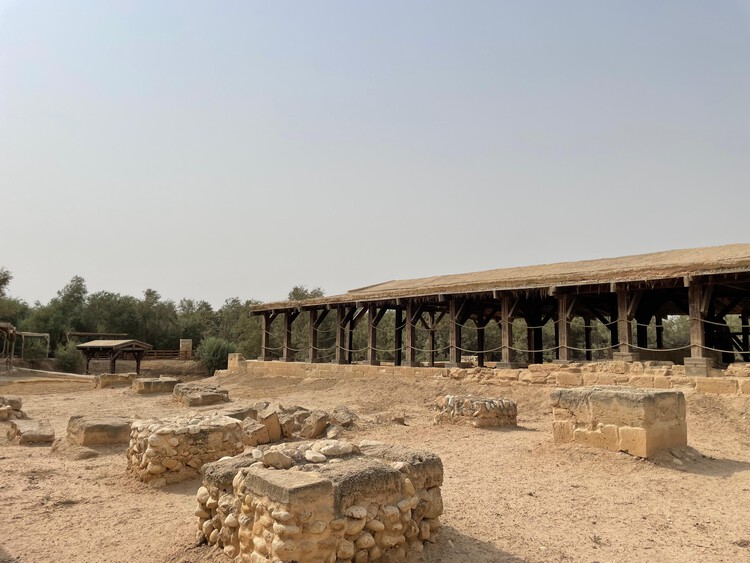
Seven international design teams have been shortlisted for the "Museum of Jesus' Baptism" at Bethany, Jordan, a cultural and spiritual landmark scheduled to open in 2030 to mark the bimillennial of Christ's baptism. Endorsed by His Majesty King Abdullah II bin Al-Hussein and led by the Foundation for the Development of the Lands Adjacent to the Baptism Site, the project is managed by London-based Malcolm Reading Consultants (MRC). The museum will be situated adjacent to the UNESCO World Heritage Site of "Bethany Beyond the Jordan" on the east bank of the Jordan River, a place of Christian pilgrimage for centuries.

Seven International Design Teams Shortlisted for Museum of Jesus’ Baptism in Jordan - Image 1 of 4Seven International Design Teams Shortlisted for Museum of Jesus’ Baptism in Jordan - Image 2 of 4Seven International Design Teams Shortlisted for Museum of Jesus’ Baptism in Jordan - Image 3 of 4Seven International Design Teams Shortlisted for Museum of Jesus’ Baptism in Jordan - Image 4 of 4Seven International Design Teams Shortlisted for Museum of Jesus’ Baptism in Jordan - More Images+ 9

Muharraq Architecture City Guide: 10 Projects Through the Bahraini City's Developing Pearling Path

Subscriber Access | 

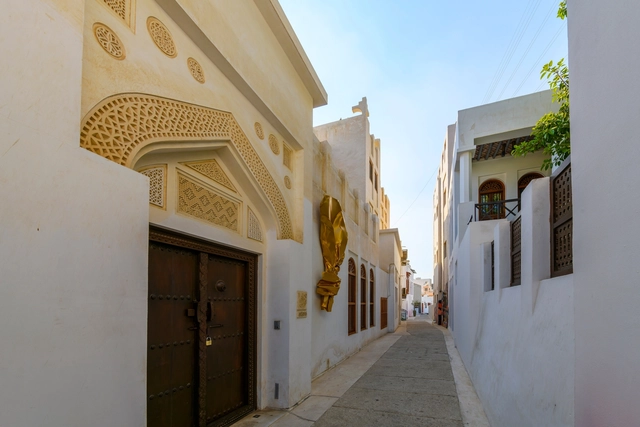
The Kingdom of Bahrain is being widely acknowledged recently through their worldwide architectural contributions at the Expo 2025 in Osaka, with their Anatomy of a Dhow pavilion by Lina Ghotmeh; or at the Venice Biennale, where the Heatwave exhibition was awarded the Golden Lion for Best National Participation. However, for the past few years Bahraini cities like Muharraq have been lending the stage for regional and international architects to discover their typical Persian Gulf architecture and add their own touches to the local sites. It's through the works of Leopold Banchini, Anne Holtrop, or Valerio Olgiati that the old has been brought back to life, along with the efforts of the local authorities and cultural figures.

Muharraq Architecture City Guide: 10 Projects Through the Bahraini City's Developing Pearling Path - Image 1 of 4Muharraq Architecture City Guide: 10 Projects Through the Bahraini City's Developing Pearling Path - Image 2 of 4Muharraq Architecture City Guide: 10 Projects Through the Bahraini City's Developing Pearling Path - Image 3 of 4Muharraq Architecture City Guide: 10 Projects Through the Bahraini City's Developing Pearling Path - Image 4 of 4Muharraq Architecture City Guide: 10 Projects Through the Bahraini City's Developing Pearling Path - More Images+ 16

Arab Designers Crafting their Own Narrative: Design Doha 2024 Explores Identity and Innovation

Subscriber Access | 

Establishing a platform in the Arab world, Design Doha 2024 debuted its inaugural edition in Doha, Qatar. Facilitating dialogues between designers, the event challenges the misconception that the Arab world is composed of a singular culture. It highlights, therefore, the diversity of populations, landscapes, and histories it encompasses.

Centered on "Arab Design Now," a regional survey showcasing the works of over 70 Arab designers, featuring 38 commissioned pieces, Design Doha is running from February 24 to August 5, 2024. ArchDaily had the opportunity to talk to Rana Beiruti, curator of the main exhibition, during the event's opening, to grasp the significance of the biennial and delve into some of the key installations, exploring the stories behind these interventions, learning about the designers involved, and gaining insights into their creative processes.

Arab Designers Crafting their Own Narrative: Design Doha 2024 Explores Identity and Innovation  - Image 1 of 4Arab Designers Crafting their Own Narrative: Design Doha 2024 Explores Identity and Innovation  - Image 2 of 4Arab Designers Crafting their Own Narrative: Design Doha 2024 Explores Identity and Innovation  - Image 3 of 4Arab Designers Crafting their Own Narrative: Design Doha 2024 Explores Identity and Innovation  - Image 4 of 4Arab Designers Crafting their Own Narrative: Design Doha 2024 Explores Identity and Innovation  - More Images+ 12

The Power of Emotions: How Does Space Move Us?

"The taste of the apple lies in the contact of the fruit with the palate, not in the fruit itself," Jorge Luis Borges once said. The taste is not something inherent in itself; its experience is the result of an encounter. Similarly, emotions are not contained within architecture, but are only felt through the encounter of the body with the space, when it becomes a place. How does the environment affect how we feel? This is the question that drives the duo of artists and filmmakers Ila Bêka and Louise Lemoine in their latest endeavor, the book "The Emotional Power of Space," which will be released on May 17th in an event preceding the opening of the Venice Architecture Biennale 2023.
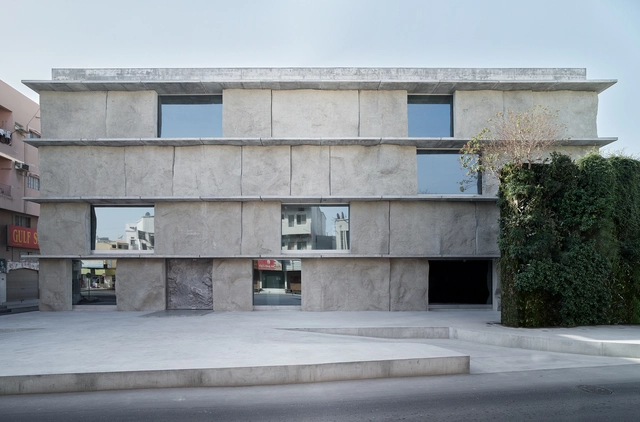
35 Green Corner Building / Studio Anne Holtrop

35 Green Corner Building / Studio Anne Holtrop - Exterior Photography, Learning, Facade35 Green Corner Building / Studio Anne Holtrop - Exterior Photography, Learning35 Green Corner Building / Studio Anne Holtrop - Interior Photography, Learning, Bathroom35 Green Corner Building / Studio Anne Holtrop - Exterior Photography, Learning35 Green Corner Building / Studio Anne Holtrop - More Images+ 26

The Bahrain Pavilion at the 2021 Venice Biennale Unifies the Regenerative Initiatives of Muharraq City

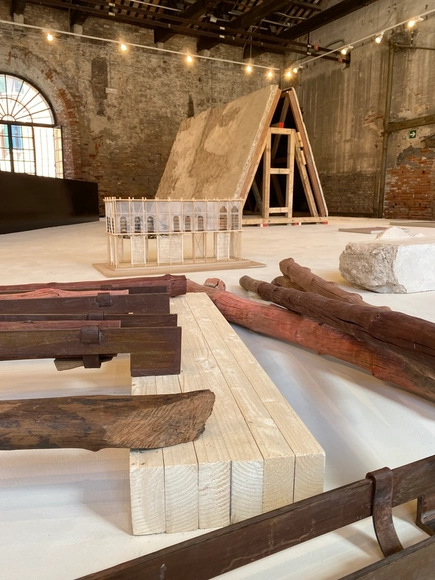
Titled "In Muharraq", the Bahrain Pavilion at the 17th International Architecture Exhibition - La Biennale di Venezia, explores the city's architectural and urban heritage, regeneration, and conservation. Curated by Noura Al Sayeh and Ghassan Chemali, the pavilion will be on display at the Arsenale from May 22nd until November 21st, 2021.

Grafton Architects, Anupama Kundoo and More to Design Interventions Alongside Artisans in Chile

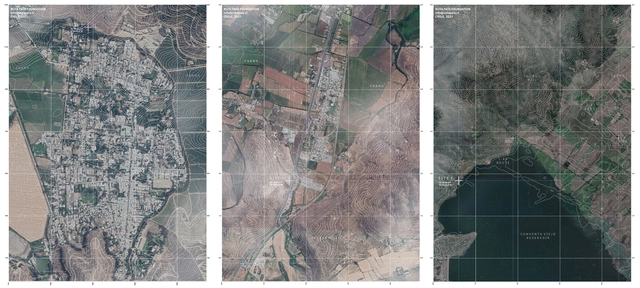
The Chilean organization Ruta Pais Foundation has invited international architects and local artisans to design a series of architectural interventions in order to create 3 artisan routes in the Chilean Central Valley: Wicker Route in Chimbarongo, Clay Route in Pomaire, and Stone Route in Pelequén.

Trail House / Anne Holtrop

Subscriber Access | 
Trail House / Anne Holtrop - Image 2 of 4

Anne Holtrop’s Trail House follows a series of trails in the ground that were created by the daily circulation of pedestrians. The house becomes the path and transforms the inside into a “walking home.” As the house branches along the series of paths, it becomes narrower and then wider to provide ever-changing views of the site. In this way, Holtrop makes a specific link with the environment by showing the house as a product of the site.

More images and more about the project after the break.