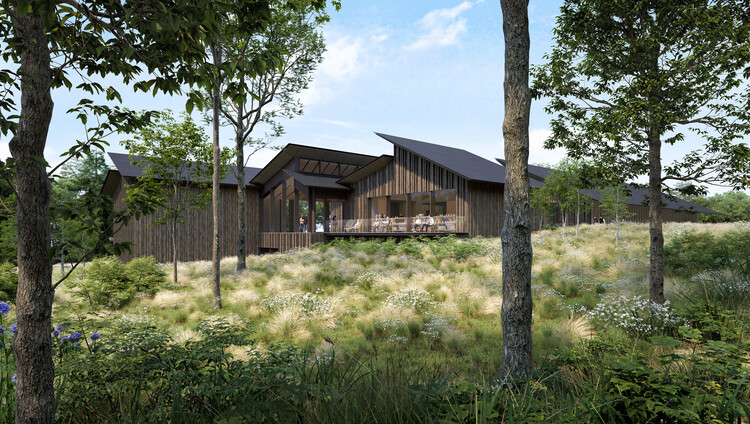
Courtesy of Kengo Kuma & Associates and Field Operations
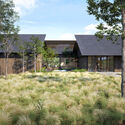
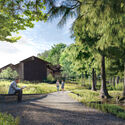
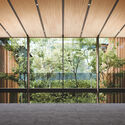
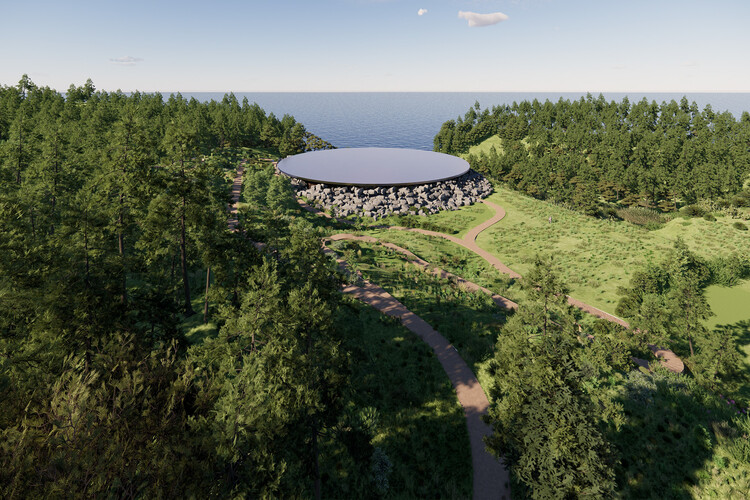
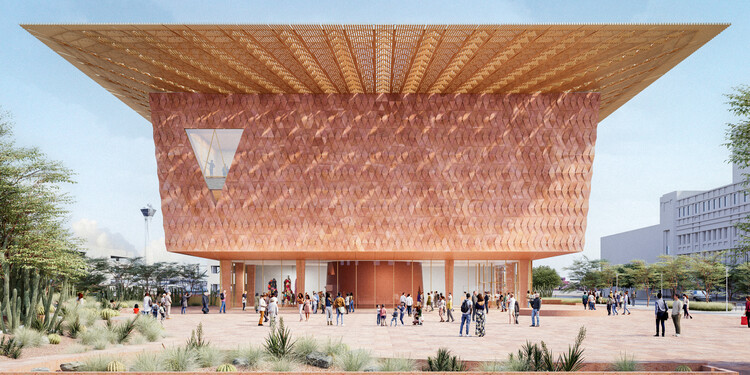
The Brandywine Conservancy & Museum of Art, located near Philadelphia, is dedicated to promoting the natural and cultural connections between the region's landscape, historic sites, and artists. The Conservancy protects land and waterways throughout the Brandywine Valley and other priority conservation areas, while the Museum houses a collection of American art, with particular strengths in landscape and still life painting, portraiture, and illustration. On May 6, 2026, the institution announced a project to transform its 15-acre campus, including the renovation of the historic museum building, a new museum building by Kengo Kuma & Associates, and conservation and landscape interventions by Field Operations that will create a publicly accessible 325-acre reserve with ten miles of trails.
Located in Tomioka, Fukushima Prefecture, Sea of Time – TOHOKU is both an artwork by Tatsuo Miyajima and an architectural project commissioned by the artist. Designed by Japanese architectTsuyoshi Tane of Atelier Tsuyoshi Tane Architects (ATTA), the project envisions a permanent museum to house Miyajima's artwork. Currently under development from 2024 to 2027, with an anticipated opening in spring 2028. Positioned on a cliff overlooking the Pacific Ocean, the proposal brings together architecture and installation within a site shaped by the memory of the 2011 Tōhoku earthquake and tsunami, framing both the landscape and its historical context as integral components of the design.
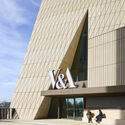
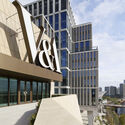
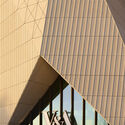
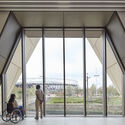
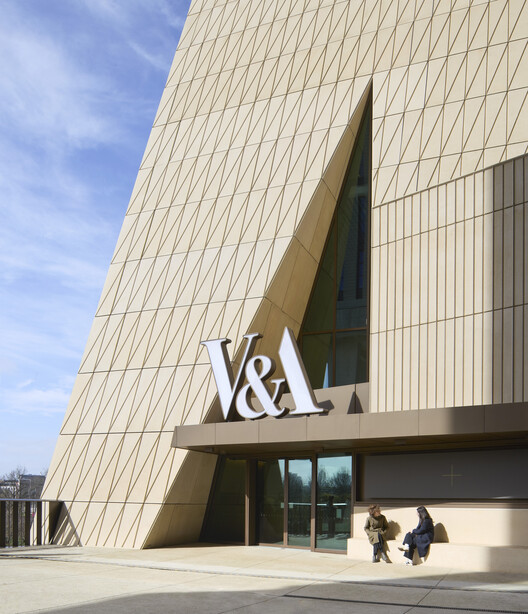
V&A East Museum, designed by architects O'Donnell + Tuomey, will open to the public on 18 April 2026. Assigned to the firm in 2015, the new building is located in the Queen Elizabeth Olympic Park, near its recently opened sister facility, the V&A East Storehouse, designed by Diller Scofidio + Renfro. Located in East London, the UK's newest cultural quarter supported by the Mayor of London, the two-building complex aims to "spotlight the many ways global artists, designers, and makers use creativity to shape the world." Dedicated to creative opportunity and its power to bring change, the museum's five public levels contain two permanent galleries, a 900 sqm temporary exhibition gallery, a top-floor project and event space, learning facilities, and a café.
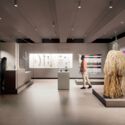
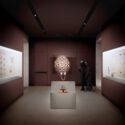
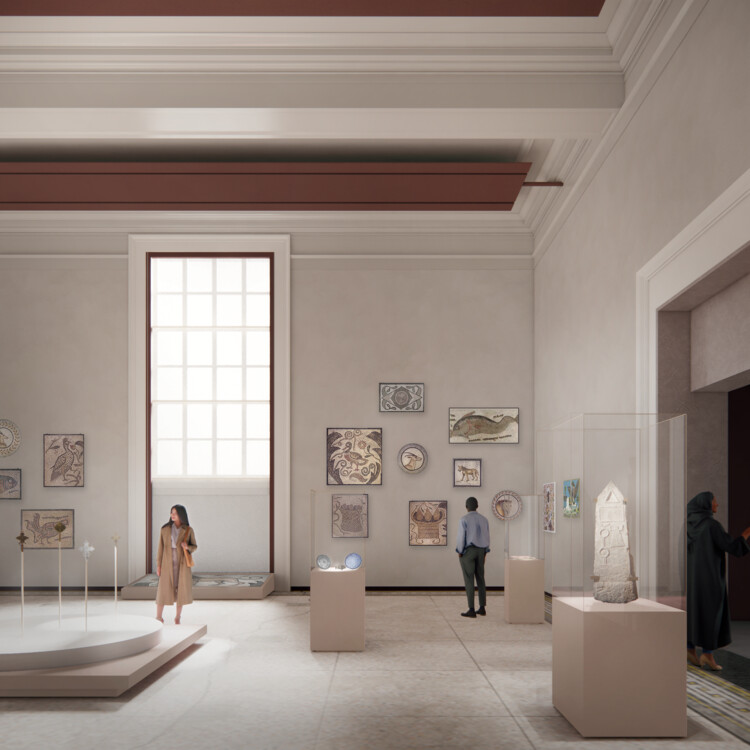
Brooklyn Museum's new Arts of Africa Galleries. Project render, 2026. Image Courtesy of Peterson Rich Office
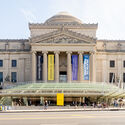
New York's Brooklyn Museum has announced the extension of its neoclassical building, a New York City–designated landmark, to include new galleries dedicated to its historic African art collection. The project to renovate and create permanent galleries was designed by the Brooklyn-based architectural firm Peterson Rich Office (PRO), with prior experience in contemporary exhibition spaces, in consultation with Beyer Blinder Belle Architects & Planners on the museum's historic preservation. The project transforms previously underutilized spaces that served as on-site storage, marking a new milestone in a series of renovations of an institution with over 200 years of history. For the first time, the museum's Egyptian art galleries will connect to the new African galleries, uniting North Africa with the rest of the continent to offer visitors a cohesive vision of Africa's rich artistic legacy.
This article is part of our new Opinion section, a format for argument-driven essays on critical questions shaping our field.
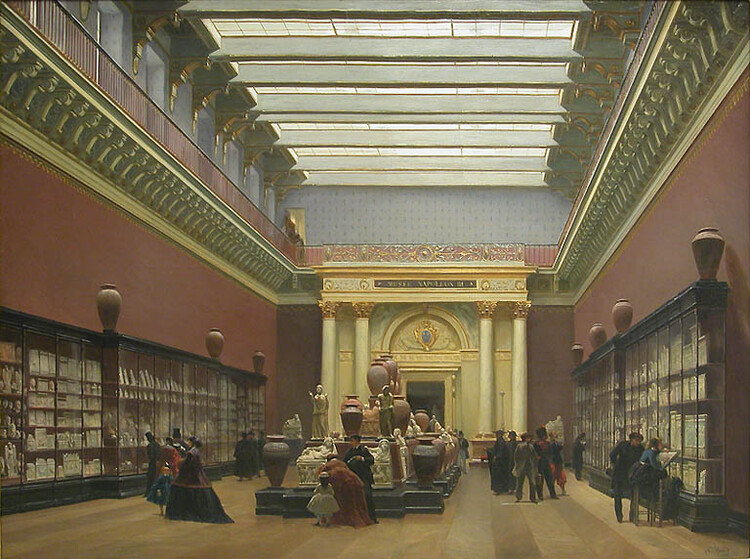
Traditionally, a museum visit is a calendared occasion with a clearly scripted sequence. Arrival is ceremonially marked—by grand stairs or thresholds, by ticketing and information desks, by an audio guide and a concise institutional preface about mission and history. That deliberate "special occasion" quality extends from how museums were long conceived: deliberately exceptional, tightly curated, and organized around a specific narrative arc. In this model, the museum assumes an authoritative voice—its knowledge deep, vetted, and to be respected rather than contested—while architecture and choreography reinforce a rather singular way of entering, learning, and remembering.
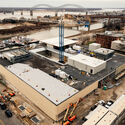
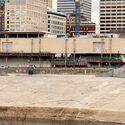
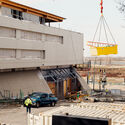
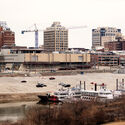
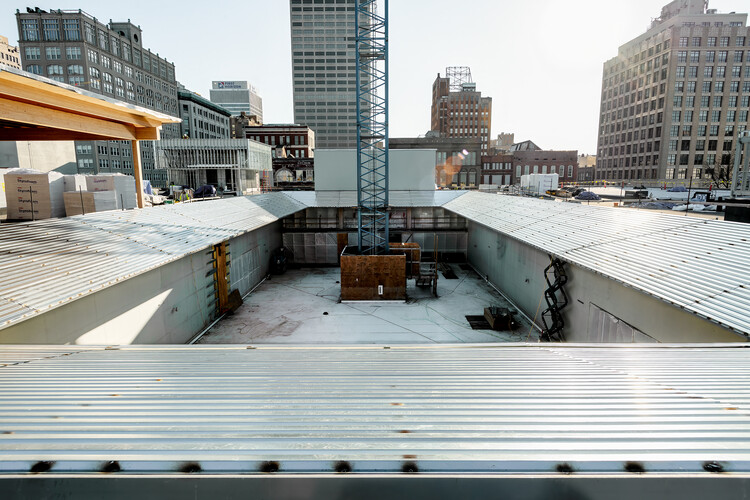
Pritzker Prize-winning architecture firm Herzog & de Meuron has released new images showing construction progress on the Memphis Art Museum, set to open in December 2026. Currently operating as the Memphis Brooks Museum of Art, the institution is both the oldest and largest art museum in Tennessee, United States, with a collection of more than 10,000 works spanning from ancient to contemporary art. Commissioned in 2019, the project marks the museum's relocation to a new site in Downtown Memphis along the Mississippi River bluff. The first images of the new cultural campus, designed by Herzog & de Meuron with architect of record archimania and landscape design by OLIN, were released in 2021. The 123,500-square-foot museum will expand gallery space by 50 percent and introduce extensive free, publicly accessible areas conceived as an open invitation to the city.
Snøhetta, in collaboration with the Beijing Institute of Architectural Design (BIAD), has won the international competition to design the Beijing Art Museum in Tongzhou District, Beijing. The project officially broke ground on December 31, 2025, with completion and public opening anticipated in 2029. Conceived as a new landmark for the eastern part of the city, the museum will form part of Tongzhou's cultural and civic development strategy as Beijing's sub-center. The commission marks Snøhetta's second major cultural project in the Chinese capital, following the Beijing Library, which opened to the public in 2023 and has since become a key reference for contemporary civic architecture in the city.
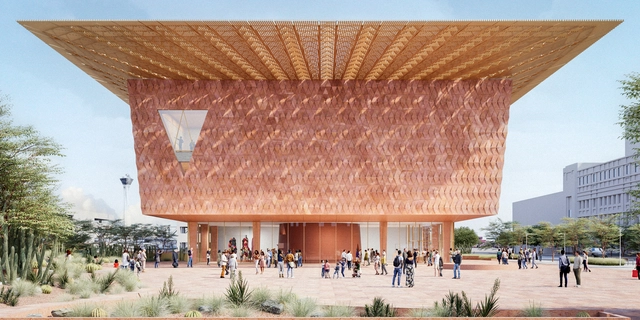
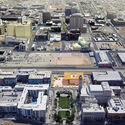
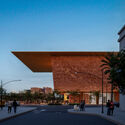
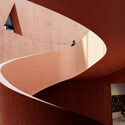
The future Las Vegas Museum of Art (LVMA) will be the city's first stand-alone museum, designed by Pritzker Prize-winning architect Francis Kéré. In fall 2024, the City of Las Vegas granted LVMA two acres of land in Symphony Park, neighboring the city's downtown arts district, as part of a public-private partnership. The project is intended to serve the city's more than 2.4 million year-round residents, including nearly 300,000 students living within a 10-mile radius of the park, as well as tens of millions of visitors from around the globe. The 60,000-square-foot building was designed by Kéré Architecture, which teamed up with Skidmore, Owings & Merrill (SOM) to provide Las Vegas with "a gathering place for community and a beacon for the cultural world," and is scheduled to open in 2029.
The fragility—and temporal beauty—of neon has captivated audiences since the early 1900s. First shown commercially by French engineer Georges Claude at the 1910 Paris Motor Show, neon spread rapidly, achieving broad popularity in the United States from the 1920s through the 1950s. Mid-century America saw it everywhere: from the casinos of the Las Vegas Strip to roadside motor inns along Route 66 and the spectacle of Times Square. By the latter half of the century, however, many signs were scrapped or left to decay, and numerous municipalities restricted neon as visually garish or power-hungry—despite the technology's comparatively modest energy use. In the U.S., renewed interest in neon arguably didn't meaningfully return until the early 2000s.
In Hong Kong, by contrast, neon was embraced with unusual enthusiasm at a time when it began to lose popularity elsewhere. Even as installation slowed in recent decades—largely due to updated ordinances requiring removal of overhanging signs whose support structures failed to meet safety standards—the city's affinity for neon never fully disappeared.
When approaching the design of cultural spaces such as museums, performance venues, or places of research and study, architecture and design professionals often have to assemble pieces of a uniquely challenging puzzle in order to make the structure resonate with a variety of visitors and occupants. Hitting the right chord can be difficult, especially when trying to combine forms into a whole that pays respect to a building's intended use while being timeless in its universality.
One way of making sure a sense of culture is omnipresent: adaptive reuse. The practice of breathing life into historic structures has been on the rise in recent years and is particularly well-suited to creating spaces that address and embody contemporary issues while connecting their inhabitants to the past. But it's not just a sense of updated heritage that makes them stand out; adaptive reuse buildings can fight urban sprawl and unsustainable building practices simply by way of existing.
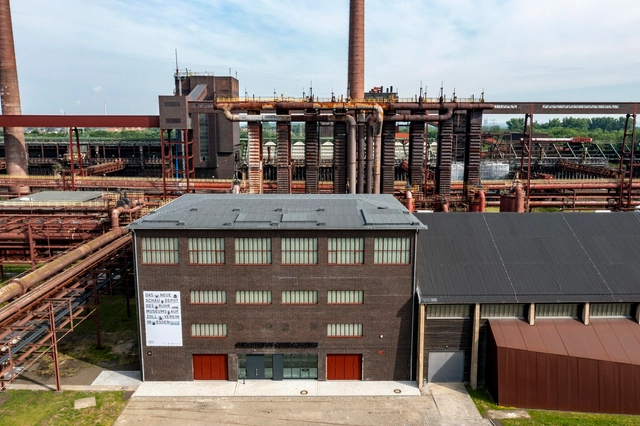
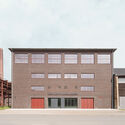
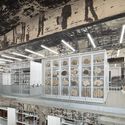
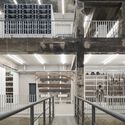
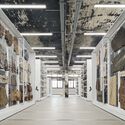
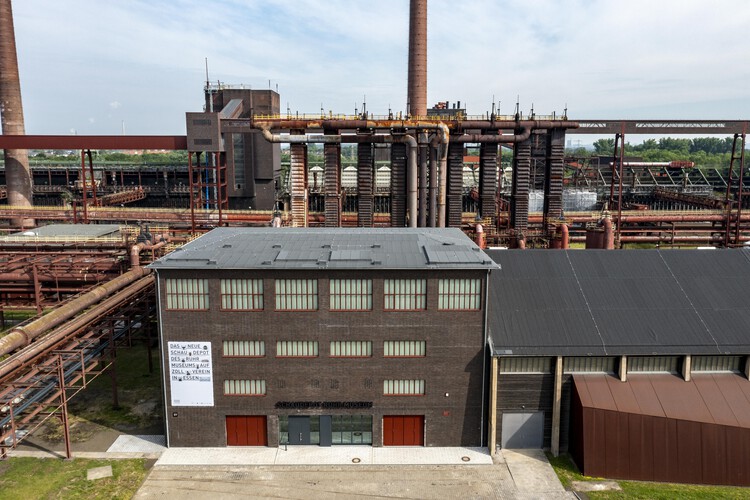
Once the largest coal mine in Europe, the Zollverein complex in Essen, Germany, has undergone a remarkable transformation over the past twenty-five years. What was once a landscape of abandoned industrial facilities is now a laboratory of contemporary architecture, featuring works by Rem Koolhaas, Norman Foster, and SANAA. Their interventions bridge the site’s industrial past with its imagined future. Spanning 100 hectares, the UNESCO World Heritage site has become a global model of adaptive reuse, redefining what it means to preserve industrial heritage. Within this context stands the Ruhr Museum and its enigmatic art repository, the Schaudepot. Located in the complex’s former salt factory, the museum impresses not only with its collection but also with its architecture, which transforms a 1960s industrial building into a vibrant cultural venue.
Because of its historical and architectural relevance, the project is featured in the 2025 edition of Open House Essen, under the theme “Future Heritage.” The initiative explores which spaces might shape our future architectural legacy and asks pressing questions: What should we preserve? What should we adapt? And how can we design a future that is both livable and fair?
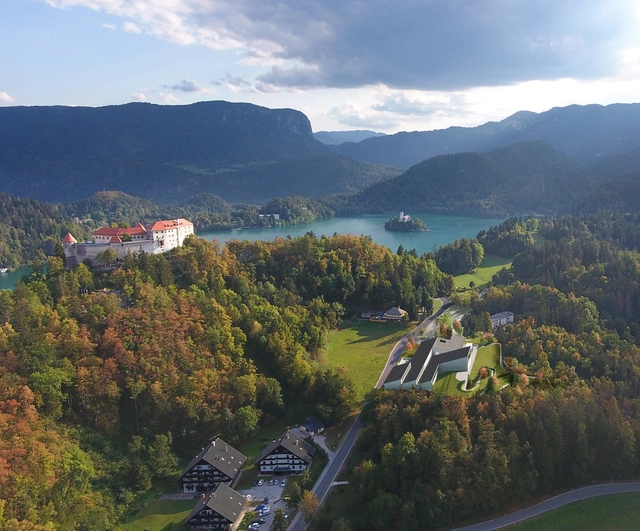
Designed by David Chipperfield Architects, Muzej Lah, a new contemporaryart museum, is set to open in the summer of 2026 in Bled, Slovenia. Located at the foothills of the Julian Alps, the museum will house the Fundacija Lah art collection, developed over more than three decades by Slovenian philanthropists Igor and Mojca Lah. The collection will be made publicly accessible for the first time with the opening of the institution.
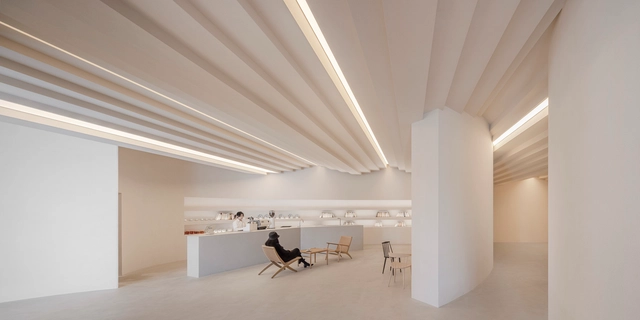
Cafés in museums and galleries do more than provide convenience — they have become an essential part of today’s cultural experience. As Claire Bishop explains in her idea of the “expanded aesthetic experience,” cultural spaces now include hybrid environments that encourage new ways of engaging, socializing, and reflecting. In this context, cafés are not just places to rest; they extend the visit on both sensory and symbolic levels, offering moments of interaction and contemplation in carefully designed settings. By blending architecture, art, and hospitality, they help create immersive and welcoming atmospheres — a concept already hinted at by Brian O’Doherty, who viewed exhibition spaces as an integral part of the artwork itself.
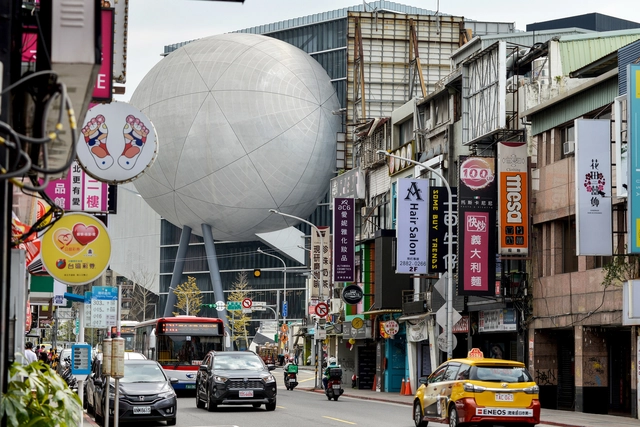
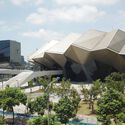
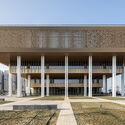
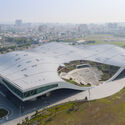
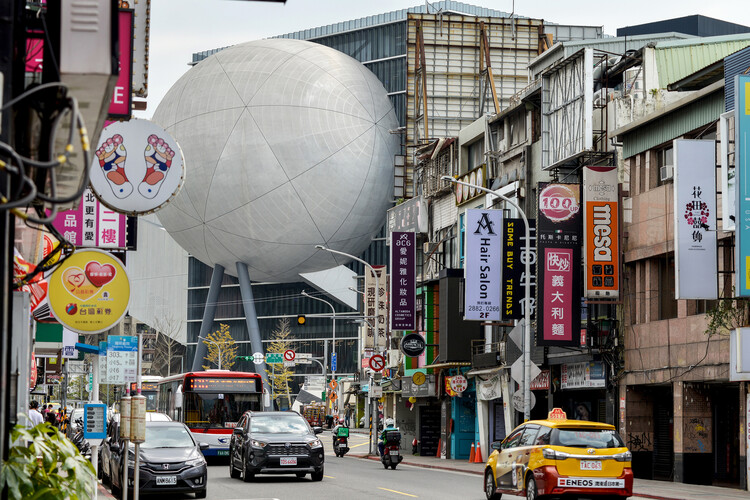
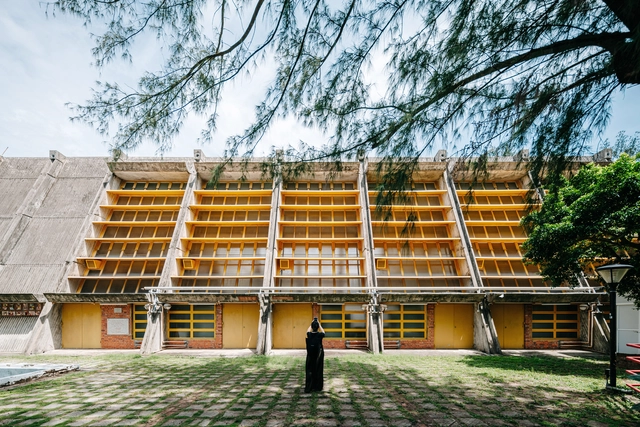
In most situations, architects navigate a complex web of construction codes, airspace regulations, and numerous other rules that dictate the form and execution of a project. However, cultural architecture often presents a unique opportunity for more daring and expressive designs. These projects frequently garner support from local governments, unlocking possibilities for formal explorations that might otherwise remain unrealized. In this regard, cultural architecture serves a dual purpose: enriching the community and establishing iconic landmarks that define the identity of their city or region. This ambition has certainly manifested in Taiwan. Situated in the heart of East Asia, this island nation boasts a remarkable array of formal explorations by both international and Taiwanese architects.
Throughout their relatively recent history, museums have evolved to condense particular aspects of a culture and present them in a coherent and unified manner. This makes the connection between the architecture and the exhibit a crucial matter, as the architect is tasked with designing not only the framework and background of the exhibited arts or artifacts but also taking charge of the journey undertaken by the visitor, harmonizing the cultural gain with the lived spatial experience of walking the exhibition halls. However, not all museums have been purposely built for this task.
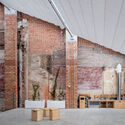
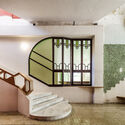
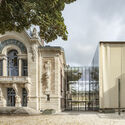
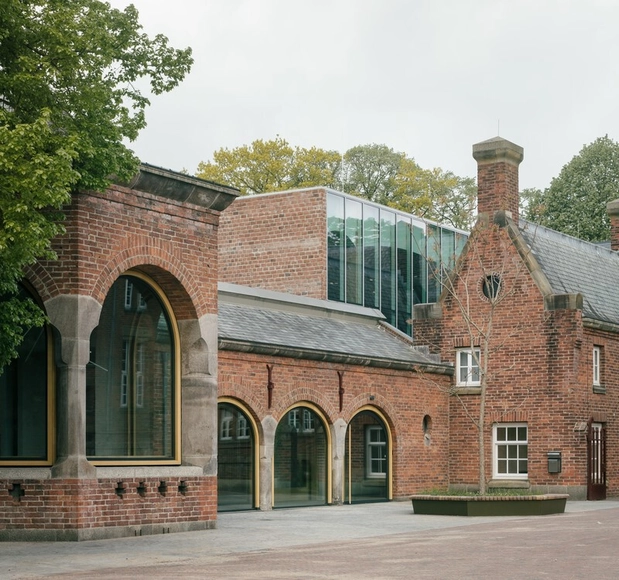
Across Europe, museums are being organized within or expanding upon historical monuments and buildings that have lost their original purpose. Then in a state of decay, this decision to reorganize them as cultural venues stops the decay and preserves the historical material, adding a new layer of complexity to the intended exhibits. The architect's role becomes that of introducing order and a system that can balance the heritage of the place with the needs of modern functionality, ensuring that the essence of the original structure is preserved while meeting the needs of contemporary exhibitions and public engagement.
Modernism in architecture emerged at the beginning of the twentieth century, fueled by advancements in science and engineering and a deliberate departure from historical styles. It championed a focus on social equity, urban development, efficiency, and functional design, marking a significant shift in architectural philosophy. Originating primarily in Europe and the United States, modernism captivated the global imagination with its innovative redefinition of space and architecture. Its spread to Asia was facilitated by cross-cultural exchanges—East Asian architects who studied under prominent modernists and European architects working in East Asia through international collaborations or colonial-era influences.
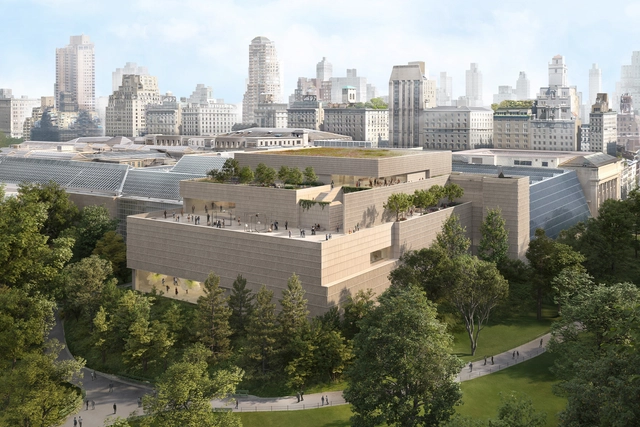
The Metropolitan Museum of Art in New York has unveiled the design for a new wing dedicated to its 20th- and 21st-century art collection. Architect Frida Escobedo, the first woman to design a Met wing, is leading the project. The Oscar L. Tang and H.M. Agnes Hsu-Tang Wing will increase gallery space by almost 50 percent, adding over 70,000 square feet. This expansion will address accessibility issues, improve infrastructure, and enhance the sustainability of the building. The opening of the new wing is anticipated in 2030.
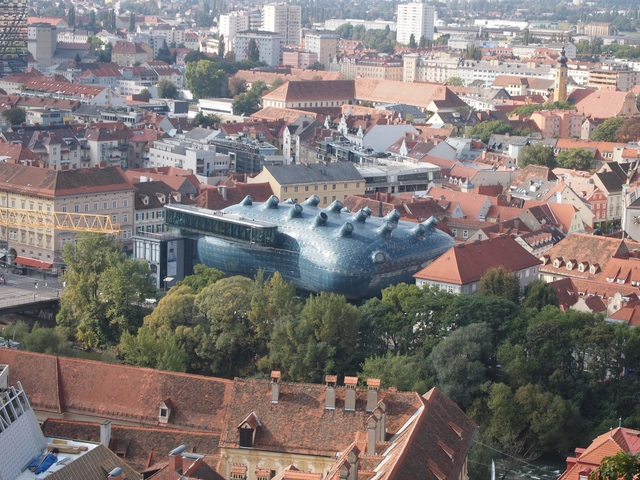
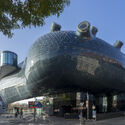
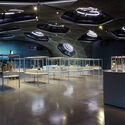
Situated along the River Mur in the Lend district, the Kunsthaus challenges traditional architectural norms with its organic, free-flowing design. Rejecting orthogonal geometry, the museum seamlessly merges art, architecture, and public interaction, redefining the concept of a cultural institution. Its impact extends beyond aesthetics, sparking urban revitalization in a once-overlooked neighborhood, and bringing cultural vibrancy and economic activity.