1. ArchDaily
  2. Built Environment

Built Environment: The Latest Architecture and News

BIG's Latest Publication Formgiving Explores the Architecture of Turning Fiction into Fact

Subscriber Access | 

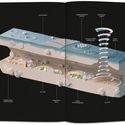
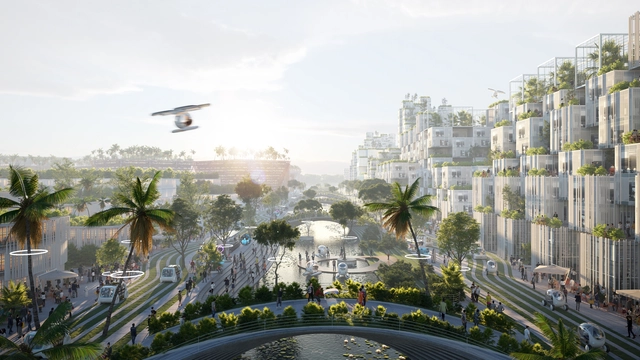
If we ever wonder what the future could look like, all we have to do is take a look into our past, and observe how far we have come since thousands, a hundred, or even ten years ago. Life was radically different back then and it will be just as different in the future. And since we are well aware that the future merely resembles the present, we have the possibility to shape our future the way we want to. TASCHEN's latest BIG book installment Formgiving. An Architectural Future History explores the past, present, and future, drawing a timeline of the built environment from taking shape to giving form.
BIG's Latest Publication Formgiving Explores the Architecture of Turning Fiction into Fact - Image 1 of 4BIG's Latest Publication Formgiving Explores the Architecture of Turning Fiction into Fact - Image 2 of 4BIG's Latest Publication Formgiving Explores the Architecture of Turning Fiction into Fact - Image 3 of 4BIG's Latest Publication Formgiving Explores the Architecture of Turning Fiction into Fact - Image 4 of 4BIG's Latest Publication Formgiving Explores the Architecture of Turning Fiction into Fact - More Images+ 12

Can Architecture Firms Become Truly Carbon Neutral?

This article was originally published on Common Edge.

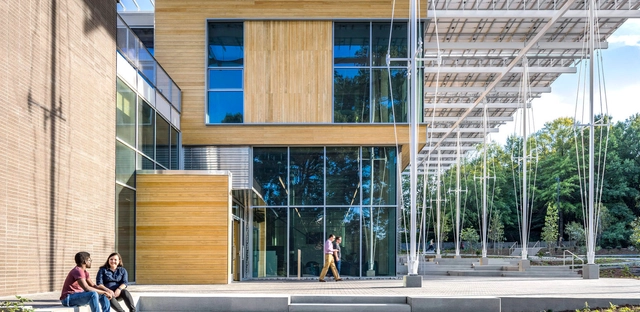
Martin C. Pedersen talks with Ron Rochon, managing partner at Miller Hull, about Carbon and the role of architectural firms in eliminating emissions. Discussing the EMissions Zero initiative, the current shortcomings of carbon offsets, and the way forward, the piece also questions the possibility of setting goals with the absence of an internationally, agreed-upon carbon cap.

Austria's Contribution to the 2021 Venice Biennale Highlights Digital Platforms and the Built Environment

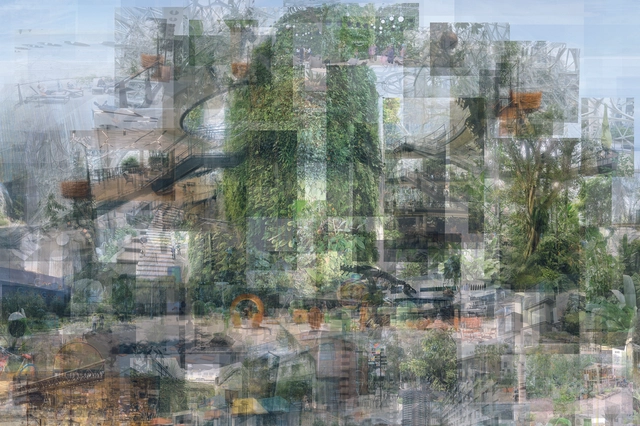
For the 17th international architecture exhibition – la biennale di Venezia 2021, Austria is creating a platform of debate around how we envision the architecture of the future. In fact, the Austrian contribution, entitled “Platform Austria”, curated by Peter Mörtenböck and Helge Mooshammer, seeks to articulate the profound changes established by the development of digital platforms in our built environment.

Austria's Contribution to the 2021 Venice Biennale Highlights Digital Platforms and the Built Environment - Image 1 of 4Austria's Contribution to the 2021 Venice Biennale Highlights Digital Platforms and the Built Environment - Image 2 of 4Austria's Contribution to the 2021 Venice Biennale Highlights Digital Platforms and the Built Environment - Image 3 of 4Austria's Contribution to the 2021 Venice Biennale Highlights Digital Platforms and the Built Environment - Image 4 of 4Austria's Contribution to the 2021 Venice Biennale Highlights Digital Platforms and the Built Environment - More Images+ 3

ArchDaily X LifeCycles: The Future of our Environment

Subscriber Access | 

Buildings and construction play a major part in climate breakdown and biodiversity loss. For everyone working in the construction industry, meeting the needs of society without breaching the earth’s ecological boundaries will demand a paradigm shift in behavior.

The urban landscape is constantly transforming to meet the changing social, economic, environmental, natural and technological needs. Ageing populations, sharing economy, urbanization, religion, flexible homes, education… Improving the social dimension and creating societal value are vital elements in the process of urban regeneration and architecture.

[TRANS-] topia 2019 :: journal call for submissions

[TRANS-] topia
across, beyond, through :: critique, fantasy, technology

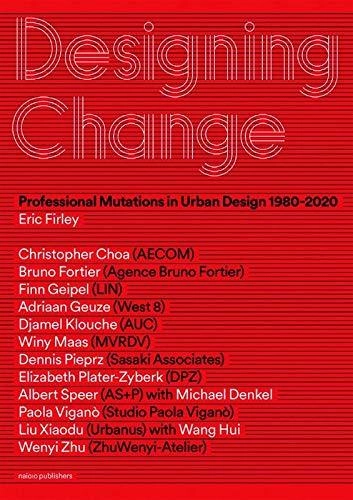
Designing Change

Over the timespan of just one generation the planet’s pace of urbanization has dramatically increased. Through these dynamics and its resulting environmental threats, new challenges have emerged that deeply question the validity of the post-war planning paradigms. Dominant ideologies have been replaced by a problem-solving attitude, increased economic pressure and an urgent quest for evidence. What impact does this have on the work of the urban designer and planner, and how can the profession prepare for the future?

Nordic Pavilion at the 2018 Venice Biennale to Explore Nature's Relationship to the Built Environment

As part of our 2018 Venice Architecture Biennale coverage we present the proposal for the Nordic Pavilion. Below, the participants describe their contribution in their own words.

Finnish architect Lundén Architecture Company has been chosen to design the Nordic contribution to the 2018 International Architecture Exhibition in Venice. Eero Lundén’s proposal, entitled Another Generosity, explores the relationship between nature and the built environment.

The goal is to explore new ways of making buildings that emphasise the delicate but often invisible interactions between the built and natural worlds.

Call for Submissions for Research Funding (BOVA Network)

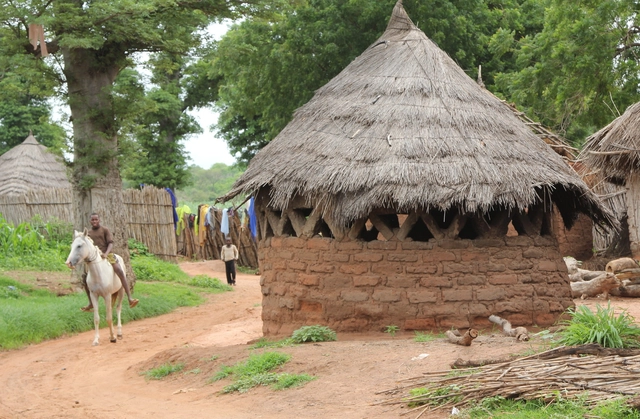
Durham University and University College London are pleased to announce the establishment of a new multi-disciplinary research network called the BOVA (Building out vector-borne diseases in sub-Saharan Africa) Network. The Network, funded by the Global Challenges Research Fund aims to bring together researchers and practitioners working in the fields of the built environment and insect-borne diseases such as malaria and dengue.

This Quirky Architecture Couple’s Instagrams are #instagoals

Subscriber Access | 

A post shared by Anna Devís (@anniset) on

Whether they're pretending facade details are raindrops or peeking out of Ricardo Bofill’s La Muralla Roja, Daniel Rueda and Anna Devis introduce a unique perspective on the city. The Valencia-based duo are #couplegoals, and their Instagram accounts reveal their fun, quirky personalities and love for the built environment.

Scrolling through their feeds, viewers get a glimpse of the couple’s travels through whimsical portraits which celebrate the beauty of architecture. The adorable duo playfully interacts with their surroundings, using the city as their stage and architecture—and each—other as characters.