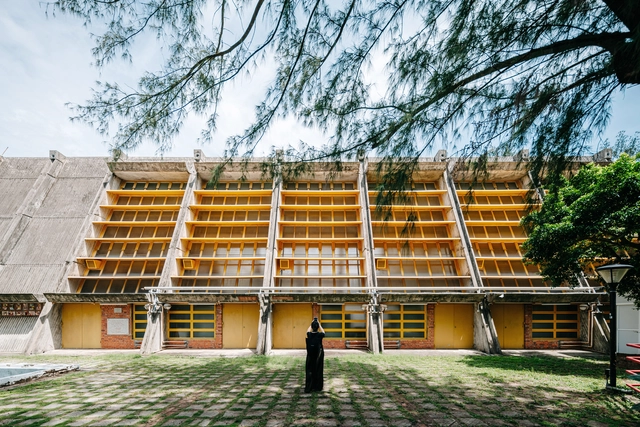
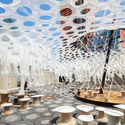
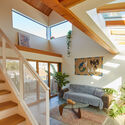
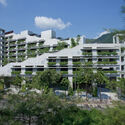
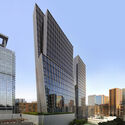
Modernism in architecture emerged at the beginning of the twentieth century, fueled by advancements in science and engineering and a deliberate departure from historical styles. It championed a focus on social equity, urban development, efficiency, and functional design, marking a significant shift in architectural philosophy. Originating primarily in Europe and the United States, modernism captivated the global imagination with its innovative redefinition of space and architecture. Its spread to Asia was facilitated by cross-cultural exchanges—East Asian architects who studied under prominent modernists and European architects working in East Asia through international collaborations or colonial-era influences.
It is with immense gratitude and excitement that I share my first letter as Editor-in-Chief. Addressing you directly marks a meaningful shift from our usual approach, and I believe it's the perfect way to begin the year. As I step into this new role, I am honored by the opportunity to lead ArchDaily into a new chapter, building on our strong foundation to reach even greater heights.
At ArchDaily, we have always believed that architecture has the power to transform lives and environments. For 17 years, we have been more than just a platform; we have become a community and a voice for architecture—a collaborative network where architects, designers, and enthusiasts come together to shape the built environment and redefine urban living. Reflecting on this journey, I am deeply inspired by our shared accomplishments, made possible by the dedication of our talented global team and the unwavering support of our users. Together, we have created a space where ideas thrive and innovation blossoms.
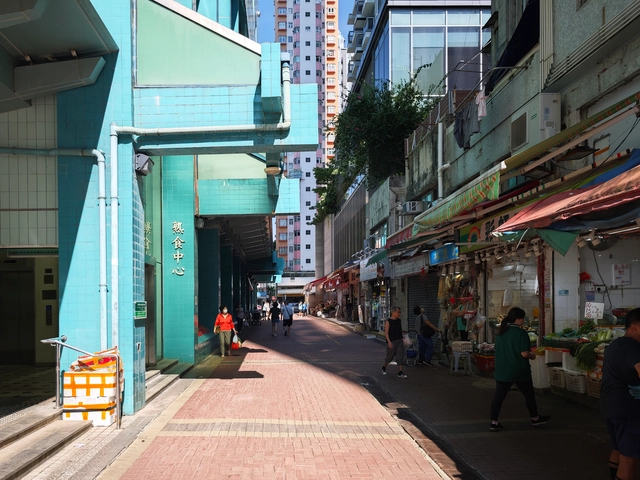
In Delirious New York, Rem Koolhaas vividly discusses the Downtown Athletic Club, a striking example of how an unassuming building exterior can conceal a vibrant mix of distinct, self-contained programs. Inside the uniform facade of this skyscraper, a private athletic club hosts an eclectic range of facilities—boxing gyms next to oyster bars and interior golf ranges below swimming pools—all segregated yet highly accessible. The Downtown Athletic Club epitomized the dynamism of New York's skyscrapers at the time, showcasing the thrill of capitalism through a selective, inward-focused world of leisure and privilege for the selected. This "machine of programs" operated independently of the external city as an isolated ecosystem within its walls. Yet, one might ask: could a similar model, designed for public use, create a more inclusive, lively community and neighborhood experience? This will activate the building within, instead of only serving the selected elites, and influence and transform the urban fabric and shapes around the building. In Hong Kong, a distant parallel can be drawn with the Municipal Services Buildings (MSBs)—publicly-funded structures that serve the community by integrating diverse functions within a singular vast building mass, much like the Downtown Athletic Club.
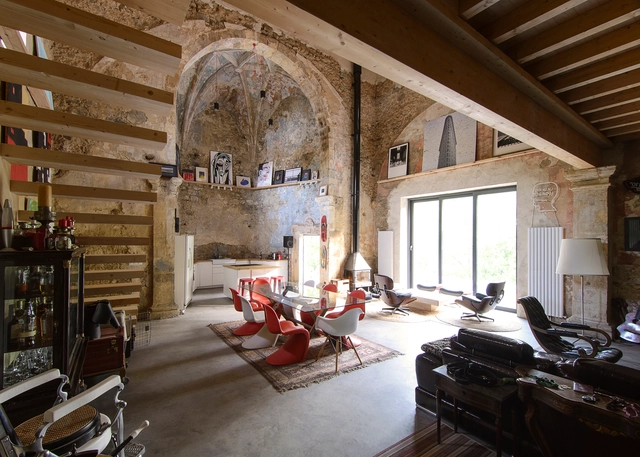
The architectural practice of reusing and refurbishing should be the first consideration when designing and reshaping our already overbuilt cities. Good architecture prioritizes this approach over demolition, as it can reduce costs, enhance environmental efficiency, and preserve functional structures that can continue serving their purpose for years.
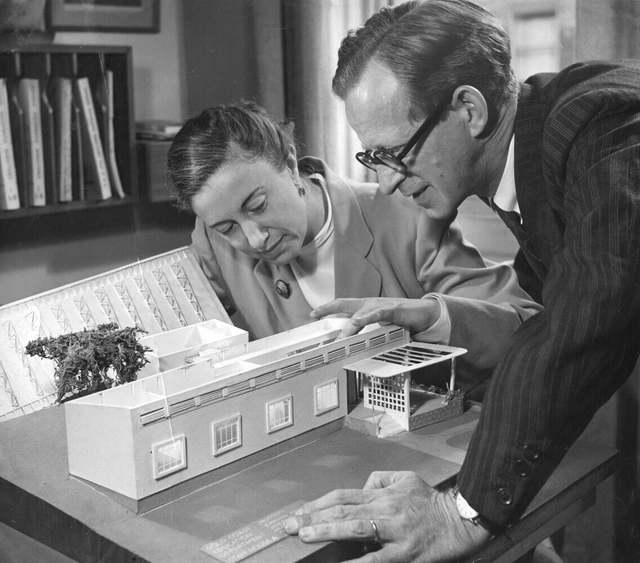
ane Drew and Maxwell Fry with a model of one of their many buildings for the Gold Coast, 1945. / Tropical Modernism - Architecture and Independence at the V&A South Kensington . Image Courtesy of RIBA
Reflecting on 2024, numerous architectural exhibitions have opened worldwide, addressing various themes, exhibition formats, and featured architects. Architectural design and architecture practice influence our daily lives in subtle and often unnoticed ways, where the end-users embrace built environments as they are. This reaction may arise from a combination of factors, such as a sense of powerlessness to enact significant change after a building is constructed or the experience of growing up in environments over which individuals had little or no agency in shaping. For these reasons, architectural exhibitions serve an essential purpose, offering society a chance to pause, reflect, and critically examine the myriad issues that surface during designing and building. These issues are often overlooked or need to be acknowledged, as practitioners may prioritize delivering projects within strict timelines over exploring more profound reflections.
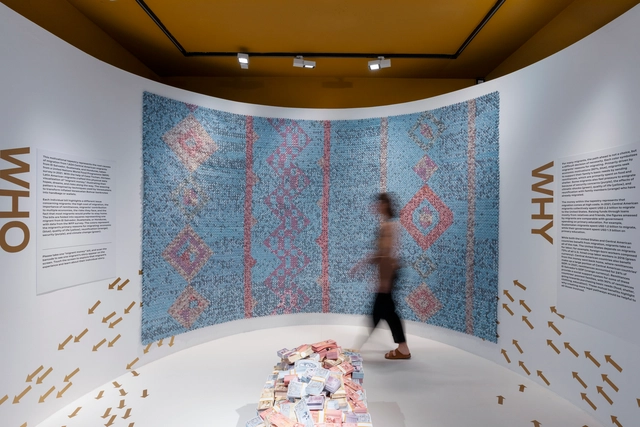
In 2024, museums, galleries, and curators responded to the evolving challenges within the built environment with various approaches. Some exhibitions questioned the ethics of building materials and the practices behind supply chains, drawing attention to the broader implications of material choices. Others focused on documenting architectural movements worldwide, emphasizing their cultural and historical significance and the urgent need to preserve and adapt rather than replace them with entirely new builds. These efforts highlight the role of exhibitions in raising awareness about pressing issues while fostering a more critical dialogue about the architectural discipline.
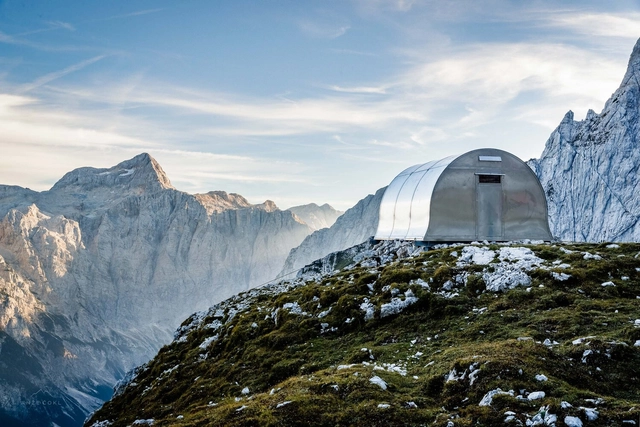
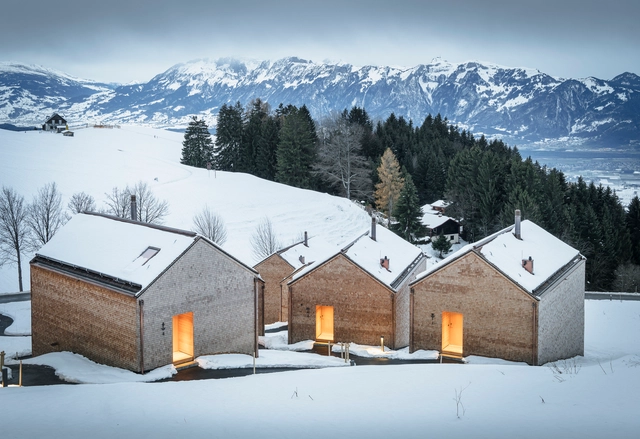
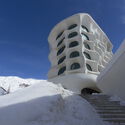
Mountainous and high-altitude regions are considered to be among the most fragile ecosystems on Earth. From melting glaciers to land erosion, these environments face mounting threats from climate change, making it imperative to reimagine how architecture and its supporting infrastructure are designed for such places.
The built environment significantly impacts public health, yet its potential as a tool for health promotion remains largely unrecognized. Historically, architects and urban planners have explored the connections between design and health, identifying foundational factors that improve a building's health performance. Built environment professionals possess compelling evidence on how spatial interventions can improve health outcomes, yet health practitioners often lack this perspective. Breaking down these silos is essential in the creation of spaces that promote occupant well-being.
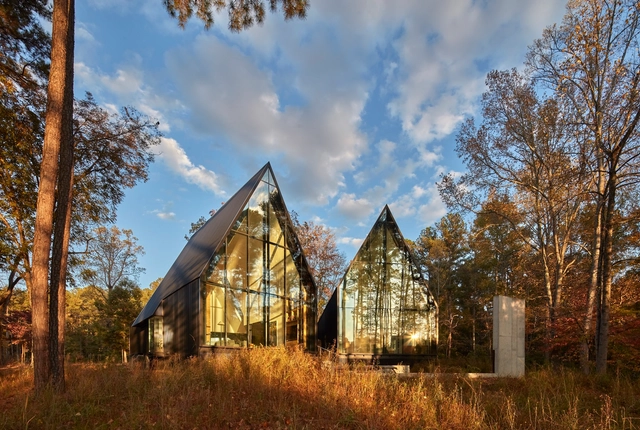
In 2024, a diverse range of topics have been comprehensively explored, some focusing specifically on architectural details and construction systems. These articles provide valuable insights into architecture's often-overlooked technical and functional aspects. By shifting attention away from aesthetics, materials, and spatial massing, they reveal the importance of intricate details and the construction systems underpinning contemporary projects' larger architectural vision.
Executing these seemingly small elements is crucial in shaping how architecture is perceived and experienced. Specifying and drawing a thoughtfully designed detail is not dissimilar to determining the correct screw in building a car—its thread count, material, and length—can dramatically influence not only the success of an architectural design but also the quality of the human experience it fosters. Such details, while often dismissed as mundane and may not be the most recognizable features of stellar projects, profoundly impact the cohesiveness and functionality of architectural projects.
As we move past Thanksgiving and step into December, the festive season is fast approaching. This time of year brings celebrations, holidays, and travel plans into full swing. Particularly in the Northern Hemisphere, there is a strong association between end-of-year festivities and cold, snowy weather.
Among the many traditions that celebrate the season, one of the most logistically and architecturally challenging is arranging for the giant Christmas tree for Rockefeller Center in New York City. This spectacle of moving a 70+ foot, 10+ ton tree into one of the busiest city centers in the world continues to capture the holiday spirit annually.
The European Cultural Centre (ECC) has unveiled the forthcoming chapter of its acclaimed Time Space Existence exhibition. Marking its seventh edition, this celebrated biennial architecture will once again transform Venice into a global hub of architectural innovation. From 10 May to 23 November, 2025, the iconic venues of Palazzo Bembo, Palazzo Mora, and Marinaressa Gardens will serve as vibrant stages for a kaleidoscope of ideas and visions redefining the built environment community.
In the 21st century, Glass has become a cornerstone material for architecture. Once limited to apertures and openings, Glass now dominates entire facades, especially in high-rise buildings where transparent cladding material is preferred to maximize views. The technological advancements in Glass have been remarkable, transitioning from single-pane panels, such as those used in Bauhaus' iron window frames, to today's triple-pane systems with specialized gas infills, such as argon, designed to address Glass's long-standing thermal limitations.
Air rights transactions have become essential in urban development, allowing cities to grow vertically while preserving limited land resources. Typically defined as the right to use or sell the space above a property, air rights enable property owners to transfer unused floor area ratio (FAR) to neighboring parcels, creating increased density and financial gain opportunities. However, the definition can vary based on locality and region, as each country interprets air rights and the ability to build or transfer them differently. As urban centers face mounting pressures from limited land supply and population growth, air rights continue to offer a creative solution that fosters architectural innovation and economic efficiency.
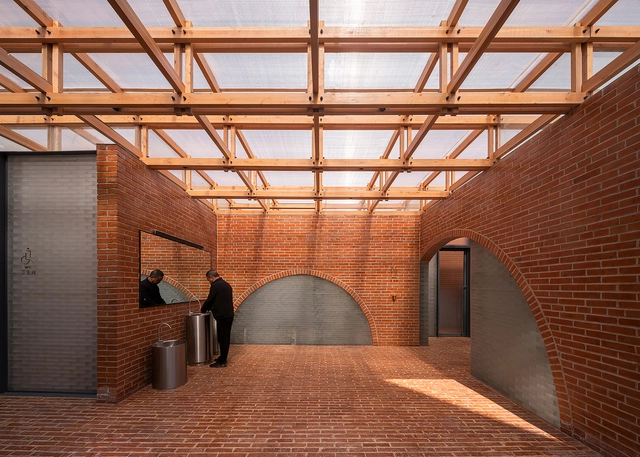
The design of public bathrooms and changing facilities has historically catered to a generalized notion of user needs, often oversimplifying the complexities of gender-specific requirements and falling short of supporting the unique needs of women. These needs extend beyond biological differences—such as the necessity for more stall privacy and differences in height and body posture—to include cultural factors that influence restroom use and expectations over time.
For instance, women's contemporary clothing often lacks adequate pocket space, resulting in the need to carry a handbag, even for simple essentials like phones and wallets. Despite efforts in recent architectural designs to address these disparities, the layered nuances of biological, cultural, and gender identity factors present a multifaceted challenge that defies a one-size-fits-all solution.
For centuries, burial practices across various cultures have connected honoring the deceased to the earth, with cemeteries firmly grounded in the soil as a symbol of eternal peace. Yet, as discussed in one of our articles, No More Room for the Living or the Dead: Exploring the Future for Burials in Asia, land shortages in densely developed urban areas present significant challenges to traditional burial practices, especially as societies like Japan face an aging population. Given these spatial constraints, how can above-ground cemeteries and columbariums be designed to provide a dignified, tranquil resting place while respecting cultural values?
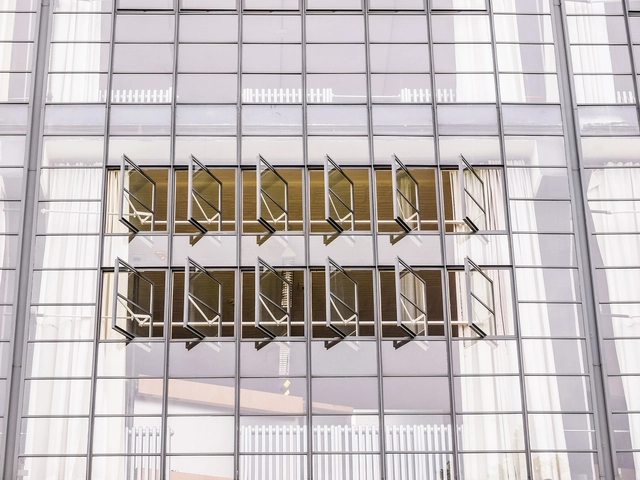
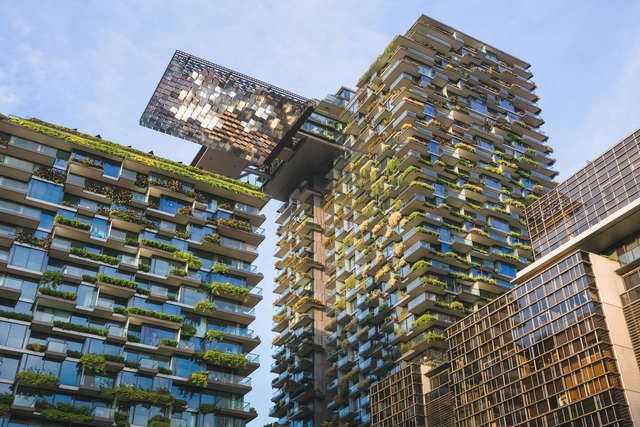
Our contemporary society has been witnessing a surge in skyscraper construction in urban centers worldwide for various reasons—including engineering advancements, increased urban density, space constraints, and, arguably, a competitive drive for building the tallest structures. The allure of all-glass facades and the pursuit of curtain walls with larger panes of continuous glass have often come at the cost of functionality.
In these towers, operable windows are sacrificed for aesthetics and expansive views, with a central core layout that maximizes 360-degree views while creating architectural "solar heat-gain monsters." Without natural or cross ventilation, these glass skyscrapers trap significant heat from solar radiation within habitable spaces, relying almost exclusively on mechanical HVAC systems to cool these spaces. This raises the question: is passive ventilation strategy becoming obsolete in high-rise design, or can operable systems be integrated effectively into our high-tech towers?
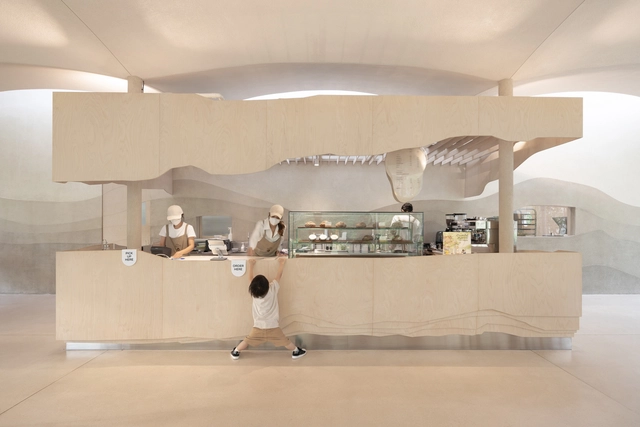
Coffee culture continues to thrive in the contemporary world, with a noticeable shift from the dominance of chains & franchise stores to a growing market for prosumer coffee. As more and more coffee consumers become prosumers, individuals who both produce and consume, they are turning coffee-making into a hobby, even a ritual, and are expecting coffee shops to keep up. Consumers are becoming more knowledgeable, paying close attention to the source and type of beans, brewing methods, and equipment. They also appreciate the design of coffee machinery, not just for its functionality but for its aesthetics, efficiency, and space management. This surge in interest, especially in Asia, has led to changes in coffee shops' operations. Many individual coffee shops, responding to the rise in consumer spending power and interests, are motivated to focus on creating unique, immersive experiences for an ever-growing marketable audience.
How do societies support and nurture emerging architects? Young architects are heavily influenced by their formal education and initial exposure to the industry. Various organizational systems across regions, whether passive through environmental factors or active via tangible benefits, are in place to assist them in entering the field. However, it's worth questioning how often we reflect on these established support systems. Are they effective in fostering well-rounded professionals, or do they unintentionally reinforce certain biases in how architecture is practiced?