1. ArchDaily
  2. Critical Regionalism

Critical Regionalism: The Latest Architecture and News

Dogtrot House: Vernacular Knowledge and Climate-Responsive Design

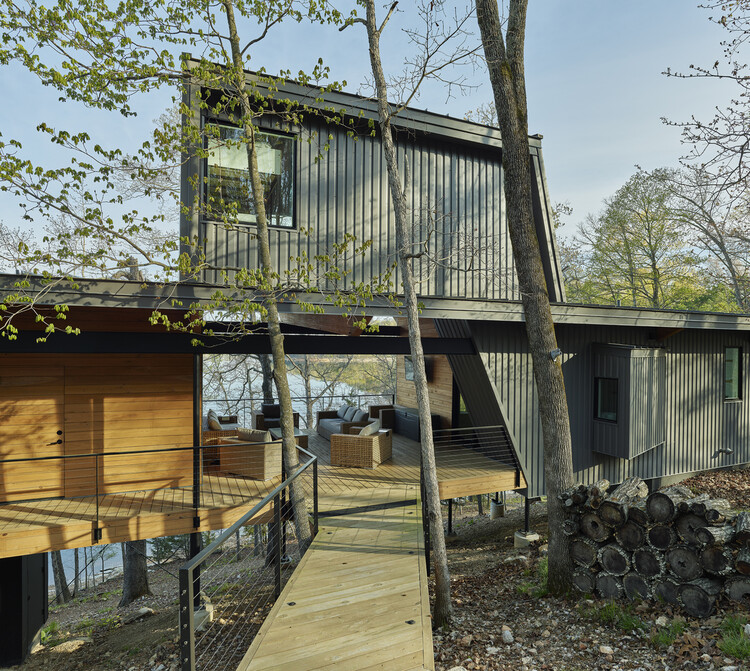
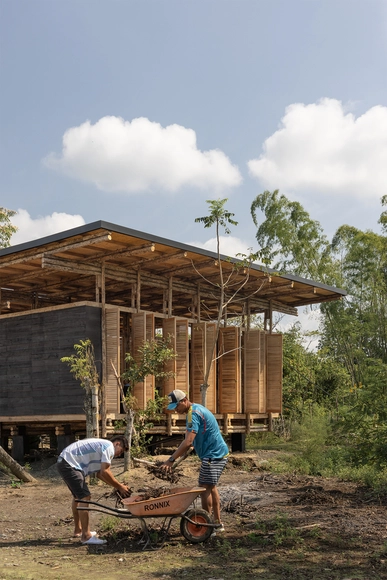
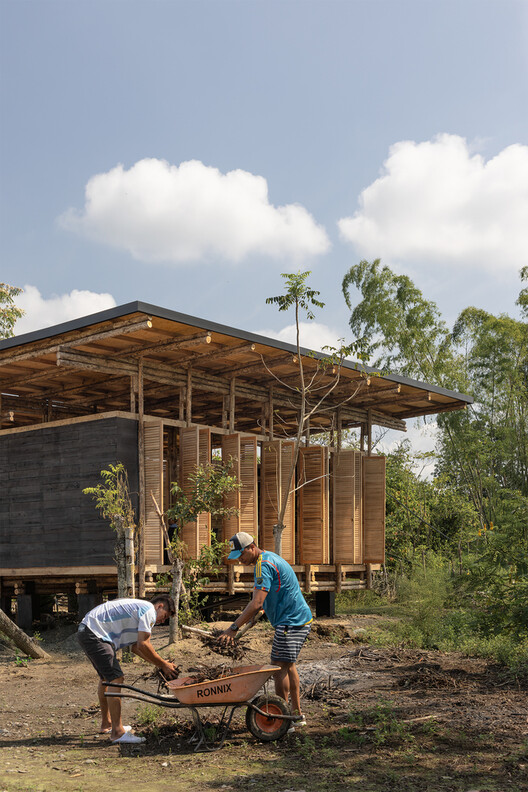
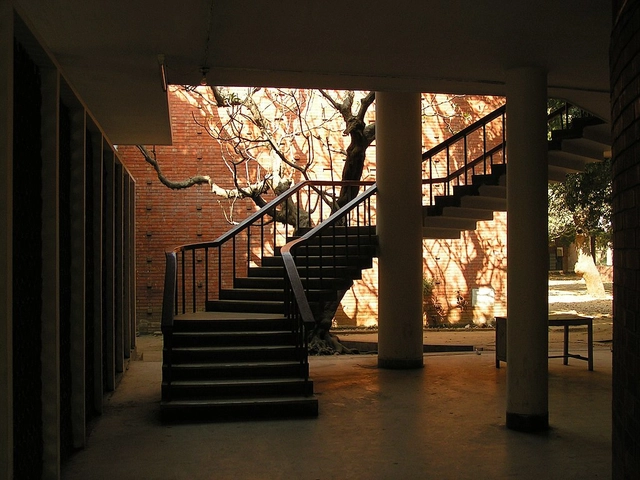
The dogtrot house emerged across the South of the United States during the late nineteenth century as a direct response to humid climates, material availability, and patterns of rural habitation. Found throughout the Appalachian Mountains, coastal Carolinas, and lowlands of Louisiana, the dogtrot house appeared in numerous regional variations, yet its fundamental spatial logic remained remarkably consistent. Two enclosed living masses are separated by an open central passage and unified beneath a continuous roof, creating a dwelling that is simultaneously economical and responsive to long, hot summers. Although architectural historians continue to debate the precise geographic origins of the dogtrot, the typology represents a broader vernacular intelligence that emerged through the convergence of environmental necessity, local construction practices, and rural living.


Dogtrot House: Vernacular Knowledge and Climate-Responsive Design - Image 1 of 4Dogtrot House: Vernacular Knowledge and Climate-Responsive Design - Image 2 of 4Dogtrot House: Vernacular Knowledge and Climate-Responsive Design - Image 3 of 4Dogtrot House: Vernacular Knowledge and Climate-Responsive Design - Image 4 of 4Dogtrot House: Vernacular Knowledge and Climate-Responsive Design - More Images+ 36

The Two Cathedrals of Managua: Architectural Memory After Nicaragua’s 1972 Earthquake

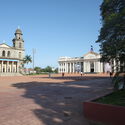
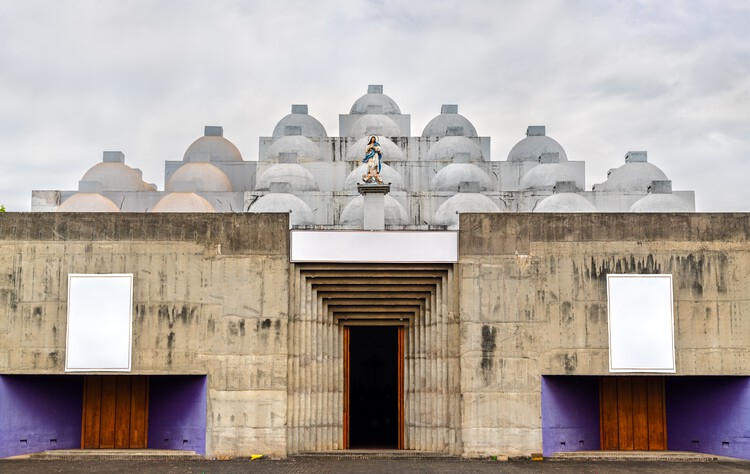
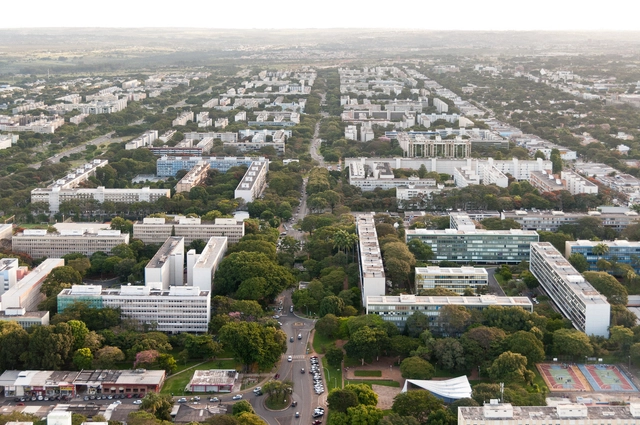
On December 23, 1972, Managua, the capital of Nicaragua, was struck by a 6.3-magnitude earthquake. In a matter of minutes, its urban core, which for decades had functioned as a compact political and economic center, abruptly collapsed. In the reconstruction process that followed, the authorities sought not simply to rebuild but to reorganize. Their objective was to decentralize the city and prevent future paralysis by dispersing functions across multiple zones. Among the most significant architectural outcomes of this shift was the new Metropolitan Cathedral. Its modernist language symbolized both institutional continuity and urban transformation. In doing so, it embodied Managua's transition from a Spanish-style, centralized urban grid to a contemporary, decentralized metropolis.

The Two Cathedrals of Managua: Architectural Memory After Nicaragua’s 1972 Earthquake - Image 1 of 4The Two Cathedrals of Managua: Architectural Memory After Nicaragua’s 1972 Earthquake - Image 2 of 4The Two Cathedrals of Managua: Architectural Memory After Nicaragua’s 1972 Earthquake - Image 4 of 4The Two Cathedrals of Managua: Architectural Memory After Nicaragua’s 1972 Earthquake - Image 3 of 4The Two Cathedrals of Managua: Architectural Memory After Nicaragua’s 1972 Earthquake - More Images+ 3

Designing with Memory: Rafayel Israelyan’s Enduring Legacy in Armenia

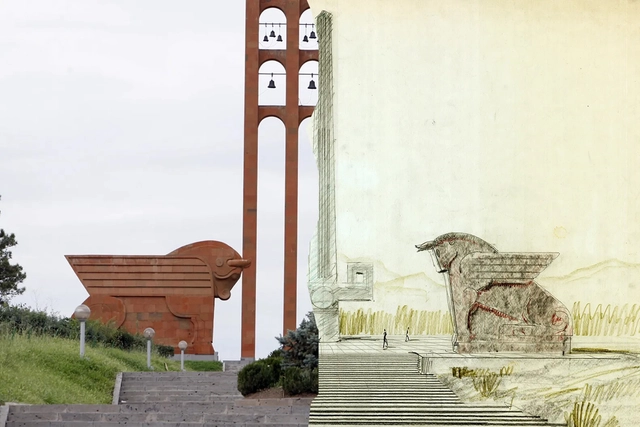
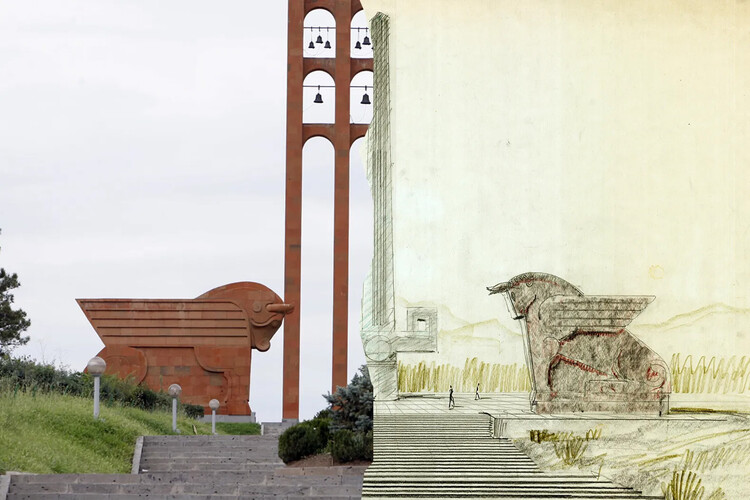
In a time when much global architecture can feel disconnected from local identity, the work of Rafayel Israelyan stands out for being rooted in place, culture, and memory. Working in mid-20th-century Armenia, Israelyan created architecture that is more than functional or monumental; it is culturally resilient. His use of traditional Armenian motifs, materials, and symbolic forms gave his designs a second life after the fall of the Soviet Union, when many buildings across post-Soviet states were abandoned or demolished. Armenia, by contrast, preserved many of his works, likely because their design approach not only served a specific moment in time, but also told a larger story. Long before concepts like sustainability or critical regionalism became popular, Israelyan understood that buildings gain meaning and endurance when they reflect the specific identity and characteristics of their place.

Designing with Memory: Rafayel Israelyan’s Enduring Legacy in Armenia - Image 1 of 4Designing with Memory: Rafayel Israelyan’s Enduring Legacy in Armenia - Image 2 of 4Designing with Memory: Rafayel Israelyan’s Enduring Legacy in Armenia - Image 3 of 4Designing with Memory: Rafayel Israelyan’s Enduring Legacy in Armenia - Image 4 of 4Designing with Memory: Rafayel Israelyan’s Enduring Legacy in Armenia - More Images+ 5

Slow Architecture as an Ethical Practice of Design and Construction

At the Bruder Klaus Field Chapel, designed by Peter Zumthor, the construction process involved the direct participation of residents from the small Swiss village of Mechernich. Using an internal formwork made of vertically placed wooden logs, concrete was prepared in small batches and poured manually, day after day, forming layers marked by subtle variations in the mix and application. At the end of the process, the wooden structure was reduced to ashes, leaving the chapel's interior impregnated with traces of fire and revealing a dark, tactile surface. The result was a quiet and deeply meaningful space, where collective action, time, and material transformation became part of the architecture. Centered on locally available resources and manual techniques, this construction method highlights how the choice of materials and building system can shape the experience of a space, reveal the time invested, and embed the culture of a place into the very matter of architecture. In doing so, it offers an example of how construction itself can become a regenerative act, restoring meaning, connecting communities, and honoring material cycles.

Slow Architecture as an Ethical Practice of Design and Construction - Image 1 of 4Slow Architecture as an Ethical Practice of Design and Construction - Image 2 of 4Slow Architecture as an Ethical Practice of Design and Construction - Image 3 of 4Slow Architecture as an Ethical Practice of Design and Construction - Image 4 of 4Slow Architecture as an Ethical Practice of Design and Construction - More Images+ 6

Globalization and Architecture: The Dependency on Foreign Talent in the Global South

Subscriber Access | 

Through the post-war 20th century, the Global South saw much influence from foreign architects, often invited by local governments to bring their expertise and visionary thinking. Sought as a symbol of modernity, buildings designed by "starchitects" elevated the image of nations. Decades later, as local industries advance in capabilities, the desire for foreign talent continues to exist. Is this a natural result of globalization or is the continued presence of international architects in the Global South a persistent dependency?

Globalization and Architecture: The Dependency on Foreign Talent in the Global South - Image 1 of 4Globalization and Architecture: The Dependency on Foreign Talent in the Global South - Image 2 of 4Globalization and Architecture: The Dependency on Foreign Talent in the Global South - Image 3 of 4Globalization and Architecture: The Dependency on Foreign Talent in the Global South - Image 4 of 4Globalization and Architecture: The Dependency on Foreign Talent in the Global South - More Images+ 2

Designing with Humidity: How Architecture Adapts to the World’s Dampest Climates

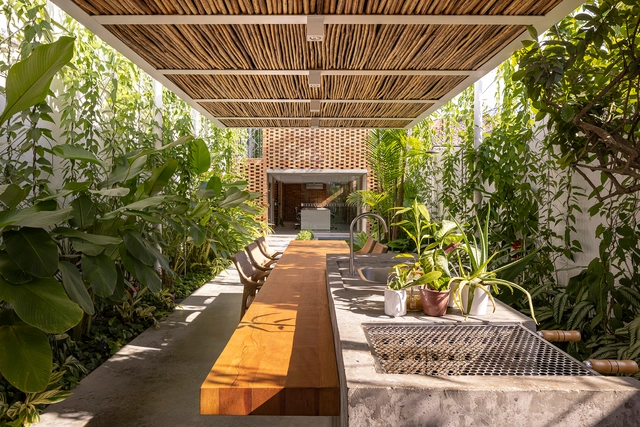
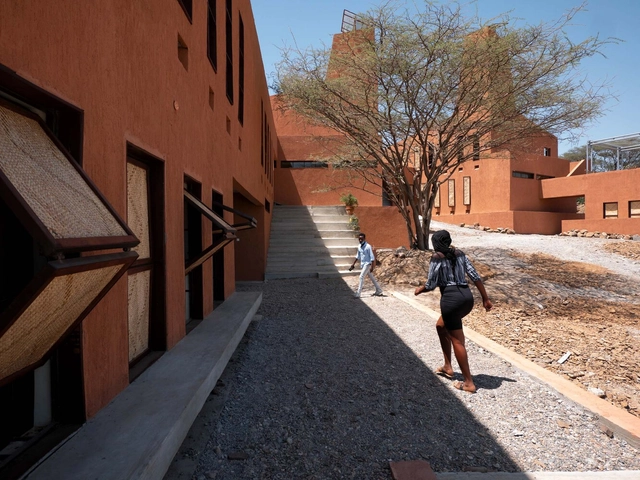
Humid environments present some of the most complex challenges in architectural design. From the tropical monsoon season of Southeast Asia to the equatorial heat of Central Africa, these environments demand solutions that account for intense moisture, high temperatures, and the constant battle against mold, decay, and stagnation. Yet, for centuries, communities in these regions have developed architectural techniques that do not fight against humidity but instead work with it, leveraging local materials, climate-responsive design, and passive cooling techniques to create sustainable and livable spaces. By considering atmosphere as a sensory and climatic phenomenon, architects will craft spaces that are not only evocative but also responsive, adaptive, and sustainable.

Designing with Humidity: How Architecture Adapts to the World’s Dampest Climates - Image 1 of 4Designing with Humidity: How Architecture Adapts to the World’s Dampest Climates - Image 4 of 4Designing with Humidity: How Architecture Adapts to the World’s Dampest Climates - Image 5 of 4Designing with Humidity: How Architecture Adapts to the World’s Dampest Climates - Image 7 of 4Designing with Humidity: How Architecture Adapts to the World’s Dampest Climates - More Images+ 13

A Compact Yet Fundamental Survey of the Modern Movement: In Conversation with Kenneth Frampton

If there is one book every architecture student must have on their shelf, it must be an architectural history. There is no more comprehensive yet compact alternative than Kenneth Frampton's Modern Architecture: A Critical History, originally published in 1980 by Thames & Hudson. Its much-expanded latest fifth 734-page, 813-illustration edition came out in 2020. In 2023, I discussed the book at length with the author in a video interview, now available on YouTube.

Regarding one compact yet fundamental survey of the evolution of the Modern movement, Modern Architecture: A Critical History is unquestionably the most authoritative, complete, and in-depth chronicle. The most valuable addition to the new book is the introduction of new chapters focusing on regions such as Canada, Mexico, Colombia, Australia, China, India, and Sri Lanka, among others. These chapters shed light on many before-overlooked practices that operated outside of traditional centers of power, namely Western Europe, the United States, and Japan.

A Compact Yet Fundamental Survey of the Modern Movement: In Conversation with Kenneth Frampton - Image 1 of 4A Compact Yet Fundamental Survey of the Modern Movement: In Conversation with Kenneth Frampton - Image 2 of 4A Compact Yet Fundamental Survey of the Modern Movement: In Conversation with Kenneth Frampton - Image 3 of 4A Compact Yet Fundamental Survey of the Modern Movement: In Conversation with Kenneth Frampton - Image 4 of 4A Compact Yet Fundamental Survey of the Modern Movement: In Conversation with Kenneth Frampton - More Images+ 5

Shaping History: The Impact of Women Architects in Post-Colonial South Asia

In the mid-twentieth century, a set of South Asian countries collectively experienced a catharsis from colonizers' rule. The period that followed sparked an era of ideas and philosophies for a new future. During this time, architects were pivotal in creating modernist structures that defined the countries' post-colonial, post-partition and post-imperial identities. South Asian architects used design as an expression of hopeful societal visions, most of which have been actualized. With this success in nation-building, there has been a lack of accreditation for women architects in shaping South Asian histories. 

Shaping History: The Impact of Women Architects in Post-Colonial South Asia  - Image 1 of 4Shaping History: The Impact of Women Architects in Post-Colonial South Asia  - Image 2 of 4Shaping History: The Impact of Women Architects in Post-Colonial South Asia  - Image 3 of 4Shaping History: The Impact of Women Architects in Post-Colonial South Asia  - Image 4 of 4Shaping History: The Impact of Women Architects in Post-Colonial South Asia  - More Images+ 3

Regional Modernism in Bangladesh: The Architecture of Muzharul Islam

Subscriber Access | 

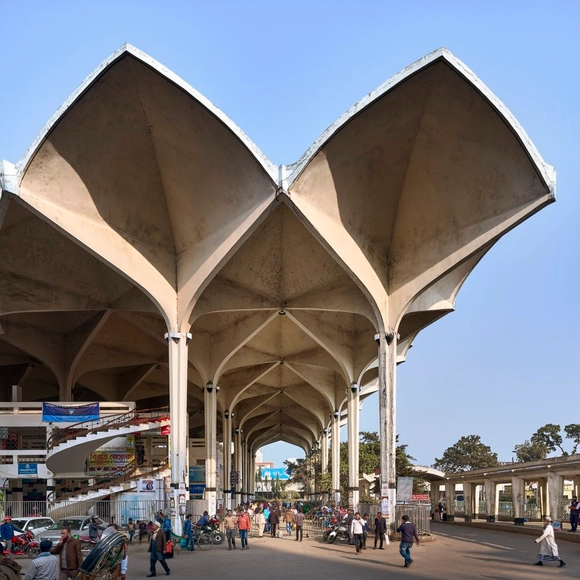
For the Indian subcontinent, the mid-1900s marked a transformative period, brimming with turmoil and hope. Leaving a century of British rule, India and the newly formed countries of Pakistan and Bangladesh held onto an optimistic vision of a transformed society. The newfound independence invited the international Modernist movement to envision a fresh identity for the nations. Spearheading the movement in Bangladesh was the architect Muzharul Islam whose work continues to influence contemporary Bangladeshi architecture.

Regional Modernism in Bangladesh: The Architecture of Muzharul Islam  - Image 1 of 4Regional Modernism in Bangladesh: The Architecture of Muzharul Islam  - Image 2 of 4Regional Modernism in Bangladesh: The Architecture of Muzharul Islam  - Image 3 of 4Regional Modernism in Bangladesh: The Architecture of Muzharul Islam  - Image 4 of 4Regional Modernism in Bangladesh: The Architecture of Muzharul Islam  - More Images+ 1

Can Local Architecture Help Cure the Ills of Globalism?

The global pause of the COVID pandemic has provided an opportunity to assess present-day globalism and the architecture that has emerged alongside it. Stemming back to the broad expansion of free trade in the 90s at the end of the Cold War, globalism’s cultural promise was simple and aspirational: integrating markets globally would increase the interaction between and learning of different cultures. By normalizing such experiences in our daily lives, we would become global citizens liberated from our previous prejudices–all well-intentioned objectives.

Can Local Architecture Help Cure the Ills of Globalism? - Image 1 of 4Can Local Architecture Help Cure the Ills of Globalism? - Image 2 of 4Can Local Architecture Help Cure the Ills of Globalism? - Image 3 of 4Can Local Architecture Help Cure the Ills of Globalism? - Image 4 of 4Can Local Architecture Help Cure the Ills of Globalism? - More Images+ 6

Álvaro Siza, between Modern and Traditional

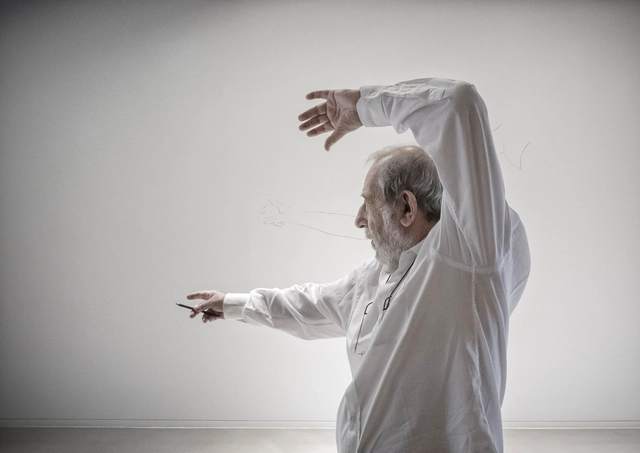
Álvaro Joaquim de Melo Siza Vieira, or simply Álvaro Siza, was born in Matosinhos, Portugal, on June 25, 1933. His first work – four houses in Matosinhos – was built in 1954, even before completing his studies at the School of Fine Arts from the University of Porto (current Faculty of Architecture of the University of Porto – FAUP), which happened a year later.

Álvaro Siza, between Modern and Traditional - Image 41 of 4Álvaro Siza, between Modern and Traditional - Image 44 of 4Álvaro Siza, between Modern and Traditional - Image 46 of 4Álvaro Siza, between Modern and Traditional - Image 57 of 4Álvaro Siza, between Modern and Traditional - More Images+ 62

Can Vernacular Architecture Be Exoticized?

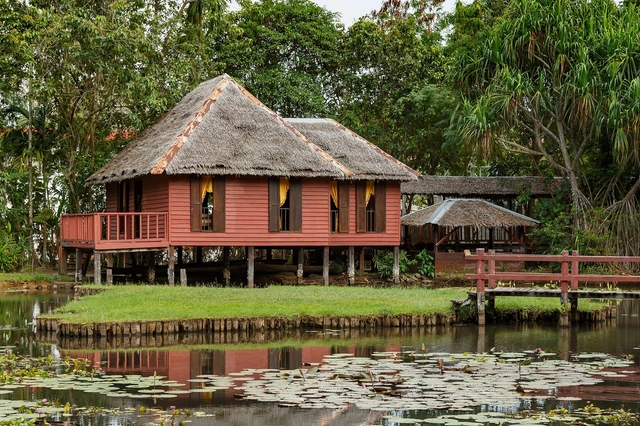
When we talk about vernacular architecture, we’re talking about an architectural style specific to a region – architecture that relies on the use of local knowledge and materials to construct buildings. It’s the Beehive Houses of Harran in Turkey, to the traditional Malay Houses found throughout southeast Asia. The vernacular architecture of various places continues to be a source of inspiration for contemporary architects, as they look to create sustainable architectural responses well-suited for their context.

Can Vernacular Architecture Be Exoticized?  - Image 1 of 4Can Vernacular Architecture Be Exoticized?  - Image 2 of 4Can Vernacular Architecture Be Exoticized?  - Image 3 of 4Can Vernacular Architecture Be Exoticized?  - Image 4 of 4Can Vernacular Architecture Be Exoticized?  - More Images+ 4

Re-evaluating Critical Regionalism: An Architecture of the Place

Subscriber Access | 

In his 1983 now-classic essay Towards a Critical Regionalism, Six Points of an Architecture of Resistance, Kenneth Frampton discussed an alternative approach to architecture, one defined by climate, topography and tectonics, as a form of resistance to the placeness of Modern Architecture and the gratuitous ornamentation of Postmodernism. An architectural attitude, Critical Regionalism proposed an architecture that would embrace global influences while firmly rooted in its context. The following explores the value and contribution of Frampton’s ideas for contemporary architecture.

Re-evaluating Critical Regionalism: An Architecture of the Place - Image 4 of 4Re-evaluating Critical Regionalism: An Architecture of the Place - Image 3 of 4Re-evaluating Critical Regionalism: An Architecture of the Place - Image 5 of 4Re-evaluating Critical Regionalism: An Architecture of the Place - Featured ImageRe-evaluating Critical Regionalism: An Architecture of the Place - More Images+ 1

"I Identify Forms with Energy": Li Xiaodong of Li Xiaodong Atelier

One of the immediate impressions that I formed of the Beijing-based architect and Tsinghua University Professor Li Xiaodong (b. 1963) is his reassuring self-confidence. Following our interview, Professor Li asked me a question of his own - would I like to teach at his school? “I never taught in my life,” I replied. He quickly countered, “I know. You can teach. Yes or no?” If I have learned anything about life, it is that when opportunities come you should grab them first and think later. "If he is so confident in me, why shouldn’t I trust him?” I reasoned.

"I Identify Forms with Energy": Li Xiaodong of Li Xiaodong Atelier - Arch Daily Interviews"I Identify Forms with Energy": Li Xiaodong of Li Xiaodong Atelier - Arch Daily Interviews"I Identify Forms with Energy": Li Xiaodong of Li Xiaodong Atelier - Arch Daily Interviews"I Identify Forms with Energy": Li Xiaodong of Li Xiaodong Atelier - Arch Daily InterviewsI Identify Forms with Energy: Li Xiaodong of Li Xiaodong Atelier - More Images+ 19

Kenneth Frampton on His Early Career and Appreciating Architectural Talent From Around the Globe

In a recent interview with Metropolis Magazine, Kenneth Frampton answered questions about his existing architectural influence and his opinion as it relates to the direction of architectural theory and criticism. Frampton has long been a prominent voice in the world of architectural theory and writing. He has taught at Columbia University's Graduate School of Architecture, Planning and Preservation (GSAPP) since 1972, all the while publishing a large collection of critical essays and books on the topic of 20th-century architecture—the most notable of those being his 1983 essay “Towards a Critical Regionalism: Six Points for an Architecture of Resistance.”

Even today, Frampton's evaluation of critical regionalism is still widely appreciated. In the interview, Frampton admits that he now sees the influence of critical regionalism primarily outside of "the Anglo-American world," but he believes that the implied importance of a "direct democracy" is what he sees as most beneficial.