1. ArchDaily
  2. Global South

Global South: The Latest Architecture and News

Building Light in a Flood Zone: Architecture for Seasonal Inundation

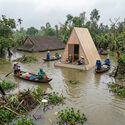
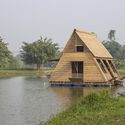
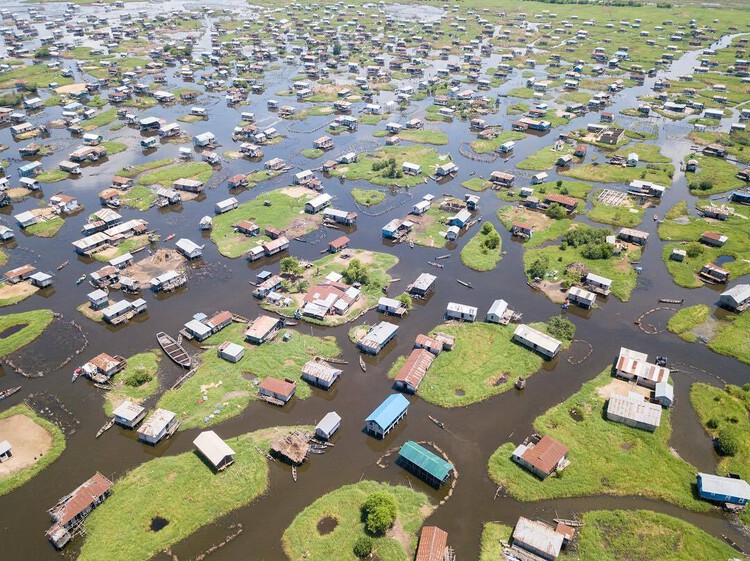
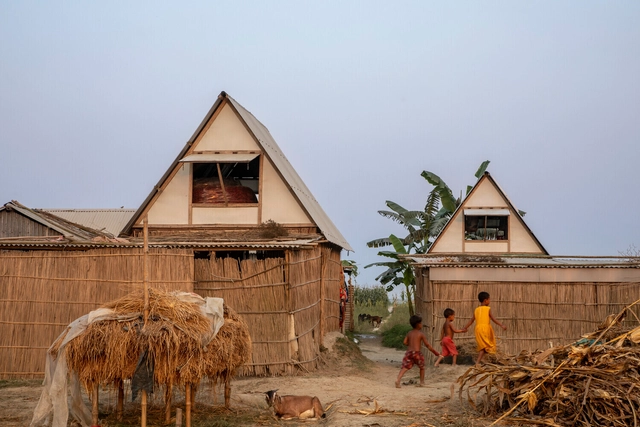
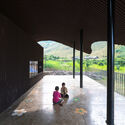
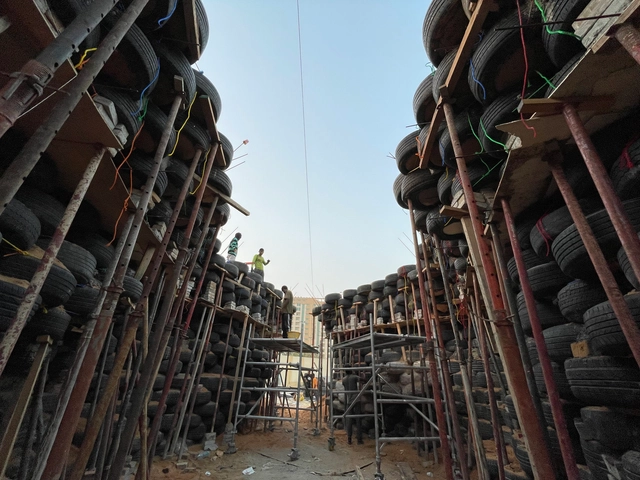
The flood does not arrive as a surprise. It returns, following the same swollen rivers and monsoon skies, loosening the ground and entering homes that were never meant to resist it. Walls are untied before they are lost, materials are gathered before they drift, and structures are rebuilt with a familiarity that suggests this is not destruction, but sequence. In landscapes where water returns each year, survival is defined by the ability to begin again.

Across the floodplains of Bangladesh, the Brahmaputra basin, and the Mekong Delta, inundation is a seasonal certainty. Reports by institutions such as the World Bank and the Intergovernmental Panel on Climate Change often frame floods through exposure and damage, measuring success through resistance and durability. Yet in territories that are submerged annually, such metrics only partially describe the problem. The ground itself oscillates between solid and liquid states. To build as if it were fixed is to design against the very condition that defines it.

Building Light in a Flood Zone: Architecture for Seasonal Inundation - Image 1 of 4Building Light in a Flood Zone: Architecture for Seasonal Inundation - Image 2 of 4Building Light in a Flood Zone: Architecture for Seasonal Inundation - Image 3 of 4Building Light in a Flood Zone: Architecture for Seasonal Inundation - Image 4 of 4Building Light in a Flood Zone: Architecture for Seasonal Inundation - More Images+ 6

When Do Buildings Begin to Matter? Rethinking Heritage in Local Time

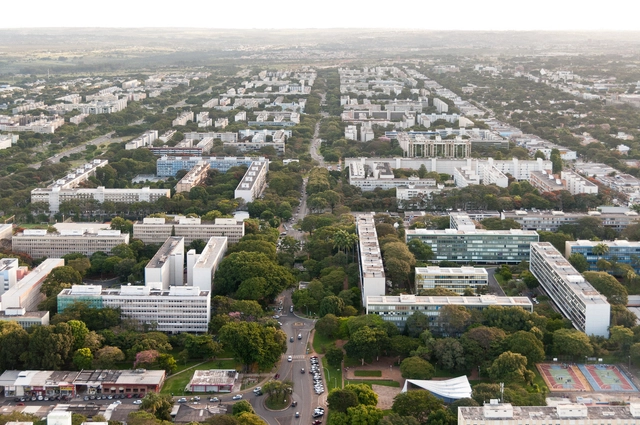
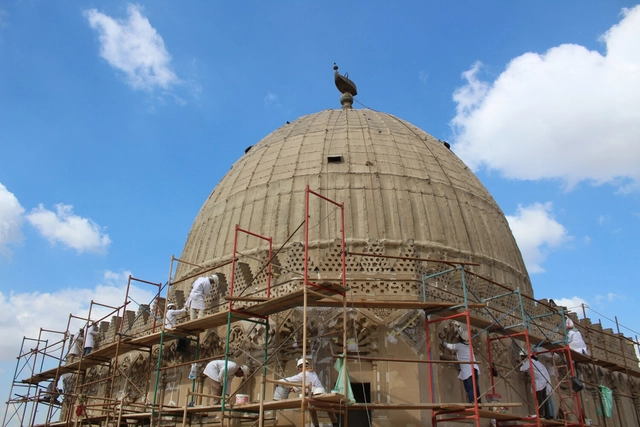
A building still being adjusted, repaired, and debated is declared World Heritage. Another, equally influential, must survive five centuries before anyone considers protecting it. This is not an anomaly in the heritage system; it is the system. Across the world, architecture does not age at the same pace because time itself is not neutral. It is cultural, political, and deeply uneven. What we call "heritage" is not simply old architecture; it is architecture that has reached the right moment in a particular place.

When Do Buildings Begin to Matter? Rethinking Heritage in Local Time - Image 1 of 4When Do Buildings Begin to Matter? Rethinking Heritage in Local Time - Image 2 of 4When Do Buildings Begin to Matter? Rethinking Heritage in Local Time - Image 3 of 4When Do Buildings Begin to Matter? Rethinking Heritage in Local Time - Image 4 of 4When Do Buildings Begin to Matter? Rethinking Heritage in Local Time - More Images+ 6

Tropical Hotels in Costa Rica: Six Projects to Explore Climate-Sensitive Architecture in Central America

Subscriber Access | 

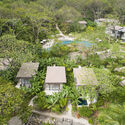
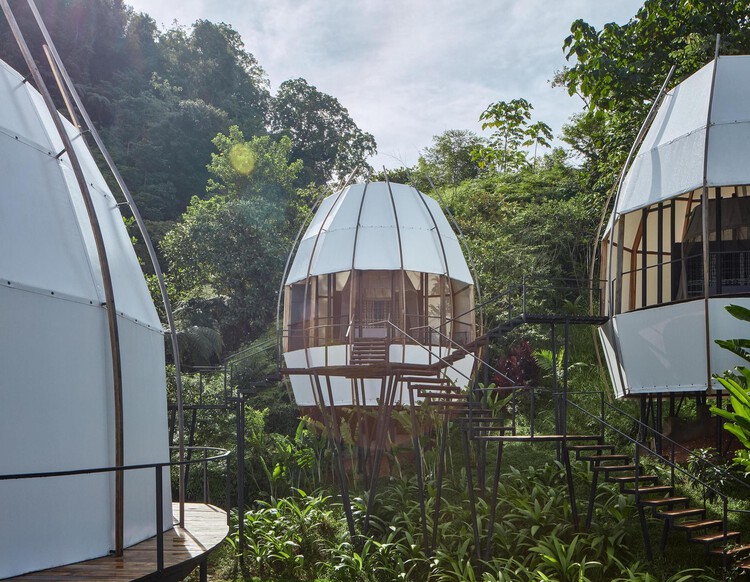
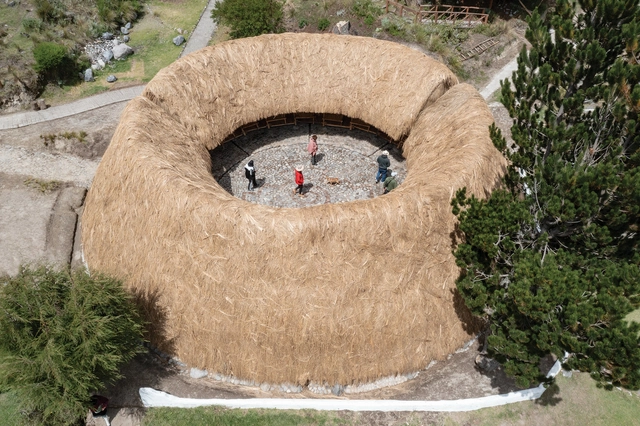
In the coastal and jungle regions of Costa Rica, high humidity and intense solar radiation dictate an architectural strategy centered on permeability rather than enclosure. Unlike the airtight envelopes required in cold climates to retain heat, Costa Rican architecture uses the building envelope as a climatic filter to maximize air exchange. The primary mechanism for managing these thermal gradients seems to be the oversized roof overhang. By extending the roof plane significantly beyond the floor plate, architects create a permanent buffer of deep shade that reduces solar gain and lowers the ambient temperature before air enters the structure. This strategy, combined with permeable or non-existent walls, allows for constant airflow. This is a critical technical requirement for humidity control and the prevention of material degradation through mold and rot.

Tropical Hotels in Costa Rica: Six Projects to Explore Climate-Sensitive Architecture in Central America - Image 1 of 4Tropical Hotels in Costa Rica: Six Projects to Explore Climate-Sensitive Architecture in Central America - Image 2 of 4Tropical Hotels in Costa Rica: Six Projects to Explore Climate-Sensitive Architecture in Central America - Image 3 of 4Tropical Hotels in Costa Rica: Six Projects to Explore Climate-Sensitive Architecture in Central America - Image 4 of 4Tropical Hotels in Costa Rica: Six Projects to Explore Climate-Sensitive Architecture in Central America - More Images+ 4

Best Articles of 2025: Plural Practices, Environmental Responses, and an Architecture of Care

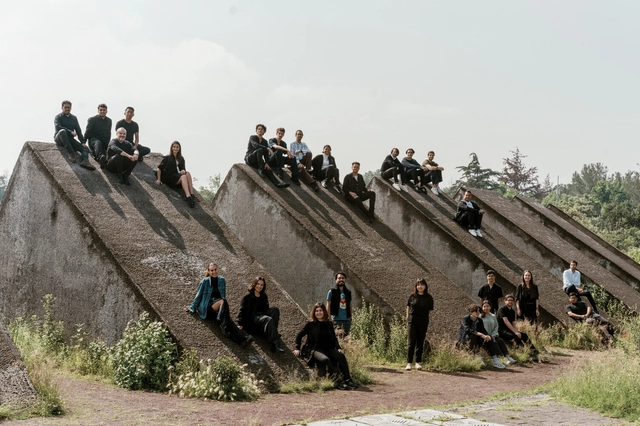
Across recent years, architectural discourse has been shaped by the emergence of new voices, rediscovered territories, and a growing commitment to shared forms of knowledge. These concerns remain fully present in 2025 as ongoing debates that continue to gain density and nuance. Questions of who produces architecture, from which contexts, and under what conditions remain central, increasingly informed by practices that operate collectively, across disciplines, and beyond singular authorship.

This continuity is reflected in how architecture is understood less as a finished object and more as an ongoing process embedded in social, cultural, and environmental systems. Discussions around agency, participation, and knowledge production persist, alongside sustained attention to rural, peripheral, and historically marginalized contexts. Rather than privileging a single scale or geography, architecture is approached as a practice that moves between territories, acknowledging the unequal conditions that shape how spaces are designed, built, maintained, and inhabited.

Best Articles of 2025: Plural Practices, Environmental Responses, and an Architecture of Care - Image 1 of 4Best Articles of 2025: Plural Practices, Environmental Responses, and an Architecture of Care - Image 2 of 4Best Articles of 2025: Plural Practices, Environmental Responses, and an Architecture of Care - Image 3 of 4Best Articles of 2025: Plural Practices, Environmental Responses, and an Architecture of Care - Image 4 of 4Best Articles of 2025: Plural Practices, Environmental Responses, and an Architecture of Care - More Images+ 31

Pan-African Biennale (Pre Launch )

We are pleased to announce an evening conversation hosted by the Pan-African Biennale (PAB), in collaboration with Black Females in Architecture (BFA), a collective that advocates for greater representation, support, and visibility for Black women working across architecture and the built environment.

Architects as Mediators: Three Cases of Dialogue Between Communities, Governments, and Businesses in the Global South

In contemporary times, architectural practice goes far beyond designing buildings or materializing ideas; it has become a multidimensional field, taking on broader and more complex roles. In contexts marked by inequality, environmental crises, and territorial disputes, architecture becomes a tool for negotiation, capable of mediating interests among diverse actors. In this scenario, architects also assume the roles of cultural translators, social facilitators, and, often, advocates for collective rights.

Architects as Mediators: Three Cases of Dialogue Between Communities, Governments, and Businesses in the Global South - Image 1 of 4Architects as Mediators: Three Cases of Dialogue Between Communities, Governments, and Businesses in the Global South - Image 2 of 4Architects as Mediators: Three Cases of Dialogue Between Communities, Governments, and Businesses in the Global South - Image 3 of 4Architects as Mediators: Three Cases of Dialogue Between Communities, Governments, and Businesses in the Global South - Image 4 of 4Architects as Mediators: Three Cases of Dialogue Between Communities, Governments, and Businesses in the Global South - More Images+ 12

Sumayya Vally Renovates Heritage Building in Central London as New Arts and Cultural Center

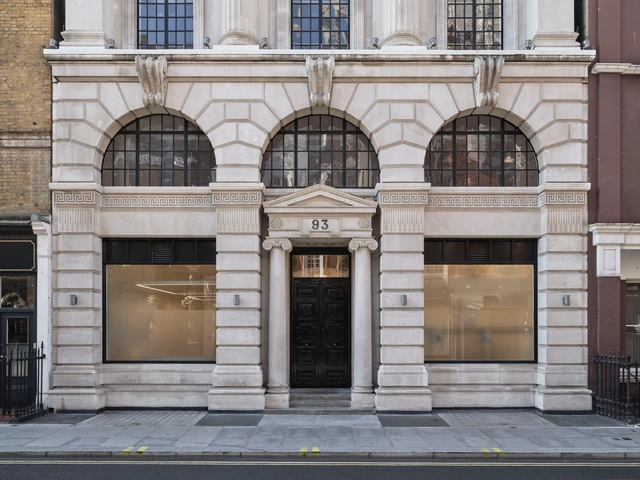
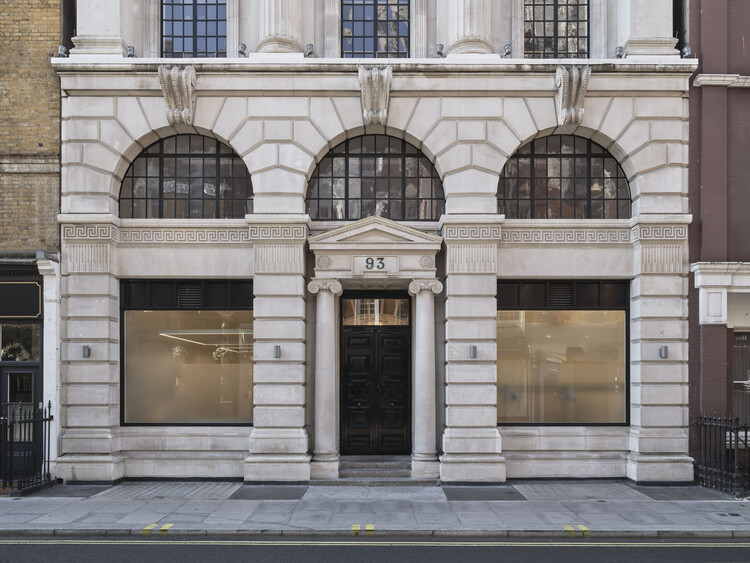
October will see the opening of Ibraaz, a new cultural space reimagined by Architect-in-Residence Sumayya Vally in central London. The initiative is led by the Kamel Lazaar Foundation and aims to highlight art, culture, and ideas from the Global Majority: communities of African, Asian, Indigenous, and Latin American heritage that together represent most of the world's population. The project seeks to bridge local and global conversations by creating a "world of many worlds" within a single venue: a six-floor, 10,000-square-foot building that has undergone multiple transformations, from synagogue to residence, club, and now cultural center.

Sumayya Vally Renovates Heritage Building in Central London as New Arts and Cultural Center - Image 1 of 4Sumayya Vally Renovates Heritage Building in Central London as New Arts and Cultural Center - Image 2 of 4Sumayya Vally Renovates Heritage Building in Central London as New Arts and Cultural Center - Image 3 of 4Sumayya Vally Renovates Heritage Building in Central London as New Arts and Cultural Center - Image 4 of 4Sumayya Vally Renovates Heritage Building in Central London as New Arts and Cultural Center - More Images

The Colonial Legacy of Concrete in the Global South

Subscriber Access | 

Concrete towers dominate the skylines of Asian and African cities - looming edifices embodying development. With access to the tools and materials of industrial modernity, the Global South steps onto the world stage showcasing its bounty. Yet, at the depths of rising ambitions, the construction material speaks to colonial legacies and extractive economics that result in power imbalances in the geopolitical sphere. A climate crisis on the horizon only intensifies the complicated relationship between building materials, sustainability demands, and sovereignty of many countries.

The Colonial Legacy of Concrete in the Global South - Image 1 of 4The Colonial Legacy of Concrete in the Global South - Image 2 of 4The Colonial Legacy of Concrete in the Global South - Image 3 of 4The Colonial Legacy of Concrete in the Global South - Image 4 of 4The Colonial Legacy of Concrete in the Global South - More Images+ 3

More than a Classroom: The Multifunctionality of Educational Spaces in Global South Communities

Educational infrastructure is key to any community. The better the quality of these spaces, the better the learning experience for those who use them. However, these facilities often serve a much broader purpose than just education. In Global South communities, in countries like Peru or Vietnam, where a significant portion of the population lives in rural areas far from urban centers, there are few educational spaces and a lack of places where the entire community—not just the students—can come together.

More than a Classroom: The Multifunctionality of Educational Spaces in Global South Communities - Image 1 of 4More than a Classroom: The Multifunctionality of Educational Spaces in Global South Communities - Image 2 of 4More than a Classroom: The Multifunctionality of Educational Spaces in Global South Communities - Image 3 of 4More than a Classroom: The Multifunctionality of Educational Spaces in Global South Communities - Image 4 of 4More than a Classroom: The Multifunctionality of Educational Spaces in Global South Communities - More Images+ 23

Globalization and Architecture: The Dependency on Foreign Talent in the Global South

Subscriber Access | 

Through the post-war 20th century, the Global South saw much influence from foreign architects, often invited by local governments to bring their expertise and visionary thinking. Sought as a symbol of modernity, buildings designed by "starchitects" elevated the image of nations. Decades later, as local industries advance in capabilities, the desire for foreign talent continues to exist. Is this a natural result of globalization or is the continued presence of international architects in the Global South a persistent dependency?

Globalization and Architecture: The Dependency on Foreign Talent in the Global South - Image 1 of 4Globalization and Architecture: The Dependency on Foreign Talent in the Global South - Image 2 of 4Globalization and Architecture: The Dependency on Foreign Talent in the Global South - Image 3 of 4Globalization and Architecture: The Dependency on Foreign Talent in the Global South - Image 4 of 4Globalization and Architecture: The Dependency on Foreign Talent in the Global South - More Images+ 2

Straw, Earth and Bamboo: Innovative Use of Natural Materials in 2024 Projects from the Global South

Sustainability has been a central theme in architectural discussions for years, encompassing not only the profession’s role in combating climate change and transitioning to low-carbon economies but also preserving cultural heritage and celebrating vernacular traditions. In 2024, a wave of projects and studies stood out for their innovative use of natural materials, particularly in the Global South. These initiatives skillfully blend creativity and technology with renewable resources, demonstrating how architecture can deliver high-quality spaces that align with contemporary demands for sustainability and environmental responsibility.

Straw, Earth and Bamboo: Innovative Use of Natural Materials in 2024 Projects from the Global South - Image 1 of 4Straw, Earth and Bamboo: Innovative Use of Natural Materials in 2024 Projects from the Global South - Image 2 of 4Straw, Earth and Bamboo: Innovative Use of Natural Materials in 2024 Projects from the Global South - Image 3 of 4Straw, Earth and Bamboo: Innovative Use of Natural Materials in 2024 Projects from the Global South - Image 4 of 4Straw, Earth and Bamboo: Innovative Use of Natural Materials in 2024 Projects from the Global South - More Images+ 9

Voices Shaping the Future of Architecture: ArchDaily's Best Interviews of 2024

In 2024, architecture continues to evolve in response to global challenges, with an increasing focus on sustainability, cultural context, and social responsibility. ArchDaily's interviews with leading architects, such as Kengo Kuma and Anne Lacaton, highlight how design is shifting towards environmental and community-centric solutions. These conversations also shed light on the emerging voices from the Global South, where innovative practices are addressing unique socio-political and environmental challenges. Architects from regions like Africa, Asia, and Latin America are offering fresh perspectives, pushing the boundaries of traditional architecture to reflect their diverse cultural narratives and local contexts.

Voices Shaping the Future of Architecture: ArchDaily's Best Interviews of 2024 - Image 1 of 4Voices Shaping the Future of Architecture: ArchDaily's Best Interviews of 2024 - Image 2 of 4Voices Shaping the Future of Architecture: ArchDaily's Best Interviews of 2024 - Image 3 of 4Voices Shaping the Future of Architecture: ArchDaily's Best Interviews of 2024 - Image 4 of 4Voices Shaping the Future of Architecture: ArchDaily's Best Interviews of 2024 - More Images+ 9

Revitalizing Historic Cairo: May al-Ibrashy's Vision for Heritage, Community, and Sustainable Conservation

Cairo, often called the "City of a Thousand Minarets," boasts one of the richest cultural and architectural tapestries in the world. Its heritage reflects centuries of diverse influences from Pharaonic monuments to Islamic and Mamluk architecture. However, preserving this legacy is an ongoing challenge in the face of urban pressures, climate change, and socio-economic dynamics. Heritage conservation in Cairo is not just about safeguarding these structures; it's about integrating them into the lives of local communities, ensuring they remain dynamic and accessible spaces.

At the forefront of this mission is Dr. May al-Ibrashy, an architect and conservationist whose innovative and community-driven approach has redefined how heritage is preserved. As the founder of Megawra–Built Environment Collective, she has worked tirelessly in neighborhoods like Al-Khalifa, Al-Hattaba, and Sayyida Zeinab to restore historic monuments while creating vibrant public spaces. Her work bridges the gap between architectural preservation and urban regeneration, ensuring that these historic districts serve both as cultural landmarks and as living, functional spaces for their residents.

Revitalizing Historic Cairo: May al-Ibrashy's Vision for Heritage, Community, and Sustainable Conservation - Image 1 of 4Revitalizing Historic Cairo: May al-Ibrashy's Vision for Heritage, Community, and Sustainable Conservation - Image 2 of 4Revitalizing Historic Cairo: May al-Ibrashy's Vision for Heritage, Community, and Sustainable Conservation - Image 3 of 4Revitalizing Historic Cairo: May al-Ibrashy's Vision for Heritage, Community, and Sustainable Conservation - Image 4 of 4Revitalizing Historic Cairo: May al-Ibrashy's Vision for Heritage, Community, and Sustainable Conservation - More Images+ 9

Overcoming Barriers: 4 Residential Projects with Accessibility Strategies in Latin America

Subscriber Access | 

According to the United Nations (UN), over 1 billion people worldwide live with disabilities, whether physical or intellectual, with 80% residing in Global South countries. Despite advancements in their rights, they still encounter significant barriers and remain among the most marginalized in accessing essential services like healthcare, education, and employment. In this context, architecture is crucial for ensuring safety and spatial independence, enabling their full and effective participation in society.

Overcoming Barriers: 4 Residential Projects with Accessibility Strategies in Latin America - Image 1 of 4Overcoming Barriers: 4 Residential Projects with Accessibility Strategies in Latin America - Image 2 of 4Overcoming Barriers: 4 Residential Projects with Accessibility Strategies in Latin America - Image 3 of 4Overcoming Barriers: 4 Residential Projects with Accessibility Strategies in Latin America - Image 4 of 4Overcoming Barriers: 4 Residential Projects with Accessibility Strategies in Latin America - More Images+ 8

Learning from Global Architecture Exhibitions: Resource Efficiency, Vernacular Intelligence, and Social and Environmental Advocacy

Over the past year, architecture exhibitions have significantly addressed pressing global issues such as climate change, resource scarcity, and social advocacy. According to the Harvard Graduate School of Design, architecture exhibitions can foster dynamic engagement with contemporary issues, serving as platforms for experimentation and critique. These events, such as the Venice Architecture Biennale, Sharjah Architecture Triennial, Milan Design Week, and Concéntrico, serve as essential platforms for creatives to showcase and explore new ideas. Moreover, they have been instrumental in addressing the urgent challenges posed by the climate crisis by promoting sustainable practices.

Learning from Global Architecture Exhibitions: Resource Efficiency, Vernacular Intelligence, and Social and Environmental Advocacy - Image 1 of 4Learning from Global Architecture Exhibitions: Resource Efficiency, Vernacular Intelligence, and Social and Environmental Advocacy - Image 2 of 4Learning from Global Architecture Exhibitions: Resource Efficiency, Vernacular Intelligence, and Social and Environmental Advocacy - Featured ImageLearning from Global Architecture Exhibitions: Resource Efficiency, Vernacular Intelligence, and Social and Environmental Advocacy - Image 3 of 4Learning from Global Architecture Exhibitions: Resource Efficiency, Vernacular Intelligence, and Social and Environmental Advocacy - More Images+ 9

Community Growth Through Architecture: Maximizing Limited Resources for Positive Impact

Limited resources are becoming an increasingly common challenge in architecture. Today, regardless of the region, projects are affected by the availability of resources, which are now compounded by environmental considerations. This situation, far from being restrictive, prompts us to explore new possibilities in how we conceive the built environment. In this context, it is crucial to understand that resources are not only limited to the economy but also include technological, material, and spatial aspects. Thus, we can enhance our creativity and efficiency by broadening our considerations when approaching architectural design and its challenges, doing more with less.

At the community level, the challenge becomes even more significant when we consider that our projects must not only be designed to overcome these "constraints," but also to positively impact their communities. Therefore, contemporary projects must present different strategies to overcome limited resources and materials depending on the context, always aiming to achieve a positive impact and become powerful and ingenious proposals while democratizing access to architecture.

Projects by Female Architects from the Global South for Women's Day 2024

Subscriber Access | 

In our exploration of architectural endeavors, it is essential to recognize the persistent influence of women, particularly from the Global South, in shaping our built environment, especially the contributions of women who serve as catalysts for social change and cultural celebration. As we delve further into their narratives, it becomes evident that the architects’ lived experiences inform their creative processes, resulting in spaces that resonate with their users and surroundings. Architects like Sumaya Dabbagh, Mariam Issoufou, Tosin Oshinowo, and Marina Tabassum embody this enduring spirit of innovation and resilience.

This curated collection unfolds the narratives of some of the most compelling architectural projects by women from the Global South. From the unique streets of Dubai to the rural landscapes of Niger, each project serves as a testament to the power of architecture to transcend gender boundaries and create meaningful designs that connect people and their surroundings.

Projects by Female Architects from the Global South for Women's Day 2024 - Image 1 of 4Projects by Female Architects from the Global South for Women's Day 2024 - Image 2 of 4Projects by Female Architects from the Global South for Women's Day 2024 - Image 3 of 4Projects by Female Architects from the Global South for Women's Day 2024 - Image 4 of 4Projects by Female Architects from the Global South for Women's Day 2024 - More Images

Spiritual Journeys: Religious Architecture in the Global South

Subscriber Access | 

Religious architecture has always had a unique power to transcend the physical realm, transporting visitors to a spiritual journey. In many belief systems, it serves as a space between the earthly and the universal divine. This designed experience can often be facilitated through different choices, where light, form, materiality, and circulation play essential roles. Furthermore, architecture and design hold the power to have a profound impact on one’s lived spiritual experience.

This exploration of religious architecture in the global south showcases the integration of tradition and contemporary innovation. Whether it’s the Omani Mosque, where heritage and Islamic tradition are honored, or the Abrahamic Family House that features a mosque, a church, and a synagogue in dialogue and coexistence. Form and public access are explored through a design in Brazil, while a monastery in Uganda expands its size to serve guests and novitiate.


Spiritual Journeys: Religious Architecture in the Global South - Image 1 of 4Spiritual Journeys: Religious Architecture in the Global South - Image 2 of 4Spiritual Journeys: Religious Architecture in the Global South - Image 3 of 4Spiritual Journeys: Religious Architecture in the Global South - Image 4 of 4Spiritual Journeys: Religious Architecture in the Global South - More Images+ 1