1. ArchDaily
  2. Environmental Psychology

Environmental Psychology: The Latest Architecture and News

The Soft Control of Space: Design for Decision-Making

Subscriber Access | 

"There is no space without event, no architecture without action." When Bernard Tschumi wrote these words, he was articulating a fundamental principle of the architect's practice. Architecture is about behavior. Every stroke of a pen on a floor plan is a proposition about how occupants will move or what actions become possible.

To draw is to architect a reality. Though with this power, architecture does not command. It does not issue instructions or enforce compliance, but it operates through a soft control — a mode of influence that shapes behavior by structuring perception and guiding attention.

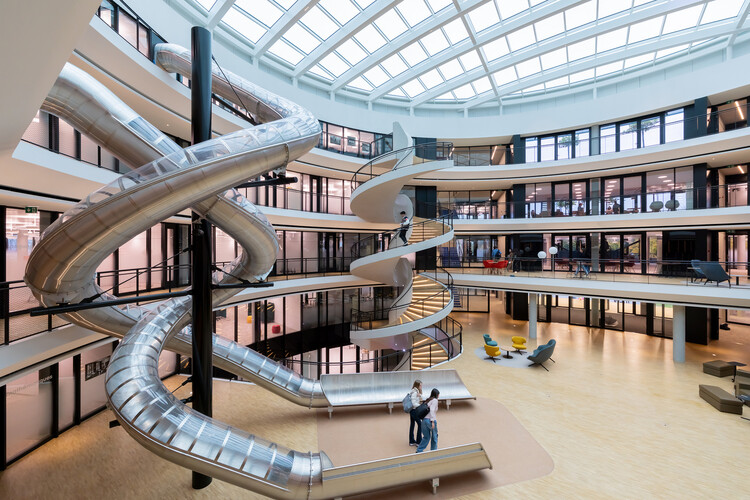
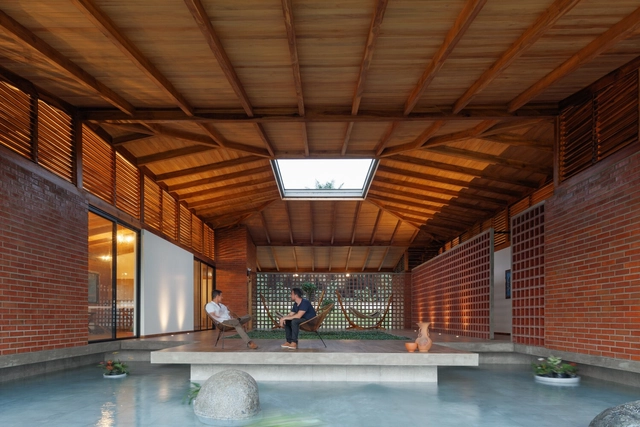
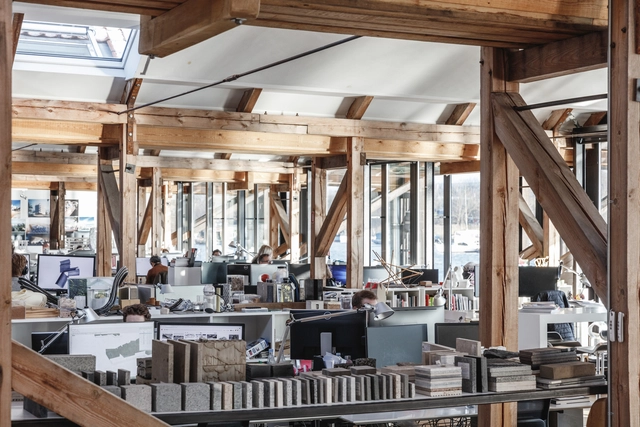
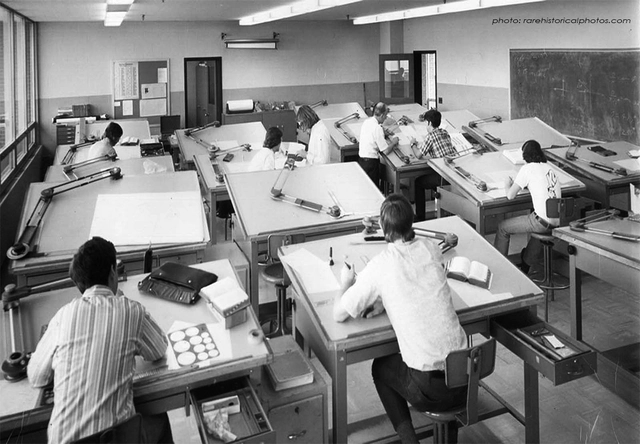
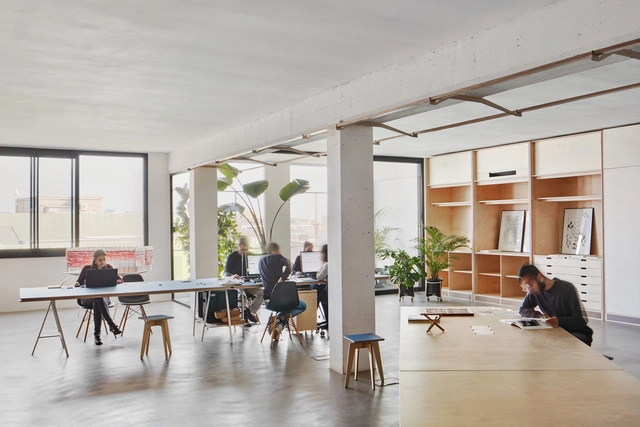
The Soft Control of Space: Design for Decision-Making - Image 1 of 4The Soft Control of Space: Design for Decision-Making - Image 2 of 4The Soft Control of Space: Design for Decision-Making - Image 3 of 4The Soft Control of Space: Design for Decision-Making - Image 4 of 4The Soft Control of Space: Design for Decision-Making - More Images+ 2

Spaces That Feel Back: How Buildings Respond to Human Behavior

Subscriber Access | 

Buildings were always intended to solve a straightforward problem: shelter. Through form and material, they protected occupants from the weather and organized human activity. Modern architecture, along with evolving lifestyles, added new priorities — efficiency, density, structural innovation, and aesthetics. People now demand more from buildings. Occupants increasingly want environments that actively support how they live, work, and feel.

Wellness has become a central concern in modern times. Decades of research in environmental psychology and building science reveal that indoor conditions can profoundly affect human health and behavior. Lighting influences circadian rhythms and sleep patterns. Air quality impacts cognitive performance and respiratory health. Temperature and acoustics shape comfort and concentration.

Spaces That Feel Back: How Buildings Respond to Human Behavior - Image 1 of 4Spaces That Feel Back: How Buildings Respond to Human Behavior - Image 2 of 4Spaces That Feel Back: How Buildings Respond to Human Behavior - Image 3 of 4Spaces That Feel Back: How Buildings Respond to Human Behavior - Image 4 of 4Spaces That Feel Back: How Buildings Respond to Human Behavior - More Images+ 1

Practice Design Reveals India Autism Center as a Model of Inclusive and Accessible Design

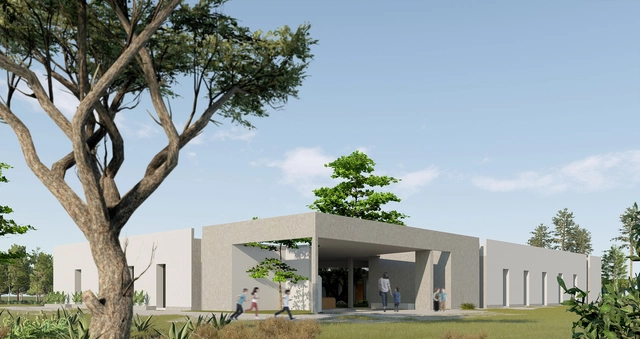
The India Autism Center (IAC), situated in Sirakole, West Bengal, represents a new perspective in accessible design and inclusivity. Designed to meet the specific needs of individuals with autism spectrum disorder (ASD) and related conditions, the center embodies a comprehensive approach to neurodiverse living. Developed by Practice Design, an architectural firm based in Mumbai and Kolkata, the 52-acre project is expected to be completed by 2030. It aims to create a supportive community where individuals with autism can realize their full potential through a variety of tailored services.

Practice Design Reveals India Autism Center as a Model of Inclusive and Accessible Design - Image 1 of 4Practice Design Reveals India Autism Center as a Model of Inclusive and Accessible Design - Image 2 of 4Practice Design Reveals India Autism Center as a Model of Inclusive and Accessible Design - Image 3 of 4Practice Design Reveals India Autism Center as a Model of Inclusive and Accessible Design - Image 4 of 4Practice Design Reveals India Autism Center as a Model of Inclusive and Accessible Design - More Images+ 5

Architect Alberto Campo Baeza and Chronobiology Professor Till Roenneberg Receive the Daylight Award 2024

In Copenhagen, during the 2024 UNESCO International Day of Light, The Daylight Award has announced Spanish architect and professor Alberto Campo Baeza as the laureate for the architecture category and German professor of chronobiology Till Roenneberg for his scientific research regarding the impact of daylight. The two categories create an interdisciplinary bridge between fields, grounding architectural thinking with high-level research. The two winners have been commended for scientific investigations into issues like circadian rhythms and dependencies in the case of Professor Roenneberg, and the poetic qualities obtained through the use of daylight in Alberto Campo Baeza’s architectural works.

Architect Alberto Campo Baeza and Chronobiology Professor Till Roenneberg Receive the Daylight Award 2024 - Image 1 of 4Architect Alberto Campo Baeza and Chronobiology Professor Till Roenneberg Receive the Daylight Award 2024 - Image 2 of 4Architect Alberto Campo Baeza and Chronobiology Professor Till Roenneberg Receive the Daylight Award 2024 - Image 3 of 4Architect Alberto Campo Baeza and Chronobiology Professor Till Roenneberg Receive the Daylight Award 2024 - Image 4 of 4Architect Alberto Campo Baeza and Chronobiology Professor Till Roenneberg Receive the Daylight Award 2024 - More Images+ 23

Designing for Happiness: Exploring the Connection between Architecture and Mental Health

While not entirely dependent on one another, the relationship between architecture and mental well-being is an important topic, as designers and architects can contribute to creating a more enjoyable environment for everyone. From strategies to enhance mental health in shared workspaces to the ways in which architecture can contribute to preventing cognitive decline, understanding the potential impact of environmental neurosciences and the ways they apply to architecture is an essential skill for our profession.

Designing for Happiness: Exploring the Connection between Architecture and Mental Health - Image 1 of 4Designing for Happiness: Exploring the Connection between Architecture and Mental Health - Image 2 of 4Designing for Happiness: Exploring the Connection between Architecture and Mental Health - Image 3 of 4Designing for Happiness: Exploring the Connection between Architecture and Mental Health - Image 4 of 4Designing for Happiness: Exploring the Connection between Architecture and Mental Health - More Images+ 12

How Environmental Neuroscience is Shaping Architecture and Urban Planning

Environmental neuroscience is an emerging field devoted to studying the impact of social and physical environments on brain processes and behaviour. From the various opportunities for social interaction to noise levels and access to green spaces, the characteristics of the urban environment have important implications for neural mechanisms and brain functioning, thus influencing our physical state. The field paints a different image of how cities impact our health and well-being, thus providing a new, scientific layer of understanding that could help architects, urban planners, and decision-makers create more equitable urban environments.

How Environmental Neuroscience is Shaping Architecture and Urban Planning - Image 1 of 4How Environmental Neuroscience is Shaping Architecture and Urban Planning - Image 2 of 4How Environmental Neuroscience is Shaping Architecture and Urban Planning - Featured ImageHow Environmental Neuroscience is Shaping Architecture and Urban Planning - Image 3 of 4How Environmental Neuroscience is Shaping Architecture and Urban Planning - More Images

Color Psychology in Retail Design: From Establishing Brand Identity to Influencing Customer Behavior

In the world of retail, competition is fierce. Brands find themselves in pursuit of distinguishing their presence and developing intimate connections with their customers. Amidst the array of products they offer, thoughtful brands recognize the value of curating immersive retail environments that empathize with the core of consumers' sentiments and desires. In retail design, color stands as a powerful instrument that affords brands the means to articulate their values, evoke emotions, and carve memorable shopping experiences into the minds of their patrons. Color transforms retail centers into more than spaces for transactions - it positions strategic interior design as a marketing tool to attract and retain customers.

Color Psychology in Retail Design: From Establishing Brand Identity to Influencing Customer Behavior   - Image 1 of 4Color Psychology in Retail Design: From Establishing Brand Identity to Influencing Customer Behavior   - Image 2 of 4Color Psychology in Retail Design: From Establishing Brand Identity to Influencing Customer Behavior   - Image 3 of 4Color Psychology in Retail Design: From Establishing Brand Identity to Influencing Customer Behavior   - Image 4 of 4Color Psychology in Retail Design: From Establishing Brand Identity to Influencing Customer Behavior   - More Images+ 2

What is Salutogenic Architecture?

Subscriber Access | 

At a hospital, patients are always one conversation away from good or bad news. When not being rushed into treatment rooms, the sick are often left to feel stressed about their health. Healthcare workers have one of the most stressful jobs, with sudden changes in patient conditions. The general atmosphere in traditional hospitals seems tense and worrisome, and this has an adverse effect on patients’ well-being.

What is Salutogenic Architecture? - Image 1 of 4What is Salutogenic Architecture? - Image 2 of 4What is Salutogenic Architecture? - Image 3 of 4What is Salutogenic Architecture? - Image 4 of 4What is Salutogenic Architecture? - More Images+ 1

Architecture and Health: How Spaces Can Impact Our Emotional Well-Being

August 5th is National Health Day in Brazil. Our readers have already expressed their opinion on how psychology is essential to build healthy and pleasant spaces to live in, and for this reason, we decided to explore the impacts of the spatial experience on each person's well-being, improving quality of life and reducing mental stress. In other words, architecture not only contributes to physical health through ergonomics but also affects our emotional comfort.

Architecture and Health: How Spaces Can Impact Our Emotional Well-Being - Image 1 of 4Architecture and Health: How Spaces Can Impact Our Emotional Well-Being - Image 2 of 4Architecture and Health: How Spaces Can Impact Our Emotional Well-Being - Image 3 of 4Architecture and Health: How Spaces Can Impact Our Emotional Well-Being - Image 4 of 4Architecture and Health: How Spaces Can Impact Our Emotional Well-Being - More Images

How Social Sciences Shape the Built Environment

Within an increasingly specialized environment, architecture is becoming a collective endeavour at every stage of the design process, and social sciences have acquired an important role. As architecture has become more aware of its social outcome, decisions formerly resulted from the speculative thinking of the architect are now backed up by professional expertise. The following discusses the increasing role of humanist professions such as anthropology, psychology, or futurology within architecture.

How Social Sciences Shape the Built Environment - Image 1 of 4How Social Sciences Shape the Built Environment - Image 2 of 4How Social Sciences Shape the Built Environment - Image 3 of 4How Social Sciences Shape the Built Environment - Image 4 of 4How Social Sciences Shape the Built Environment - More Images+ 2

The Value in Non-Traditional Expertise: How the Design Profession Has Evolved to Make Architecture Better

The role of an architect has not always been what it is today. Historically, and almost since its inception, it was viewed as a “one-man show”, where the architect was the artist, the sculptor, and the visionary of a structure. As the practice has continued to evolve, it has become a much more collaborative, and much less individualistic profession in nature, continuously understanding the importance of considering outside perspectives- even those not traditionally trained in design.

Psychology of Scale: People, Buildings and Cities

In the introduction of Cities for People, Jan Gehl stated clearly that most cities have neglected the human aspect when planning the built space. While technologies have allowed us to build large, our focus shifted from creating architecture for humans to erecting structures that look like they are meant for a different kind of species. Top-down urban planning decisions have ignored scales adapted to the senses and organic growth, and new ideologies prioritized speed, functionality, and profitability.

Dictating our city experience, scale, this major spatial component related to the human dimension, stimulates our senses, and influences our well-being. In this article, we lay down historical changes and underline scientific facts to highlight how scale can impact our daily city life, guided by Eden of the Orient, a series of photos by Belgian photographer Kris Provoost, portraying a battle of scale in Hong Kong.

Psychology of Scale: People, Buildings and Cities - Image 1 of 4Psychology of Scale: People, Buildings and Cities - Image 2 of 4Psychology of Scale: People, Buildings and Cities - Image 3 of 4Psychology of Scale: People, Buildings and Cities - Image 4 of 4Psychology of Scale: People, Buildings and Cities - More Images+ 10

Psychology of Space: How Interiors Impact our Behavior?

With most of our lives spent indoors, the space we occupy has a major role in our psychological behavior. Environmental psychology or Space psychology is, in fact, the interaction between people and the spaces they inhabit. Lighting, colors, configuration, scale, proportions, acoustics, and materials address the senses of the individual and generate a spectrum of feelings and practices.

From inducing warmth and safety, defining well-being, or creating a positive and efficient working environment, space can have a whole lot of impact on how we act or on what we feel; therefore, design and creative measures should be considered according to the social and psychological needs of the occupants.

Just Looking at Buildings Can Give People Headaches—Here's How to Minimize the Problem

Subscriber Access | 

Architecture can give you a headache. That sentence probably doesn't sound surprising for anyone who has dealt with the stress of practicing or studying architecture but, increasingly, psychologists are beginning to understand that you don't need to work on architectural designs for buildings to cause you pain. In an interesting article published by The Conversation, Arnold J Wilkins, a Professor of Psychology at the University of Essex, discusses how discomfort, headaches, and even migraines can be caused or exacerbated by simply looking at certain visual stimuli—with the straight lines and repetitive patterns of urban environments singled out as the main culprit.

How Architecture Affects Your Brain: The Link Between Neuroscience and the Built Environment

This article was originally published by Common Edge as "Sarah Williams Goldhagen on How the Brain Works and What It Means for Architecture."

Sarah Williams Goldhagen has taken a big swing. Her new book, Welcome to Your World: How the Built Environment Shapes Our Lives, is nothing less than a meticulously constructed argument for completely rethinking our way of looking at architecture. A longtime critic for The New Republic and a former lecturer at the Harvard Graduate School of Design, Goldhagen has taken a deep dive into the rapidly advancing field of cognitive science, in an attempt to link it to a new human-centered approach to the built world. The book is both an examination of the science behind cognition (and its relevance to architecture), and a polemic against the stultifying status quo. Recently I talked to the author, who was busy preparing for a year-long trip around the world, about the book, the science, and the state of architectural education.