1. ArchDaily
  2. Green

Green: The Latest Architecture and News

2026 Color of the Year Selections Highlight Tonal Depth and Spatial Calm

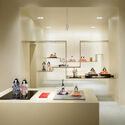
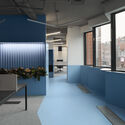
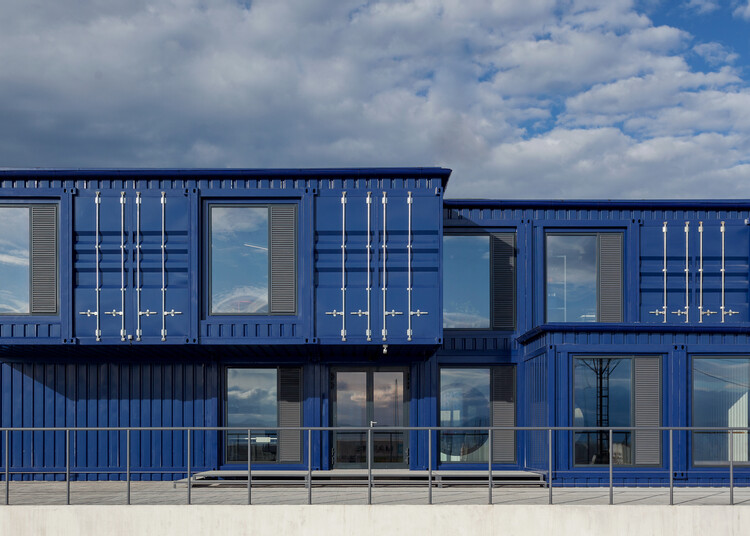
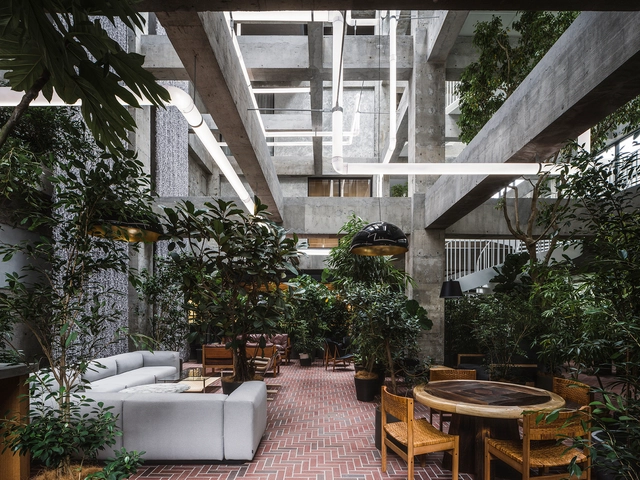
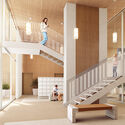
The 2026 Color of the Year selections show a shift toward nuanced, layered palettes and understated spatial calm, moving beyond the saturated earth tones of previous forecasts. Pantone's Cloud Dancer, a soft white, sets a foundation of clarity and simplicity, while Sherwin-Williams and C2 Paint highlight the versatility of mid-tone neutrals and soft ochres, emphasizing material authenticity and adaptability across different interior surfaces and lighting conditions. Benjamin Moore and Graham & Brown explore deeper, atmospheric hues that balance warm and cool undertones, and Behr, Valspar, and AkzoNobel introduce muted greens and blue-based tones aimed at creating restorative, composed, and visually engaging interiors.
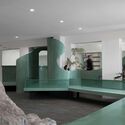
2026 Color of the Year Selections Highlight Tonal Depth and Spatial Calm - Image 1 of 42026 Color of the Year Selections Highlight Tonal Depth and Spatial Calm - Image 2 of 42026 Color of the Year Selections Highlight Tonal Depth and Spatial Calm - Image 3 of 42026 Color of the Year Selections Highlight Tonal Depth and Spatial Calm - Image 4 of 42026 Color of the Year Selections Highlight Tonal Depth and Spatial Calm - More Images+ 3

Green Interiors Trends From Around The World

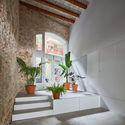
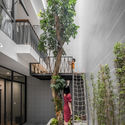
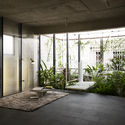
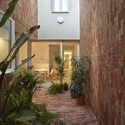
There is not enough that can be said about the benefits of incorporating plants in interiors or Plantscaping. Integrating vegetation indoors serves many purposes, whether practical, aesthetic, or psychological. Although there are basic requirements for incorporating greenery into Homes, well-thought-out plant selections and placements are characteristically different across the world. By going over recent interior works, a few recurrent plantscaping design patterns arose, each reflective of distinctive climates, building styles, and traditional building techniques.

While the type of the chosen plants varies depending on favorable conditions for growth and local availability, the main distinctions are related to the direct environment and display method in which the vegetation is set, as well as its intended purpose. While plants are there to offer mental wellness to some, they are essential for cooling to others, or could even be meant for small-scale farming.
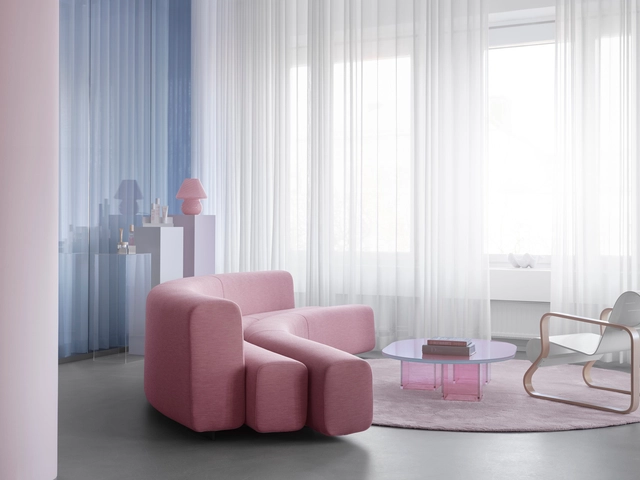
Green Interiors Trends From Around The World - SustainabilityGreen Interiors Trends From Around The World - SustainabilityGreen Interiors Trends From Around The World - SustainabilityGreen Interiors Trends From Around The World - SustainabilityGreen Interiors Trends From Around The World - More Images+ 34

Paul Clemence Captures Ingenhoven Architects’ Kö-Bogen II and Its Landmark Green Facade

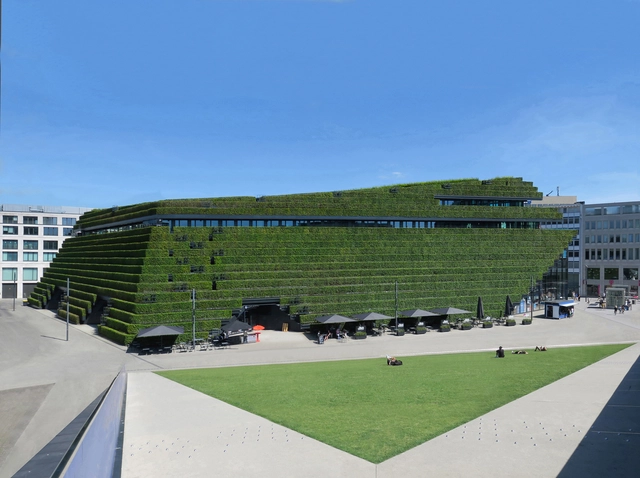
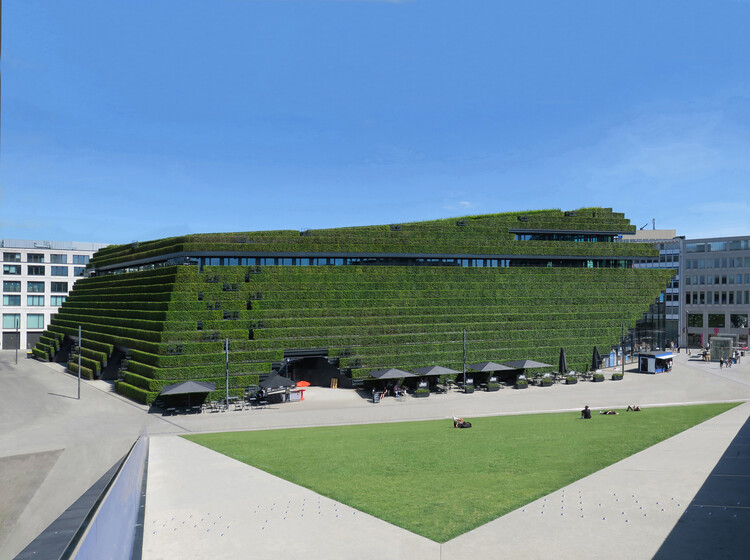
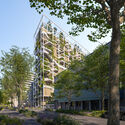
In early 2025, photographer Paul Clemence documented Kö-Bogen II, a commercial and office complex designed by ingenhoven architects in Düsseldorf, Germany. The photo series focuses on the building's signature feature: its vast green façade, considered one of the largest in Europe. Referred to as a "green heart" and an "urban mountain," the building has become a landmark in the city due to its sloping surfaces wrapped in over 30,000 hornbeam plants. For Clemence, this was an unforeseen encounter during his first visit to Düsseldorf, which he describes as an unexpected meeting with a "stunning green pyramid."

Paul Clemence Captures Ingenhoven Architects’ Kö-Bogen II and Its Landmark Green Facade - Featured ImagePaul Clemence Captures Ingenhoven Architects’ Kö-Bogen II and Its Landmark Green Facade - Image 1 of 4Paul Clemence Captures Ingenhoven Architects’ Kö-Bogen II and Its Landmark Green Facade - Image 2 of 4Paul Clemence Captures Ingenhoven Architects’ Kö-Bogen II and Its Landmark Green Facade - Image 3 of 4Paul Clemence Captures Ingenhoven Architects’ Kö-Bogen II and Its Landmark Green Facade - More Images+ 15

The Temperature of Inequality: Rethinking Urban Surfaces for a Changing Climate

Subscriber Access | 

Cities bring together the best and worst of the human condition. They concentrate opportunities for work, social networks, and cultural production, but they also expose deep social inequalities. Among the many forms of urban exclusion are limited access to transportation, housing, leisure, or safety issues. One form that is rarely discussed is thermal inequality. In lower-income neighborhoods, where there are fewer trees, parks, and permeable surfaces, heat accumulates and thermal discomfort dominates, resulting in higher energy consumption and health risks. As concern about the climate crisis grows, this discussion becomes more urgent: extreme heat is no longer just a climatic phenomenon but also a spatial expression of inequality.

Exploring High-Rise Innovations: 8 Conceptual Towers Redefining Urban Density from the ArchDaily Community

Subscriber Access | 

As cities grow and available land becomes more limited, high-rise architecture plays an important role in addressing urban density while shaping new ways of living and working. Tall buildings are evolving beyond their traditional functions to integrate environmental strategies, enhance public engagement, and contribute to the urban fabric. Architects are exploring new materials, energy-efficient technologies, and spatial configurations that make towers more adaptable to their surroundings. Some projects incorporate green spaces and shared amenities to create a stronger connection between the built environment and its users, while others introduce innovative construction techniques to improve sustainability and efficiency.

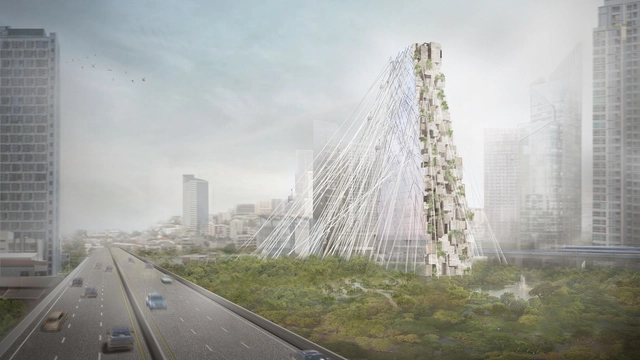
Among this selection of projects submitted by the ArchDaily community, The Residences at 1428 Brickell by Arquitectonica in Miami, United States introduces a solar-powered facade that contributes to the building's energy needs. In Dubai, UAE, AVA by SOMA creates a transition from the city into a more enclosed, water-defined environment with a focus on luxury living. In Bangkok, Thailand, HAS Design and Research proposes the Bangkok Civic Center Tower as a new type of public space, combining green landscapes with mirrored surfaces to connect the city with nature. These projects reflect different approaches to vertical architecture and highlight how designers are responding to the challenges and opportunities of dense urban environments.

Beyond Green Architecture: 5 Middle Eastern Projects Redefining Landscape Design

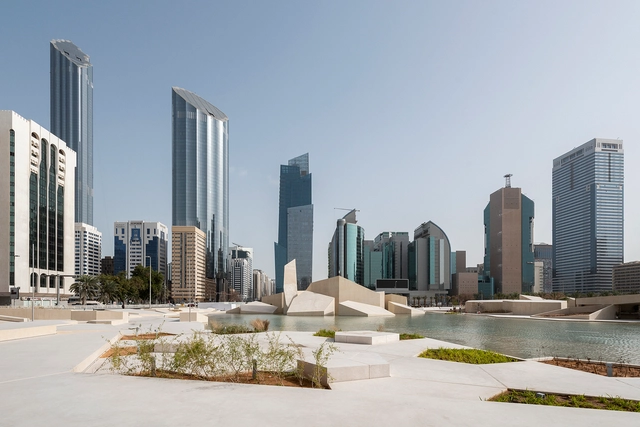
Landscape architecture has traditionally been associated with lush greenery, rooted in the historical development of gardens and parks as spaces that bring nature into urban areas. This connection to greenery is deeply ingrained in the origins of the field, where the creation of verdant retreats was seen as both aesthetically pleasing and beneficial to human well-being. However, in regions like the Middle East, where water scarcity and harsh climates are more prevalent, there is a growing trend toward using local materials such as sand, stone, minerals, and indigenous plants. This shift reflects a more sustainable approach, reimagining landscape architecture to align with the environmental and cultural contexts of the region.

Beyond Green Architecture: 5 Middle Eastern Projects Redefining Landscape Design - Image 1 of 4Beyond Green Architecture: 5 Middle Eastern Projects Redefining Landscape Design - Image 2 of 4Beyond Green Architecture: 5 Middle Eastern Projects Redefining Landscape Design - Image 3 of 4Beyond Green Architecture: 5 Middle Eastern Projects Redefining Landscape Design - Image 4 of 4Beyond Green Architecture: 5 Middle Eastern Projects Redefining Landscape Design - More Images+ 4

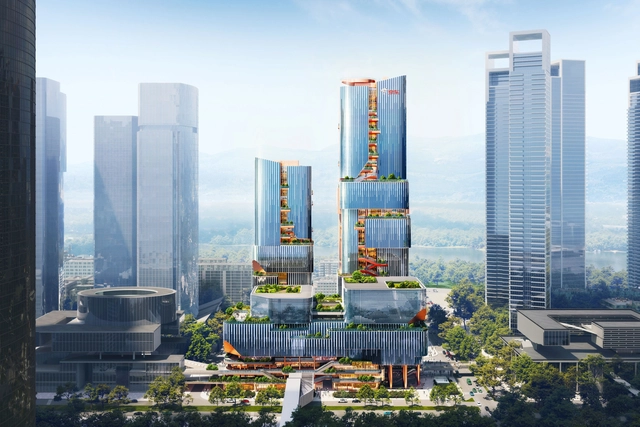
Büro Ole Scheeren Reveals Design for New Shenzhen Headquarters in China

Büro Ole Scheeren’s latest project, Scenic City Towers, is currently under construction in the Shenzhen Bay Super Headquarters Base in China. This design for JD.com's new offices seeks to emphasize “in-between” spaces that blend the social fabric of urban life with nature, proposing a new model for working. Situated in Shenzhen’s Nanshan district, a booming business and financial area, the headquarters will join a community of global corporations around it.

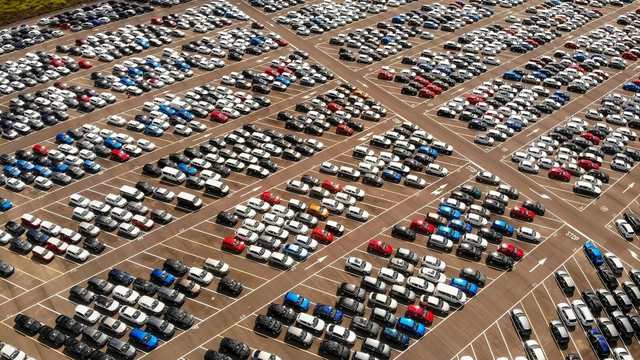
How Can Cities Cool down Large Urban Car Parks?

Subscriber Access | 

The urban heat island effect occurs when pavements, roads, and buildings absorb the sun's heat and radiate it back, causing the temperature to increase and preventing the city from cooling down. With the growing reliance on cars in cities, the number of urban car park spaces is also increasing to accommodate buildings. This has resulted in the conversion of large areas of pervious land covered with vegetation into impervious hard surfaces for more car parks. The use of materials like asphalt, combined with the lack of shade, reflective steel surfaces of parked cars, and loss of greenery in these extensive car parks, contributes to the amplification of high-temperature effects and extreme heat events, making urban spaces uncomfortable. This transformation is impacting the climate of car-dependent regions and calls for collaborative ideas and efforts to mitigate the negative effects of rising heat.

How Can Cities Cool down Large Urban Car Parks? - Image 1 of 4How Can Cities Cool down Large Urban Car Parks? - Image 2 of 4How Can Cities Cool down Large Urban Car Parks? - Image 3 of 4How Can Cities Cool down Large Urban Car Parks? - Image 4 of 4How Can Cities Cool down Large Urban Car Parks? - More Images+ 3

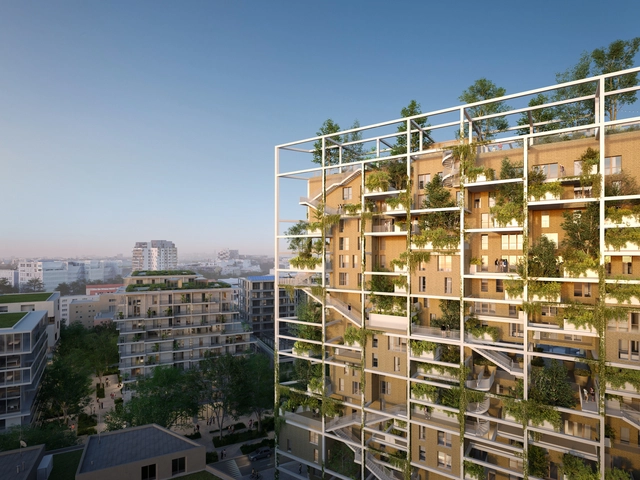
Construction Starts on La Serre, MVRDV's Urban Oasis Outside Paris

Construction on MVRDV’s La Serre started. Situated in the ZAC Léon Blum eco-district in Issy-les-Moulineaux, just outside of Paris, and designed by MVRDV, in collaboration with landscape architect Alice Tricon, and developer OGIC, the scheme aims to challenge conventional apartment living by integrating nature into the urban setting. The project features housing units, shops, and ample greenery, aiming to create a haven of biodiversity.

Construction Starts on La Serre, MVRDV's Urban Oasis Outside Paris - Image 1 of 4Construction Starts on La Serre, MVRDV's Urban Oasis Outside Paris - Image 2 of 4Construction Starts on La Serre, MVRDV's Urban Oasis Outside Paris - Image 3 of 4Construction Starts on La Serre, MVRDV's Urban Oasis Outside Paris - Image 4 of 4Construction Starts on La Serre, MVRDV's Urban Oasis Outside Paris - More Images+ 2

2024 Color of the Year Picks Unveiled by Paint Leaders Such as Benjamin Moore and Sherwin Williams

The year 2024 brings forth an intriguing array of Color of the Year selections from renowned paint manufacturers, each offering a unique perspective on the hues that will influence our living spaces. Striving to capture the moods and aspirations of the coming year, color experts have veered towards soft and calming shades, hoping to bring a sense of serenity to counter the hectic and tumulus passing year. Countering the bold color chosen by Pantone in 2023 as their previous Color of the Year, Benjamin Moore embraces a softly saturated and nuanced shade, AkzoNobel emphasizes calmness and stability, Sherwin Williams aims to inspire mindfulness, Graham & Brown fosters warmth and tranquility, and C2 Paint focuses on freshness and sustainability.

2024 Color of the Year Picks Unveiled by Paint Leaders Such as Benjamin Moore and Sherwin Williams - Image 1 of 42024 Color of the Year Picks Unveiled by Paint Leaders Such as Benjamin Moore and Sherwin Williams - Image 2 of 42024 Color of the Year Picks Unveiled by Paint Leaders Such as Benjamin Moore and Sherwin Williams - Image 3 of 42024 Color of the Year Picks Unveiled by Paint Leaders Such as Benjamin Moore and Sherwin Williams - Image 4 of 42024 Color of the Year Picks Unveiled by Paint Leaders Such as Benjamin Moore and Sherwin Williams - More Images+ 2

A Caravan House in Greece and an Ecological Oasis in Mexico: 9 Unbuilt Residences Designed Around Nature Submitted by the ArchDaily Community

Subscriber Access | 

As the world becomes increasingly urbanized, the relationship between nature and design has taken on a renewed significance. Residential design projects that intertwine with natural elements are shown to encourage a sense of tranquility in the inhabitants and the surrounding environment. Moreover, the integration of greenery, specifically through gardens, flourishing landscapes, or complete forest and hillside integrations, can be a powerful testament to the coexistence of human habitation and the natural world.

It is well known that exposure to more green spaces and cleaner air has profound impacts on human health and psychology. This kind of exposure has been linked to reduced stress, improved cognitive function, and enhanced creativity. These sanctuaries offer relief, allowing the human to reconnect with the natural world. These residential homes are often a refuge from busy city life, ranging from vacation homes to retirement homes. Moreover, as the global call for sustainable practices becomes more pressing, the role of natural elements in architecture becomes imperative.

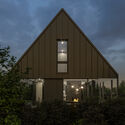
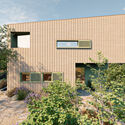
A Caravan House in Greece and an Ecological Oasis in Mexico: 9 Unbuilt Residences Designed Around Nature Submitted by the ArchDaily Community - Image 18 of 4A Caravan House in Greece and an Ecological Oasis in Mexico: 9 Unbuilt Residences Designed Around Nature Submitted by the ArchDaily Community - Image 26 of 4A Caravan House in Greece and an Ecological Oasis in Mexico: 9 Unbuilt Residences Designed Around Nature Submitted by the ArchDaily Community - Image 34 of 4A Caravan House in Greece and an Ecological Oasis in Mexico: 9 Unbuilt Residences Designed Around Nature Submitted by the ArchDaily Community - Image 7 of 4A Caravan House in Greece and an Ecological Oasis in Mexico: 9 Unbuilt Residences Designed Around Nature Submitted by the ArchDaily Community - More Images+ 45

The Symbolic Use of Color in Islamic Architecture

The Islamic Architecture style has a diverse history, spanning over a millennium, stretching from Western Africa to Europe to Eastern Asia. Beginning in early 7th century Arabia, this form of architecture emerged with the rise of the Islamic civilization. In fact, Al Masjid Al Nabawi, the first Mosque to ever be constructed was built in 622, in Medina, Saudi Arabia. Moreover, early Islamic architecture was influenced by the pre-existing styles around the region, such as Roman, Byzantine, and Persian qualities.

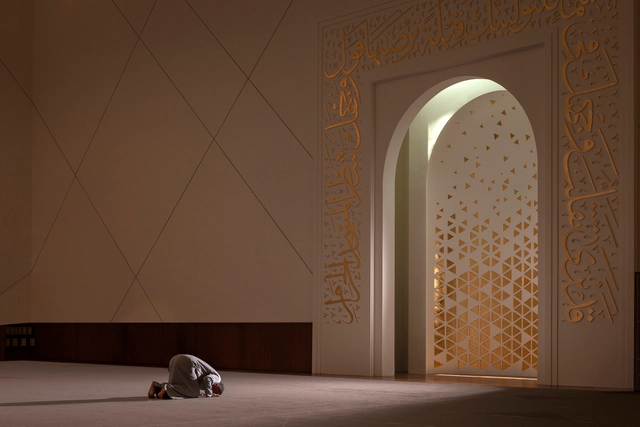
Today, Islamic architecture is known for its acute attention to detail, craftsmanship, and its spiritual symbolism. Furthermore, as color plays an essential role in architecture, influencing the emotional experience of the space, different colors have been utilized over the years in Islamic Architecture to evoke certain meanings. In Islamic Architecture, colors hold significant spiritual symbolism, reflecting the values and beliefs of the Islamic faith. Four core colors, Green, Blue, Gold, and White, are each used to convey various cultural, religious, and symbolic meanings.

Read on to discover the use of these colors in various Islamic architectural icons around the world.

The Symbolic Use of Color in Islamic Architecture - Image 1 of 4The Symbolic Use of Color in Islamic Architecture - Image 2 of 4The Symbolic Use of Color in Islamic Architecture - Image 3 of 4The Symbolic Use of Color in Islamic Architecture - Image 4 of 4The Symbolic Use of Color in Islamic Architecture - More Images+ 6

The Cultural Significance of Greenhouses: A Complicated Identity

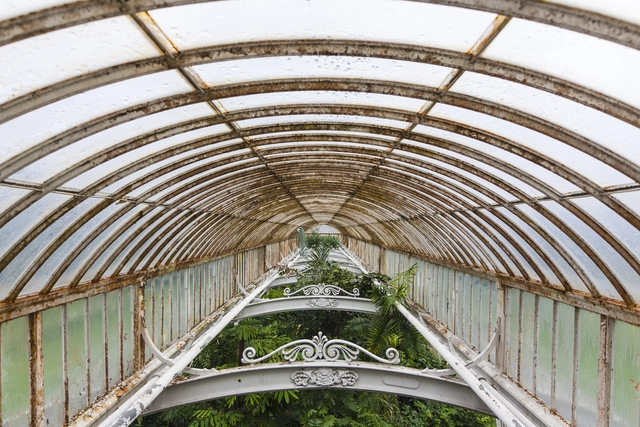
The greenhouse is a commonplace architectural typology, a frequent fixture in a host of cities, built to shield plants from the elements — from excess heat or cold or to prolong the growing season of crops. Evidence of the presence of greenhouses in some form stretches as far back as the 1450s during the Korean Joseon dynasty, but it is in the 1700s that the greenhouse was born as a specific architectural form. Glassmaking improved, and thus the largely transparent, wide-span structures we know today were born. Nestled under the intricate iron metalwork of greenhouses are also wider stories — of control and undeserved wealth, and resistance.

The Cultural Significance of Greenhouses: A Complicated Identity  - Image 1 of 4The Cultural Significance of Greenhouses: A Complicated Identity  - Image 2 of 4The Cultural Significance of Greenhouses: A Complicated Identity  - Image 3 of 4The Cultural Significance of Greenhouses: A Complicated Identity  - Image 5 of 4The Cultural Significance of Greenhouses: A Complicated Identity  - More Images+ 5

Why the Global South Needs Different Sustainability Benchmarks

As world governments grapple with environmental crises, the construction industry rushes to reevaluate sustainable design and develop new ways of measuring its efficiency. Consequently, green building certification systems (GBCS) started gaining traction in the 20th century to evaluate and promote sustainable construction practices. The Global South faces distinctive challenges in building sustainable cities. Its developing nations demand an exclusive approach to designing an appropriate, economical, and inspiring architecture for their promising futures.

Why the Global South Needs Different Sustainability Benchmarks  - Image 1 of 4Why the Global South Needs Different Sustainability Benchmarks  - Image 2 of 4Why the Global South Needs Different Sustainability Benchmarks  - Image 3 of 4Why the Global South Needs Different Sustainability Benchmarks  - Image 4 of 4Why the Global South Needs Different Sustainability Benchmarks  - More Images

Biophilic Interiors: 21 Projects that Blend Architecture with Nature

Humans are hard-wired to respond positively to nature; the crackling sound of fire, the smell of fresh rain on soil, the healing characteristics of plants and the color green, being in proximity to animals, etc. That, along with today’s critical environmental conditions and rapid urbanization, shifted architects' focus towards eco-conscious projects to bring people closer to nature. Architects explored numerous approaches: rammed earth structures, recycled materials and furnishing, designing around the site's sun orientation... The practice was so driven by green architecture that the lines became blurred between what is truly sustainable and ecological and what is "greenwashed". But what proved to bring about the most innate biological connection with nature was biophilia, and "bringing the outdoors in" through design.

Biophilic Interiors: 21 Projects that Blend Architecture with Nature  - Image 1 of 4Biophilic Interiors: 21 Projects that Blend Architecture with Nature  - Image 2 of 4Biophilic Interiors: 21 Projects that Blend Architecture with Nature  - Image 3 of 4Biophilic Interiors: 21 Projects that Blend Architecture with Nature  - Image 4 of 4Biophilic Interiors: 21 Projects that Blend Architecture with Nature  - More Images+ 20

Adding Fresh Hanging Gardens to Residential Architecture

Subscriber Access | 

If ancient Hellenic sources are to be believed, hanging gardens have existed at least since antiquity when the famous Hanging Gardens of Babylon were described by writers such as Herodotus and Philo of Byzantium. Today, vertical gardens have proliferated alongside the interest in indoor plants and gardens, especially in suitable climates. This trend in architecture reflects a simultaneous uptick in interest toward sustainability and a more pastoral, back-to-nature lifestyle. In the projects listed below, several of the architects mention moving forward from an industrial past—with its concomitant environmental effects—toward a better future, or at least a secluded, fresh, and natural outpost amidst the chaos of modern city life. Indoor gardens, and the visual allure of hanging plants and climbing vines, provide the setting for such a life. These vertical designs simultaneously conserve space and embed the plants within the atmosphere of the house, ensuring the space feels as much like a garden as it does a comfortable home.

Adding Fresh Hanging Gardens to Residential Architecture - Image 1 of 4Adding Fresh Hanging Gardens to Residential Architecture - Image 2 of 4Adding Fresh Hanging Gardens to Residential Architecture - Image 3 of 4Adding Fresh Hanging Gardens to Residential Architecture - Image 4 of 4Adding Fresh Hanging Gardens to Residential Architecture - More Images+ 23

New Green Spaces Don’t Have to Lead to Gentrification

Decades of redlining and urban renewal, rooted in racist planning and design policies, created the conditions for gentrification to occur in American cities. But the primary concern with gentrification today is displacement, which primarily impacts marginalized communities shaped by a history of being denied access to mortgages. At the ASLA 2021 Conference on Landscape Architecture in Nashville, Matthew Williams, ASLA, with the City of Detroit’s planning department, said in his city there are concerns that new green spaces will increase the market value of homes and “price out marginalized communities.” But investment in green space doesn’t necessarily need to lead to displacement. If these projects are led by marginalized communities, they can be embraced.

New Green Spaces Don’t Have to Lead to Gentrification - Image 1 of 4New Green Spaces Don’t Have to Lead to Gentrification - Image 2 of 4New Green Spaces Don’t Have to Lead to Gentrification - Image 3 of 4New Green Spaces Don’t Have to Lead to Gentrification - Image 4 of 4New Green Spaces Don’t Have to Lead to Gentrification - More Images+ 8

Green Inequity: Increasing Access to Public Parks for Underserved Communities

Subscriber Access | 

Around the world, the COVID-19 pandemic exposed the fact that some of the poorest people were hit the hardest by not only the impacts the virus had on public health but also the social and economic shockwaves that came as a result. And now, as we emerge on the other side yet also enter the second wave of restrictions around the globe, urban planners and government officials are beginning to realize that the pandemic has pulled back the curtains on another inequitable feature of cities- the proximity to public parks and spaces.